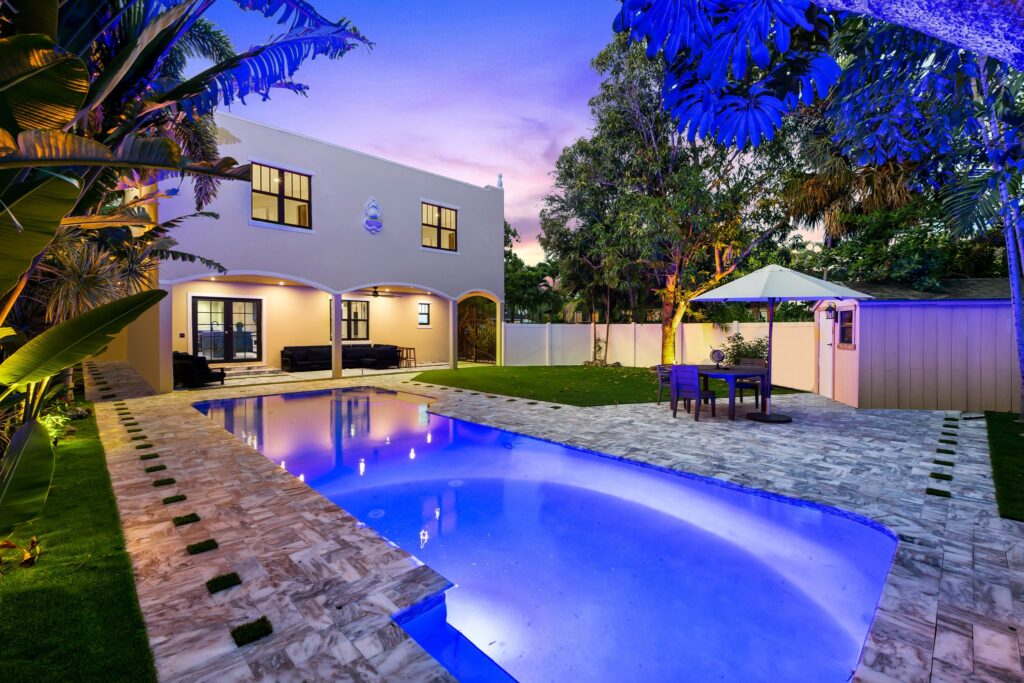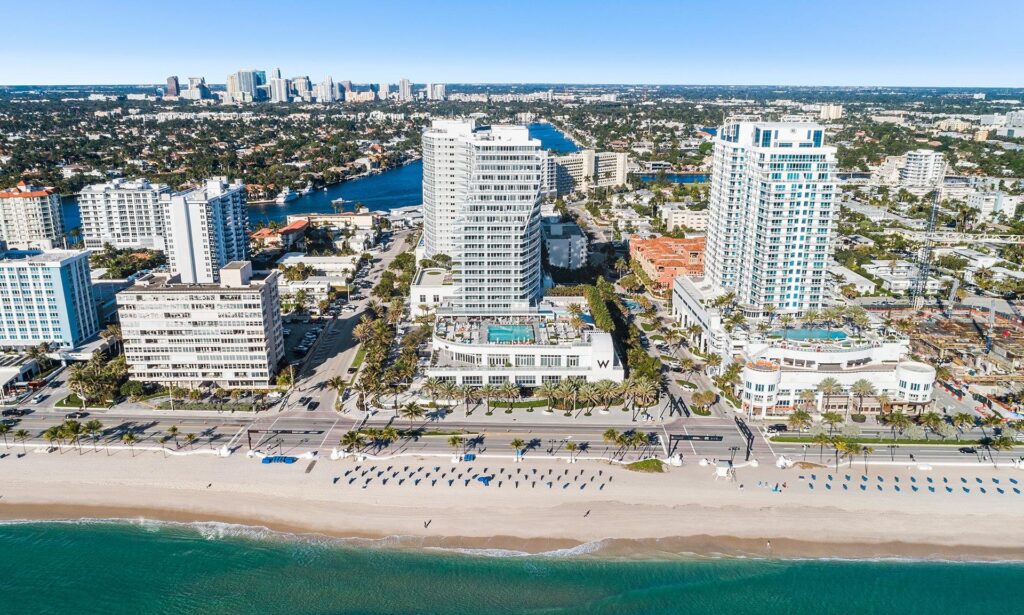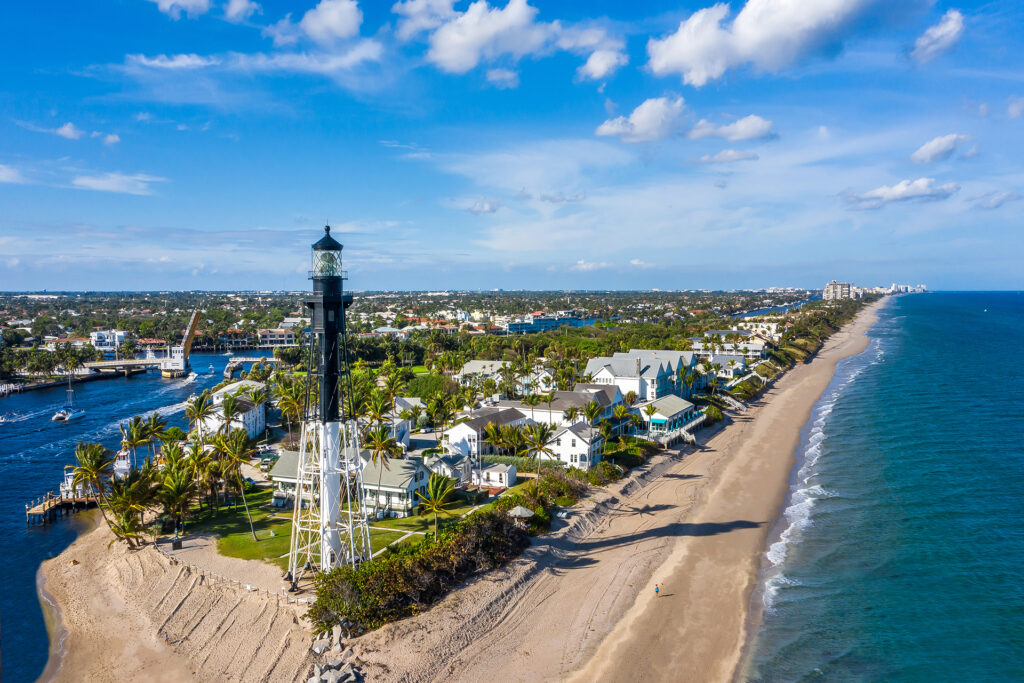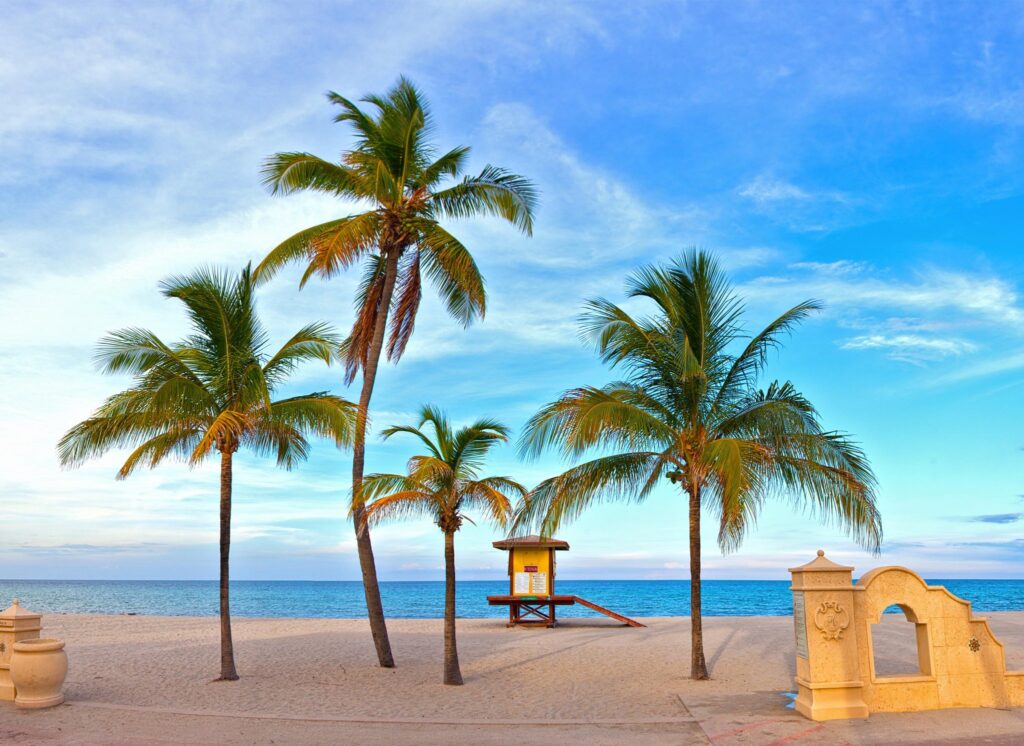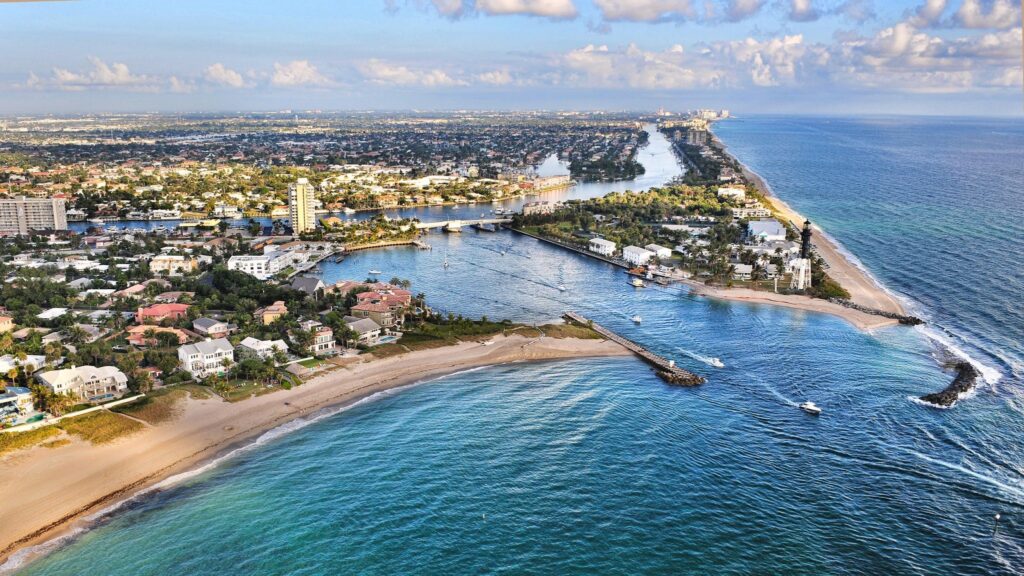

Fort Lauderdale beachfront property is not one market. It has three distinct tiers with different price points, buyer profiles, and operational realities. Treating them as one decision leads buyers to the wrong property.
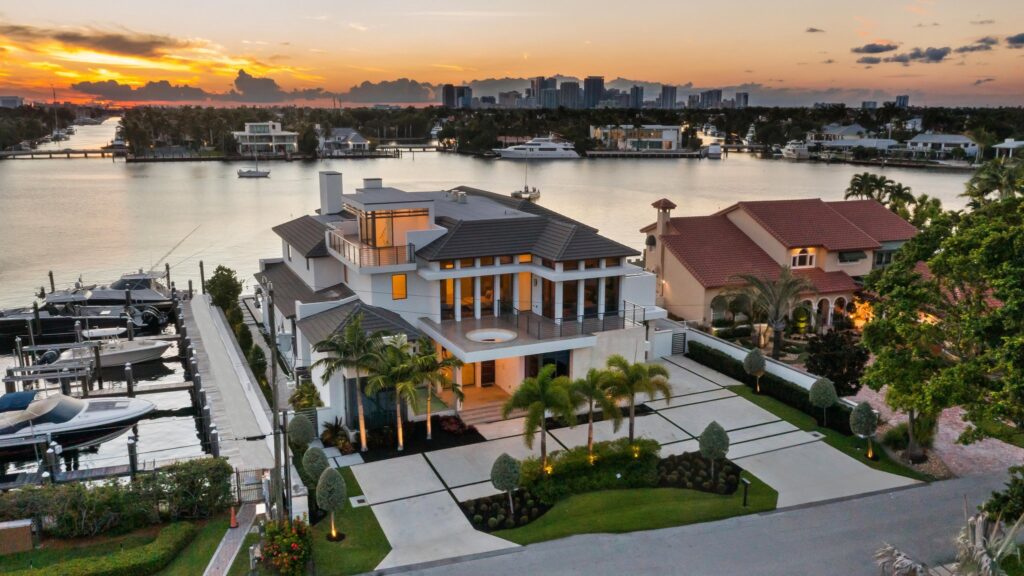
The Fort Lauderdale market overall hit a $575,000 median sale price in July 2026 with 99 average days on market, according to Realtor. Beachfront addresses sit well above that median. Condos on A1A start around $500,000. Direct oceanfront single-family homes in neighborhoods like Harbor Beach begin above $2 million and run to $8 million and higher.
This guide covers what each tier looks like, which neighborhoods perform best, real-world insurance costs, and the due diligence you cannot skip when buying on the Fort Lauderdale coast.
What Does the Fort Lauderdale Beachfront Property Market Look Like in 2026?
Fort Lauderdale beachfront has appreciated 63.45% over the past five years, according to NeighborhoodScout Q4 2025 data. That figure reflects the broader Fort Lauderdale market.
True beachfront addresses have outpaced the city median in appreciation because supply is structurally constrained. There is no more beachfront land to develop in Fort Lauderdale. What exists is what exists.
The 99-day average days on market as of July 2026 applies to the broader market. Well-priced beachfront properties, particularly direct oceanfront single-family homes, still move faster when priced correctly.
Buyers who see 99 days and assume they have unlimited time to decide will miss the properties worth having. The ones that sit are overpriced or have condition issues the inspection will surface.
Demand in the beachfront segment comes from three buyer groups. Relocators from the Northeast and Midwest account for the largest share, leaving high-tax states for a lifestyle they could not access year-round.
International buyers from Latin America and Canada represent a consistent secondary segment. Domestic investors seeking short-term rental income from Fort Lauderdale’s 13 million annual visitors make up the third. All three groups compete for the same limited inventory, which sustains price floors even when the broader market softens.
What Are the Best Beachfront Neighborhoods in Fort Lauderdale?
Neighborhood selection is the most consequential decision in any Fort Lauderdale beachfront purchase. The three primary beachfront neighborhoods each serve a different buyer profile.
Harbor Beach
Harbor Beach is the most exclusive directly oceanfront neighborhood in Fort Lauderdale. It sits south of Las Olas Boulevard between the Intracoastal and the Atlantic, with some properties backing directly onto the ocean and others on the Intracoastal side.
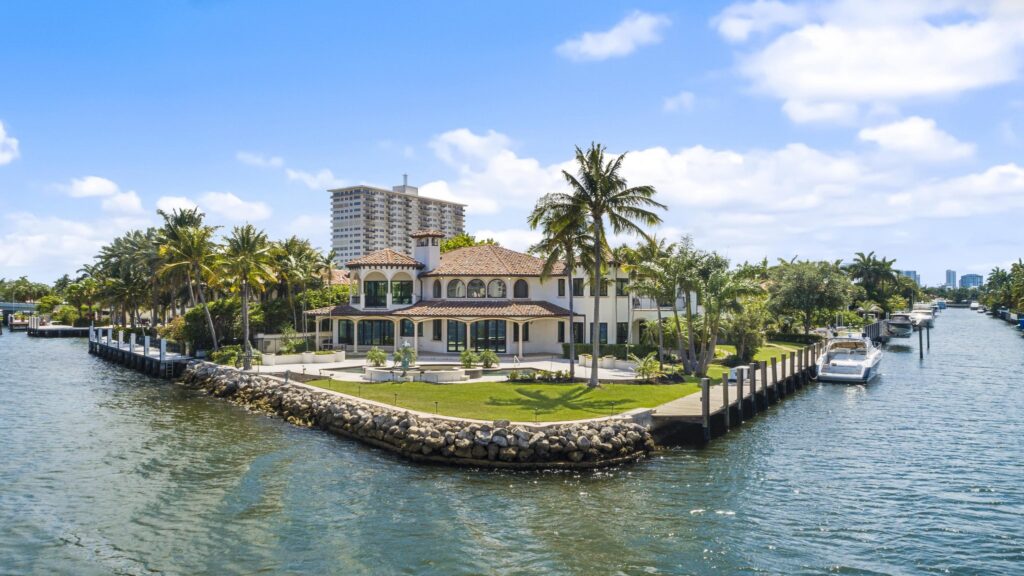
Single-family homes in Harbor Beach range from $2 million to $8 million and above depending on lot size, water frontage, and structure.
The neighborhood is quiet, gated in sections, and primarily owner-occupied. It draws buyers who want a prestige address, ocean proximity, and the residential character that South Beach or the main tourist strip cannot offer. Harbor Beach homes represent the top tier of the Fort Lauderdale beachfront market.
Las Olas Beach Corridor
The Las Olas Beach corridor sits at the eastern end of Las Olas Boulevard where it meets A1A. This area has a mix of oceanfront condos and single-family homes on and near the beach.
Condos in this corridor range from $600,000 to $2 million depending on floor, building, and ocean versus city view. Single-family homes on or within a block of the beach sell from $1.5 million upward.
The appeal here is the combination of beach access and the Las Olas Boulevard lifestyle corridor directly behind it. Residents can walk to some of the best restaurants in Fort Lauderdale from an oceanfront address. That walkability premium is real, and it shows in the pricing.
Lauderdale-by-the-Sea
Lauderdale-by-the-Sea is technically a separate municipality, but it sits directly north of Fort Lauderdale and functions as part of the same market for most buyers. It offers lower-density, walkable beach-town character that the main Fort Lauderdale strip does not replicate. The reef system off the LBTS pier is one of the best shore-accessible snorkeling locations in South Florida.
Beachfront condos in LBTS run $400,000 to $1.2 million. The inventory is primarily condos and smaller buildings rather than large high-rises.
Buyers who want a beach lifestyle at a lower price point than Harbor Beach or the Las Olas corridor, and who prioritize quiet and walkability over urban amenities, consistently end up here.
Beachfront Condo vs Single-Family: Which Is Right for You?
The decision between a beachfront condo and a single-family home is not just about budget. It changes your ownership experience in fundamental ways.
Buying a Beachfront Condo in Fort Lauderdale
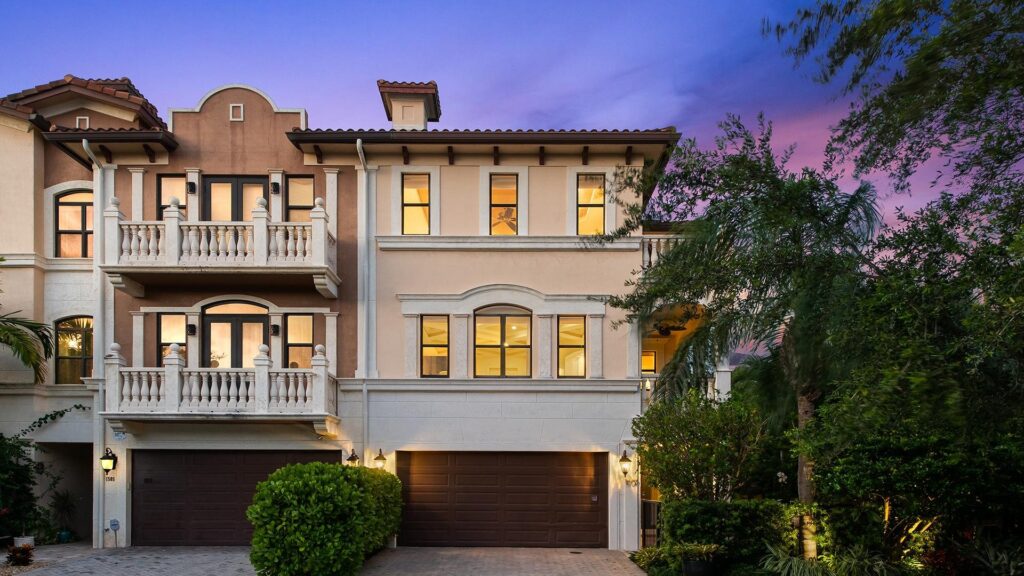
A beachfront condo in Fort Lauderdale means HOA fees, shared amenities, building reserves, and association rules on rentals and renovations.
Monthly HOA fees on oceanfront buildings run $800 to $2,500 depending on building age, amenities, and reserve funding.
Those fees cover building insurance, maintenance, and amenities like pools and fitness centers. They also cover costs you cannot control, including special assessments when the building needs a roof, elevator replacement, or seawall repair.
Buying a Beachfront Single-Family Home in Fort Lauderdale
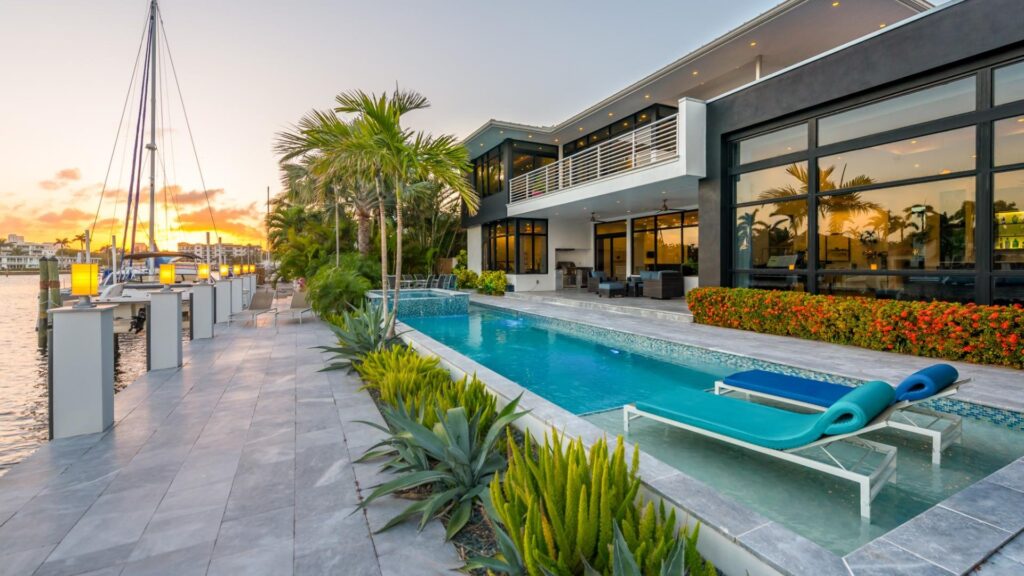
A beachfront single-family home gives you full control over the property and no HOA overhead, but shifts all maintenance and insurance costs directly to you. If the property is on the water, you own the seawall. You own the roof, the impact windows, and the HVAC. You carry the full insurance cost rather than sharing the building policy with other unit owners.
For buyers who want the direct ownership model and are prepared for those costs, single-family beachfront is the stronger long-term hold. For buyers who want simplicity and lock-and-leave convenience, a well-run condo building is the better fit.
The South Florida real estate comprehensive guide covers the ownership structure differences in more detail, including how Florida condo law changes from 2022 onward affect building reserves and special assessment risk.
What Does Insurance Actually Cost on a Fort Lauderdale Beachfront Property?
This is the question most buyers underestimate and the one that most affects your real monthly cost of ownership.
Flood Insurance
Flood insurance on a Fort Lauderdale beachfront property in an AE flood zone runs $3,000 to $12,000 per year depending on the structure, its elevation relative to base flood elevation, and the coverage amount.
A property built above base flood elevation with an elevation certificate showing positive freeboard will pay significantly less than a property at or below BFE.
The elevation certificate is worth obtaining before you make an offer. It tells you exactly where you stand before you commit.
Wind and Hurricane Coverage
Wind and hurricane coverage is separate from flood insurance in Florida. Coastal properties pay more for wind coverage than inland addresses.
Annual wind insurance on a Fort Lauderdale beachfront home runs $4,000 to $15,000 depending on the structure’s age, construction type, roof condition, impact window status, and insured replacement value.
A newer home with impact windows and a hip roof costs significantly less to insure than an older home with a flat roof and standard glass.
The combined annual insurance cost on a Fort Lauderdale beachfront single-family home frequently runs $8,000 to $25,000 per year.
What to Expect on a Condo
On a condo, the building’s master policy covers the structure. You pay for a unit owner’s policy (HO-6) covering your contents, improvements, and liability. HO-6 policies on Fort Lauderdale beachfront condos typically run $1,500 to $4,000 per year.
Get actual insurance quotes before you finalize any offer on a Fort Lauderdale beachfront property. The market has tightened significantly since 2022.
Some carriers have left Florida entirely. Others have repriced coastal zip codes materially. An uninsurable property or one carrying a $20,000 annual premium is a fundamentally different financial proposition than your initial assumptions.
The financing your Fort Lauderdale home guide explains how lenders evaluate insurance costs during underwriting for coastal properties.
What Due Diligence Do Fort Lauderdale Beachfront Buyers Need?
Beachfront due diligence in Fort Lauderdale goes beyond the standard home inspection. These checks matter specifically for coastal properties.
Elevation Certificate and Flood Zone Confirmation
Every beachfront buyer should obtain an elevation certificate before closing. It determines your flood insurance cost and tells you the property’s relative flood risk with specificity that the FEMA map alone does not provide. AE zone properties carry mandatory flood insurance requirements for any federally backed mortgage.
Wind Mitigation Inspection
A licensed inspector evaluates your roof shape, roof covering, opening protections, and roof-to-wall connections. The results go directly to your insurance carrier and determine your wind premium.
On a Fort Lauderdale property, a favorable wind mitigation report can reduce your annual wind premium by $2,000 to $5,000. The inspection costs $150 to $200 and pays for itself in the first year on any coastal property.
Saltwater Corrosion and Structural Inspection
The standard home inspection covers major systems. It does not specifically evaluate the accelerated corrosion that coastal salt air causes on HVAC systems, electrical components, metal fasteners, and structural steel.
For any beachfront single-family home over 10 years old, commission a specialist inspection that evaluates coastal-specific deterioration. Saltwater damage is often invisible until it is expensive.
Seawall Inspection
Not all Fort Lauderdale beachfront properties have seawalls; many Atlantic-facing homes have a natural beach instead.
But any property with canal access, Intracoastal frontage, or a private dock needs a specialist seawall inspection separate from the standard home inspection. A failing seawall on a $3 million property can be a $40,000 to $80,000 repair that isn’t visible from the surface.
Condo Building Documentation Review
For condos, Florida law now requires milestone structural inspections for buildings over 30 years old. Request the most recent inspection report.
Ask for the building’s reserve study and the current reserve funding percentage. A building with less than 50% of its required reserves funded is at elevated special assessment risk.
The waterfront living guide covers the ongoing ownership experience at the Fort Lauderdale beachfront and what residents consistently report about the practical realities of coastal property maintenance.
Is Fort Lauderdale Beachfront Real Estate a Good Investment?
For a five-year or longer hold, yes. The supply constraint on Fort Lauderdale beachfront won’t change. The Atlantic coast through Broward County is fully developed. No new beachfront land is coming to market. That structural supply constraint has supported appreciation through multiple market cycles.
The 63.45% five-year appreciation across the broader Fort Lauderdale market tells part of the story. True beachfront addresses have generally outperformed that figure because of the supply ceiling. Buyers who enter at a reasonable price with a long-term hold horizon have consistently done well.
Carrying costs for Fort Lauderdale beachfront insurance, HOA fees, taxes, and maintenance are real, and they compress cash-on-cash returns for pure investors. The total return story is capital appreciation plus lifestyle value, not yield alone.
Short-term rental income from Fort Lauderdale beachfront properties can offset carrying costs, but requires attention to city registration requirements, condo HOA rules, and the operational reality of managing a short-term rental.
A well-positioned beachfront condo near the Las Olas corridor can generate $4,000 to $8,000 per month during season. After platform fees, management, and cleaning, the net return is lower. Underwrite it conservatively.
Ready to Buy a Beachfront Property in Fort Lauderdale?
Buying beachfront in Fort Lauderdale is not the same as buying anywhere else in the city. Insurance underwriting, flood zone evaluation, condo reserve analysis, and neighborhood-level pricing differences all require someone who has done this transaction many times in this specific market.
Dotoli Group works exclusively in Fort Lauderdale residential real estate. We know which Harbor Beach listings are priced to sell and which are priced for the wishful seller.
We know which condo buildings have reserve funding issues before you sign a contract. We know the insurance brokers who can get coastal properties quoted when others cannot.
If Fort Lauderdale beachfront is where your search is heading, contact us before you start making offers. The right preparation happens before the first showing, not after you are already in contract.