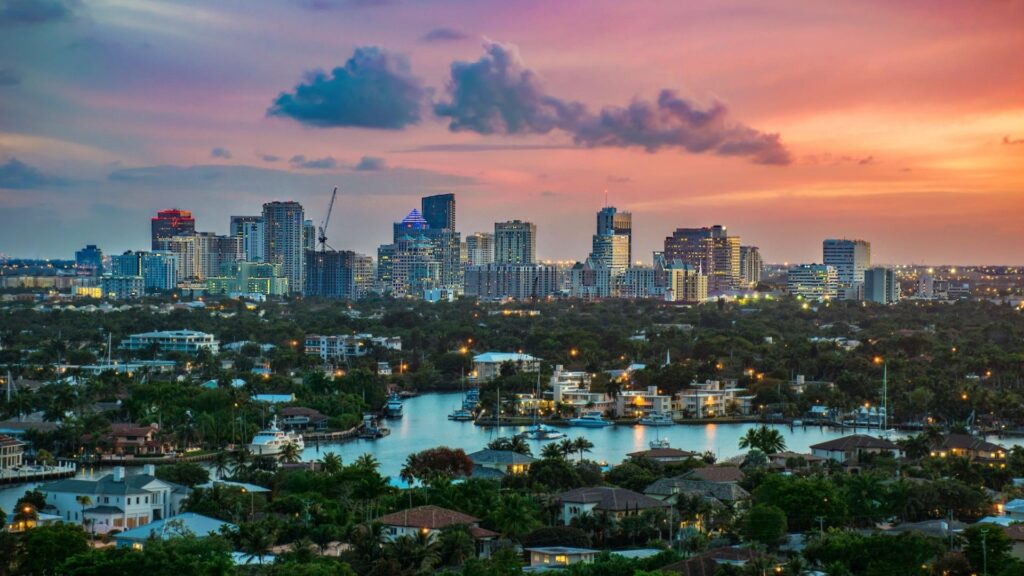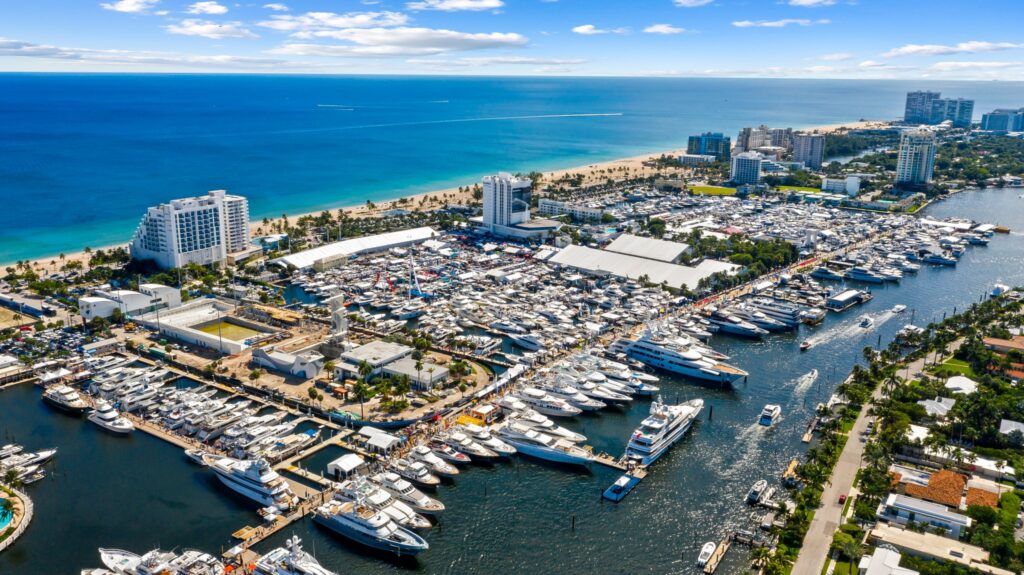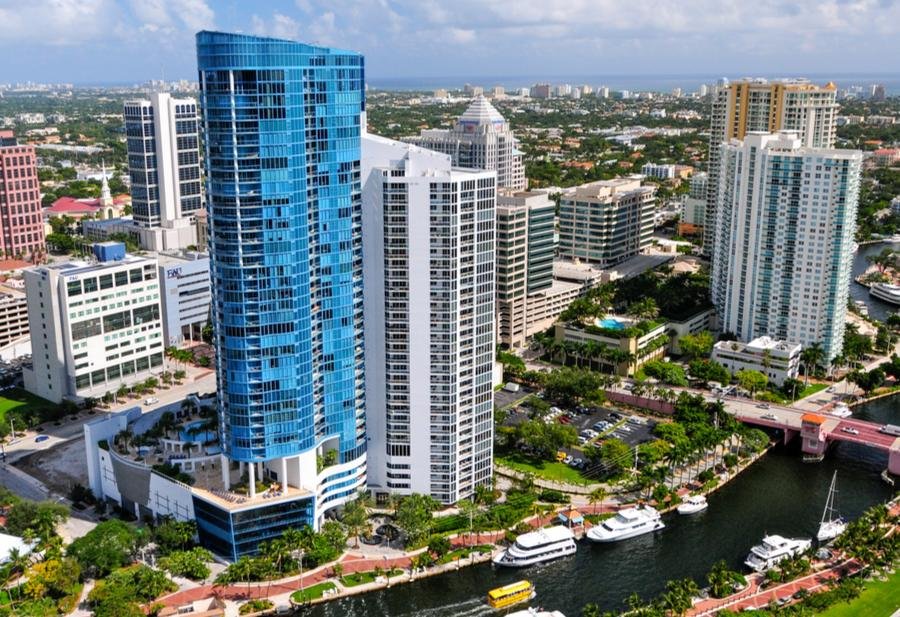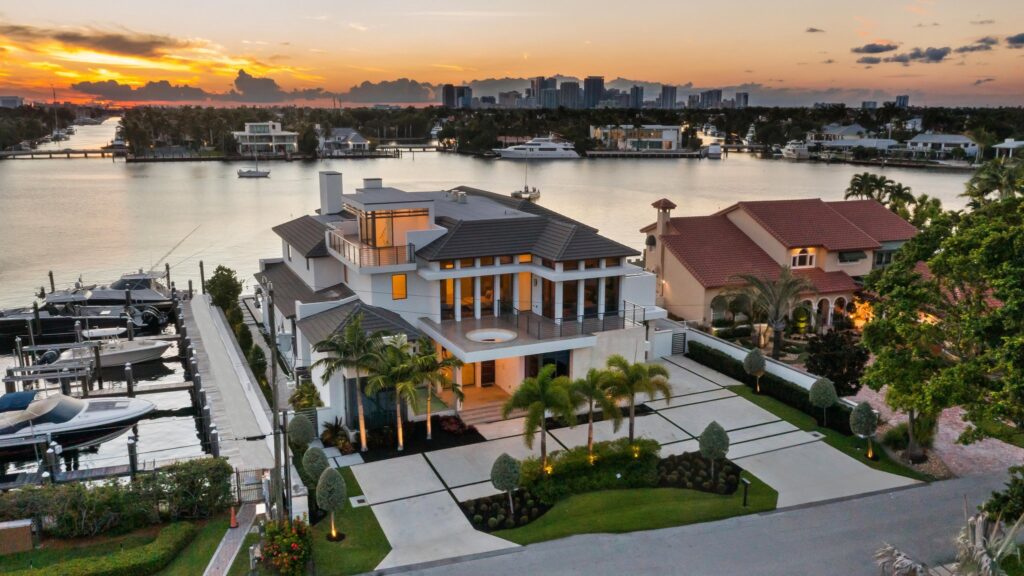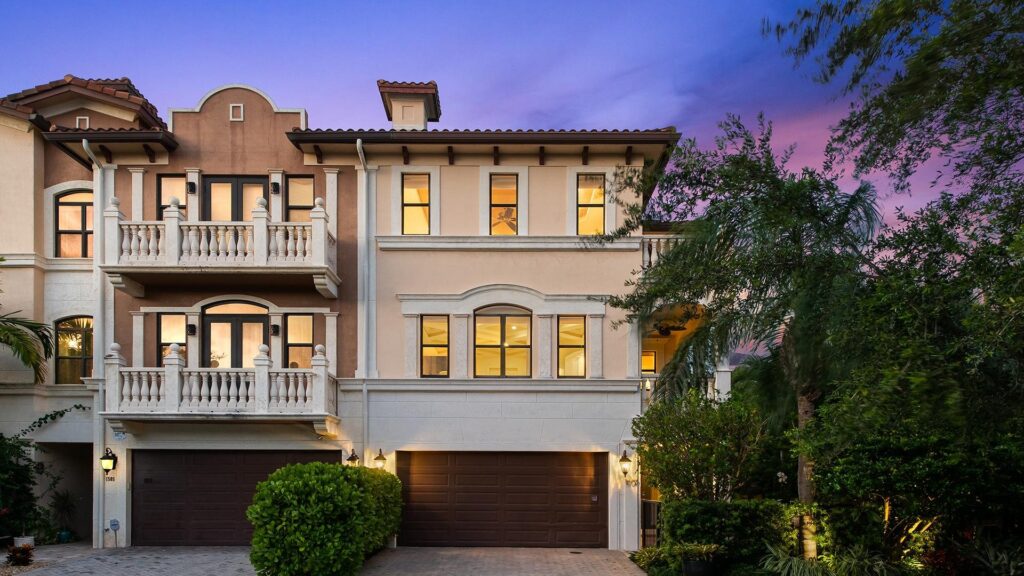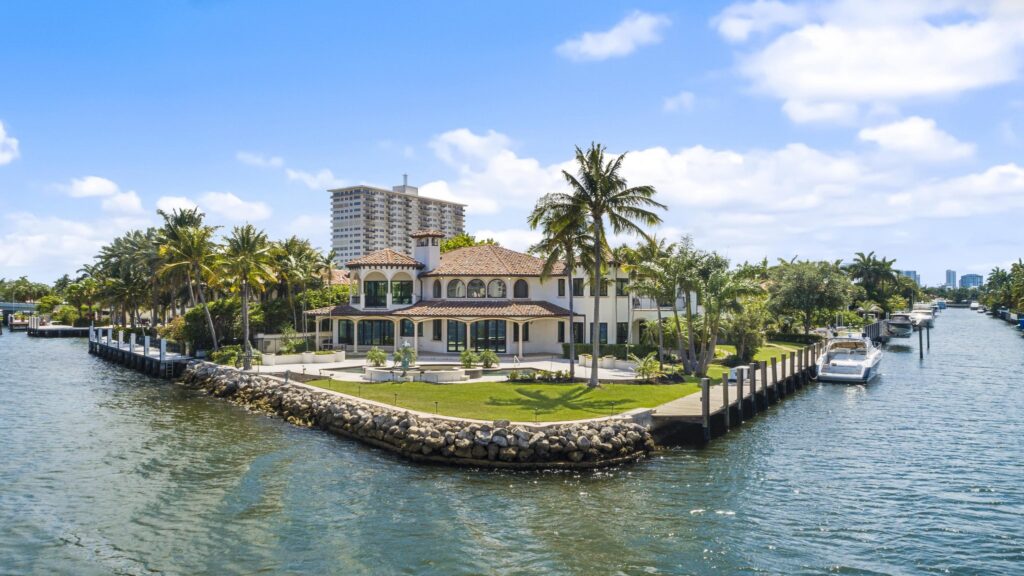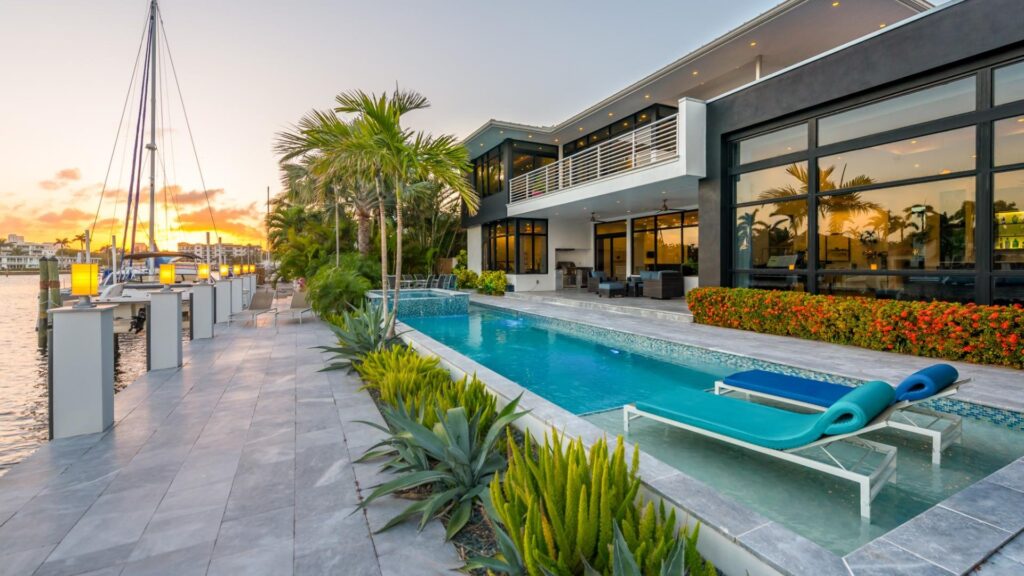

In Fort Lauderdale real estate, the word waterfront does a lot of work.
It shows up in listing headlines, brochures, property descriptions, and marketing copy because it instantly creates excitement. And rightly so. For many buyers, waterfront living means a private dock, beautiful canal views, easy access to the Intracoastal, and a lifestyle that feels uniquely South Florida.
But if you are a boater, especially someone with a serious vessel or plans to move up in size, the word waterfront only tells you part of the story.
A home can be waterfront and still be the wrong fit for the way you actually boat.
That is where deep water becomes far more important than the listing language. In Fort Lauderdale, these two terms are often treated like they mean the same thing, but they do not. One describes location. The other describes usability.
And for the wrong buyer, confusing the two can turn an exciting purchase into an expensive compromise.
What “Waterfront” Really Means And Why Boaters Should Look Deeper
The first thing to understand is that waterfront is a broad real estate term. It usually means the property sits on a body of water, whether that is a canal, riverfront stretch, point lot, or Intracoastal location.
From a marketing standpoint, that is enough to call the home waterfront.
But from a boating standpoint, that label is incomplete.
It does not tell you whether the water behind the home is deep enough for your vessel. It does not tell you whether there are fixed bridges between your dock and open water. It does not tell you if the canal width is comfortable for turning, docking, and maneuvering. And it does not tell you whether the dock setup makes sense for the size and style of boat you own.
That is why experienced waterfront buyers do not stop at the word waterfront. They want to know whether the property is genuinely functional for boating, not just visually appealing on the water.
A beautiful home with a dock can still be frustrating if it does.
What Deep Water Really Means
When people talk about deep-water homes in Fort Lauderdale, they usually mean properties that are better suited for larger boats and more serious boating use.
The exact meaning can vary from property to property, but in practical terms, deep water usually points to a few important advantages:
- better water depth at or near the dock
- more comfortable access for larger vessels
- fewer boating limitations
- stronger appeal for yacht owners
- easier and more practical routes toward open water
That matters because not all boats require the same conditions.
A smaller flats boat, skiff, or modest center console can often operate in situations where a larger yacht cannot. Once you move into bigger vessels, the conversation changes. Draft matters more. Beam matters more. Turning the room matters more. Dock length matters more. Even the difference between “possible” and “comfortable” starts to matter a lot.
es not fit your boat, your route, or your long-term plans.
Why Bridge Clearance Changes Everything
Many buyers focus on depth first, which makes sense. But in Fort Lauderdale, bridge clearance can be just as important.
A property may have enough water depth and a perfectly good dock, but if the route out includes low fixed bridges, your usable access can be limited in a major way.
For some boats, this is not a big problem. For others, it changes everything.
If you own a lower-profile powerboat, your options may be broad. But if you own a sportfish with a tower, a larger yacht, or any vessel with meaningful height above the waterline, bridge restrictions can narrow your choices quickly.
This is where many first-time waterfront buyers get caught off guard. They see “ocean access” in the listing and assume that means easy boating access. But the real question is not whether access technically exists. The real question is whether that access works easily for your boat.
In practical terms, the difference between a stress-free boating property and a frustrating one often comes down to this combination:
- water depth
- bridge clearance
- turning room
- route quality to the inlet
If one of those pieces is weak, the property may not perform the way you expect.
Not All Waterfront Neighborhoods Serve the Same Boating Buyer
One of the biggest mistakes buyers make is assuming every Fort Lauderdale waterfront neighborhood serves the same type of boater. It does not.
Each area has its own personality, and from a boating perspective, the differences matter.
Harbor Beach
Harbor Beach is often the benchmark for buyers who want serious yacht-friendly living. It carries a reputation for prestige, privacy, and strong boating convenience, which is why it tends to attract people who do not want to compromise much on access.
If your priority is smooth functionality for a larger vessel, Harbor Beach often belongs near the top of your list. It is especially appealing if you are thinking long term and want a home that still makes sense as your boating lifestyle evolves.
Rio Vista
Rio Vista tends to appeal to buyers who want the boating lifestyle without giving up a more established, classic Fort Lauderdale feel. It blends strong waterfront appeal with central convenience, making it attractive to buyers who value both access and the neighborhood’s overall character.
If you like the idea of living near the heart of Fort Lauderdale while still maintaining meaningful boating capability, Rio Vista is often a strong fit.
Coral Ridge
Coral Ridge is often a smart option for buyers who want real boating upside in a setting that feels more residential and livable day-to-day. It is a neighborhood many buyers consider when they want function, space, and a strong overall lifestyle package, without every decision driven by ultra-trophy-market pricing.
For the right buyer, Coral Ridge offers a practical balance between boating use and everyday comfort.
Las Olas Isles
Las Olas Isles is one of the most recognized waterfront names in Fort Lauderdale, and that recognition is well earned. It is central, prestigious, and strongly associated with luxury waterfront living.
But it is also a good example of why neighborhood reputation alone is not enough. Some properties work beautifully for larger vessels. Others require more careful due diligence. The exact canal, route, and dock situation still matters.
Las Olas Isles absolutely offers boating credibility, but like any waterfront area, it still has to be evaluated property by property.
Shop for the Boat First, Then the Neighborhood
This is one of the simplest and most valuable rules in waterfront buying: Shop by vessel profile first and neighborhood second.
In other words, start with the boat and let that shape your search.
If you own a 32-foot center console, your range of workable homes may be much broader. If you own or plan to own a 70-foot yacht, the field becomes narrower very quickly.
Two homes may both be marketed as waterfront, but one may fit your boating life perfectly while the other creates constant compromises.
That is why the smartest buyers do not begin with, “I only want this neighborhood.”
They begin with, “Here is the boat I own, here is how I use it, and here is what the property must do well.”
Once that part is clear, the right neighborhoods usually become easier to identify.
Where Buyers Usually Get It Wrong
Most waterfront mistakes happen because people fall in love with the image before they verify the logistics.
- They see the dock and assume it works.
- They hear “ocean access” and assume there are no real limitations.
- They prioritize the finishes, pool, and view before fully understanding how the property performs for boating.
Sometimes the issue is shallow water. Sometimes it is bridge clearance. Sometimes it is awkward turning the room. And sometimes the property technically works, but only for the boat you have today, not the one you want in three years.
That is why waterfront buying should always be both practical and emotional. The home has to feel right, but it also has to function properly for the way you live on the water.
A Smarter Way to Evaluate a Waterfront Property
If boating is central to your lifestyle, then every property should be evaluated through that lens from the start.
You want to know:
- Does the dock truly fit your vessel?
- Is the water depth comfortable, not just barely acceptable?
- How easy is the route to open water?
- Will docking and maneuvering feel simple or tight?
- Does the property still work if your boating plans grow over time?
That is how experienced waterfront buyers think. They do not just buy a beautiful house with a view. They buy a property that performs as well on the water as it does on land.
And in Fort Lauderdale, that difference has real value.
The Bottom Line
In Fort Lauderdale, the waterfront tells you where the house is.
Deep water tells you whether the house really works for a boater.
For some buyers, that difference may not matter very much. But if boating is a serious part of your life, then it matters a lot. It affects convenience, comfort, flexibility, resale value, and how much you truly enjoy the property after the purchase excitement wears off.
The right waterfront home should not just look good in photos or sound good in a listing description. It should fit your boat, your habits, and the way you want to use the water. That is where experienced guidance becomes essential.
If you are exploring Fort Lauderdale waterfront homes, deep-water dock properties, or luxury homes that need to match the way you actually boat, DOTOLI Group can help you look beyond the surface.
The goal is not simply to find a house on the water. It is to help you find the right waterfront home for your vessel, your lifestyle, and your long-term plans.