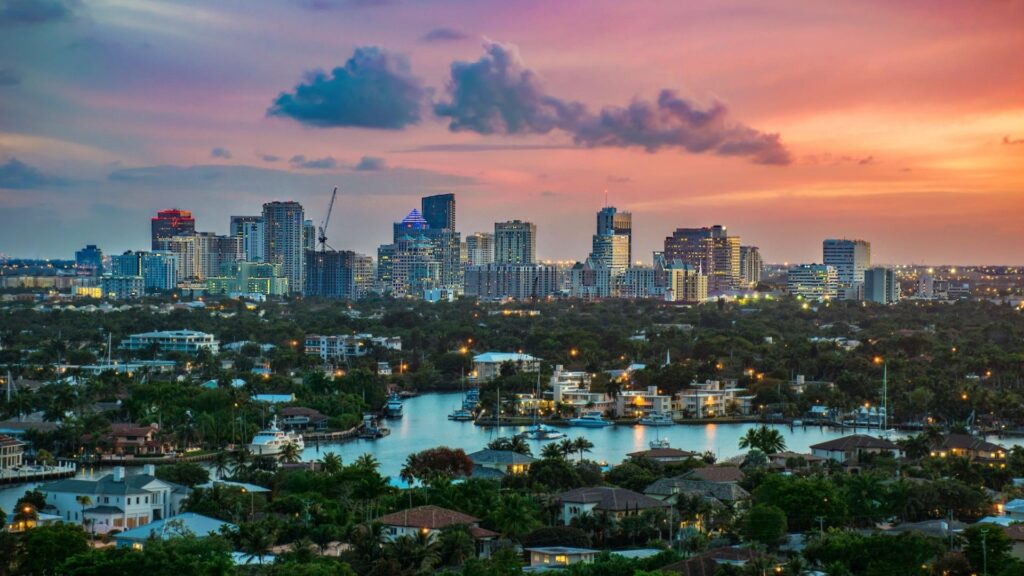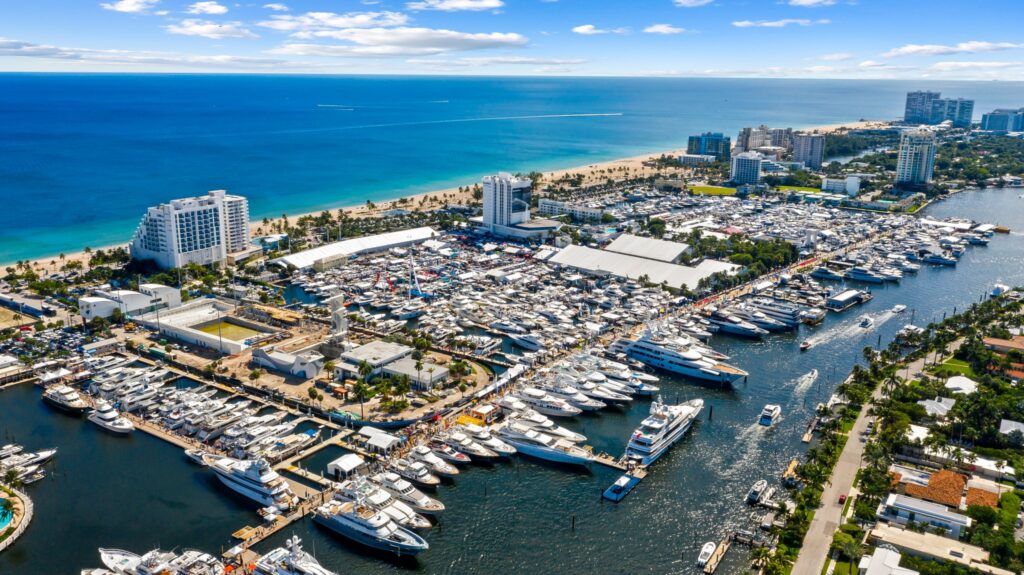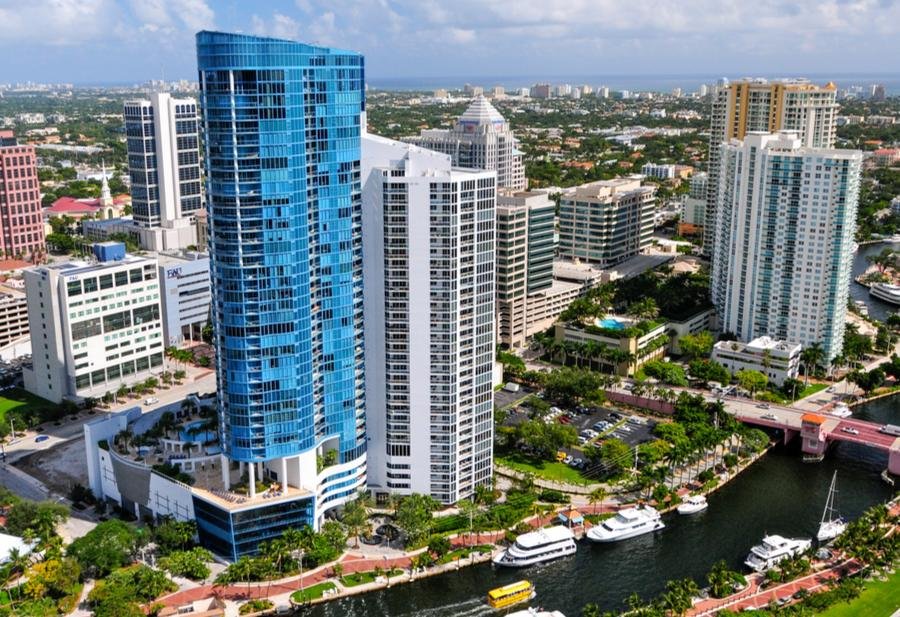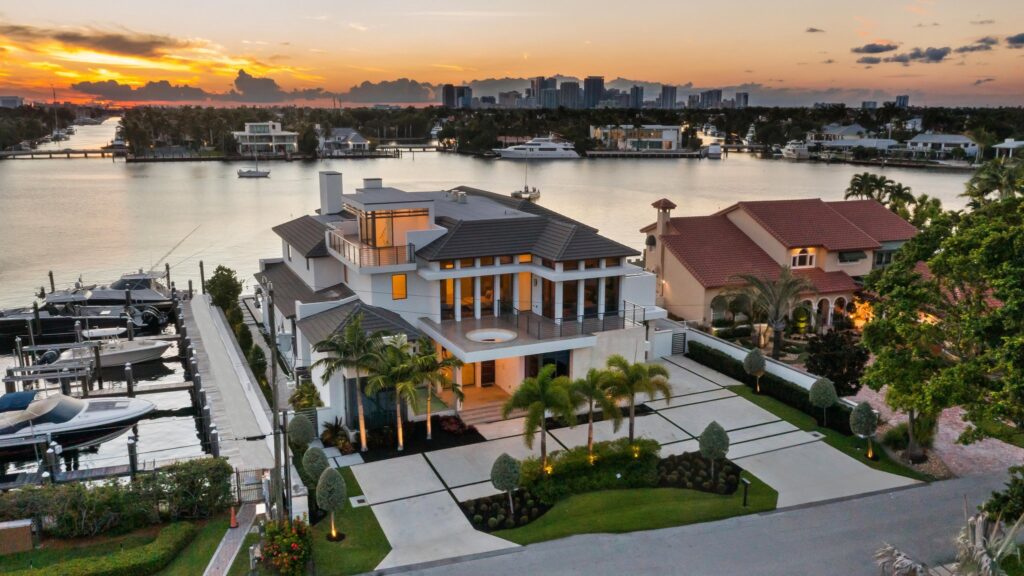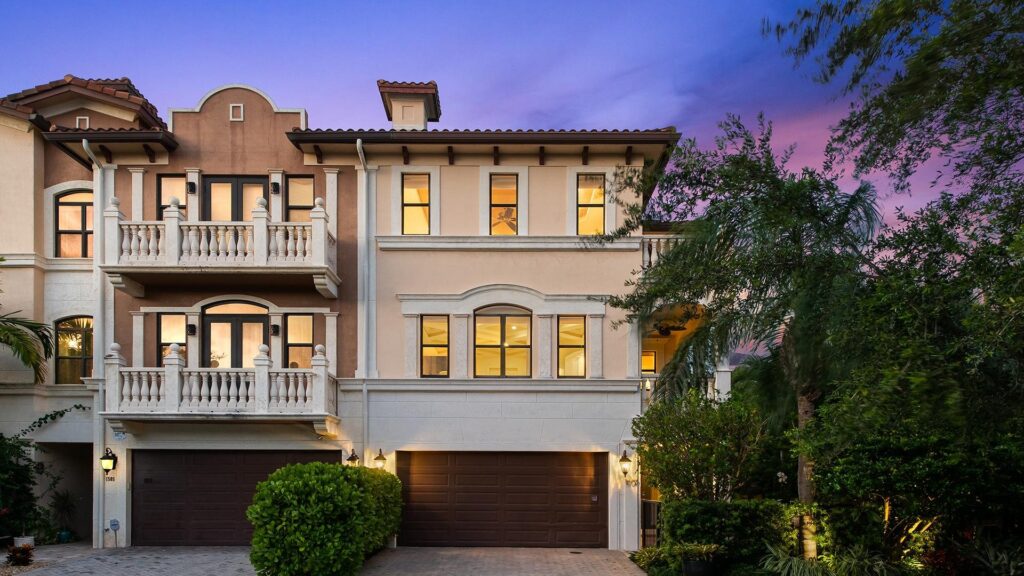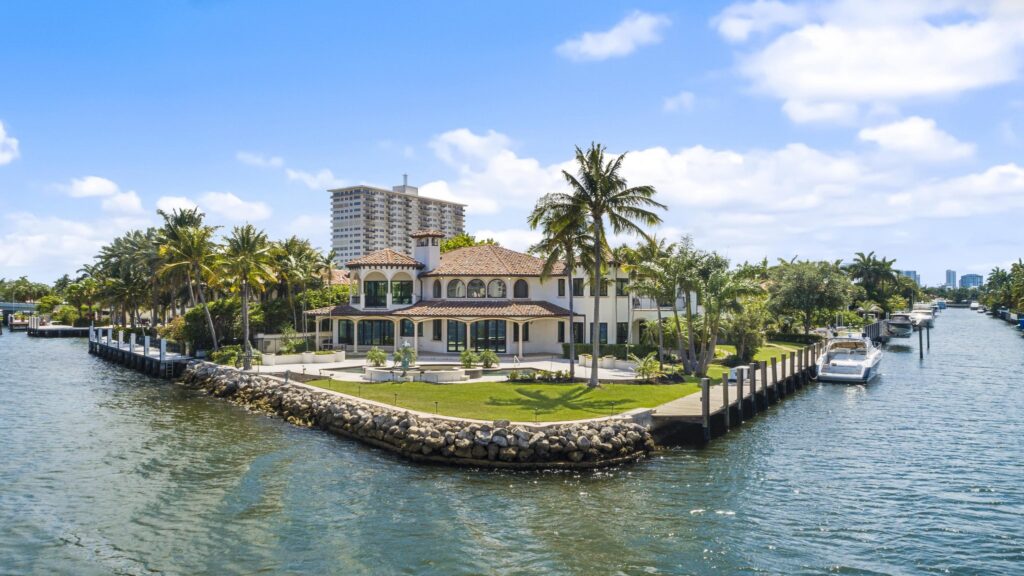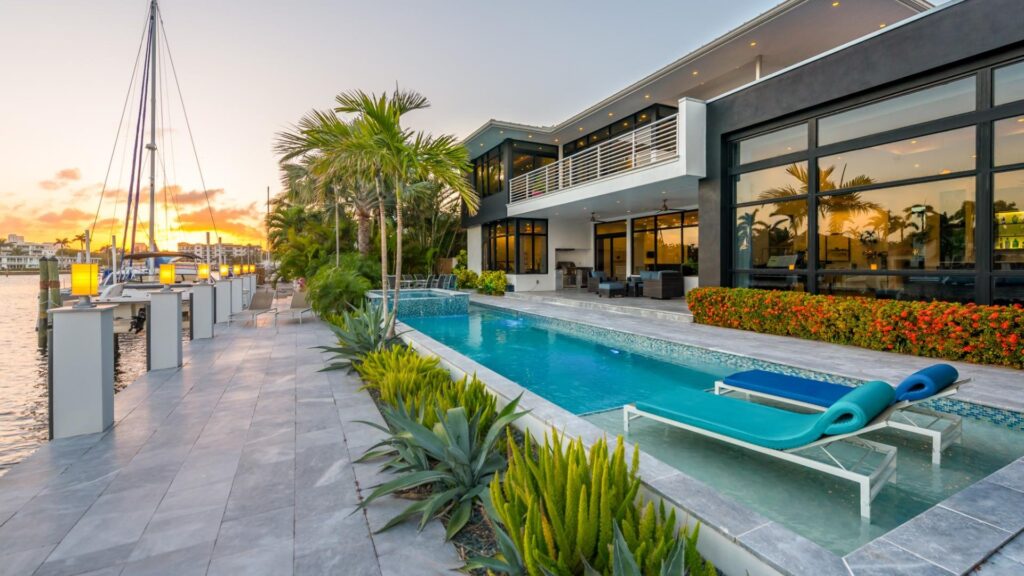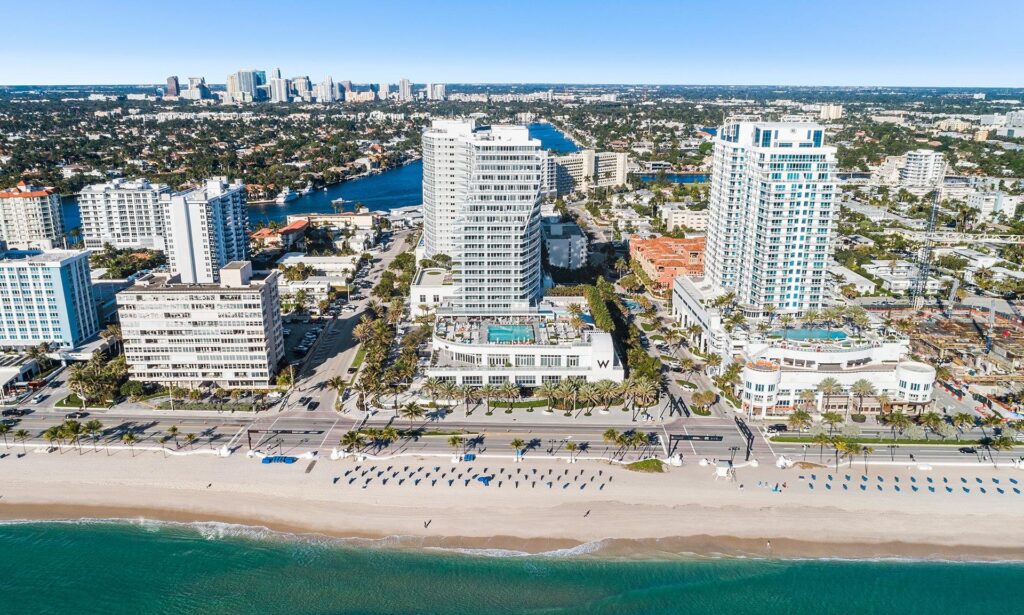
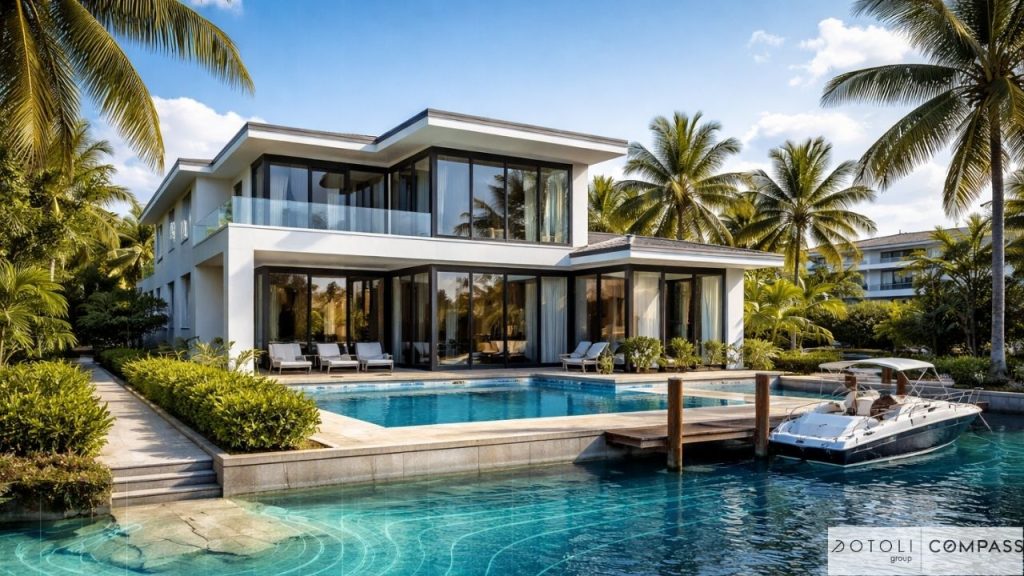

You’re standing in front of a beautiful home in Fort Lauderdale. The water is calm, the view is perfect, and everything feels right. But here’s the part most buyers don’t see:
That same water view could quietly add thousands of dollars to your annual ownership costs.
Flood zones aren’t just a technical detail buried in paperwork. They shape your insurance, your financing, and even how easy it will be to sell your home later. And in Fort Lauderdale, they matter more than most people realize.
Quick Answer
Flood zones in Fort Lauderdale are designations created by FEMA that indicate a property’s flood risk. They directly impact whether you need flood insurance, how much it costs, and the long-term safety of your investment. Buyers should always verify a property’s flood zone before purchasing to avoid unexpected expenses.
What Flood Zones Really Mean (Without the Confusion)
At its core, a flood zone is simply a way of answering one question:
👉 How likely is this property to flood?
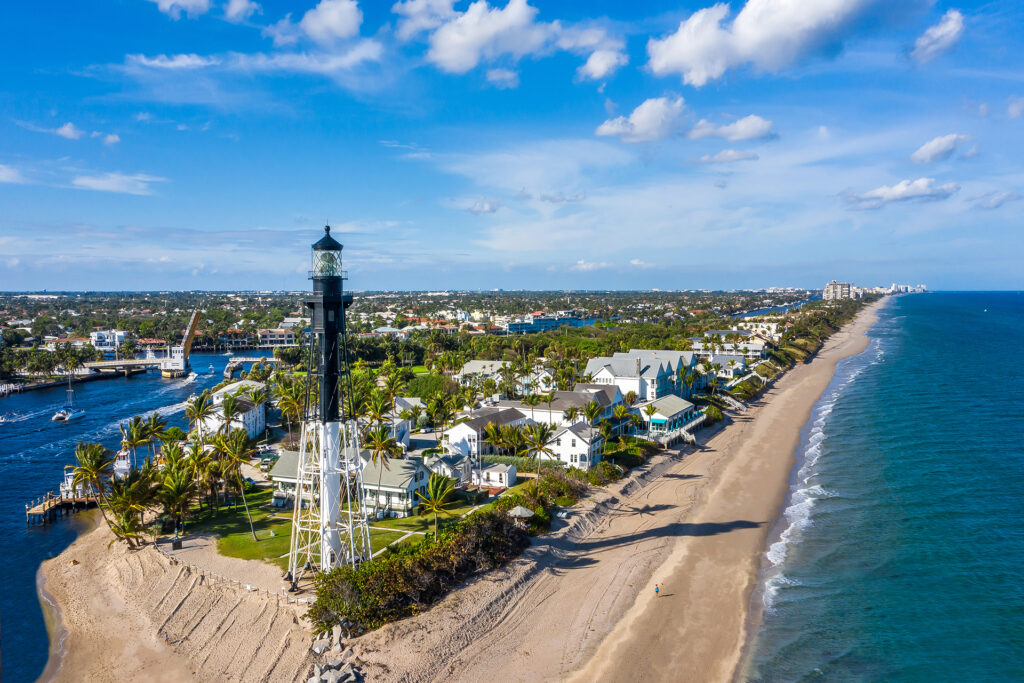
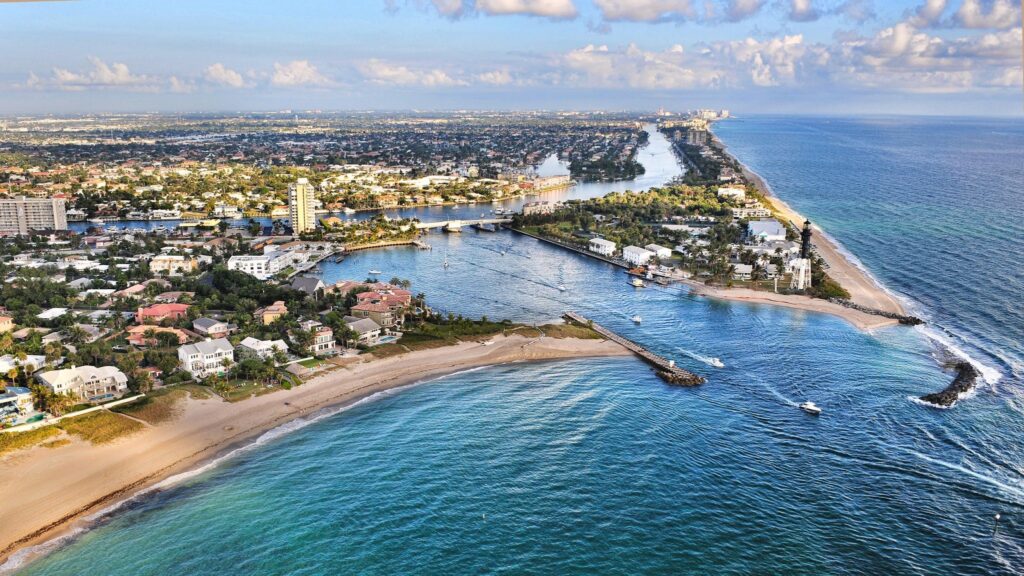
In a coastal city like Fort Lauderdale, that answer depends on a mix of factors, including proximity to the water, elevation, drainage systems, and storm patterns.
The important thing to understand is this:
Flood zones aren’t about whether a home will flood; they’re about risk levels over time. And those risk levels are what lenders and insurers care about.
The Three Flood Zones Buyers Should Actually Care About
Instead of getting lost in technical codes, focus on what these zones mean for your life and your wallet.
Zone AE: Where Most Buyers Start Asking Questions
This is one of the most common flood zones in Fort Lauderdale, where many waterfront homes sit.
Living here doesn’t mean constant flooding. In fact, many homes never experience serious issues. But from an insurance and lending perspective, it’s considered a higher-risk area.
That means:
- Flood insurance is usually required
- Costs are noticeably higher
- Elevation becomes extremely important
Buyers who understand these details often do just fine here. Those who ignore them usually regret it later.
Zone VE: The Premium View With a Trade-Off
These are the dramatic coastal properties that the kind people dream about.
But they are exposed to wave action and storm surge, putting them in the highest risk category.
Owning here often means:
- Strict building requirements
- Significantly higher insurance premiums
- Greater sensitivity to storms
For some buyers, the lifestyle is worth it. For others, the long-term cost doesn’t justify the view.
Zone X: Where Things Feel More Predictable
This is where many cautious buyers naturally feel more comfortable.
Flood risk is lower, which often means:
- Insurance is optional (but still recommended)
- Costs are more predictable
- Resale tends to be easier
It’s not completely risk-free, but compared to coastal zones, it offers more peace of mind.
The Real Reason Flood Zones Matter: Your Monthly Costs
Most buyers think about price, mortgage rates, and location.
But flood zones quietly add another layer of ongoing costs.
In Fort Lauderdale, the difference can be dramatic:
- A lower-risk property might cost a few hundred dollars a year in insurance
- A higher-risk home could cost several thousand annually
And here’s the catch: lenders often require flood insurance in higher-risk zones. So it’s not optional, it’s built into your monthly expenses.
Over time, that difference can add up to tens of thousands of dollars.
Insurance Isn’t Just About the Zone Anymore
While FEMA still defines the zones, pricing has evolved.
Today, insurers look at:
- Elevation relative to flood levels
- Property design and structure
- Distance from water
This means two homes on the same street can have very different insurance costs.
That’s why experienced buyers always ask for an elevation certificate, which tells the real story behind the price.
The Smart Buyer’s Move (Most People Skip This)
Before making an offer, take a step most buyers overlook: Check the flood zone and get an insurance estimate.
Not later. Not after closing. Before.
A quick check through FEMA maps, combined with a real insurance quote, can instantly tell you:
- Whether the deal makes sense
- If the home fits your budget long-term
- What risks are you actually taking on
This is one of the simplest ways to avoid a costly mistake.
Are There Safer Areas in Fort Lauderdale?
Yes, but they’re not always obvious. Some neighborhoods, just a few streets inland or slightly higher in elevation, can offer significantly lower flood risk without sacrificing location.
The challenge is that these differences aren’t always visible. Two homes can look identical, yet sit in completely different risk categories. That’s where local knowledge becomes incredibly valuable.
Should You Avoid Flood Zone Properties Altogether?
Not at all. In fact, some of the most desirable homes in Fort Lauderdale are in higher-risk zones.
The difference between a smart decision and a risky one comes down to understanding:
- The true cost of insurance
- The property’s elevation
- Your long-term plans
Buyers who go in informed often make great investments. Buyers who guess… usually learn the hard way.
Frequently Asked Questions
Do all homes in Fort Lauderdale require flood insurance?
No. Homes in lower-risk areas often don’t require it, but many owners still choose coverage for added protection.
What is the safest flood zone?
Zone X is generally considered the lowest-risk zone, making it appealing to buyers who want stability.
Can flood zones change over time?
Yes. FEMA updates maps periodically, which can shift a property’s classification.
Is buying in Zone AE a bad idea?
Not necessarily. Many buyers successfully purchase in Zone AE; it just requires careful cost and elevation evaluation.
How can I reduce flood insurance costs?
Choosing a higher-elevation home, reviewing elevation certificates, and comparing insurance providers can significantly lower premiums.
Work With Experts Who See What Others Miss
Buying in Fort Lauderdale isn’t just about finding a beautiful home; it’s about understanding what comes with it.
At DOTOLI Group, we help buyers look beyond the surface:
- We break down flood risks in simple terms
- We identify opportunities others overlook
- We help you avoid expensive surprises
If you’re considering buying in Fort Lauderdale, make sure you’re working with a team that understands not just the market but the details that protect your investment.