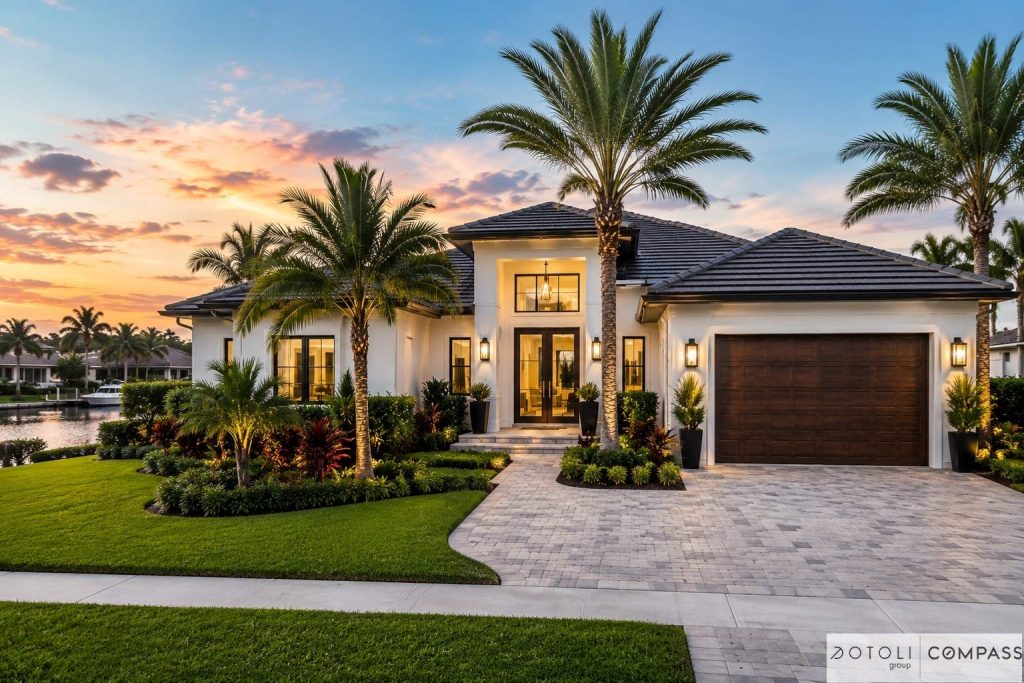

Yes, single-family homes in Fort Lauderdale are a solid investment in 2026, particularly for buyers with a 3–7-year hold horizon. Limited inventory, strong rental demand, continued wealth migration into South Florida, and Florida’s tax advantages make the long-term hold case compelling.
Single-family homes in Fort Lauderdale continue to attract serious investors in 2026, and the data support this interest. The South Florida market has shifted since the pandemic peak, but Fort Lauderdale’s structural advantages haven’t.
If you’re evaluating whether to buy now or wait, this guide breaks down what the market actually looks like, where the opportunity lies, and the real risks.
Single-family Homes in Fort Lauderdale
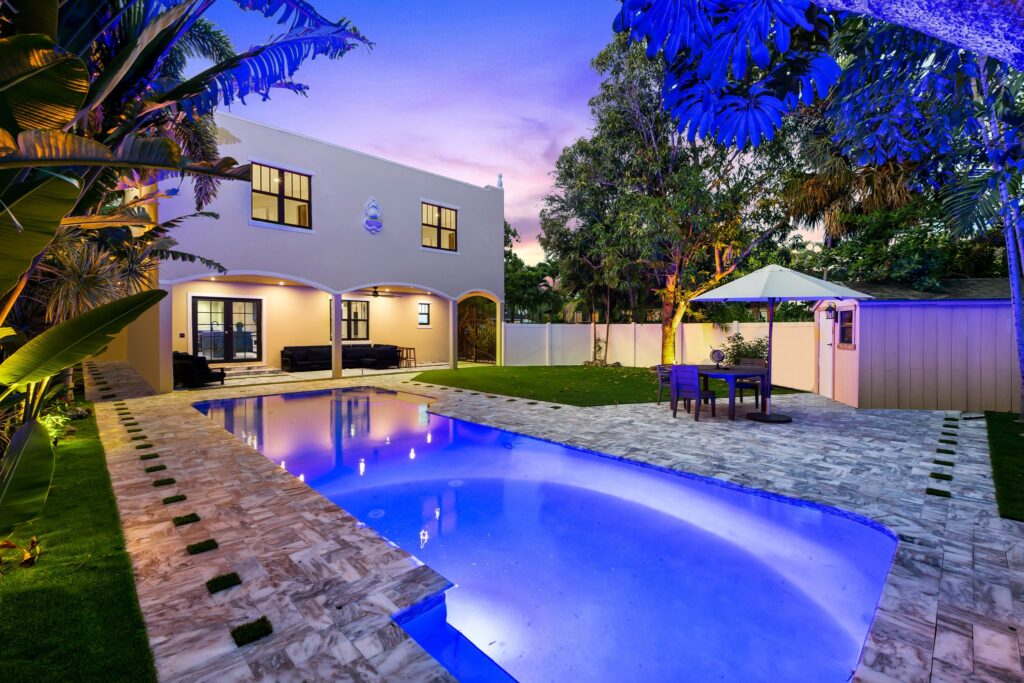
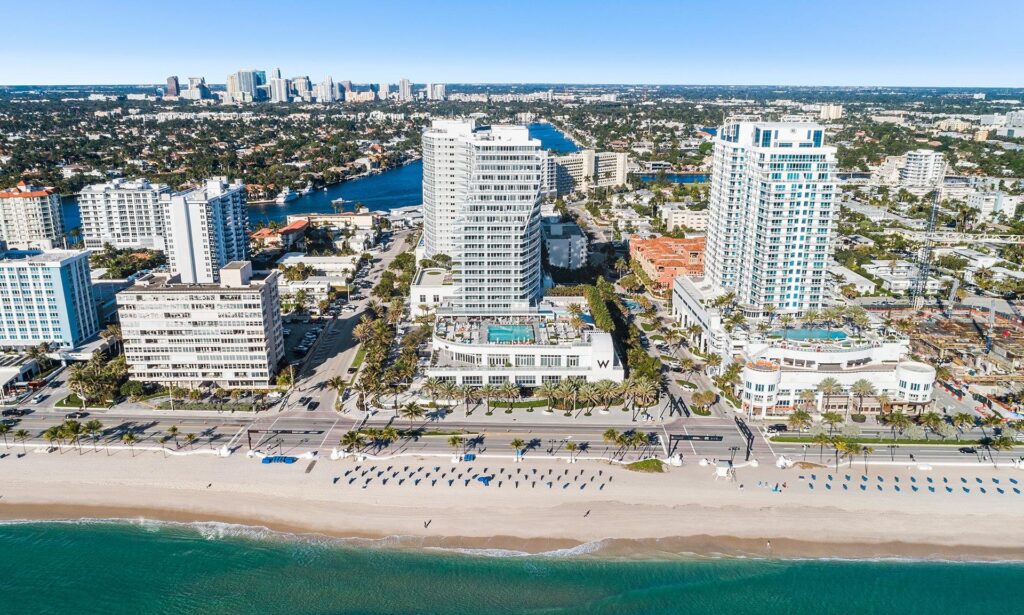
Single-family homes in Fort Lauderdale remain a strong investment in 2026 for buyers with a medium- to long-term horizon. Limited housing inventory, sustained demand from domestic and international buyers, no state income tax, and Fort Lauderdale’s continued infrastructure growth all support property values.
Rental demand is also high, making these homes attractive for both appreciation and income strategies. That said, rising insurance costs and higher price points require careful due diligence before committing.
Why Fort Lauderdale’s Single-Family Market Still Has an Edge
Fort Lauderdale isn’t just another Florida market riding a post-pandemic wave. It has structural advantages that keep demand durable even when the broader real estate market cools.
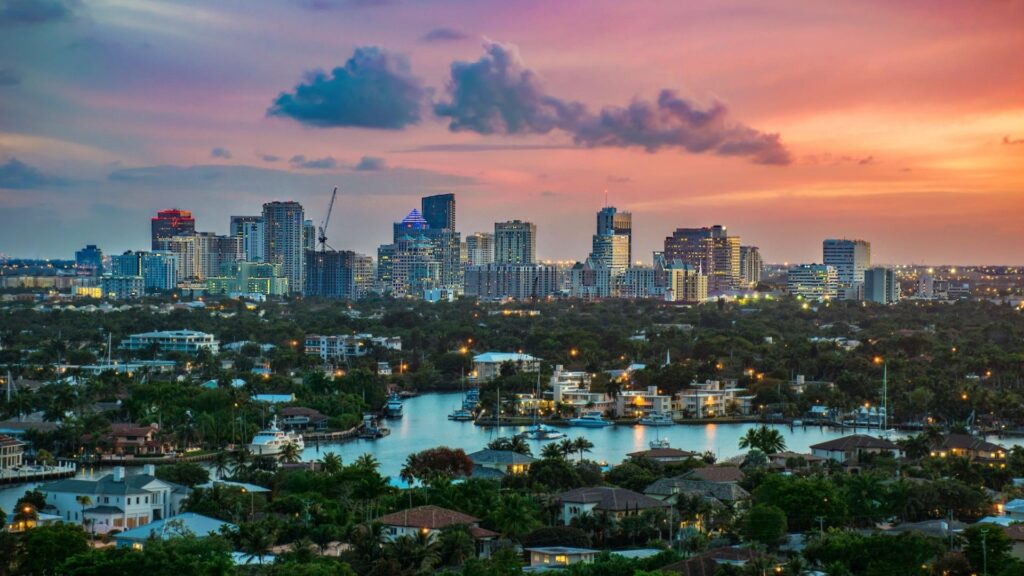
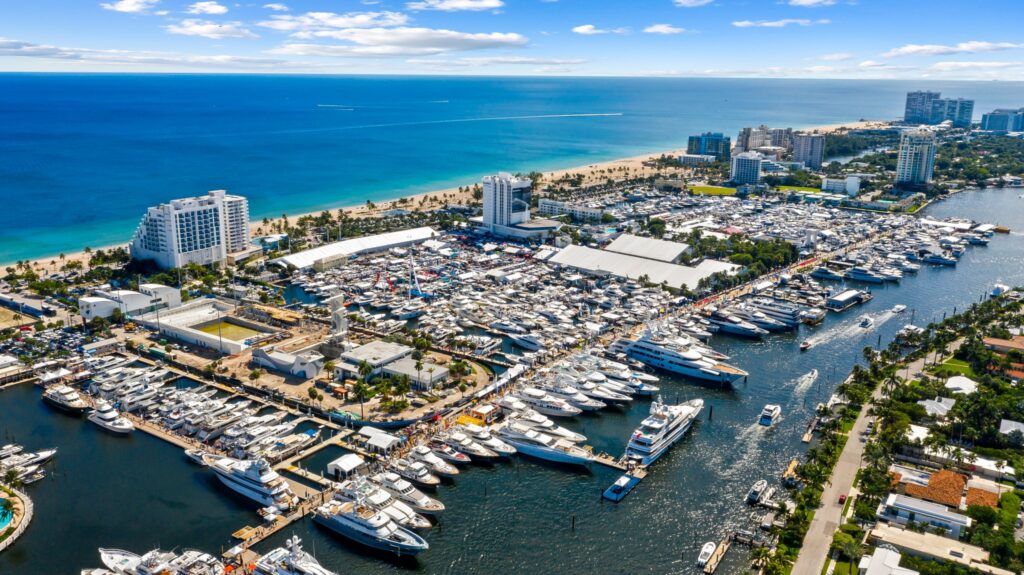
The city sits in Broward County, wedged between Miami-Dade and Palm Beach, giving it geographic and economic leverage that smaller South Florida markets don’t have. P
Fort Lauderdale-Hollywood International Airport, the Everglades, and a growing base of tech and finance professionals bring a consistent stream of high-income buyers and renters into the market year over year.
Florida’s tax environment matters too. With no state income tax and no estate tax, Fort Lauderdale continues to attract wealth migration from high-tax states like New York, California, and Illinois. That steady inflow of buyers, many paying cash or carrying large down payments, keeps price floors firm even when mortgage rates are elevated.
What the 2026 Market Actually Looks Like for Single-Family Homes
Fort Lauderdale’s single-family inventory remains historically constrained. Unlike new condo towers that can add supply quickly, single-family homes in established neighborhoods like Victoria Park, Coral Ridge, Rio Vista, and Harbor Beach are essentially fixed in number. You can’t build more land in a waterfront city.
Median single-family home prices in Fort Lauderdale range from approximately $700,000 to $1.2M, depending on the neighborhood, according to current Broward County MLS data. Waterfront and boating-access properties command significant premiums.
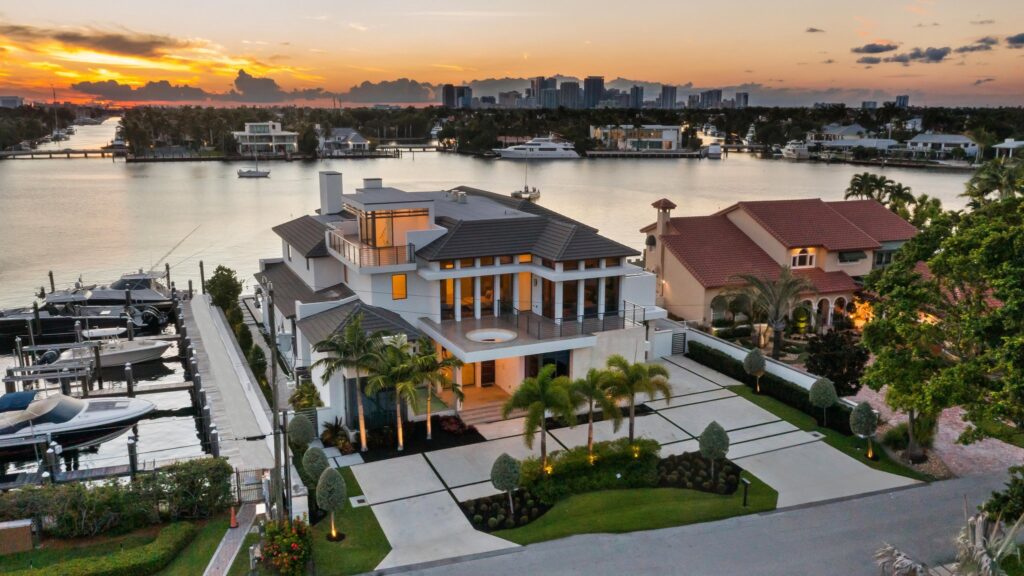
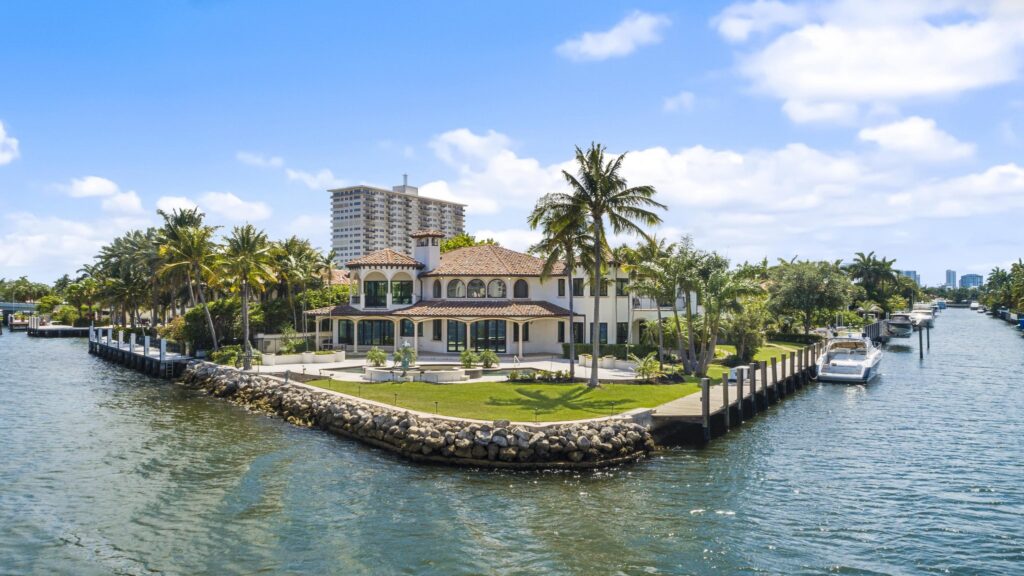
Homes with direct Intracoastal or canal access in Coral Ridge and Las Olas Isles routinely trade at $2M and above, with top-tier estates pushing into the $4M–$6M+ tier.
Days on market have stretched compared to the frenzied 2021–2022 period, with well-priced homes now averaging 45 to 90 days before going under contract, according to recent Broward MLS tracking. For an investor, that extended window creates real negotiating leverage, something that didn’t exist two years ago.
Is a Single-Family Home in Fort Lauderdale Good for Rental Income?
Fort Lauderdale’s rental market is tight. Vacancy rates for single-family homes remain low, driven by demand from relocating professionals, seasonal residents, and families who can’t yet afford to buy amid current interest rates.
A well-located 3–4 bedroom single-family home in neighborhoods like Wilton Manors, Tarpon River, or the edges of Flagler Village can generate gross monthly rents in the $3,500–$6,000 range, depending on condition and amenities, based on current Zillow and Rentometer data for Broward County.
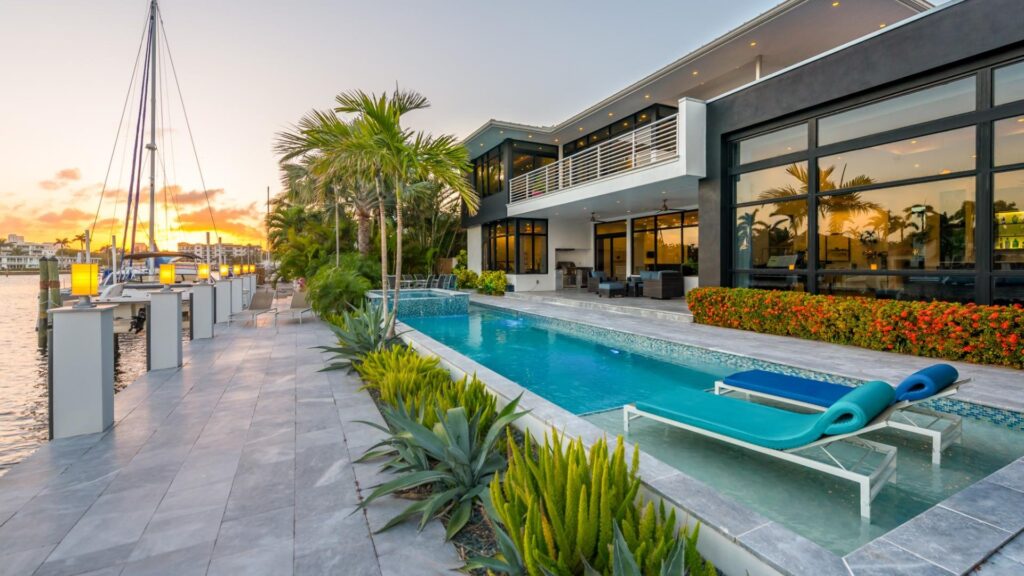
Waterfront homes with pool access command considerably more, particularly for seasonal or short-term rentals in areas where STR permits are allowed.
The cash-flow math will be tight if you’re financing at current rates. But the long-term appreciation story and the tax advantages of the mortgage interest deduction, depreciation, and 1031 exchange eligibility make the hold strategy compelling for investors with a longer time horizon.
Where in Fort Lauderdale Should You Focus?
Not every neighborhood carries the same investment logic. Location selection is critical, and here’s how the key submarkets break down:
Victoria Park
It remains one of Fort Lauderdale’s most desirable non-waterfront neighborhoods, with walkability to Las Olas Boulevard, strong home values, and consistent buyer demand. Single-family homes here hold value well and appeal to both owner-occupants and long-term tenants.
Coral Ridge
Fort Lauderdale’s premier waterfront single-family neighborhood, with wide lots, deep-water canal access, and proximity to the beach, makes it one of the most resilient luxury submarkets in all of South Florida. Entry-level homes here start around $1.5M; established waterfront estates climb significantly higher.
Rio Vista and Nurmi Isles
They offer a quieter, more residential feel with strong appreciation track records and a loyal buyer base. Properties here rarely sit on the market long once properly priced.
Tarpon River and Sailboat Bend
Represent value-play opportunities closer to downtown Fort Lauderdale, with improving infrastructure and a younger buyer demographic driving gradual price increases. These neighborhoods offer lower entry points with solid upside for patient investors.
What Are the Real Risks of Investing Here in 2026?
Any honest answer has to include the risks, and Fort Lauderdale has a few worth naming.
Homeowners Insurance
It is the biggest wildcard. Florida’s property insurance market has contracted significantly; several carriers have exited the state, and premiums for single-family homes, especially older builds or those in flood zones, can be substantial.
Budget $8,000–$20,000+ annually, depending on the home’s age, location, and flood risk classification. This is a real carrying cost that needs to be factored into your underwriting before you make an offer.
Interest Rate Sensitivity
It’s real if you’re financing. At current rates, cash-on-cash returns are compressed. Investors who bought in 2020–2021 at 3% are in a fundamentally different position than new buyers today. That doesn’t make the investment wrong; it makes entry price and financing structure more important than ever.
Climate and Flood Zone
Exposure is increasingly being priced into properties in lower-lying areas. FEMA flood map updates can significantly shift insurance costs, and buyers should always commission an elevation certificate and review current FIRM maps before purchasing near water.
What Separates a Good Fort Lauderdale SFH Investment from a Bad One
The difference between a smart single-family investment and an expensive mistake in Fort Lauderdale comes down to three factors:
1. Neighborhood Trajectory
Is the buyer demand rising or flat in this submarket? Are infrastructure improvements, rezoning activity, or demographic shifts working in your favor? Victoria Park and Coral Ridge have durable demand. Some Inland neighborhoods don’t.
2. Structural Condition
Deferred maintenance on a Florida home compounds quickly. Roof, AC system, plumbing, and hurricane-impact windows all carry real replacement costs. A pre-offer inspection from a licensed Florida inspector is non-negotiable, not optional.
3. Insurance Cost Certainty
Get actual insurance quotes before you close, not after. A home that pencils beautifully at $9,000/year in insurance looks very different at $18,000. Flood zone classification, roof age, and home construction type all affect what you’ll pay, and that number can make or break your returns.
A home that scores well across all three factors in a rising neighborhood, is structurally sound, and has predictable insurance costs, is a Fort Lauderdale investment worth making. One that fails on any of these deserves a hard look before you proceed.
FAQ’s
Are single-family homes in Fort Lauderdale a good investment right now?
Yes, for buyers with a medium- to long-term hold strategy. Fort Lauderdale’s constrained single-family inventory, continued wealth migration from high-tax states, and strong rental demand support both appreciation and income potential.
The market is more buyer-friendly than it was in 2021–2022, meaning there’s more negotiating room on price and terms than buyers have had in years.
How much does a single-family home cost in Fort Lauderdale in 2026?
Prices vary significantly by neighborhood. Entry-level single-family homes in inland areas start around $550,000–$700,000.
In desirable neighborhoods like Victoria Park or Tarpon River, expect $800,000–$1.3M. Waterfront homes in Coral Ridge, Rio Vista, or Nurmi Isles typically range from $1.5M to $6M+, depending on lot size, waterfrontage, and dock access.
Can I rent out a single-family home in Fort Lauderdale?
Yes, and rental demand is strong. Fort Lauderdale allows long-term rentals throughout the city. Short-term rentals are subject to local regulations and require a Business Tax Receipt, which confirms compliance with current city ordinances and zoning before purchasing with STR income in mind.
Long-term rentals in well-located neighborhoods generate stable, consistent returns with low vacancy risk.
What’s the highest price to watch out for when buying a single-family home in Fort Lauderdale?
Homeowners insurance, particularly wind and flood coverage, is the single biggest variable most buyers underestimate. Depending on the home’s age, location, and flood zone classification, annual insurance costs can range from $8,000 to $20,000 or more.
Always get insurance quotes before closing, not after. This number should be part of your investment underwriting from day one.
Investing in a Fort Lauderdale Single-Family Home
If you’re serious about investing in a Fort Lauderdale single-family home in 2026, the next step is working with an agent who knows these neighborhoods at the street level, who can tell you which properties are priced right, which blocks have appreciation momentum, and where the insurance risk is actually manageable.
The Dotoli Group specializes in luxury and investment real estate in Fort Lauderdale. Whether you’re targeting a waterfront estate in Coral Ridge, a high-demand rental in Victoria Park, or a value-add opportunity near downtown, Josh DOTOLI and the team can walk you through what’s on the market and what makes sense for your specific goals.
Connect with us and start with a conversation, not a commitment.