

Yes, home prices in Fort Lauderdale are still negotiable in 2026, but the conditions that create leverage are specific. Negotiation works when a property is overpriced relative to its micro-market, has been sitting longer than comparable active listings, or carries a condition or financing obstacle that limits the buyer pool.
It does not work on turn-key homes priced accurately in high-demand neighborhoods, where multiple offers remain common.
The difference between those two scenarios depends on the specific property and street you are looking at, not the Fort Lauderdale market as a whole.
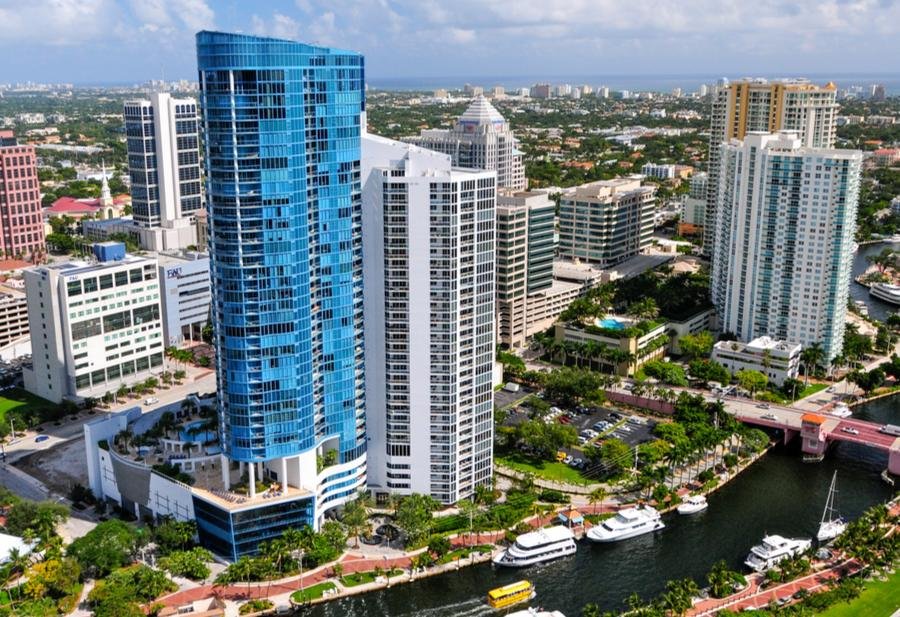
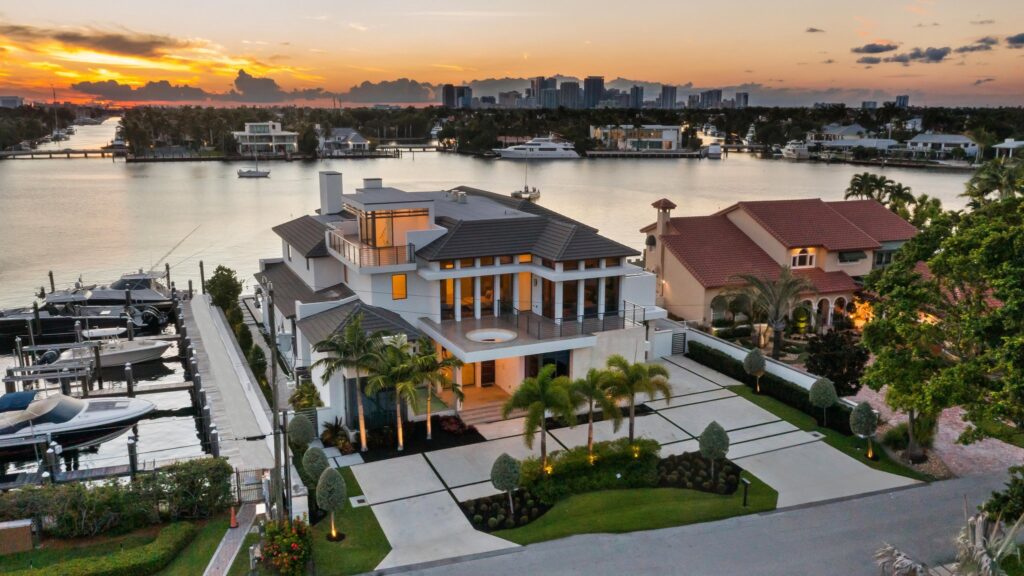
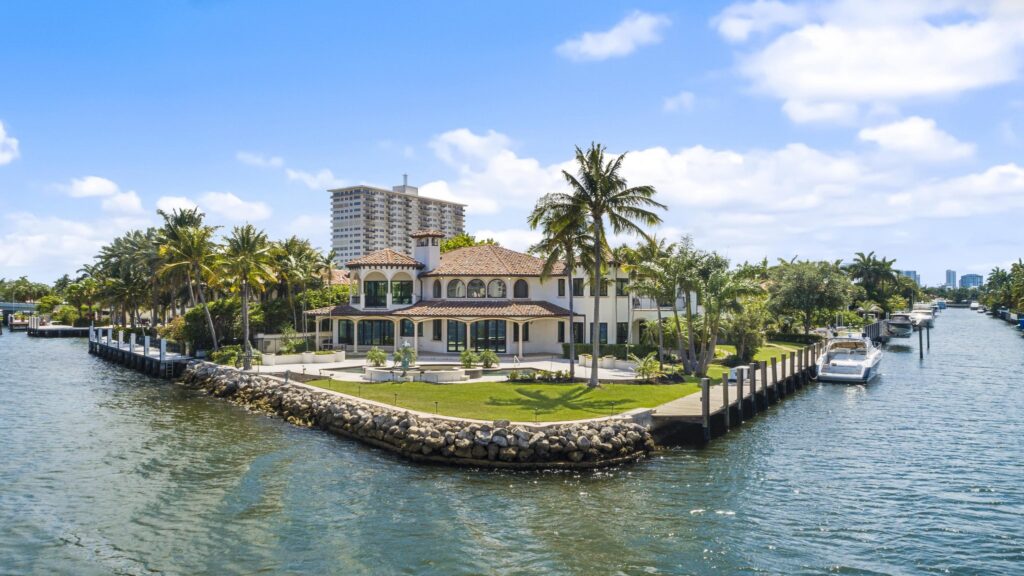
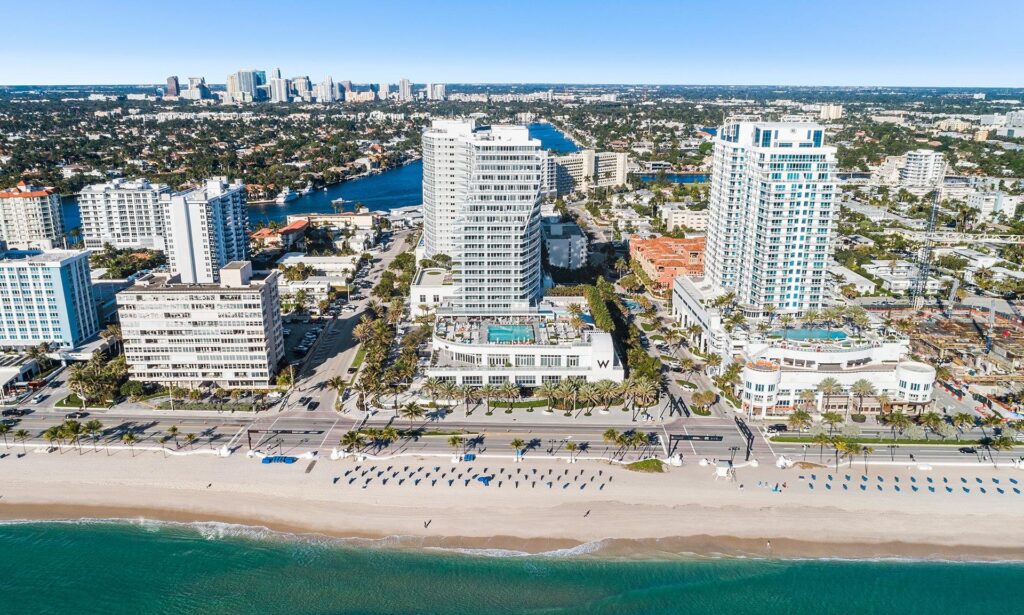
Why Fort Lauderdale Operates as Multiple Markets, Not One
Broward County’s median home price reached $620,000 in Q1 2026, reflecting 59% appreciation over five years according to Florida Realtors. That number describes the county. It doesn’t describe what is happening on a given street in Victoria Park versus a canal-front lot in Rio Vista versus a condo on the beach corridor.
Fort Lauderdale’s residential market divides into micro-markets by neighborhood, property type, price tier, and condition.
A buyer applying the same negotiation posture to every property they tour will either leave money on the table in segments where sellers hold leverage or miss properties entirely in segments where hesitation gets them outbid. The buyers who negotiate well here come in knowing which segment they are in before they make an offer.
The shift from the 2021-2022 peak is real but uneven. Bidding wars with no contingencies and offers $50,000 over asking are no longer the default in most price ranges.
Buyers today are more willing to walk away, inspection periods are being used rather than waived, and sellers in certain segments are reducing prices after 30-plus days on the market. That does not mean the market is soft. It means leverage is available in specific places if you know where to look.
Where Buyers Have Real Negotiation Leverage
Properties priced above their micro-market comparables are the clearest opportunity. When a seller prices based on peak 2022 comps or on what a neighbor sold for before interest rates moved, the gap between the ask and current buyer capacity creates room.
The signal is simple: if a home has been on the market longer than the median days on market for its specific neighborhood and price tier, the pricing is wrong. That is a negotiating position.
Extended days on market tell you something the listing agent will not. A home that has been active for 45 or 60 days in a neighborhood where comparable homes are moving in 20 to 30 days has a problem. Sometimes it is price. Sometimes it is condition.
Sometimes it is a structural issue that showed up in a previous buyer’s inspection. All three create leverage because the seller has now watched multiple buyers walk. Their willingness to negotiate is different on day 60 than it was on day one.
Condos with HOA financial or regulatory friction are a specific category where buyer leverage has increased in 2026. Florida’s Condo Safety Act and tightened reserve requirements following the Surfside collapse have created uncertainty around older condo buildings.
Special assessments, deferred maintenance, and reserve funding shortfalls are shrinking the qualified buyer pool for certain buildings, giving buyers who can navigate those conditions more room on price. Not all condos carry this friction, but when they do, it is a genuine negotiating position.
Homes that need updates or repairs are priced for buyers willing to take on work. Buyers who negotiate well on these properties arrive with contractor quotes, not vague estimates.
A seller who has already priced in a $40,000 kitchen update will respond differently to a buyer who shows up with a $38,000 contractor estimate than to a buyer who asks for a $40,000 credit with no documentation. Specificity creates leverage. Guesses do not.
Where the Market Pushes Back
Turn-key homes priced accurately in established Fort Lauderdale neighborhoods continue to attract multiple offers.
Las Olas Isles, Seven Isles, and the better streets of Rio Vista have consistent demand from buyers relocating from high-tax states who have researched Florida’s 0% income tax advantage and are prepared to move quickly on the right property.
Those buyers don’t negotiate hard on well-priced inventory because they know hesitation in that segment costs them the property.
What Negotiation Looks Like in Practice in 2026
The buyers who negotiate most effectively in Fort Lauderdale today are not the ones who offer the lowest price. They are the ones who come in with the most precise information.
That means knowing the last three comparable sales within a quarter mile, knowing the subject property’s days on market relative to its micro-market median, and knowing what the inspection is likely to surface before the inspection happens.
Price is one lever. Terms are often more powerful. In competitive segments, a seller who receives two offers at similar prices will choose the one with fewer contingencies, a faster close, or flexibility on the possession date.
Asking for a closing cost credit rather than a price reduction achieves the same net result for the buyer while being easier for the seller to accept because it does not affect their reported sale price.
For a full breakdown of how the purchase process works under Florida contract law, including the 15-day inspection period and FAR/BAR As-Is terms, see the Fort Lauderdale home buying process guide.
Understanding which lever to pull in which situation is the difference between a successful negotiation and a failed one.
Frequently Asked Questions
Are sellers accepting below-asking offers in Fort Lauderdale in 2026?
Yes, in specific conditions. Sellers are accepting below-ask on properties that are overpriced relative to recent comparable sales, have been on the market longer than the neighborhood median, or carry condition issues that reduce the qualified buyer pool.
Well-priced homes in high-demand neighborhoods aren’t accepting material reductions because they don’t need to. The micro-market the property sits in matters more than any broad market trend.
Should buyers negotiate on price or terms in Fort Lauderdale right now?
Both levers exist, but terms are often more effective in competitive segments. A seller receiving multiple offers will frequently accept a slightly lower net price from a buyer offering fewer contingencies, a faster close, or a flexible possession date over a higher price with a long list of demands.
In less competitive segments where the property has been sitting, price reduction and inspection credits are both viable. Knowing which segment you are in before making the offer determines which approach to use.
Does waiting for price drops give buyers more leverage?
Not reliably. A price drop after 60 or 90 days on the market increases visibility and can attract additional competing buyers, reducing the leverage the longer days on market had created. Borrowing costs during the wait period offset a portion of any price reduction.
Leverage in the Fort Lauderdale market comes from identifying properties where pricing and buyer pool are misaligned, not from timing a market-wide correction that may or may not materialize.
How do buyers identify overpriced homes in Fort Lauderdale?
Compare the property to closed sales within a quarter mile in the same neighborhood, same property type, and similar condition within the last 90 days.
If the ask is materially above those comps and the property has been active longer than comparable listings, it is overpriced for its micro-market. Days on market relative to the neighborhood median is the most reliable signal available without access to full MLS data.
Stop Guessing. Start Negotiating With the Right Data.
Every Fort Lauderdale buyer has the same question: is this price negotiable? The answer depends on comparables, days on market, property condition, and which neighborhood micro-market you are in. Without that data, you are guessing. With it, you know before you make the offer whether you have leverage and how much.
The Dotoli Group has closed over $1 billion in Fort Lauderdale transactions and is ranked #1 Fort Lauderdale Large Team by RealTrends Verified 2026 (realtrends.com). The team runs the comparable analysis, identifies the leverage, and structures the offer to match the specific situation.
Contact the Dotoli Group before your next offer. Know what the market says before the seller does.