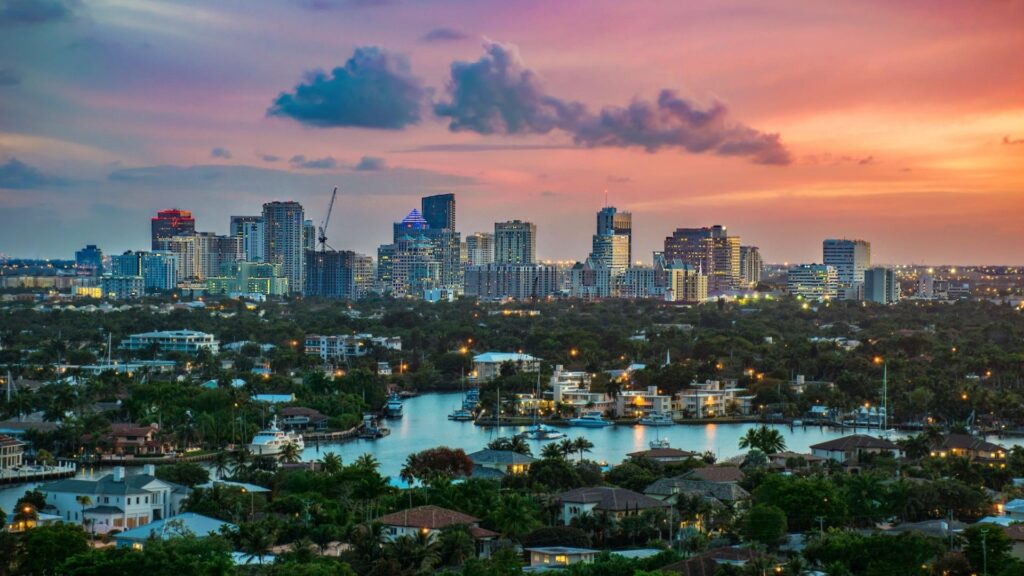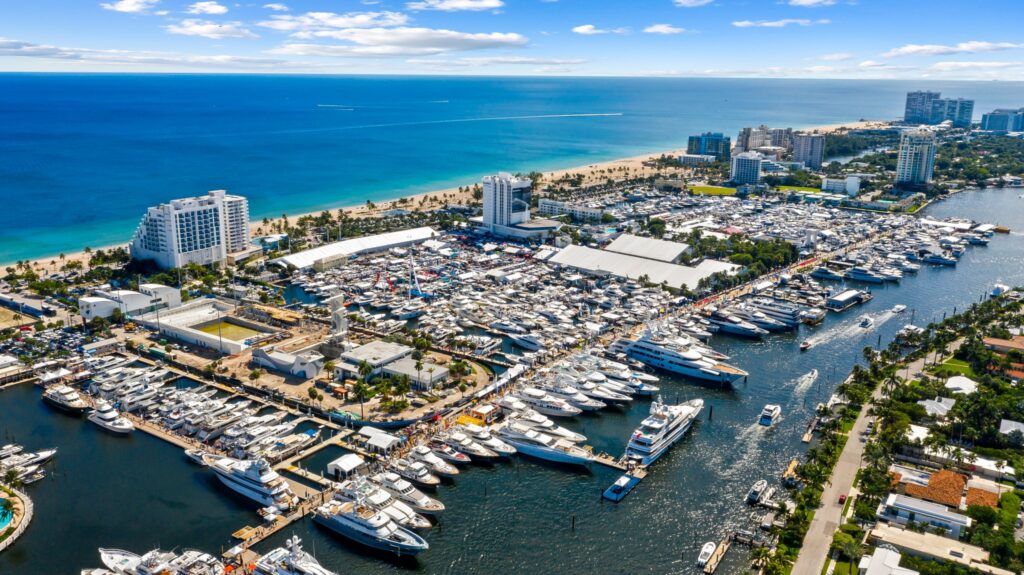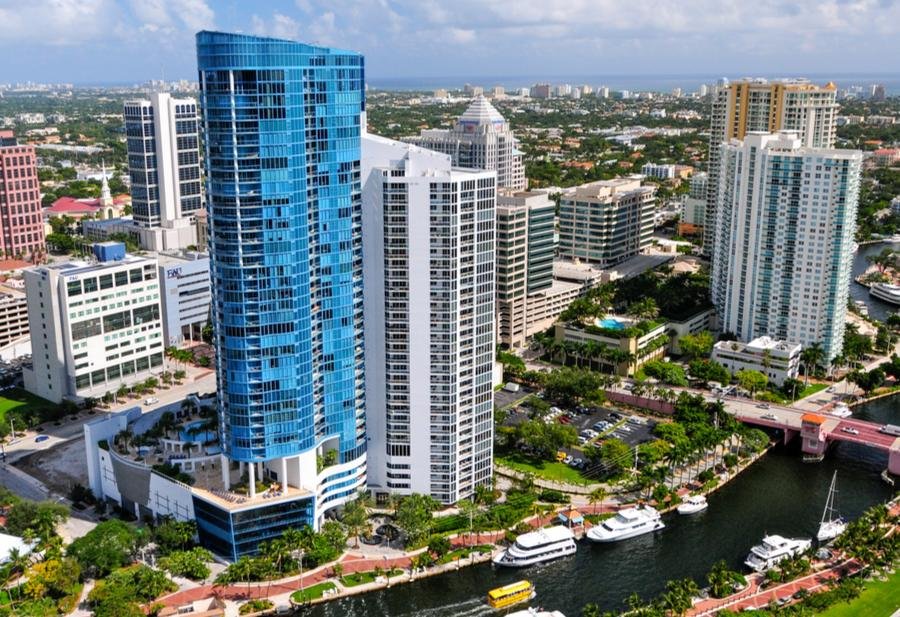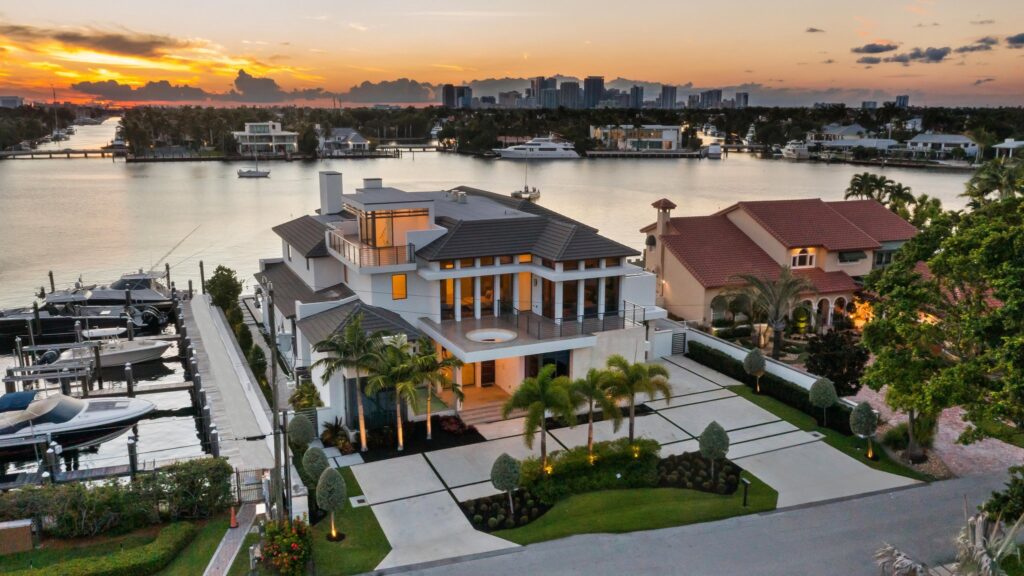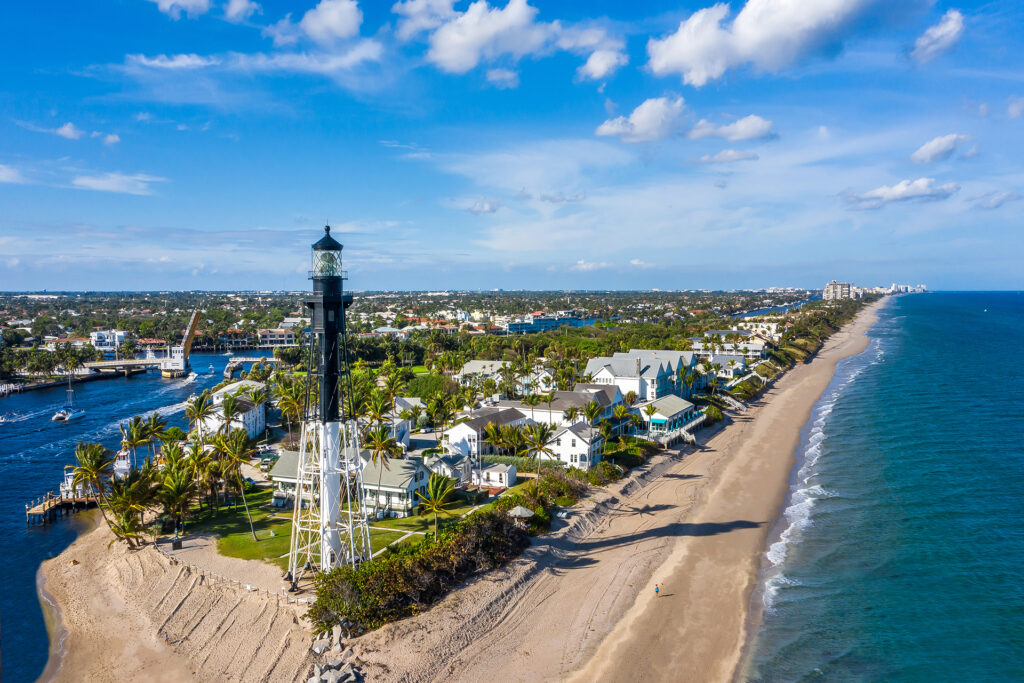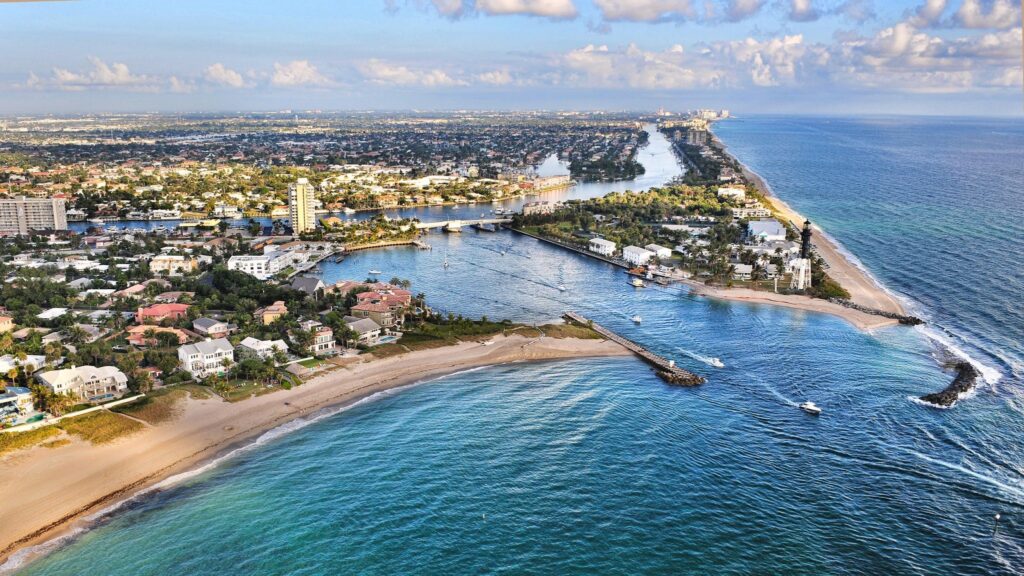
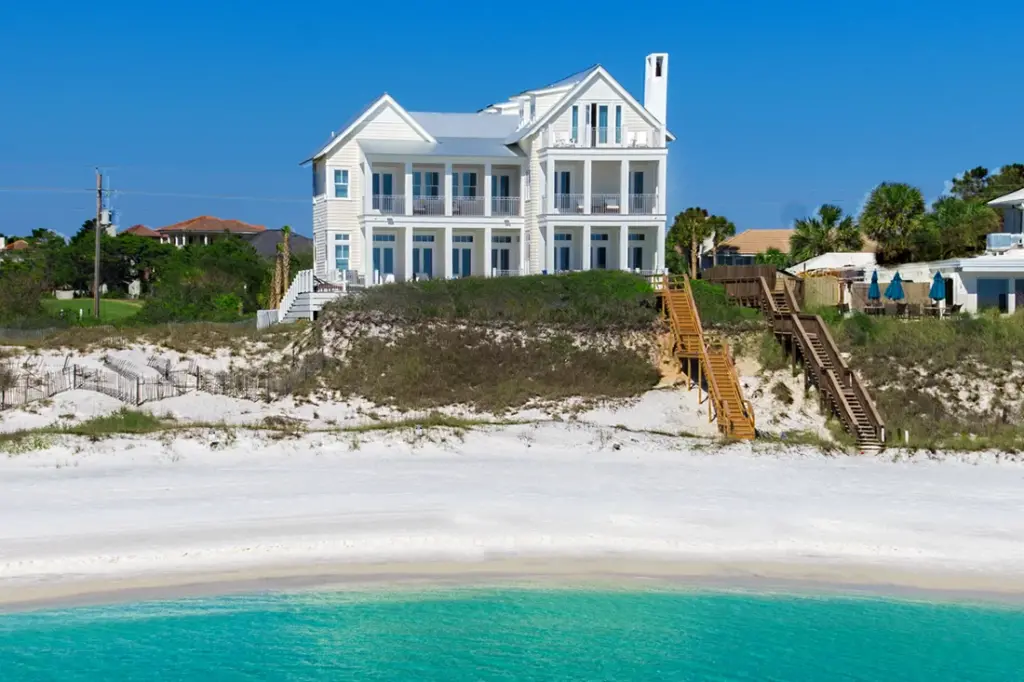

Beachfront property in Fort Lauderdale has produced a median short-term rental revenue of $55,000 per property over the past year, with average occupancy around 68% (Source: Airbtics).
That makes it one of the more reliable coastal markets in Florida for investors, but the right outcome still depends heavily on location, property type, and management. Here’s what to know before buying beachfront property in Fort Lauderdale as an investment.
What Makes Fort Lauderdale Beachfront Property a Strong Investment?
Fort Lauderdale combines year-round tourism demand, direct beach access along a compact stretch of coastline, and strong appreciation in waterfront neighborhoods. Unlike many seasonal Florida markets, Fort Lauderdale draws visitors and renters in both winter and summer, which helps keep occupancy more consistent across the year.
How Much Rental Income Can Beachfront Property Generate in Fort Lauderdale?
Based on recent data, a typical short-term rental in Fort Lauderdale generates around $55,000 in annual revenue at an average daily rate of $213 and 68% occupancy (Source: Airbtics). Beachfront and A1A-corridor properties tend to perform at or above this average during peak winter months, when rates can climb significantly higher than the yearly average.
What Should You Consider Before Buying Beachfront Property in Fort Lauderdale?
The biggest factors are location relative to the beach, building age and condition (especially for condos, given Florida’s post-Surfside structural inspection requirements), HOA or condo association fees, and whether short-term rentals are permitted by the building or municipality.
Flood insurance and windstorm coverage costs should also be factored into your numbers before assuming a rental income figure is pure profit.
Where Are the Best Fort Lauderdale Areas for Beachfront Investment?
Different areas suit different investment strategies. The table below compares the main options at a general level:
| Area | Best For | What to Expect |
|---|---|---|
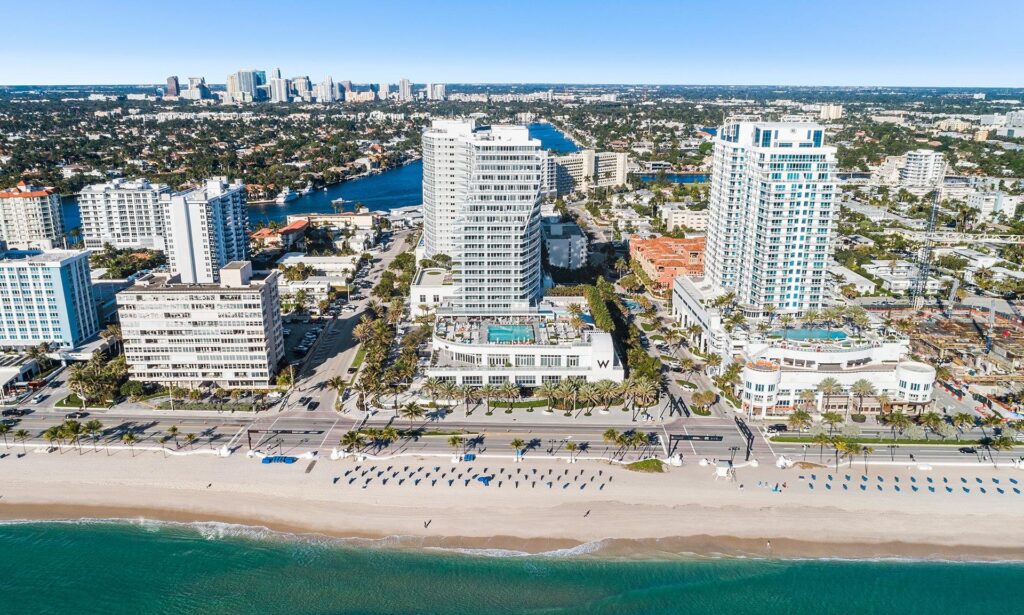
| Fort Lauderdale Beach / A1A | Maximum rental demand, walkable to beach | Highest entry prices, strongest short-term rental appeal, often higher HOA fees in condo buildings |
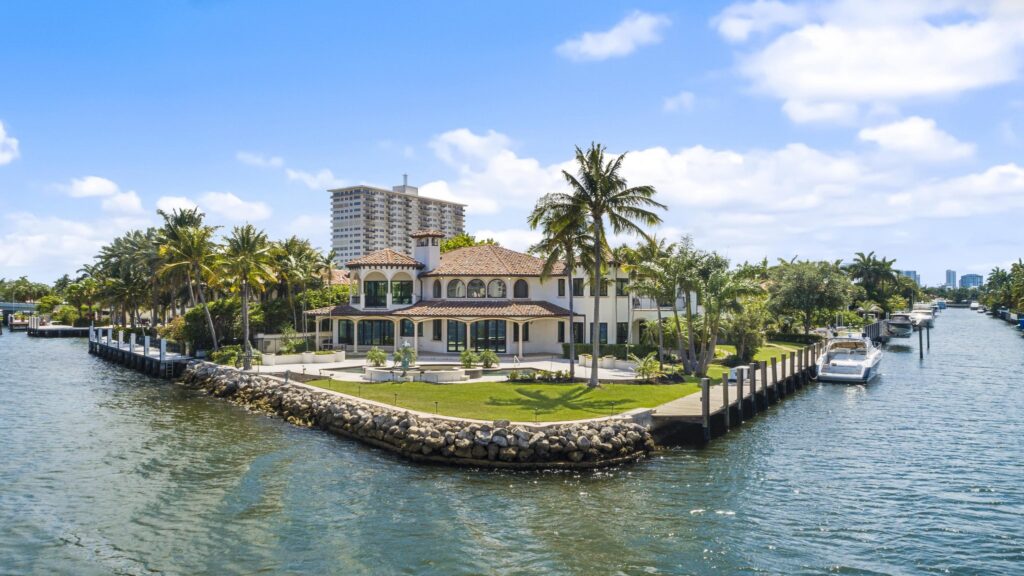
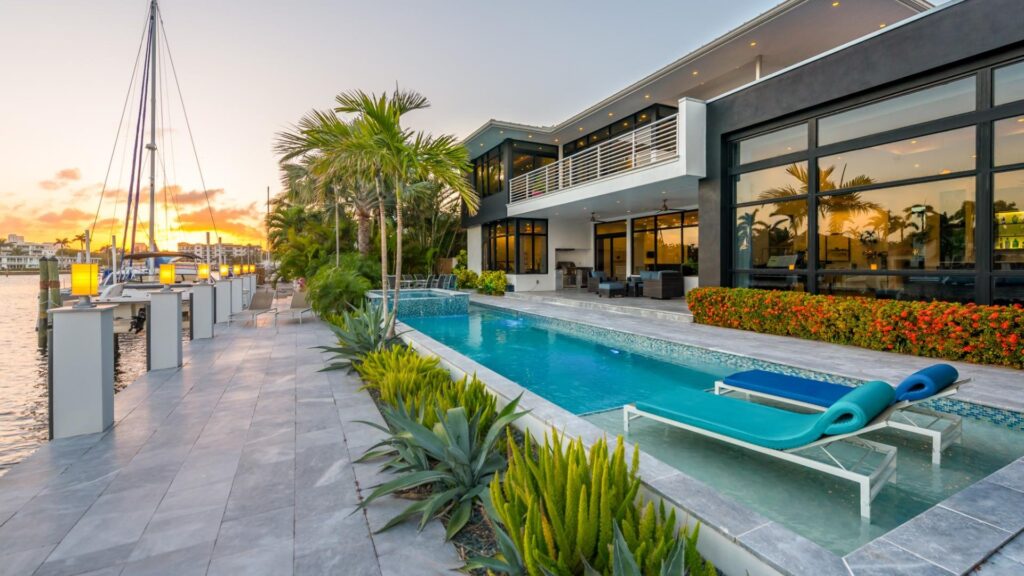
| Las Olas Isles & Intracoastal | Canal-front living with water access | Lower density than beachfront, strong for single-family waterfront, often boat-friendly |
| Further inland (e.g., Victoria Park, Rio Vista) | Lower entry cost, longer-term hold | More affordable entry, less reliant on tourist season, good for buy-and-hold strategies |
Browse current listings or explore Fort Lauderdale neighborhoods to compare specific properties in each area.
What Are the Risks of Owning Beachfront Property in Fort Lauderdale?
The main risks are rising insurance costs, potential special assessments for older condo buildings, and local short-term rental regulations, which can change and directly affect your income projections.
It’s also worth comparing a beachfront purchase against a vacation rental property further from the beach, which can sometimes offer a better yield with lower entry costs.
How Are Beachfront Investment Properties Taxed and Financed in Fort Lauderdale?
Property taxes on investment properties don’t qualify for Florida’s Homestead Exemption, so expect to pay the full millage rate on assessed value (see our property tax guide for how this is calculated).
Financing for investment properties typically requires a larger down payment than a primary residence, often 20-25%, and lenders may use projected rental income to help qualify the loan.
FAQ
1. Is beachfront property in Fort Lauderdale a good investment?
It can be, with a median short-term rental revenue of around $55,000 per year and 68% occupancy across the market (Source: Airbtics as mentioned above). Returns vary significantly based on the specific property, building fees, and insurance costs.
2. How much does it cost to buy beachfront property in Fort Lauderdale?
Prices vary widely by building age, size, and exact location, with older A1A-corridor condos typically offering a lower entry point than new construction or single-family beachfront homes.
3. Can I rent out my beachfront property short-term in Fort Lauderdale?
This depends on the specific building’s association rules and the City of Fort Lauderdale’s short-term rental regulations, which can vary by zoning and have changed in recent years. Always confirm current rules before assuming short-term rental income.
4. What ongoing costs should I expect with beachfront property?
Beyond the mortgage, expect HOA or condo fees, property taxes at the full (non-homestead) rate, windstorm and flood insurance, and potential special assessments for older buildings.
5. Is Fort Lauderdale a better beachfront investment than other Florida cities?
Fort Lauderdale’s year-round tourism demand yields more consistent occupancy than in highly seasonal markets, though exact comparisons depend on the specific property and neighborhood.
Considering a beachfront investment in Fort Lauderdale?
The numbers vary by block, building, and unit type. Dotoli Group can help you compare real listings against realistic rental income projections before you buy. Contact us today to talk through your options.