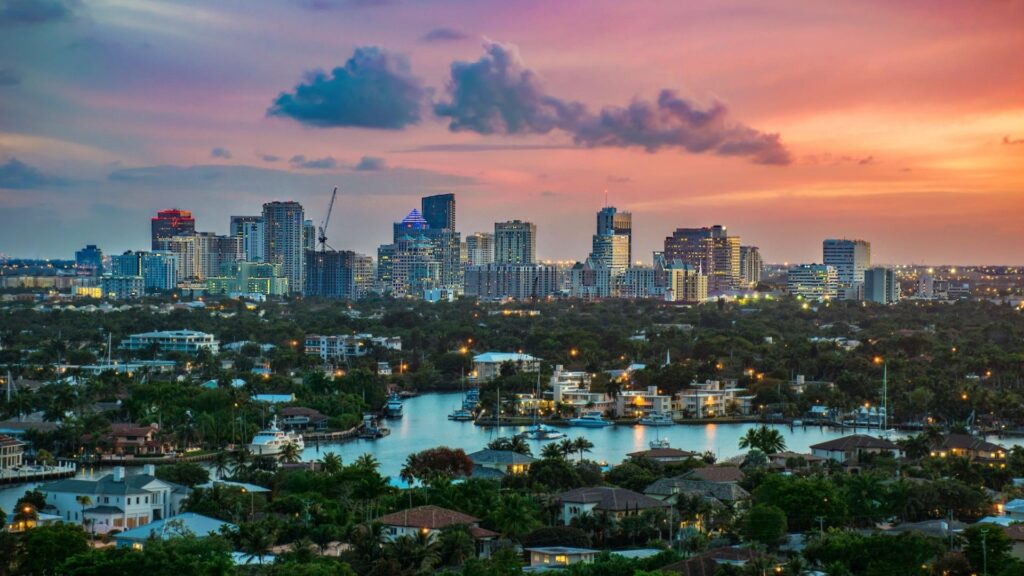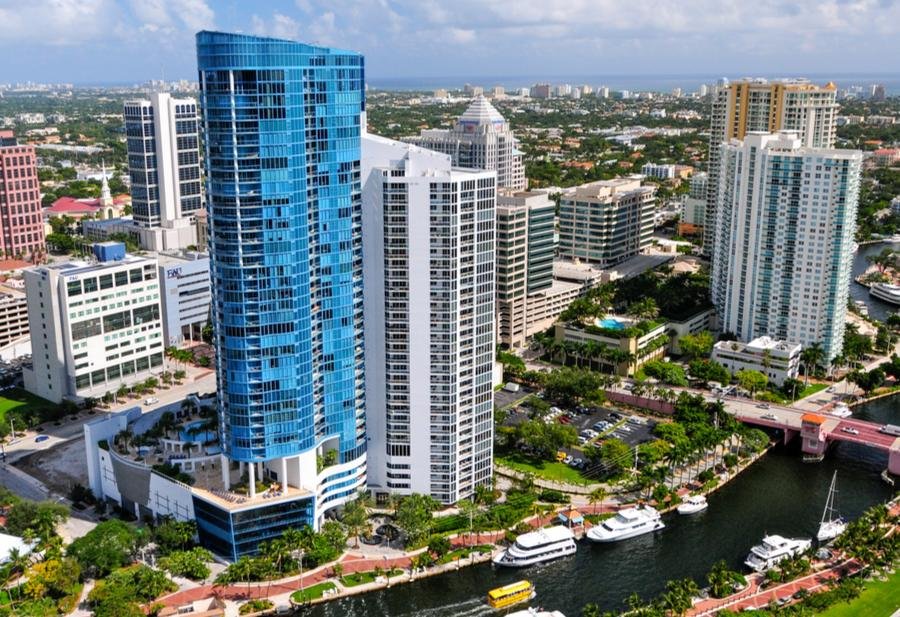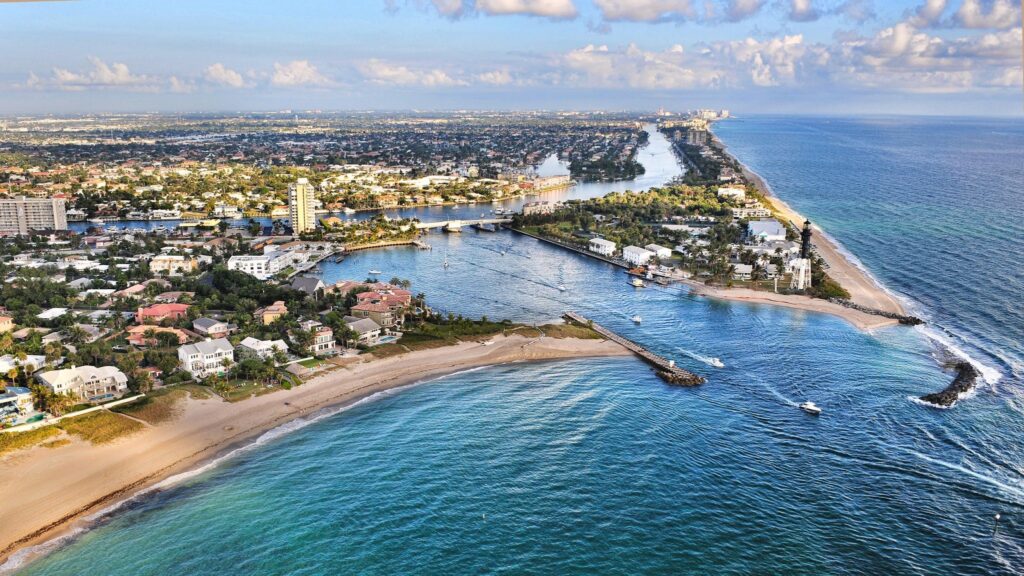
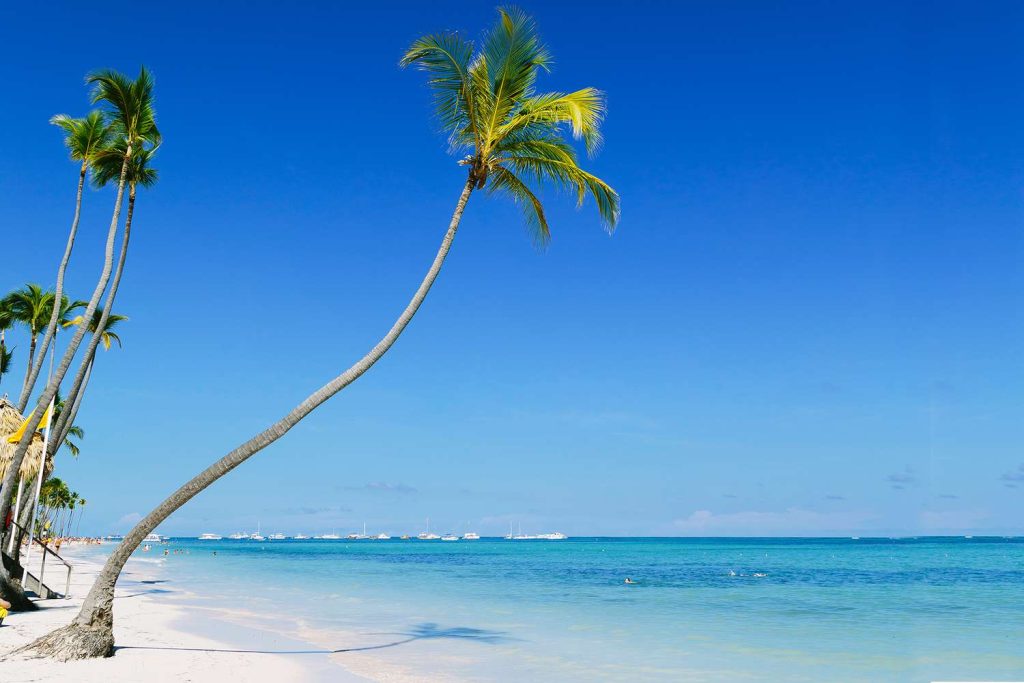

Yes. Fort Lauderdale has excellent beaches.
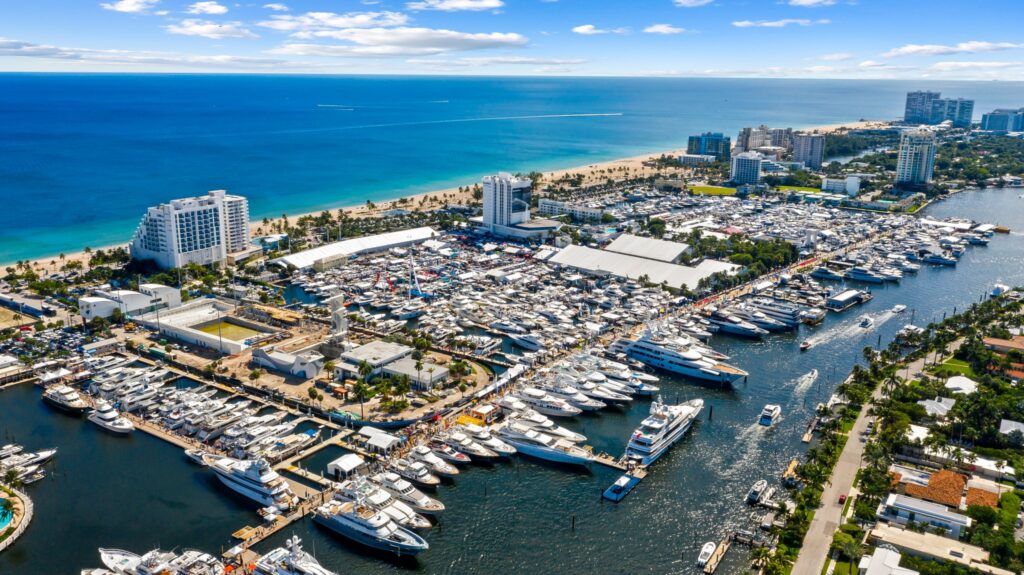
The city sits on 23 miles of Atlantic coastline certified Blue Wave by the Clean Beaches Council since 1999, a standard that requires consistent water quality, cleanliness, and habitat preservation. Fort Lauderdale Beach ranks as the number-one attraction in the city, according to U.S. News, and the area’s five distinct beach zones each serve a different lifestyle and buyer profile.
For tourists, that answer closes the question. For buyers and relocators from the Northeast, it opens a more important one: what does beach access actually look like when this is where you live? That is what this guide answers.
Is Fort Lauderdale Beach Worth Living Near?
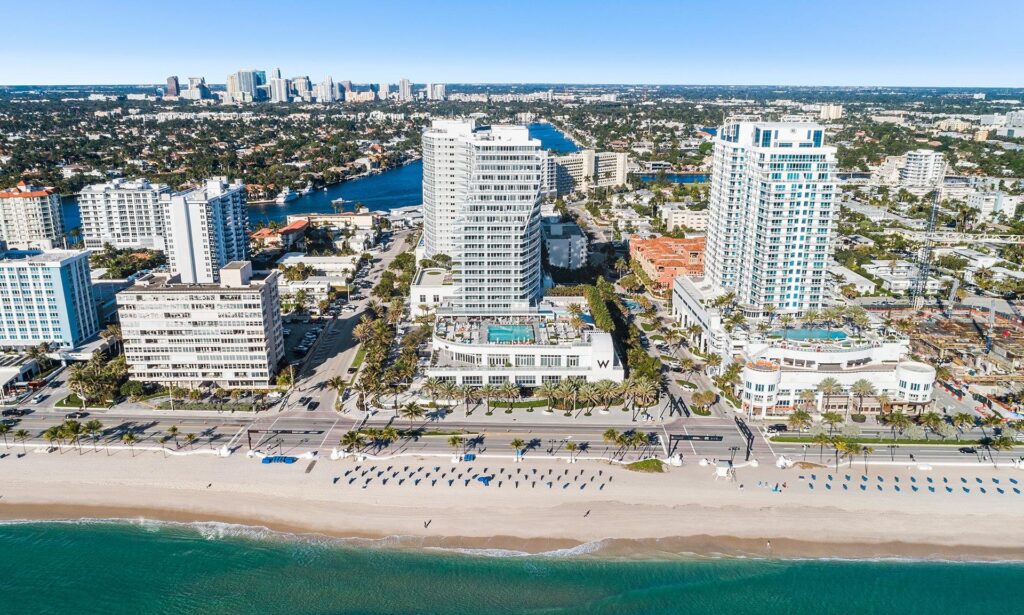
Fort Lauderdale Beach is the main stretch of the city’s Atlantic coastline, running along A1A between Sunrise Boulevard and Las Olas Boulevard. It is wide, clean, and consistently less crowded than Miami Beach because hotels in Fort Lauderdale sit west of A1A rather than directly on the sand, leaving the beach itself open and unobstructed.
For residents, this matters more than it does for tourists. A beach you can use on a random Tuesday afternoon without fighting for space is a different asset than a destination beach packed on weekends. Fort Lauderdale Beach functions as a daily amenity, not a seasonal event.
Water quality is monitored weekly by Miami Waterkeeper under a City of Fort Lauderdale funding agreement. Results are posted publicly on Swim Guide the day after each sampling.
For buyers who factor ocean access into their property decisions, consistent public water quality reporting is a verifiable quality signal that most beach markets lack.
What Fort Lauderdale Beach Is Like as a Resident
The Boardwalk runs the full length of the main beach corridor and is used by residents for morning runs, evening walks, and weekend cycling. Parking is available in several garages along A1A.
Residents who live within a mile of the beach treat it as a neighborhood park. Residents farther west use it as a weekend destination, a 10- to 15-minute drive from most Fort Lauderdale neighborhoods.
Fort Lauderdale Beach vs Miami Beach for Buyers
This is the question every buyer relocating from the northeast asks. The honest local answer is that the two beaches deliver fundamentally different experiences.
Miami Beach is denser, louder, and more tourist-heavy. Hotels sit on the sand. The energy is high year-round. Fort Lauderdale Beach is wider, less crowded, and more residential in character. The neighborhoods adjacent to it are quieter than South Beach.
Property prices near Fort Lauderdale’s beach are lower per square foot than comparable Miami Beach addresses, with a beach experience that most residents prefer for daily use.
Buyers who want the South Florida lifestyle for living, not performing, consistently choose Fort Lauderdale’s beach corridor over Miami’s.
What Is Las Olas Beach Like for Fort Lauderdale Residents?
Las Olas Beach sits at the eastern end of Las Olas Boulevard where it meets A1A. It is a smaller, more local stretch of sand than the main Fort Lauderdale Beach corridor. Residents from Las Olas Isles and the surrounding neighborhoods walk or cycle to it in under 10 minutes.
The beach here is less commercial than the main tourist strip further north. Parking is more limited, which keeps crowds lower on weekdays.
For buyers evaluating homes for sale in Las Olas Isles, this beach is effectively a neighborhood beach. Residents use it for morning swims, paddleboarding, and late afternoon walks in a way that does not apply to most Fort Lauderdale addresses.
The combination of the Riverwalk to the west, Las Olas Boulevard dining in the middle, and the beach at the eastern end creates a lifestyle corridor that buyers from walkable northern cities recognize immediately as the Fort Lauderdale equivalent of what they are leaving behind.
What Makes Lauderdale-by-the-Sea Different From Fort Lauderdale’s Main Beach?
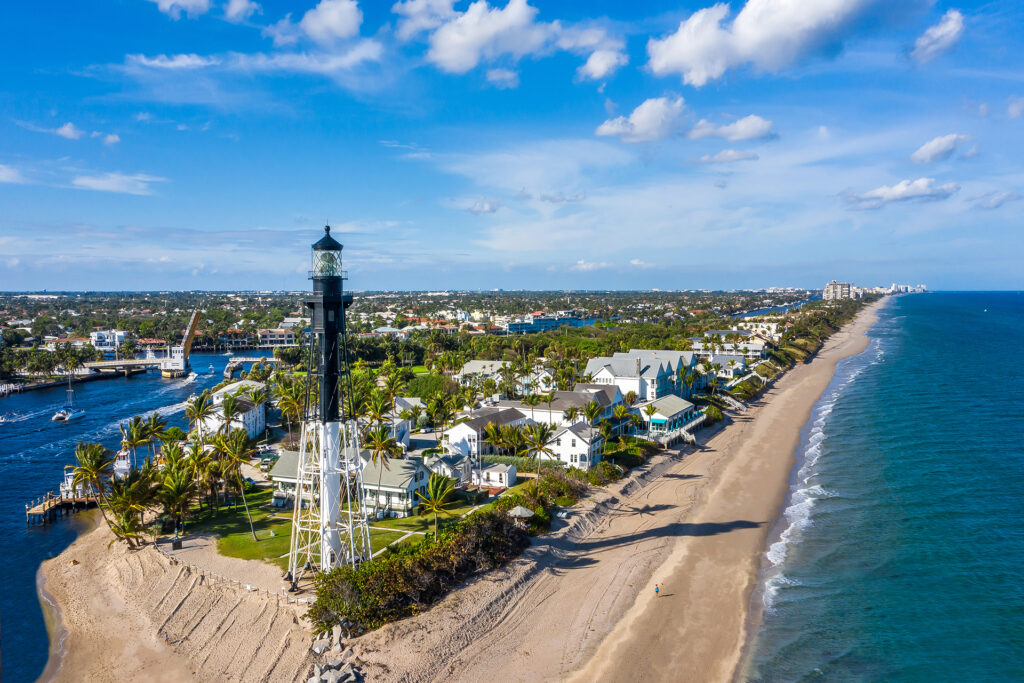
Lauderdale-by-the-Sea is a separate municipality just north of Fort Lauderdale proper, and it delivers a genuinely different beach experience. The town is built around a walkable beachside village with low-rise buildings, independent restaurants, and a pier that anchors the community. It has a reef system directly offshore, making it one of the best snorkeling locations in South Florida.
For buyers, Lauderdale-by-the-Sea represents a specific lifestyle choice. It is quieter than the main Fort Lauderdale beach corridor, more walkable within its own footprint, and the property market reflects the premium buyers pay for that combination.
Condos and single-family homes within walking distance of the pier consistently hold value because the supply of walkable beach-town addresses in South Florida is genuinely limited.
Buyers evaluating beach proximity as a primary factor in their search should spend an afternoon in Lauderdale-by-the-Sea before deciding whether the main Fort Lauderdale beach corridor or this quieter alternative better fits how they want to live.
Is Hollywood Beach Worth Considering for Fort Lauderdale Area Buyers?
Hollywood Beach sits approximately 10 miles south of Fort Lauderdale and is technically in the City of Hollywood. Still, it falls squarely within the Fort Lauderdale metro area and is relevant for buyers whose search area extends south of the city.
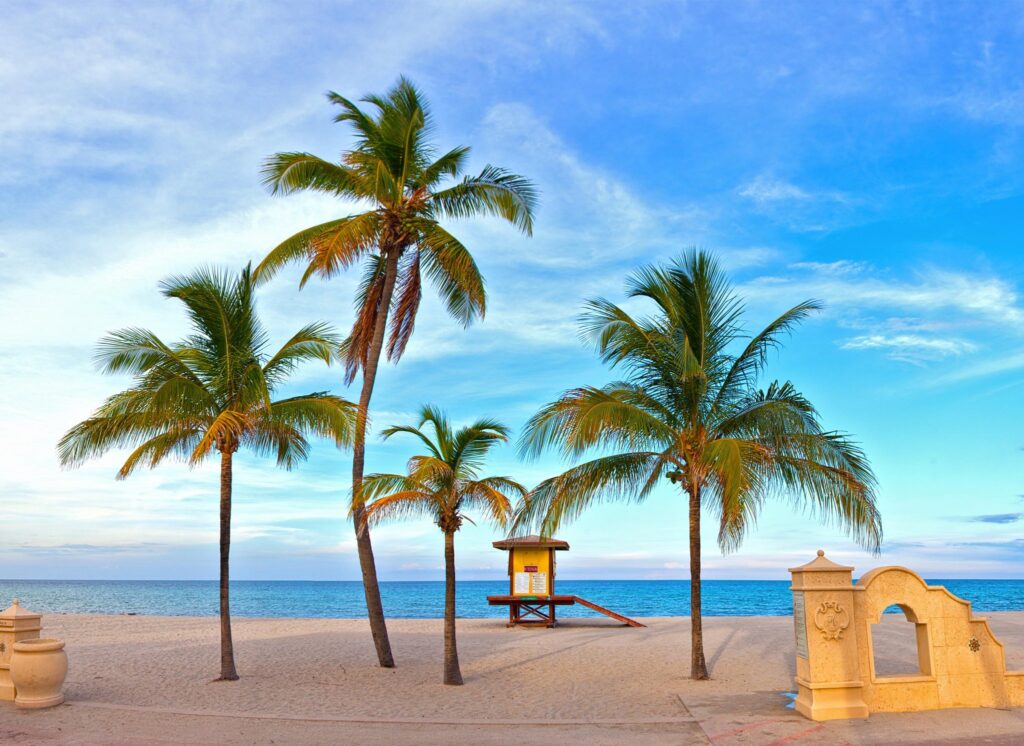
The Hollywood Boardwalk is one of the most distinctive beach corridors in South Florida. It runs 2.5 miles along the Atlantic and is wide enough that cyclists, pedestrians, and beach-goers all coexist without conflict. The Boardwalk is less commercial than Fort Lauderdale’s main strip and has a neighborhood feel that appeals to buyers who want beach access without tourist density.
Hollywood Beach attracts buyers who want a beach-adjacent address at a lower price point than comparable properties in Fort Lauderdale proper. The trade-off is that the neighborhood around Hollywood Beach is less walkable beyond the Boardwalk itself, and its dining and cultural infrastructure is thinner than in Las Olas or downtown Fort Lauderdale.
What Is Hugh Taylor Birch State Park Beach Like for Fort Lauderdale Residents?
Hugh Taylor Birch State Park is a 180-acre natural preserve sitting between the Intracoastal Waterway and the Atlantic Ocean in the heart of Fort Lauderdale’s beach corridor. The park has a pedestrian tunnel under A1A that connects the park’s interior to the Atlantic beach on the other side.
For residents, Hugh Taylor Birch functions as both a nature preserve and a beach access point in a single location. The park has a canoe and kayak launch on the freshwater lagoon, and the ocean beach on the Atlantic side is less crowded than the main Fort Lauderdale Beach corridor because it is accessed through the park rather than from the street.
Buyers who prioritize natural environment alongside beach access consistently identify this area as one of the most livable stretches of the Fort Lauderdale beach corridor.
Properties near the park sit adjacent to the preserve on one side and the Atlantic on the other, a combination that is rare in a densely developed coastal market.
Which Fort Lauderdale Neighborhoods Put Residents Closest to the Beach?
Beach proximity varies significantly by neighborhood in Fort Lauderdale. Buyers who list beach access as a top priority should evaluate addresses based on actual drive or walk time to the sand, not just general proximity to the city.
Harbor Beach sits directly on the Intracoastal, one block from A1A and the Atlantic. It is one of the closest residential neighborhoods to the ocean in Fort Lauderdale, with some properties just a few hundred feet from the beach. Buyers willing to pay the Harbor Beach premium get beach access that functions as a true walking-distance amenity.
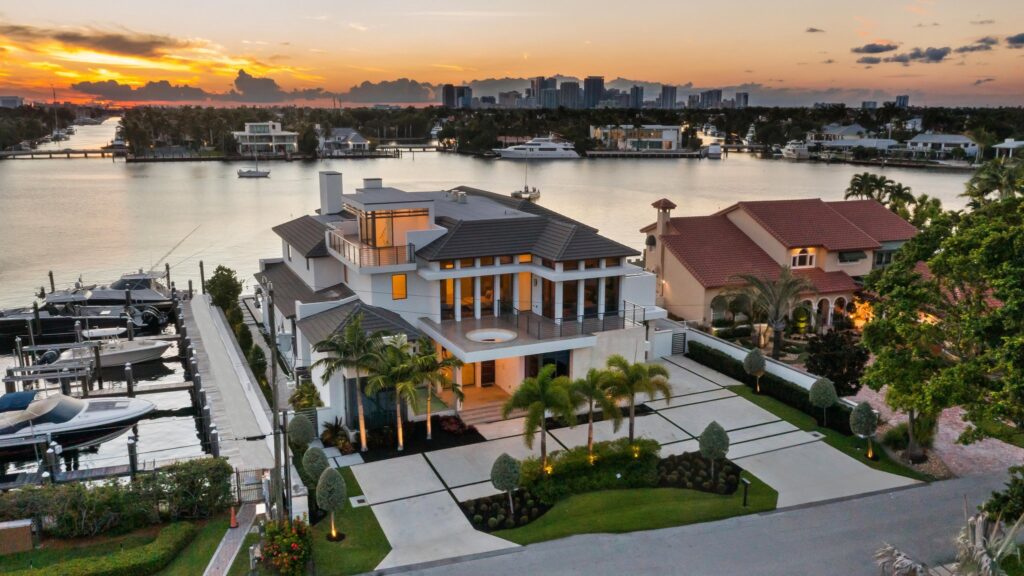
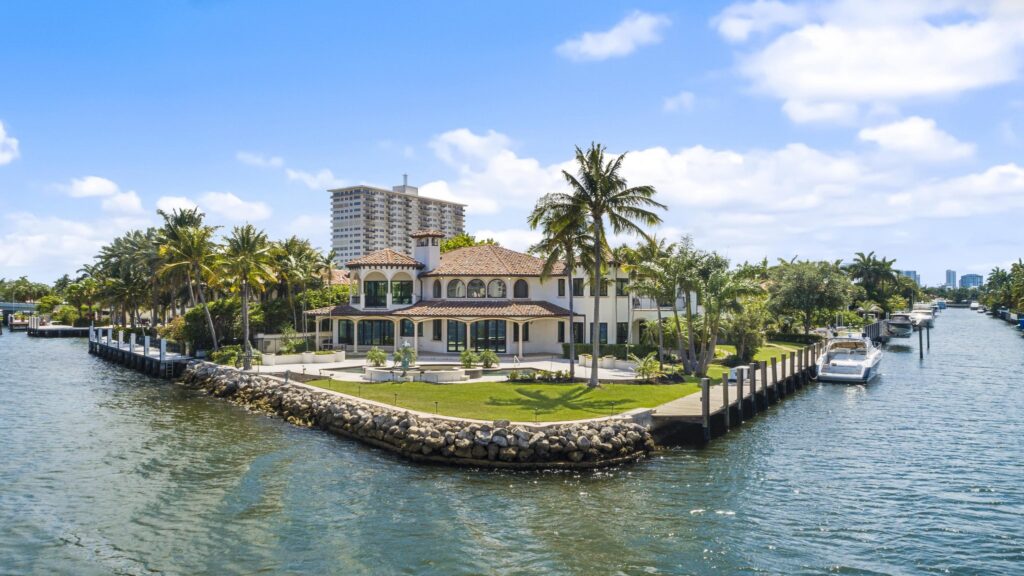
Las Olas Isles is five to eight minutes by car from the Atlantic beach at the end of Las Olas Boulevard. Residents here have the additional option of the water taxi, which connects the neighborhood to the Las Olas Boulevard corridor and the beach without driving. For buyers who want waterfront living and beach access, Las Olas Isles delivers both from a single address.
Victoria Park sits 10 to 12 minutes by car from the beach and is the most walkable inland neighborhood in Fort Lauderdale. Buyers who want a residential neighborhood with reasonable beach access at a lower price point than Harbor Beach or Las Olas Isles consistently rate Victoria Park as one of the stronger value propositions in the city.
The best neighborhoods in Fort Lauderdale guide breaks down each area by lifestyle profile and proximity to key amenities, including the beach.
What Does Beach Access as a Fort Lauderdale Resident Actually Look Like?
This is the question tourists cannot answer, and residents know immediately.
On a weekday morning, the beach is quiet. Parking garages along A1A have space. The water is warm year-round, averaging 80 degrees Fahrenheit in summer and 72 degrees in winter, according to NOAA coastal data.
You can park, be on the sand in five minutes, and be back home within an hour. That is not a vacation experience. That is a Tuesday.
On weekends during the season, October through April, the beach is busier but still manageable by South Florida standards. The crowds are nothing like Miami Beach on a Saturday in February.
Residents who live within two miles of the beach use it regularly throughout the year because the barrier to going is low enough that it happens spontaneously rather than by appointment.
For buyers relocating from landlocked or cold-weather markets, this routine access is the lifestyle shift they are paying for. It is not visible in listing photos or floor plans. It only becomes real when you live it.
Is Fort Lauderdale a Good Place to Live Near the Beach?
Yes. Fort Lauderdale combines beach access, waterway living, walkable neighborhoods, and a real estate market that still offers value compared to Miami for buyers who want the South Florida lifestyle without the density and price premium of Miami Beach.
The beaches are clean, certified, and monitored. The neighborhoods closest to the beach are among the most in-demand in Broward County. The lifestyle infrastructure around the beach corridor, including Las Olas Boulevard, the Riverwalk, and the water taxi network, makes proximity to the beach part of a broader daily lifestyle rather than an isolated feature.
Dotoli Group focuses exclusively on Fort Lauderdale residential real estate. If beach access is a factor in your search, we know exactly which addresses deliver it and at what price.
Contact us today and tell us what your Fort Lauderdale lifestyle looks like. We will find the right neighborhood to build it around.