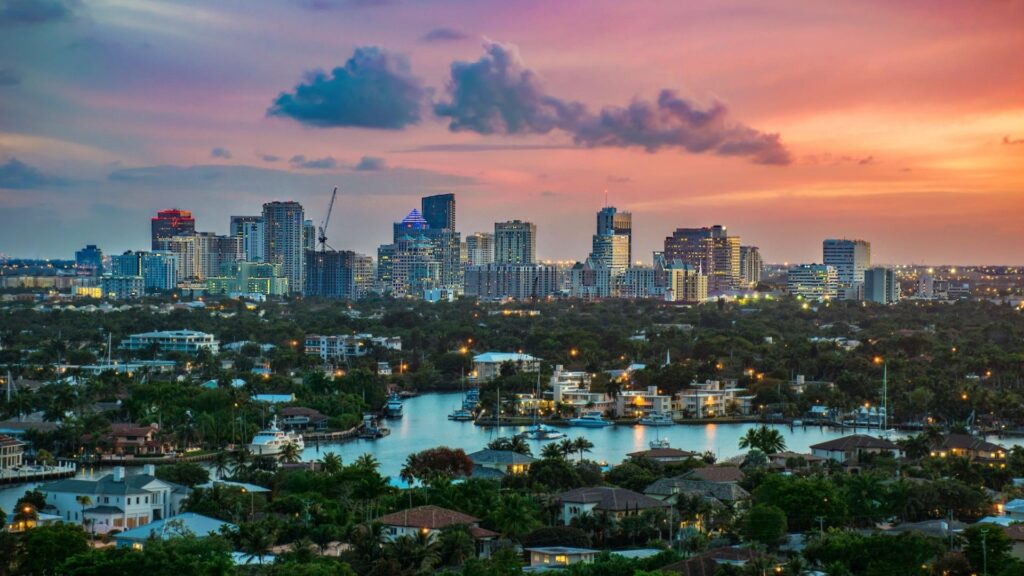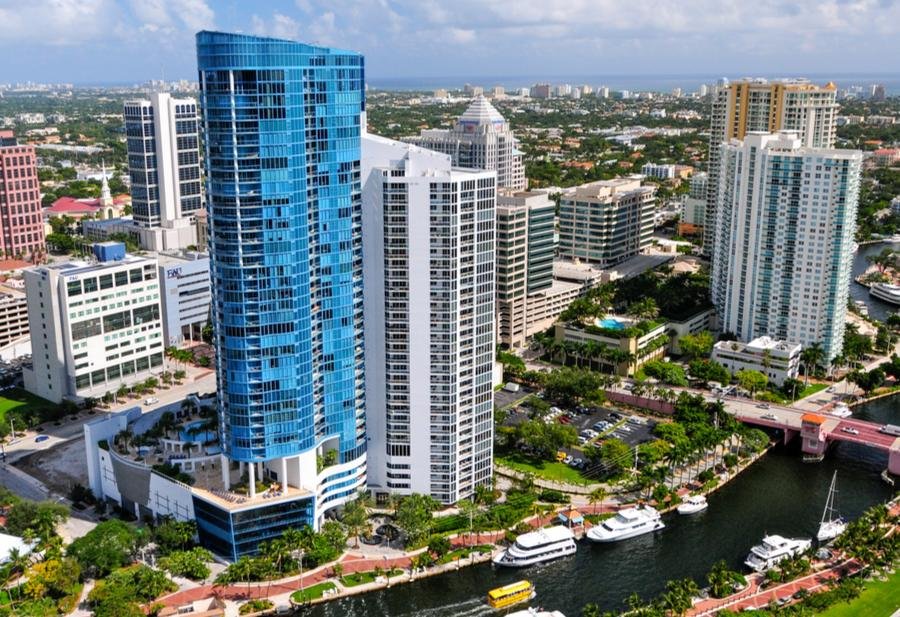
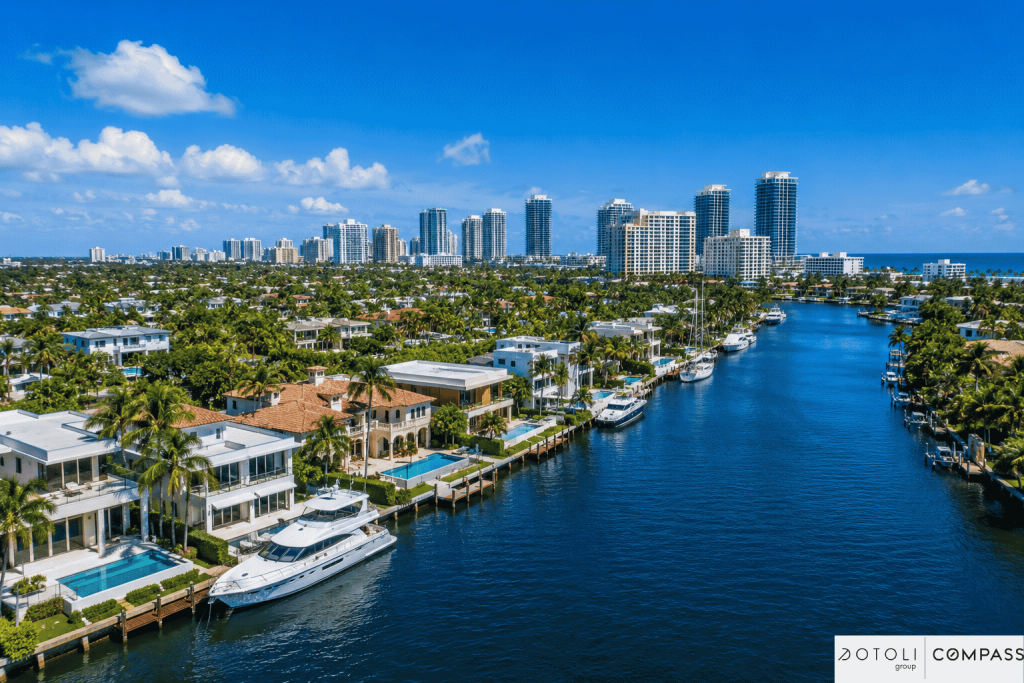

Fort Lauderdale real estate has appreciated 63.45% over the past five years, according to NeighborhoodScout Q4 2025 data. The median sale price reached $575,000 in July 2026, with an average of 99 days on the market, indicating that the market still rewards patient, well-positioned buyers.
For investors evaluating South Florida, Fort Lauderdale sits in a different category than Miami. It has access to waterways, a favorable climate, a no-state-income-tax advantage, and attracts 13 million annual visitors, generating rental demand.
What it does not have is Miami’s price ceiling or its noise floor. That gap is where the Fort Lauderdale investment case is built.
This guide covers where the real demand is, which property types perform, what due diligence looks like, and what the 2026 numbers actually say.
Is Fort Lauderdale a Good Place to Invest in Real Estate?
Yes. Fort Lauderdale is one of the strongest real estate investment markets in South Florida for buyers who are not competing with institutional money in Miami.
The five-year appreciation rate of 63.45% (NeighborhoodScout Q4 2025) reflects sustained demand from out-of-state relocators, remote workers, and retirees moving down from the Northeast and Midwest. Florida’s lack of state income tax is a structural tailwind that is not going away.
Broward County experienced significant population growth from 2020 through 2023, and the underlying demand has not reversed.
The 99-day average days on market as of July 2026 reflects a market that has normalized from the frenzied pace of 2021 to 2022. That is favorable for investors.
Sellers are negotiating. Buyers have time to do proper due diligence. Overpaying at a peak is a real risk in South Florida; the current window rewards preparation over urgency.
What Types of Investment Properties Perform Best in Fort Lauderdale?
The strongest-performing investment categories in Fort Lauderdale fall into three tiers based on capital requirements and return profiles.
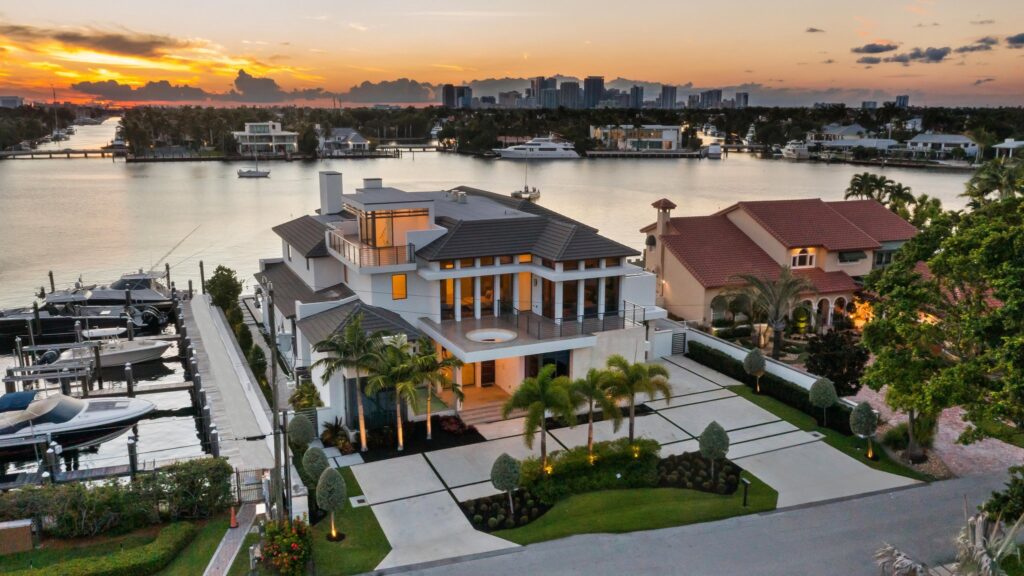
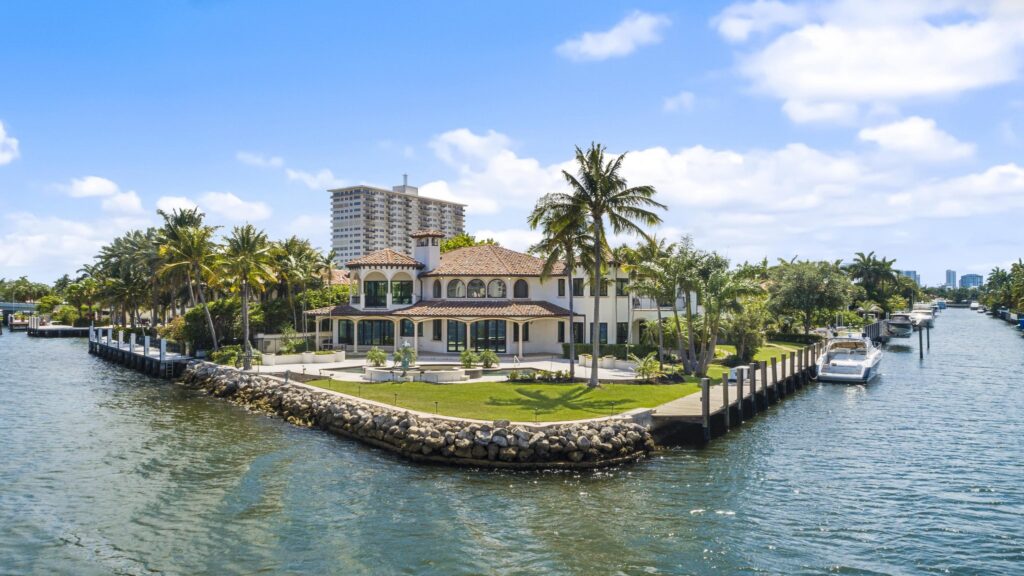
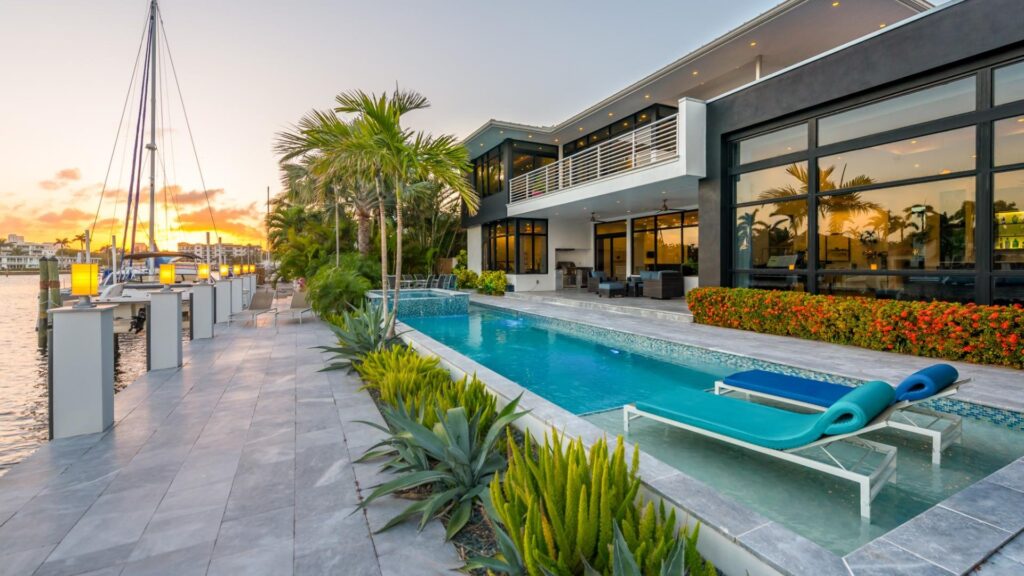
Waterfront single-family homes have the highest entry price and ceiling. Canal-front and Intracoastal properties in neighborhoods like Las Olas Isles and Harbor Beach hold value through market cycles because supply is structurally limited.
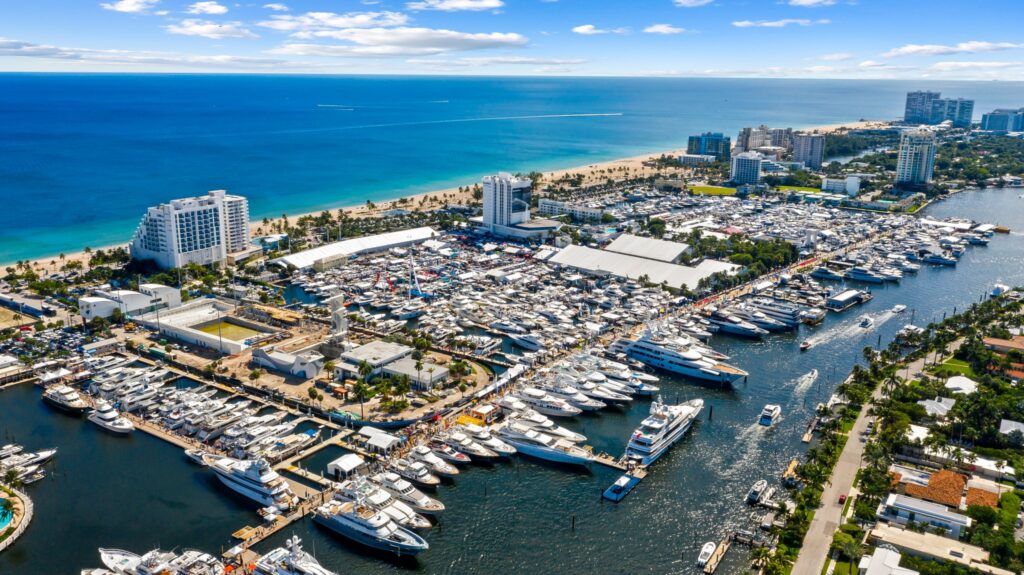
The 578 miles of navigable waterway in Broward County cannot be replicated. The guide to rental income for Fort Lauderdale waterfront properties breaks down what these properties generate in both long-term and short-term rental scenarios.
Mid-range single-family in established neighborhoods is the strongest risk-adjusted category for most investors entering the Fort Lauderdale market in 2026. Coral Ridge, Victoria Park, and Wilton Manors all have high owner-occupancy rates, limited inventory, and consistent appreciation without the seven-figure entry costs of the waterfront tier.
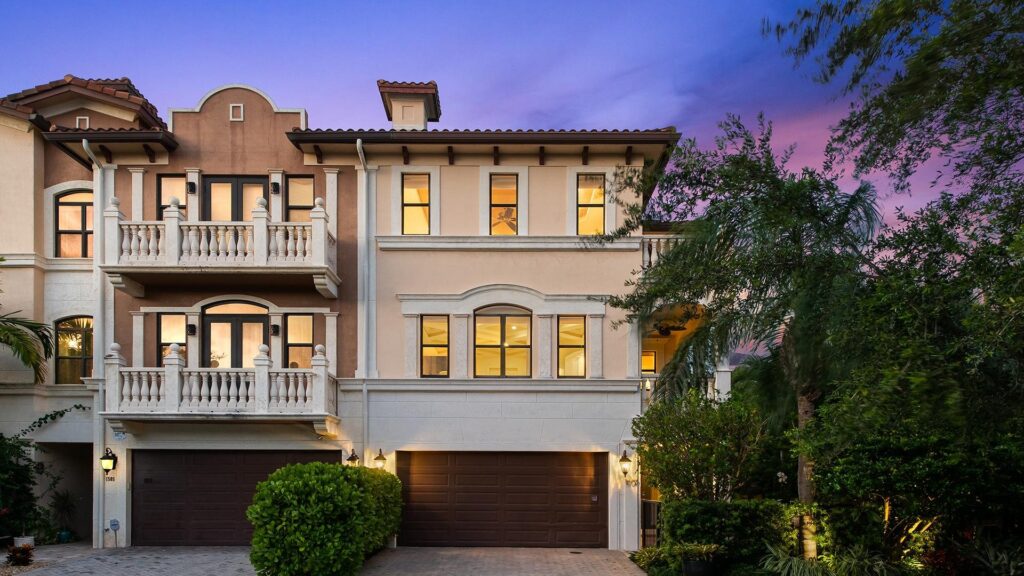
Condos on or near the beach corridor serve a specific investor profile: buyers who want short-term rental income from the tourism market. Fort Lauderdale’s 13 million annual visitors generate consistent occupancy, but condominium association rules vary significantly on short-term rental permissions. Verify with the specific HOA before any condo investment for rental purposes.
Which Fort Lauderdale Neighborhoods Have the Best Investment Potential?
Neighborhood selection is the highest-leverage decision in any Fort Lauderdale investment. The city’s neighborhoods are not interchangeable. Some have outperformed the city median by 15 to 20 percentage points over a five-year hold.
Coral Ridge
Coral Ridge is one of the most consistent performers in the Broward County market. The neighborhood sits between Federal Highway and the Intracoastal, with mature tree-lined streets and A-rated schools.
Buyers who entered Coral Ridge in 2019 and 2020 have seen appreciation that tracked well above the broader Fort Lauderdale median.
Coral Ridge homes for sale are in the $700,000 to $1.4M range for single-family, with low inventory keeping upward pressure on prices.
Rio Vista and Tarpon River
Rio Vista and Tarpon River are emerging mid-market neighborhoods directly south of downtown. Both have older housing stock being renovated by owner-occupiers, creating the rising-neighborhood dynamic that yields outsized returns for early investors. Entry prices are lower than the established neighborhoods north of Las Olas.
Flagler Village
Flagler Village is the Fort Lauderdale equivalent of a downtown urban core play. Walkability scores are high, the Light Rail project has been discussed for years and occasionally moves forward, and the rental demand from young professionals is consistent.
The risk is development density: new supply can suppress appreciation and rents in ways that single-family neighborhoods do not face.
What Returns Can Investors Expect From Fort Lauderdale Rental Properties?
Return expectations depend on property type, location, and whether the investment targets long-term or short-term rental income.
Long-Term Residential Rentals
Single-family homes in Fort Lauderdale have historically operated at gross cap rates of 4% to 6% on purchase price; at the current $575,000 median, that translates to approximately $23,000 to $34,500 in gross annual rent.
Net cap rates after property management, insurance, taxes, and maintenance typically range from 2.5% to 4%, depending on the property’s condition and management efficiency.
Short-Term and Vacation Rentals
Properties near the beach corridor can outperform long-term cap rates during the October through April season, but they carry higher operating costs and require active management.
The City of Fort Lauderdale requires registration for short-term rental properties. HOA restrictions also vary significantly by building. Verify both before underwriting any short-term rental projection.
The Total Return Case
The strongest return story in Fort Lauderdale has historically been appreciation plus modest cash flow, not cash flow alone.
Investors who entered in 2019 with 20% down have compounded returns well above what rental income produced on its own, because the 63.45% five-year appreciation created equity gains that dwarf annual rent. Underwrite cash flow conservatively and let appreciation do the heavy lifting over a five-year-plus hold.
What Due Diligence Do Investors Need to Do in Fort Lauderdale?
Fort Lauderdale’s coastal and waterway environment creates due diligence requirements that inland markets do not have. Skipping these steps is the most common mistake out-of-state investors make.
- Flood zone classification is the first check on any Fort Lauderdale property. Broward County has significant flood zone variation, and the difference between an AE zone property and an X zone property can translate to $3,000 to $8,000 per year in flood insurance costs.
The flood zones in Fort Lauderdale guide explains how to read the FEMA maps and what each designation means for insurance and financing.
- Seawall condition is mandatory due diligence on any waterfront or canal-adjacent property. A failing seawall can cost $20,000 to $60,000 to repair or replace, and it will not show up on a standard home inspection.
Commission a marine or seawall specialist inspection separately before closing on any waterfront investment.
- HOA documents and rental restrictions require a full review before any condo or HOA-governed property purchase for investment purposes.
Some Fort Lauderdale associations prohibit rentals of less than six months. Others limit the percentage of units that can be rented at any one time. Non-compliant rentals create liability and resale problems.
- Insurance underwriting has changed materially in Florida since 2022. Some carriers have exited the market. Others have repriced dramatically in coastal zip codes.
Get an insurance quote before you finalize your offer, not after. An uninsurable or prohibitively expensive-to-insure property is not an investment; it is a liability.
How Does the Fort Lauderdale Market Compare to Miami for Investors?
For most investors who are not targeting the ultra-luxury tier, Fort Lauderdale is the stronger 2026 entry point compared to Miami.
Miami has higher price per square foot, more institutional competition, and a denser tourist ecosystem that creates both opportunity and operational complexity for rental investors.
Fort Lauderdale offers comparable lifestyle infrastructure, the same tax advantages, and a residential market that still has room for individual buyers to find value without competing against institutional capital at every price point.
The investor who understands what to consider before buying in this market will find Fort Lauderdale’s waterway-connected residential neighborhoods to be genuinely differentiated from anything Miami offers at the same price point.
The 578 miles of canals, the proximity to the Port Everglades cruise terminal, and the growing tech and finance employment base all point to structural, not cyclical, demand.
What Does the 2026 Fort Lauderdale Market Mean for Investors Entering Now?
The 2026 market is not the 2021 market. That is good for investors.
Sellers are negotiating on price and terms in ways they were not two years ago. The 99-day average days on market gives investors time to conduct proper due diligence without losing properties to faster buyers.
Interest rates remain elevated, which has reduced competition from owner-occupiers who depend on low financing costs.
Investors who can deploy cash or have strong equity positions from existing holdings are entering a market with better negotiating dynamics than they have seen in the past five years.
FAQ
Is Fort Lauderdale real estate a good investment in 2026?
Yes, with the right property and hold period. Fort Lauderdale real estate appreciated 63.45% over the past five years (NeighborhoodScout Q4 2025). The 2026 market has normalized from peak pricing, giving investors better entry conditions and more negotiating room than in 2021 to 2022.
What is the average price of investment properties in Fort Lauderdale?
The median sale price in Fort Lauderdale reached $575,000 in July 2026. Investor-grade single-family homes in established neighborhoods like Coral Ridge and Victoria Park range from $650,000 to $1.2M. Waterfront properties on the Intracoastal start above $1.5M.
What cap rate should I expect on Fort Lauderdale rentals?
Gross cap rates on Fort Lauderdale single-family rentals typically run 4% to 6% on purchase price. Net cap rates after expenses run 2.5% to 4%. The stronger long-term return story is appreciation plus modest cash flow, not cash flow in isolation.
Which Fort Lauderdale neighborhoods are best for investors?
Coral Ridge, Victoria Park, and Las Olas Isles have the strongest track records for appreciation and rental demand. Rio Vista and Tarpon River offer lower entry prices with emerging-neighborhood upside. Flagler Village serves the urban rental demand profile but carries more supply risk from new development.
What are the biggest due diligence risks for Fort Lauderdale investors?
Flood zone classification and insurance costs are the first checks. On waterfront properties, seawall condition requires a specialist inspection beyond the standard home inspection. HOA rental restrictions must be verified before any condo purchase for rental purposes. Get insurance quotes before finalizing an offer.
Does Florida’s lack of state income tax benefit real estate investors?
Yes, directly. Florida has no state income tax on rental income or capital gains. For investors relocating from high-tax states, the combined benefit of no state income tax plus Fort Lauderdale’s appreciation profile substantially improves after-tax total returns compared to equivalent real estate markets in California, New York, or New Jersey.
Why DOTOLI Group?
Dotoli Group focuses exclusively on Fort Lauderdale residential real estate. We have sold in every neighborhood in this guide, and we know which properties are priced correctly and which are not.
If you are evaluating a Fort Lauderdale investment, contact us before you make an offer. The conversation is free.