

Buying a lake house is a genuine lifestyle decision with real financial implications in both directions. The appeal is clear: water views, recreational access, and separation from urban density. The risks are equally real: higher insurance, seasonal limitations, maintenance demands, and a narrower resale market.
This guide covers the honest pros and cons, what the numbers look like, and how Fort Lauderdale’s waterfront canal market compares for buyers who want the lake house lifestyle with stronger returns.
What Are the Real Advantages of Buying a Lake House?
A lake house done right delivers a lifestyle that standard residential properties cannot replicate. The financial case depends heavily on location, lake quality, and how the property is used.
Water Access and Recreational Value
Direct water access is the central value of any lake house. For buyers comparing waterfront property types across South Florida, the beachfront vs oceanfront guide breaks down how direct water access varies across different coastal configurations and what each means for lifestyle and price.
Properties with private dock access and clean swimming water make fishing, kayaking, boating, and paddleboarding daily options rather than weekend trips.
Privacy and Space
Lake houses typically sit on larger lots with natural buffers between neighbors. The combination of water frontage and land area creates a sense of space that urban buyers find compelling.
Low residential density in most lake communities, whether through zoning or the natural constraints of lakefront lot availability, helps preserve that character over time.
Rental Income Potential
Properties on popular lakes with strong tourism infrastructure can command premium nightly rates during peak season.
The complete guide to buying a waterfront home walks through investment considerations and what to verify before purchasing across different waterfront property types.
The key variables are HOA rental restrictions, local short-term rental ordinances, and the length of the viable rental season.
Long-Term Value Retention
Well-located waterfront properties with constrained supply have historically held value better than comparable inland properties through market corrections.
Water quality, lake size, surrounding development, and regional economic health affect long-term appreciation more than the waterfront designation alone.
What Are the Real Disadvantages of Buying a Lake House?
The cons of lake house ownership are practical, recurring, and, in some cases, significant enough to change the financial case entirely. Buyers who focus on lifestyle appeal without fully pricing the liabilities often find the first few years more expensive than anticipated.
Higher Insurance and Ongoing Costs
Flood insurance is required by most lenders for lakefront properties in FEMA Special Flood Hazard Areas. The Fort Lauderdale flood zones guide explains exactly how each FEMA designation affects annual insurance premiums for waterfront properties, helping buyers make accurate cost comparisons before committing.
Wind coverage, dock insurance, and watercraft liability add further premiums on top. Total annual insurance on a lake property can run $5,000 to $15,000 or more above what an inland buyer pays. Get complete insurance quotes before going under contract, not after.
Maintenance Demands of Waterfront Properties
Humidity accelerates deterioration of exterior finishes, roofing, windows, and wood decking. Dock structures require regular inspection and periodic replacement of decking, pilings, and hardware.
Seawalls and retaining structures need to be monitored for erosion and cracking. Budget 1.5 to 2 percent of the purchase price annually for maintenance on a lake property, above the standard 1 percent inland estimate.
Seasonal Limitations in Northern Markets
Lakes that freeze between November and April eliminate five months of the lifestyle value that justified the purchase. Carrying costs continue year-round regardless of usability.
Buyers should honestly evaluate how many days per year they will actually use the property before committing to the carrying costs.
Narrower Resale Market
Lake houses attract a specific buyer profile. When it comes time to sell, the buyer pool is smaller than for standard residential properties, which can extend days on market and limit bidding competition.
Evaluate the depth of buyer demand in any specific lake market before purchasing, not just current supply conditions.
Environmental and Water Quality Risk
Lake water quality is not guaranteed and can change materially over time. Algae blooms, pollution from upstream development, and invasive species have affected desirability and property values in specific markets over the past decade.
Research the watershed’s historical water quality record and the regulatory framework governing it before purchasing.
How Does a Lake House Compare Financially to Other Waterfront Property Types?
Appreciation Across Waterfront Markets
Waterfront property appreciation varies dramatically by market, lake quality, and regional economic conditions. Lake-house markets in the Midwest and Northeast have shown solid but unspectacular appreciation across most cycles.
Buyers can get a current view of what drives value in the waterfront segment in the Fort Lauderdale real estate market guide, which details the conditions behind Fort Lauderdale’s 63.45% five-year appreciation per NeighborhoodScout Q4 2025 data.
The Broward County median sale price reached $564,100 as of October 2025, per Steadily, citing Zillow data, with deepwater waterfront properties trading well above that figure.
Year-Round Usability and Its Financial Impact
A lake house in a northern market carries the same annual costs whether you use it six months or twelve. The guide to moving to Fort Lauderdale breaks down the cost of living in South Florida.
It compares it to northern markets, helping buyers evaluate the financial efficiency of a year-round waterfront lifestyle against a seasonal one.
For buyers evaluating carrying costs against actual use days, that comparison significantly changes the calculus.
Is a Lake House a Good Investment for Rental Income?
What Makes a Lake House Rental Viable
High rental income requires three conditions: established lake tourism, short-term rental-friendly regulations, and a property configured for guest use.
Properties on well-known lakes can command $3,000 to $10,000 per week during peak season in strong markets. In northern markets, the viable rental season may be as short as eight to ten weeks.
Rental Income Risks Buyers Overlook
HOA restrictions on short-term rentals are common in established lake communities and can eliminate the rental income strategy after purchase.
Local ordinance changes restricting short-term rentals have affected lake markets across the country in recent years. Verify the current regulatory environment at the county and HOA level before going under contract, not after.
Considering a Lake House? Here Is How Fort Lauderdale Canal Homes Compare
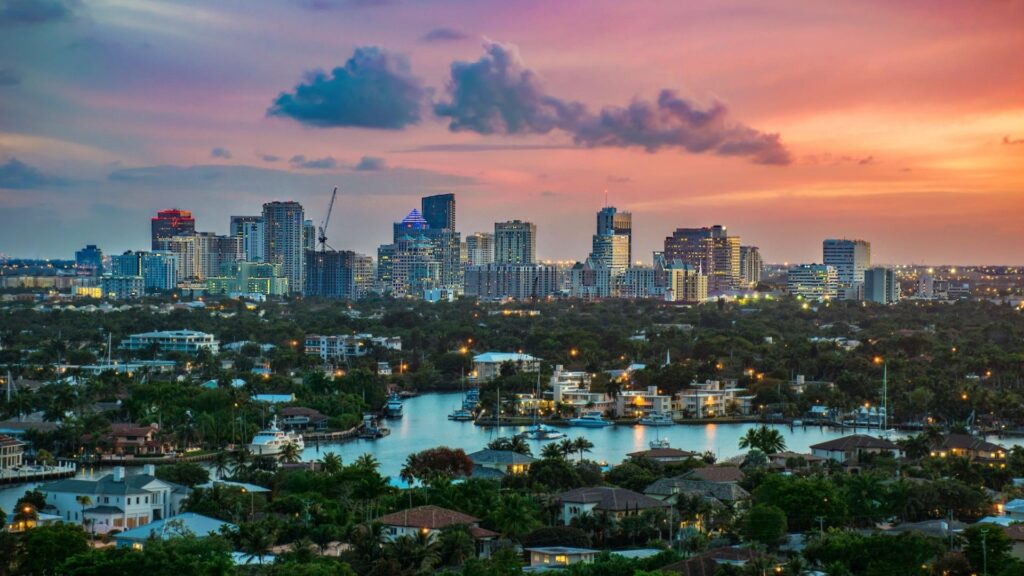
For buyers drawn to the lake-house lifestyle, Fort Lauderdale’s waterfront canal market warrants a direct comparison.
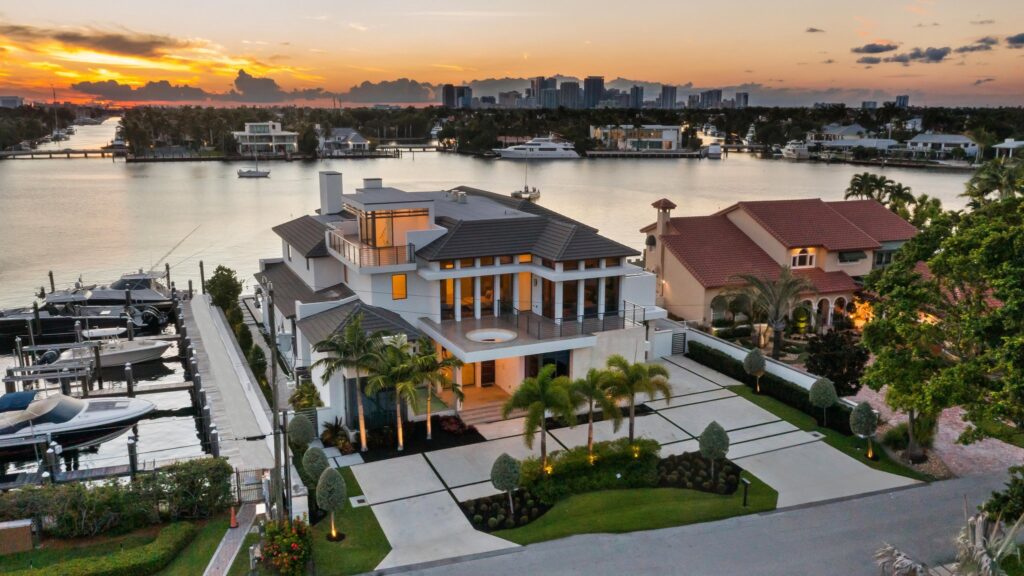
The appeal of a lake house is water access, boating, views, and a pace of life centered on the water. Fort Lauderdale’s canal network delivers all of that and adds things a lake cannot offer.
What Fort Lauderdale Canal Homes Offer That Lake Houses Cannot
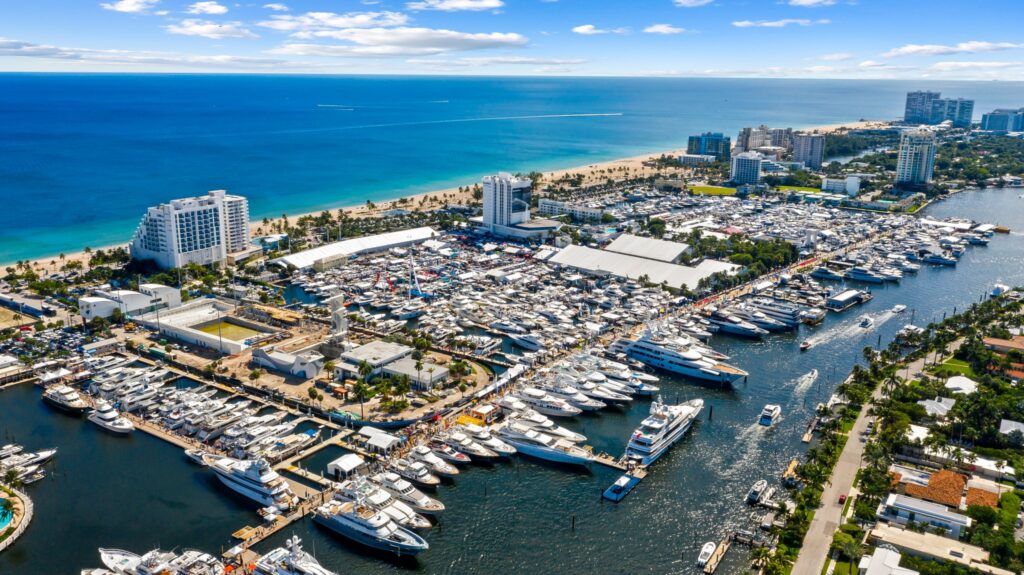
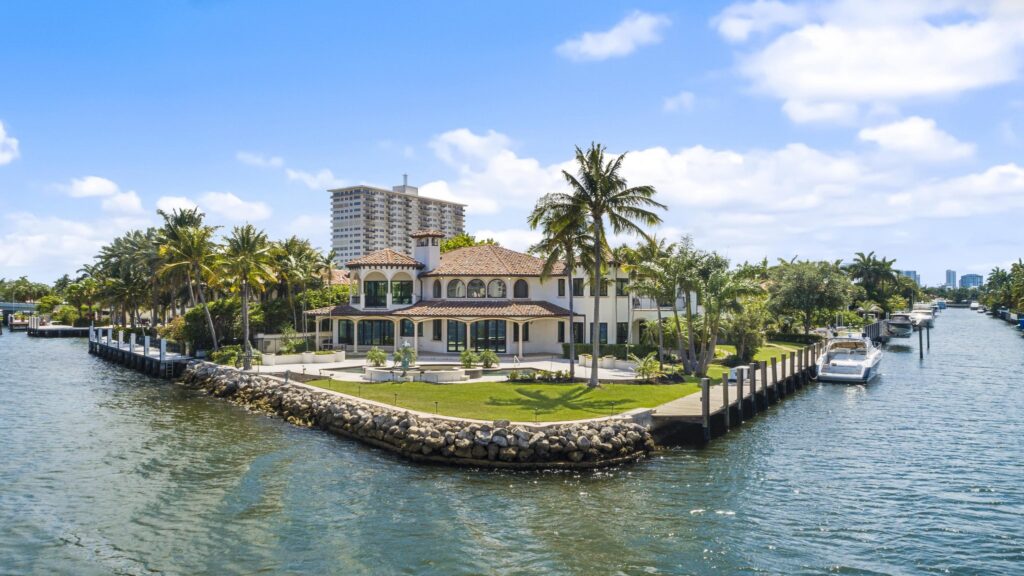
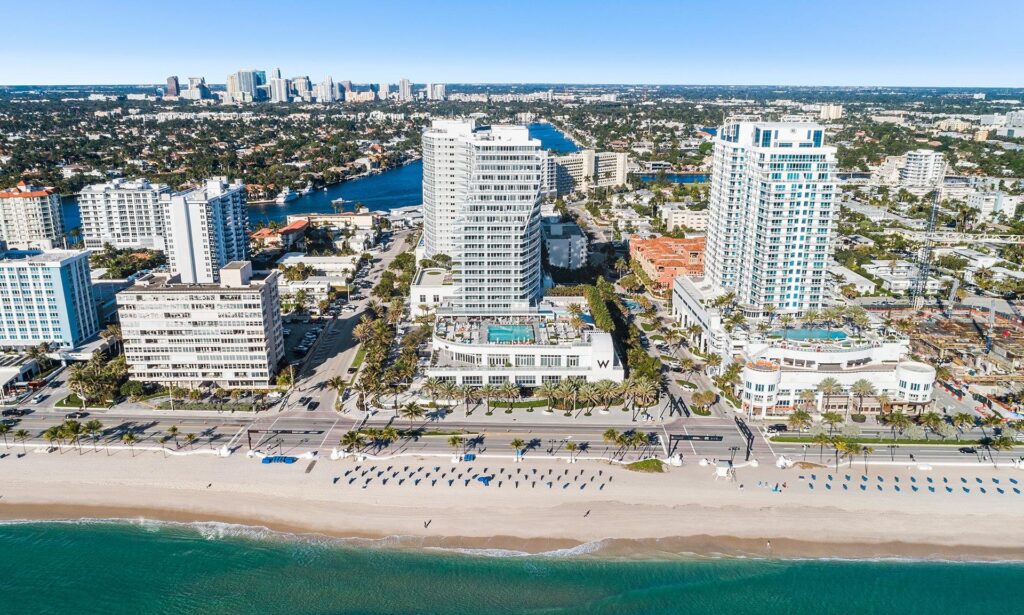
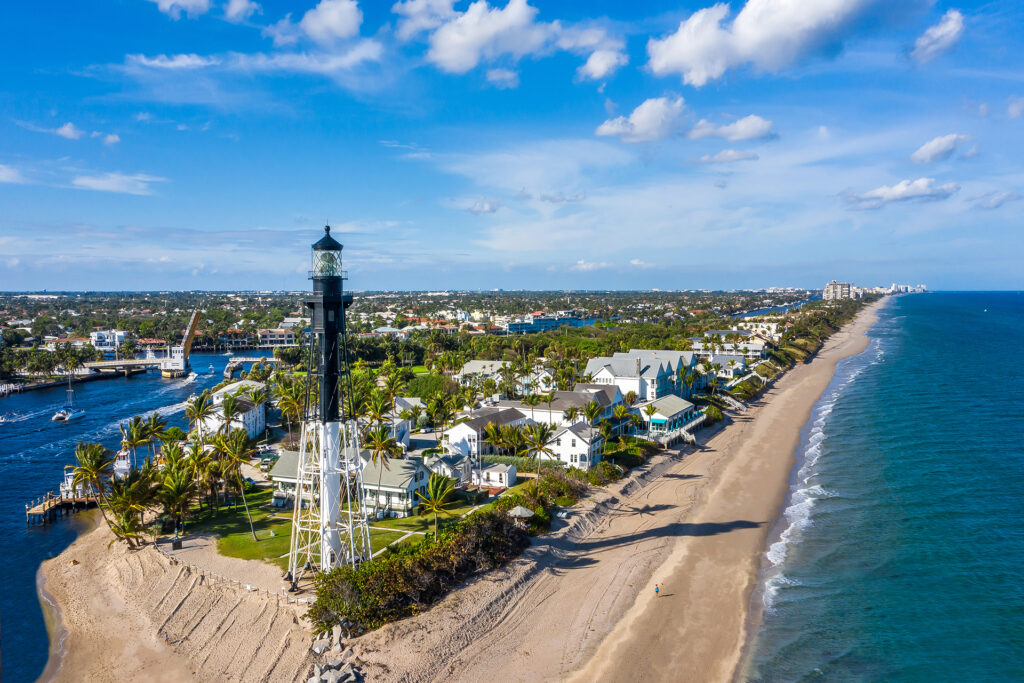
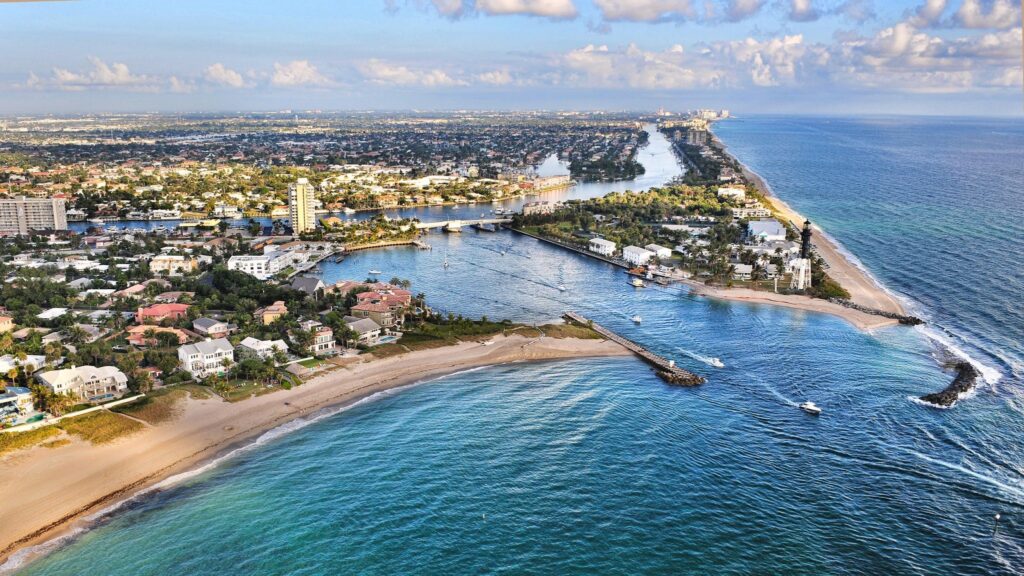
Fort Lauderdale has over 300 miles of navigable inland waterways connecting directly to the Intracoastal Waterway and the Atlantic Ocean.
A canal home in Las Olas Isles or Rio Vista gives the owner the same morning-on-the-water lifestyle as a lake house, plus the ability to take that same boat offshore to the Bahamas or down to the Florida Keys. No lake offers that range.
Appreciation and Market Strength
Fort Lauderdale’s waterfront canal market has significantly outperformed most lake markets in terms of appreciation over the past five years.
The 63.45% five-year appreciation reflects fixed supply, sustained demand from high-net-worth relocators, and a lifestyle product that cannot be replicated in most of the country.
What Canal Home Ownership Looks Like Day to Day
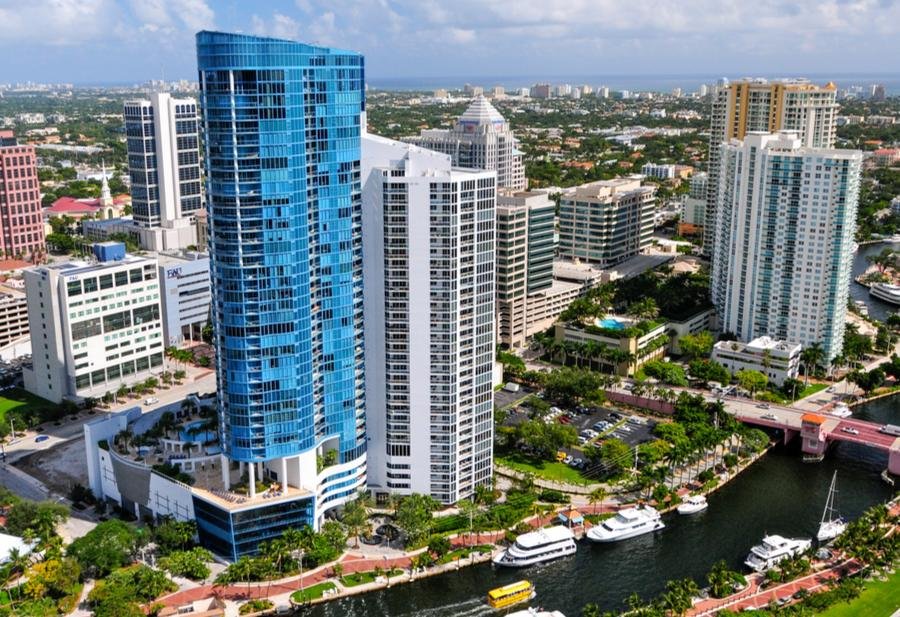
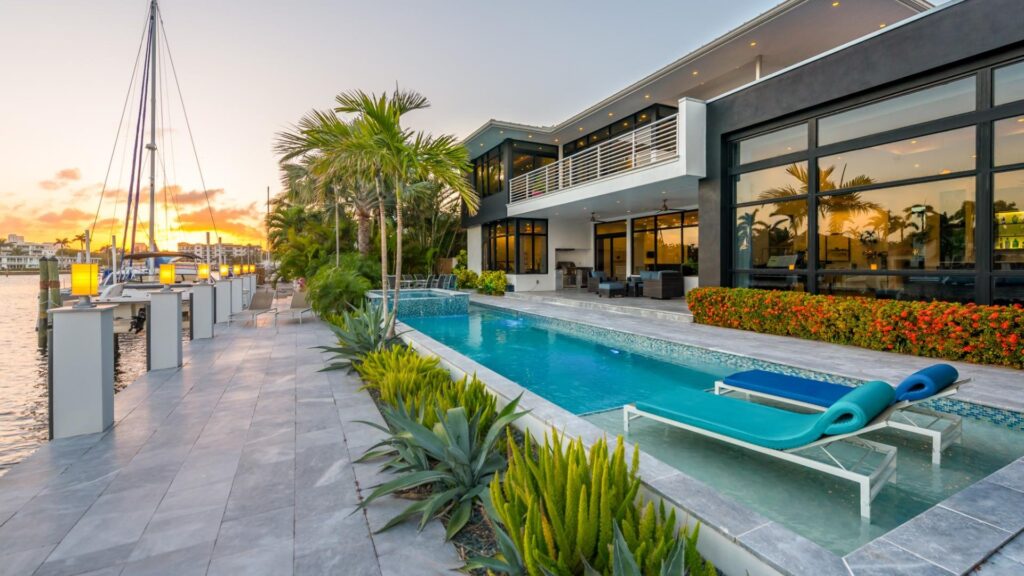
A Fort Lauderdale canal home buyer gets a private dock, direct canal access to the Intracoastal, and the ability to keep a boat year-round without seasonal storage costs.
Buyers who want to see what top-tier deepwater canal inventory looks like can browse homes for sale in Las Olas Isles, where properties combine direct Intracoastal access with proximity to Fort Lauderdale’s primary lifestyle corridor.
The neighborhoods with the deepest canals and most direct Intracoastal access also sit close to Las Olas Boulevard, adding walkable dining and retail to the water lifestyle.
Flood Zones and Insurance in Fort Lauderdale
Fort Lauderdale canal properties require flood insurance in designated FEMA flood zones, the same as any lakefront property. Insurance costs vary by zone designation, structure elevation, and building age.
Buyers should obtain complete insurance quotes on any specific Fort Lauderdale canal property before going under contract, using the same discipline recommended for lake house purchases.
Want Waterfront Living With Better Returns and Year-Round Use?
If the lake house lifestyle is what you are after, Fort Lauderdale’s waterfront canal market deserves a direct look before you buy.
The same water views, private dock, and morning-on-the-water routine come with ocean access, year-round usability, and appreciation that most lake markets have yet to match. The Dotoli Group works exclusively in Fort Lauderdale’s waterfront market.
Contact the team to get a current list of canal homes across all price ranges, along with a straightforward comparison to the lake market you are considering.