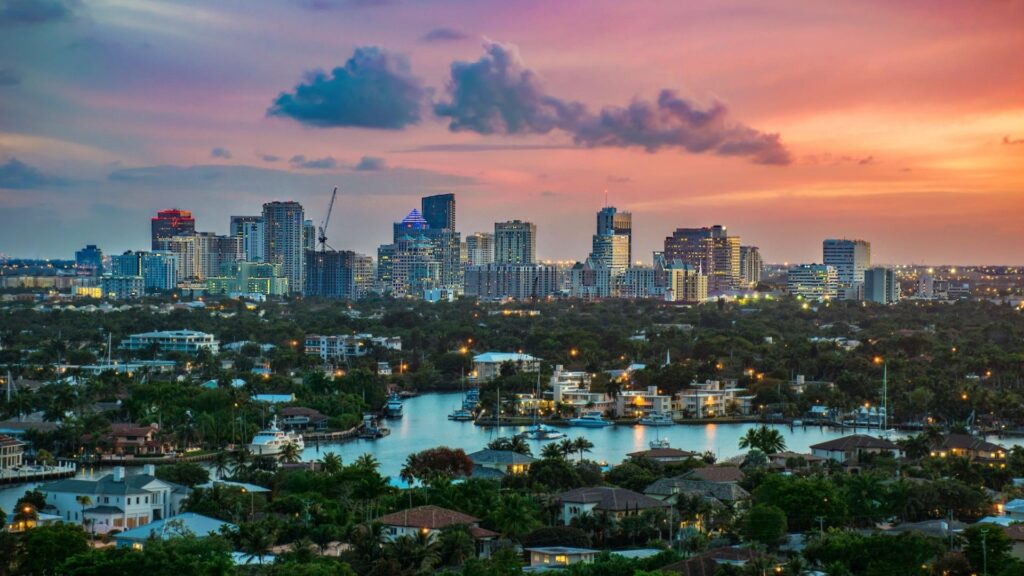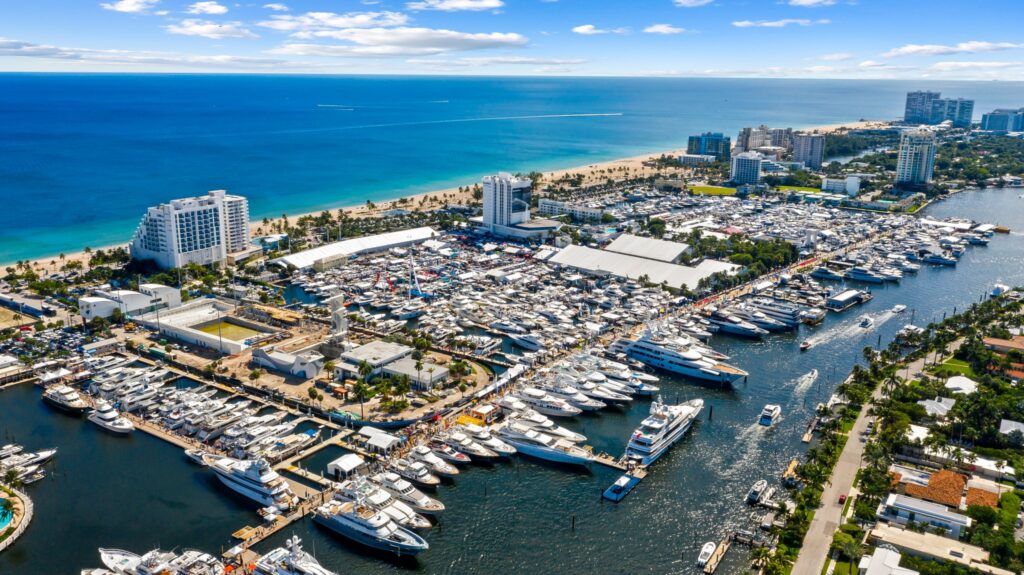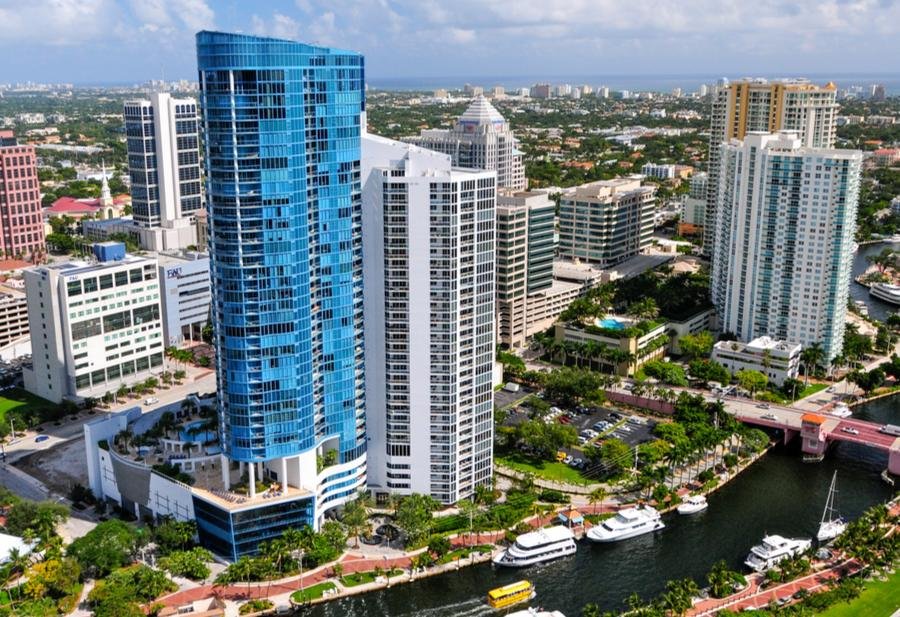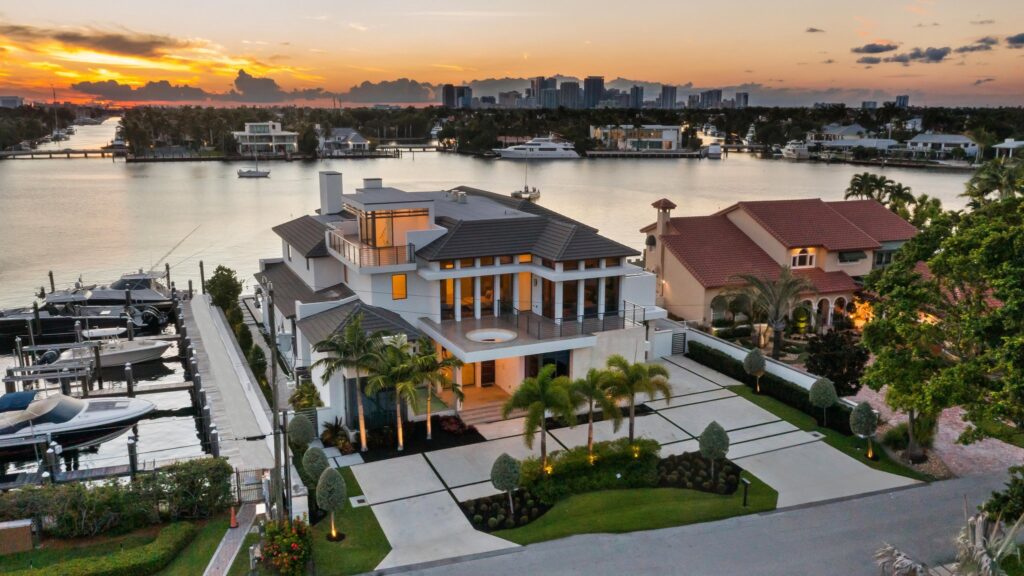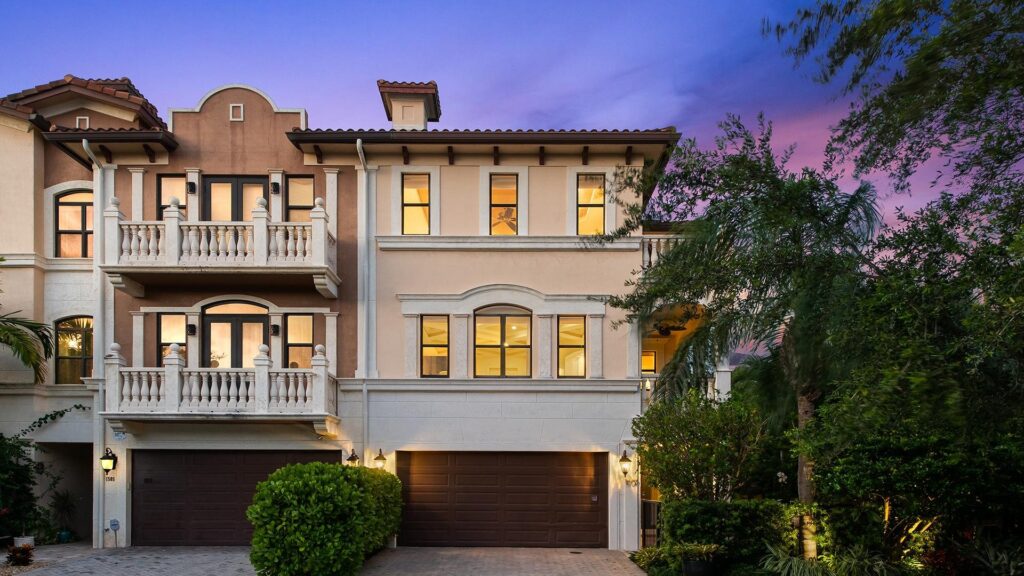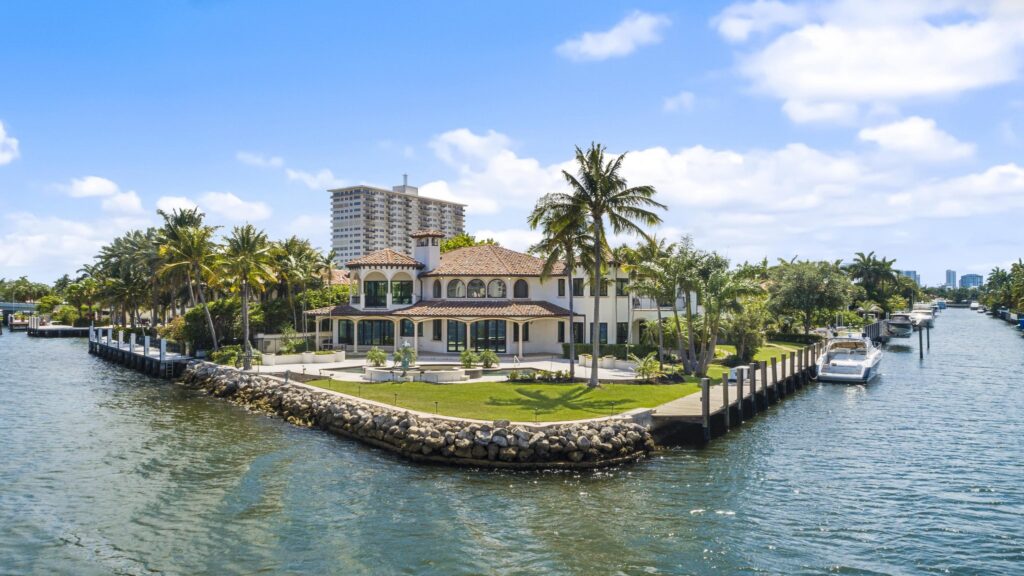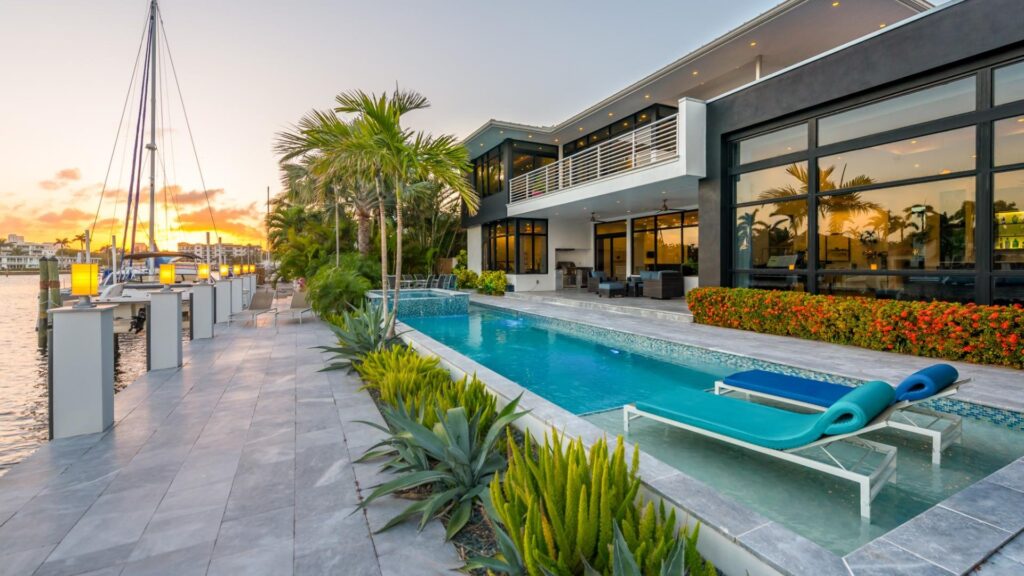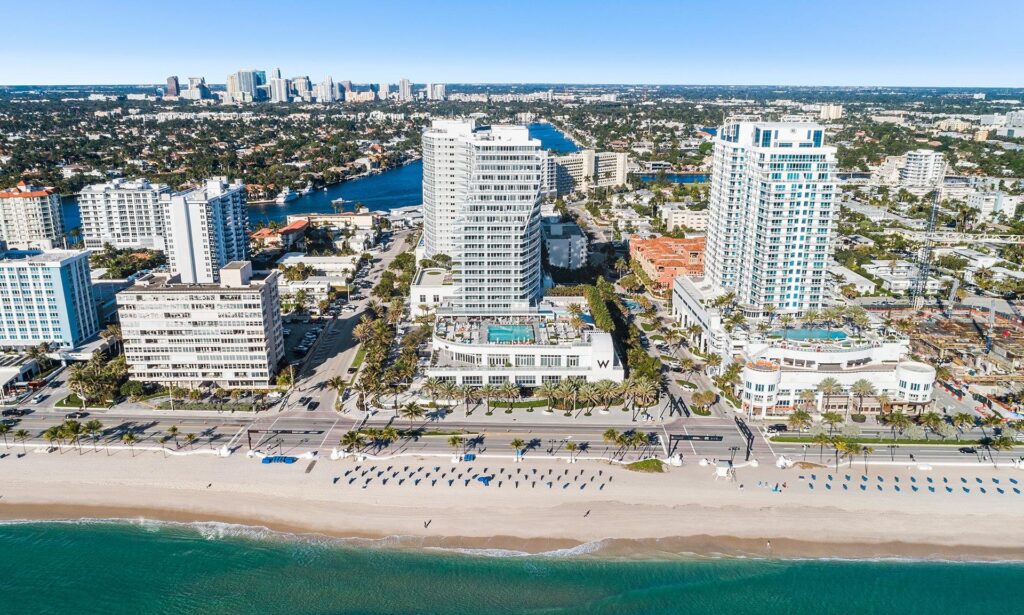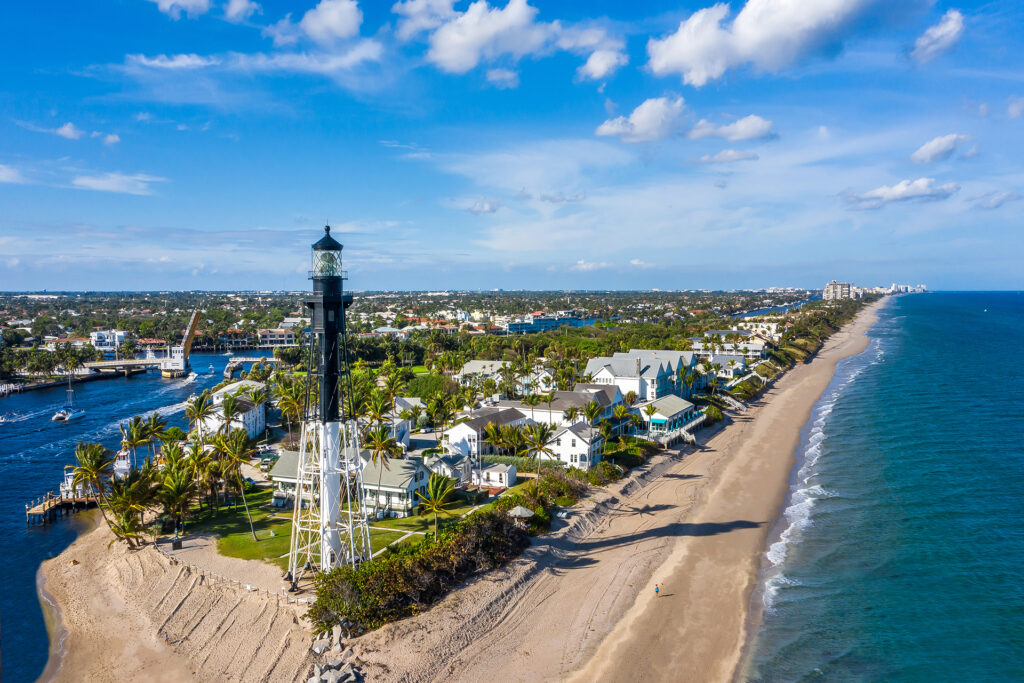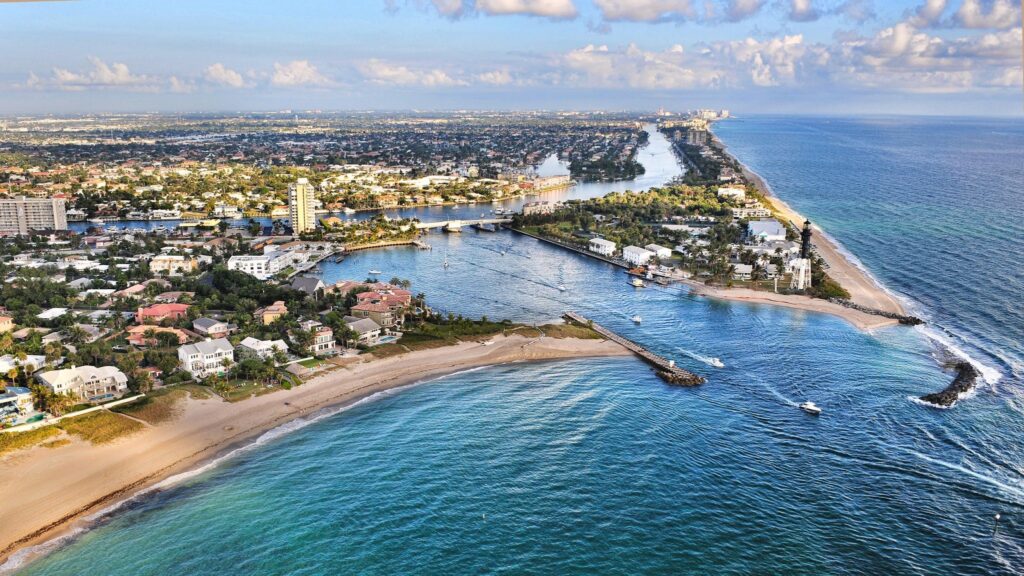
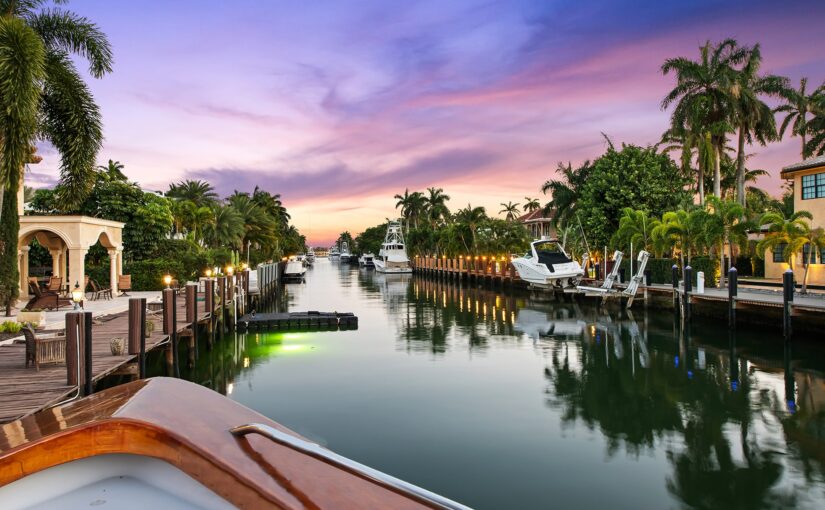

Fort Lauderdale has over 165 miles of navigable waterways, more than almost any other city in the United States. That gives buyers an extraordinary range of waterfront options, from direct ocean-access properties on deep-water canals to interior lots on quieter residential waterways.
Choosing the wrong one is an expensive mistake. This guide covers every factor that matters before you make an offer on a luxury waterfront home in Fort Lauderdale.
Why do you want a waterfront home, and does this property actually deliver it?
Before anything else, get specific about how you intend to use the water. A buyer who wants to dock a 50-foot yacht has entirely different requirements than a buyer who wants a pool and a view. The property that works for one will fail the other, regardless of price.
Questions to answer before you tour:
- What size vessel do you own or plan to own, and what draft does it require?
- Do you need direct ocean access, or is Intracoastal access sufficient?
- Is boating the priority, or is the waterfront primarily for lifestyle, view, and resale value?
- Are you buying as a primary residence, a vacation home, or an investment?
Your answers determine which neighborhoods and which canal types belong on your shortlist. Las Olas Isles and Seven Isles offer deep-water canals with ocean access.
Rio Vista and Coral Ridge offer more protected waterways, better suited to smaller boats and lifestyle buyers. Interior canal properties in neighborhoods like Victoria Park may have scenic water views but limited navigability.
What do you need to know about the body of water before making an offer?
Water depth and water access are not givens on any Fort Lauderdale waterfront property. Each canal has its own depth profile, and that depth can change with sediment buildup over time. A canal that comfortably accommodated a 45-foot boat when the home was built may not do so today.
Water depth: Request a current depth survey, not the seller’s verbal assurance. The minimum depth you need depends on your vessel’s draft plus a safety margin. Shallow-draft canals in older Fort Lauderdale neighborhoods can run as low as 4 to 6 feet at low tide, which eliminates most cruising vessels.
Bridge clearance: Fort Lauderdale has fixed bridges throughout its canal system. Fixed bridge clearances in the city typically range from 21 to 25 feet. If your vessel has a tall mast, flybridge, or radar arch, a single fixed bridge between the property and open water can make the home unusable for your needs. Verify every bridge on the route from the dock to the Intracoastal or inlet before committing.
Water quality and use: If swimming or paddling matters to you, check the water quality data for the specific waterway. Heavily trafficked canals near marinas may not meet your expectations for recreational use.
What should a seawall inspection cover, and what does it cost to repair?
The seawall is one of the most important structural elements of any Fort Lauderdale waterfront property, and one of the most expensive to repair or replace if neglected. Do not waive the seawall inspection.
A qualified marine inspector should check for:
- Horizontal or vertical cracking in the cap or wall panels
- Separation between the seawall and the cap
- Erosion or sinkholes behind the wall (a sign that the wall is leaking soil)
- Tie-rod condition and spacing
- Evidence of prior repair work that masked underlying deterioration
Cost context: Seawall repair in South Florida ranges widely depending on the extent of the damage and the linear footage involved. Partial repairs and cap replacement typically run $500 to $1,000 per linear foot.
Full seawall replacement can exceed $1,500 per linear foot for a concrete panel system. A 100-foot seawall in poor condition can represent a $100,000 to $150,000 liability that does not show up in the listing price.
If the seawall has known issues, negotiate accordingly or walk away. Seawall costs are not discretionary; a failing seawall will eventually undermine the property itself.
What flood zone is the property in, and what will insurance cost?
Every waterfront property in Fort Lauderdale sits within a FEMA-designated flood zone. The zone determines your mandatory flood insurance requirements and directly affects your annual carrying cost.
Zone AE is the most common designation for Fort Lauderdale waterfront homes.
It indicates a 1% annual chance of flooding (the so-called 100-year flood zone). Flood insurance is mandatory for any federally backed mortgage on a Zone AE property.
What to verify before closing:
- Pull the current FEMA Flood Insurance Rate Map (FIRM) for the specific parcel at msc.fema.gov. Do not rely on the listing description.
- Request the current elevation certificate for the property. The home’s Base Flood Elevation (BFE), relative to its finished floor elevation, determines your insurance premium more than the zone alone does.
- Get flood insurance quotes before you make an offer, not after. In South Florida, flood insurance for a waterfront home can range from $3,000 to $15,000 or more annually, depending on elevation, flood zone, and coverage amount.
- Factor in wind insurance separately. South Florida wind insurance premiums on luxury waterfront homes are substantial and are priced independently of flood coverage.
The combined annual insurance cost on a Fort Lauderdale luxury waterfront property is often $20,000 to $40,000 or more. That figure should be included in your budget analysis before you make an offer.
Does the property have a permitted dock, and what are the restrictions?
In Fort Lauderdale, dock construction and modification require permits from the City of Fort Lauderdale and, depending on the waterway, permits from Broward County and the Florida Department of Environmental Protection. An unpermitted dock is a problem that transfers to the buyer at closing.
What to check:
- Request documentation of the existing dock permit from the seller. Verify it matches the current dock structure.
- Confirm that the dock dimensions and configuration comply with current City of Fort Lauderdale setback requirements.
- If you plan to add a lift, extend the dock, or modify the structure, ask a local marine contractor to review what is permissible on this specific parcel before you close.
- Check whether the property is on a navigable waterway that requires Coast Guard compliance for any dock lighting or obstruction markings.
An unpermitted dock may need to be brought into compliance or removed entirely after closing. Either outcome costs money and time. Verify permits before you commit.
What ongoing maintenance costs should waterfront buyers plan for?
Waterfront homes carry maintenance costs that non-waterfront homes do not. Budget for these annually:
| Maintenance Item | Typical Annual Cost (Fort Lauderdale) |
|---|---|
| Seawall inspection | $300 to $600 |
| Dock and lift maintenance | $500 to $2,000 |
| Marine-grade exterior paint (saltwater environment) | $3,000 to $8,000 per repaint cycle |
| HVAC service (higher frequency in salt air) | $500 to $1,500 |
| Landscaping (seawall-adjacent erosion management) | $1,500 to $5,000 |
| Pest control (elevated moisture environment) | $600 to $1,200 |
Salt air accelerates corrosion on everything: hardware, HVAC components, window frames, railings, and appliances. Luxury waterfront homes in Fort Lauderdale require more frequent maintenance than comparable inland properties. Buyers who factor this in at purchase are not surprised later.
How do you choose the right agent for a luxury waterfront purchase in Fort Lauderdale?
Waterfront real estate in Fort Lauderdale is a specialized market. The questions that matter on these transactions, water depth, bridge clearances, seawall condition, dock permits, and flood elevation certificates, are not standard residential real estate knowledge.
You need an agent with direct waterfront sales experience in the Fort Lauderdale market, not a generalist who has handled a few waterfront deals.
Before engaging an agent, ask:
- How many Fort Lauderdale waterfront transactions have you closed in the past 24 months?
- Which waterfront neighborhoods do you know best, and why?
- Can you walk me through the due diligence checklist specific to waterfront properties?
- Do you have relationships with marine inspectors, seawall contractors, and waterfront insurance specialists?
An experienced Fort Lauderdale waterfront agent will answer these questions without hesitation. They will also know which canals have depth issues, which neighborhoods have HOA restrictions on dock size, and which properties have had seawall problems that show up in prior disclosure history.
Frequently Asked Questions
What is the most important thing to check before buying a waterfront home in Fort Lauderdale?
Water depth and bridge clearance are the first checks for boat owners. If the canal is too shallow for your vessel or a fixed bridge blocks your route to open water, no other feature of the property matters. For buyers without a boat, seawall condition and flood zone designation are the highest-priority items because they carry the highest potential cost.
How much does a seawall cost to replace in Fort Lauderdale?
Full seawall replacement in South Florida typically runs $1,000 to $1,500 per linear foot for a concrete panel system. A standard 80- to 100-foot seawall can cost $100,000 to $150,000 or more to replace. Always get a seawall inspection from a qualified marine engineer before closing, and price any known issues into your offer.
Is flood insurance required for waterfront homes in Fort Lauderdale?
Yes, for any property with a federally backed mortgage in a FEMA Special Flood Hazard Area (Zone AE or higher), flood insurance is mandatory. Most Fort Lauderdale waterfront properties fall into Zone AE. Even if you are paying cash, flood insurance is strongly recommended. Premiums vary significantly based on the property’s elevation certificate, so get a quote before making an offer.
What is a fixed bridge and why does it matter for waterfront buyers?
A fixed bridge has no vertical clearance adjustment. Unlike a drawbridge, it cannot open. Fort Lauderdale has numerous fixed bridges throughout its canal system, typically with 21 to 25 feet of vertical clearance. If your boat’s mast or bridge height exceeds the clearance of a fixed bridge between the property and the Intracoastal, that property is not usable for your boating needs.
Do I need to check dock permits before buying?
Yes. An unpermitted dock transfers with the property, and the new owner becomes responsible for bringing it into compliance or removing it. Request proof of permit for the existing dock structure before closing. If you plan to modify or add a dock, confirm what is permissible on the specific parcel with the City of Fort Lauderdale before you commit.
How do I find the right waterfront real estate agent in Fort Lauderdale?
Ask specifically about waterfront transaction volume in Fort Lauderdale over the past 24 months, not general real estate experience. A qualified waterfront agent should be able to explain canal depth differences between neighborhoods, discuss typical seawall inspection findings, and refer you to marine inspectors and waterfront insurance specialists without hesitation.
Looking to buy a luxury waterfront home in Fort Lauderdale?
Dotoli Group specializes in Fort Lauderdale waterfront residential sales. We know the canals, the bridge clearances, the neighborhoods, and the due diligence process that protects buyers in this market. Contact us to start your search or to get a waterfront-specific assessment of any property you are considering.