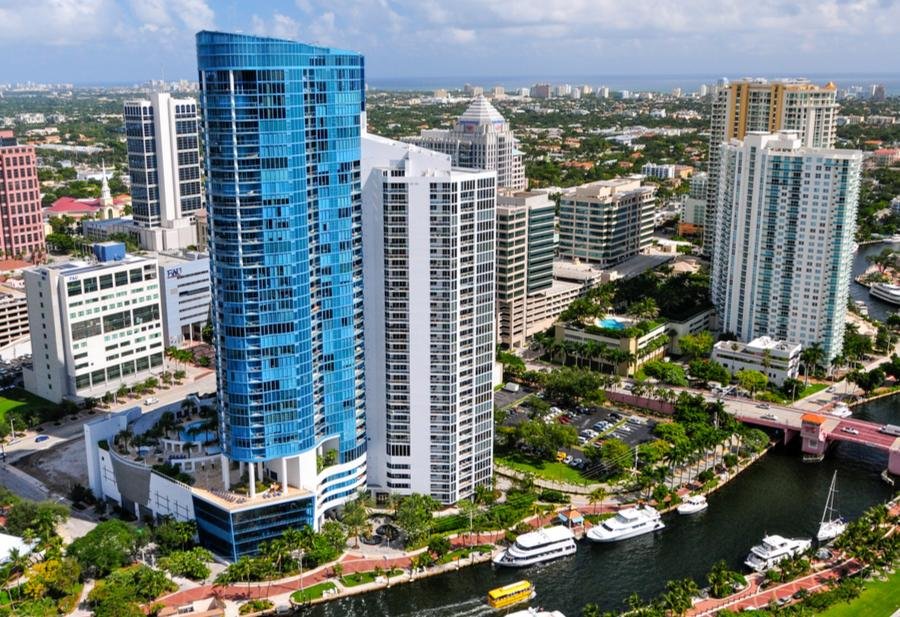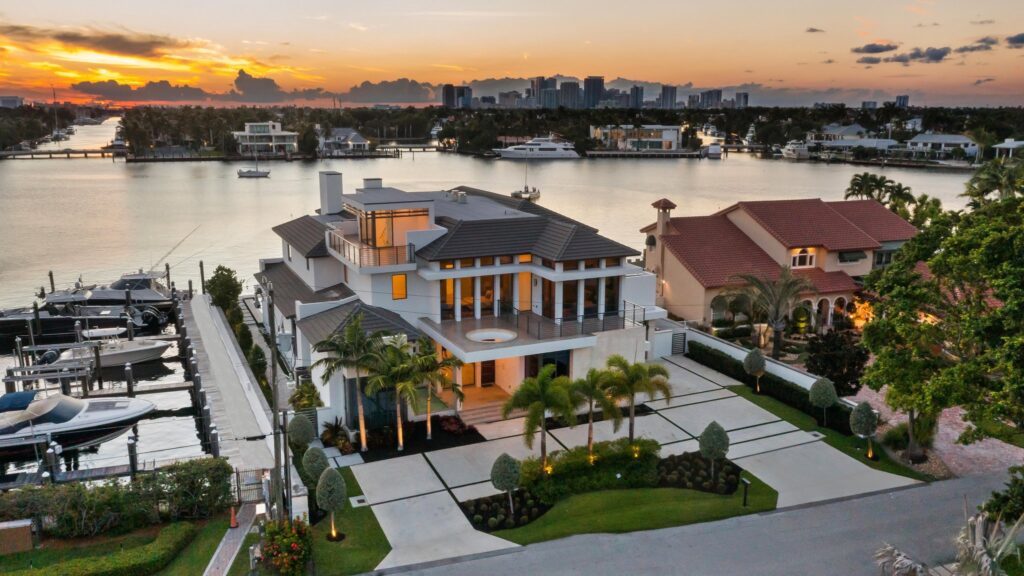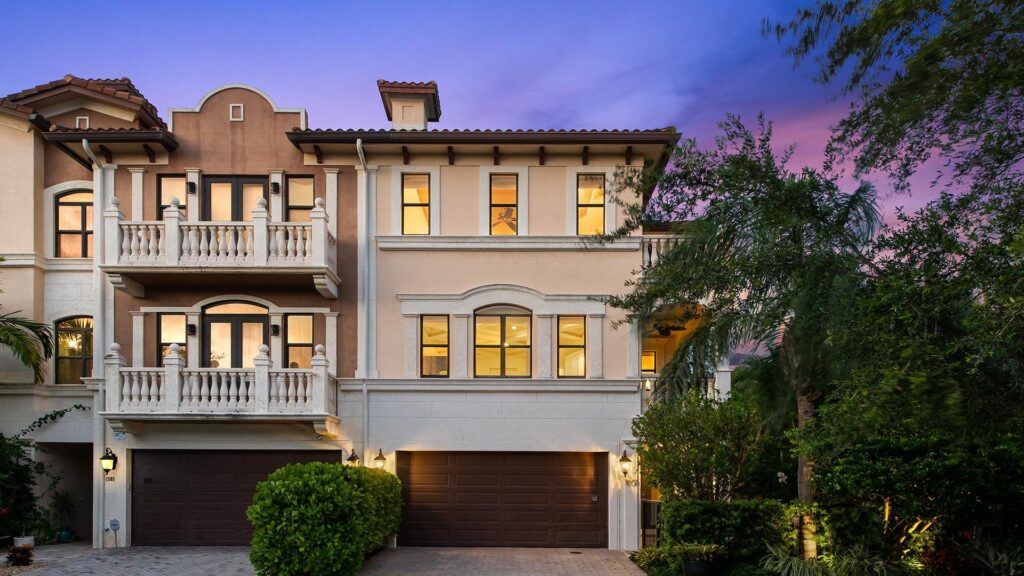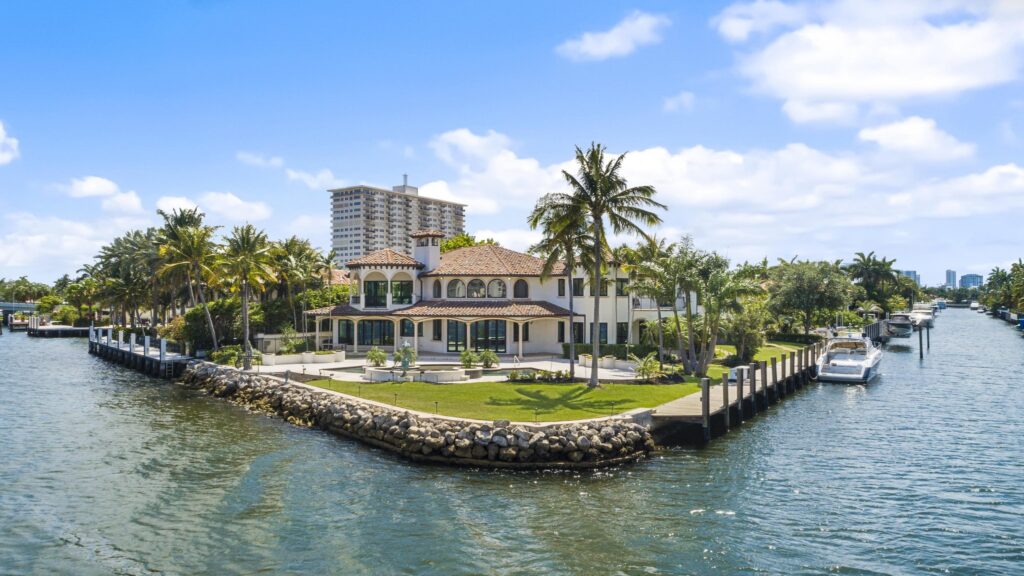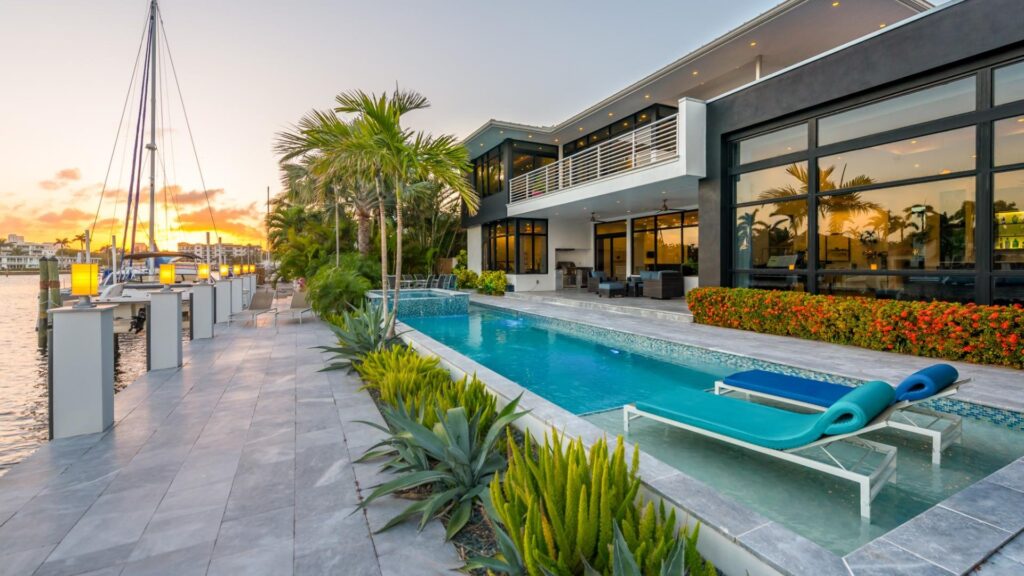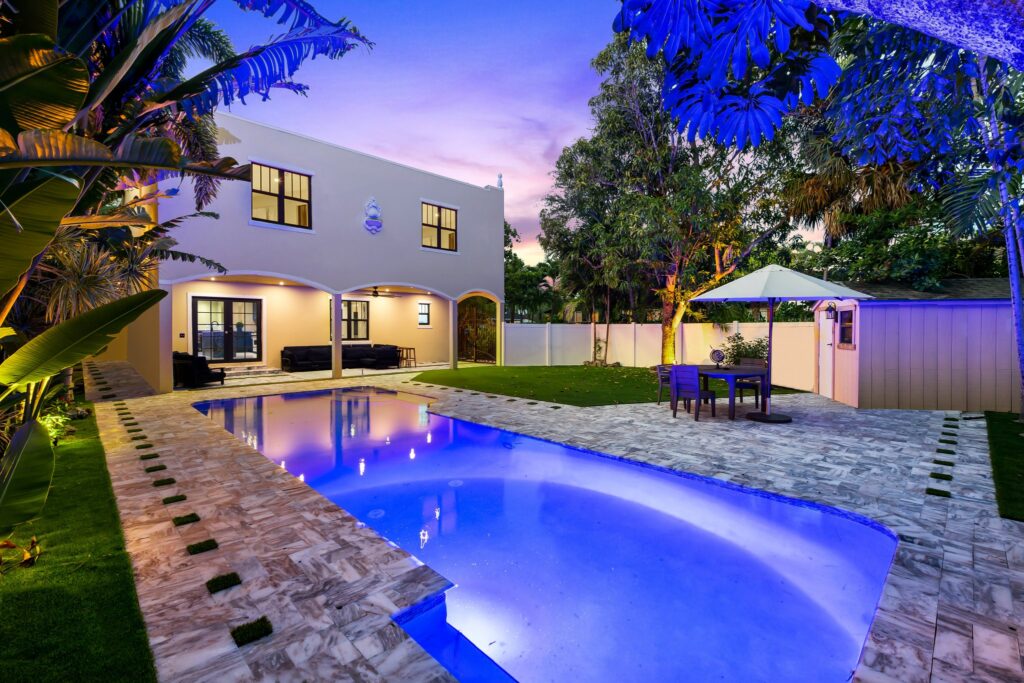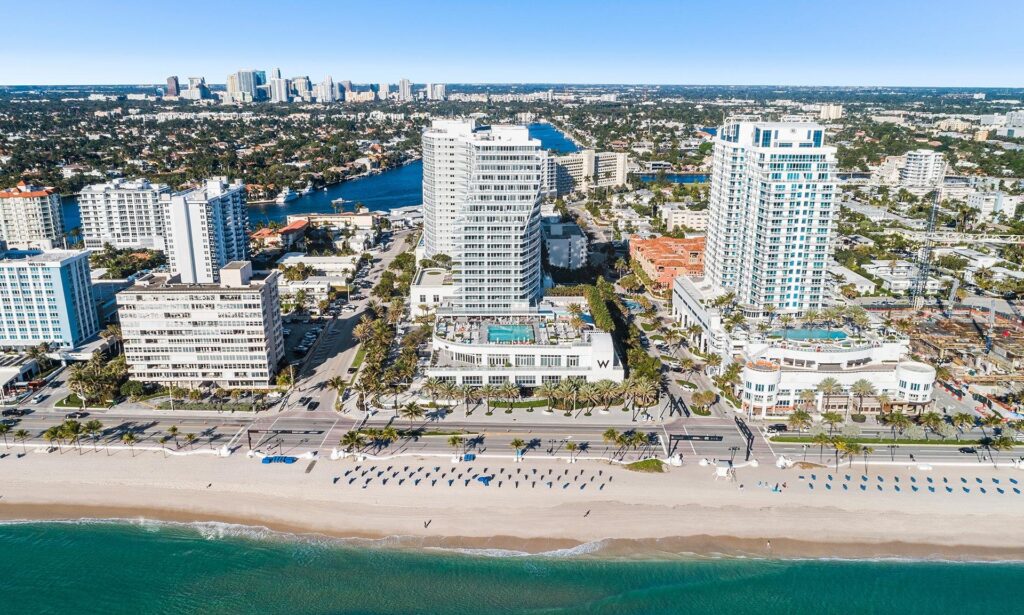
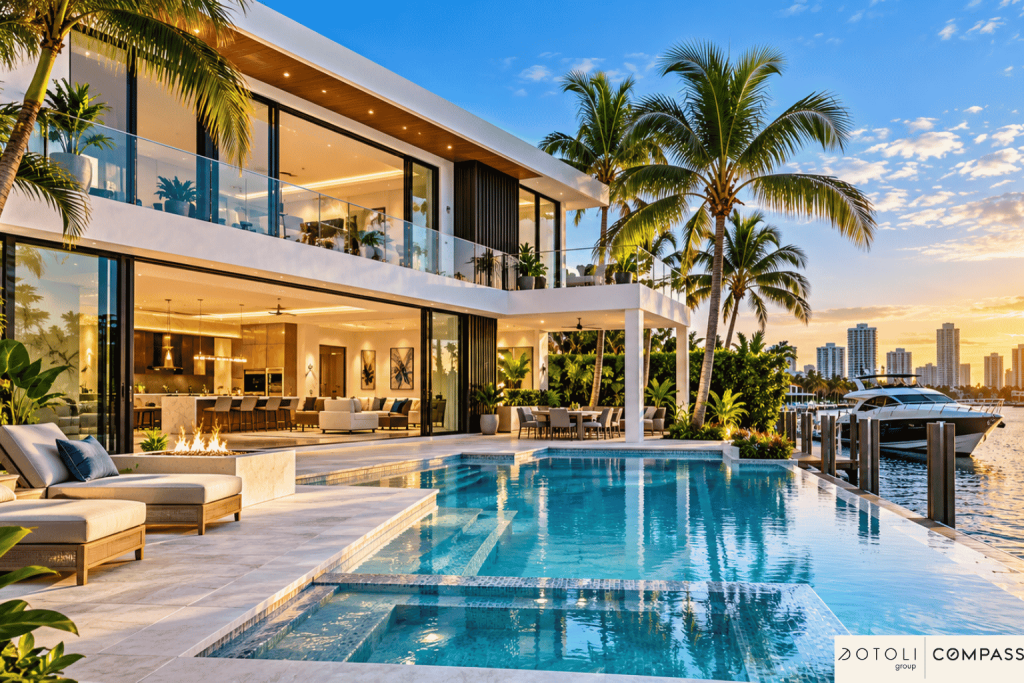

Buying a home in Fort Lauderdale lets you choose not only where you live, but also how you want to live. From contemporary architecture and open floor plans to modern building systems and personalized finishes, new construction lets buyers purchase a home designed around today’s needs.
Buying a new construction home in Fort Lauderdale can offer modern layouts, newer building systems, customization options, and potential builder warranty protection. However, a newly built home’s value depends on more than its appearance. Buyers should also evaluate the builder, contract terms, construction quality, insurance costs, location, and total cost of ownership.
For buyers considering luxury residences, waterfront properties, or newly built homes in South Florida, understanding these factors can help determine whether new construction is the right choice.
Here are the main advantages of buying a new construction home in Fort Lauderdale, along with key details to consider before deciding.
1. Enjoy Modern Design and Contemporary Living Spaces
One of the biggest attractions of new construction is the opportunity to purchase a home designed around modern lifestyles.
Older homes can offer architectural character and established landscaping, but their layouts may not suit every buyer. New construction often incorporates open living areas, larger windows, integrated kitchens, flexible rooms, and indoor-outdoor spaces.
What Modern Features Can You Expect in a New Home?
Depending on the builder, property, and price point, features may include:
- Open-concept kitchens and living areas.
- Walk-in closets and well-designed storage.
- Flexible rooms for home offices, guests, or hobbies.
- Contemporary bathrooms and kitchen finishes.
- Smart-home wiring and selected connected devices.
- Covered outdoor living areas and private pools.
- Attached garages and dedicated utility spaces.
In Fort Lauderdale, indoor-outdoor living can be particularly appealing. A home with a covered terrace, pool, landscaped yard, or outdoor entertaining area may suit buyers who enjoy spending time outside year-round.
Features vary significantly by builder and price range. Review the property’s specifications and finish schedule rather than assuming every advertised feature is included in the purchase price.
Why Layout Matters as Much as Appearance
A beautiful home should also function well for your daily routine.
Consider how the kitchen connects to the living area, whether guest bedrooms offer adequate privacy, how much storage is available, and whether the floor plan accommodates future needs.
For relocating families, these details may be more important than decorative upgrades. For luxury buyers, the relationship between entertaining spaces, bedrooms, outdoor areas, and privacy may determine whether the home suits their lifestyle.
2. Benefit From Newer Building Systems and Potentially Lower Initial Maintenance
A newly constructed home generally has newer major systems and components than an older property. This may reduce the need for certain immediate repairs, depending on construction quality, materials, installation, and maintenance.
Which Systems Are Typically New?
A newly built home may include new:
- Roofing materials and structural components.
- Electrical wiring and distribution equipment.
- Plumbing systems and fixtures.
- Heating, ventilation, and air-conditioning equipment.
- Windows, exterior doors, and insulation.
- Appliances and other installed equipment.
Having new systems can be an advantage because buyers are less likely to inherit the accumulated wear found in some older properties.
However, new construction does not mean maintenance-free ownership. Poor workmanship, installation issues, defective materials, drainage problems, and equipment failures can occur in newly built homes.
Before closing, arrange an independent inspection and document any incomplete work or defects. A new home deserves careful evaluation even when the builder has completed its own inspections.
What Should Fort Lauderdale Buyers Check?
South Florida’s climate makes it important to understand how a property handles heat, humidity, heavy rain, and potential storm exposure.
Ask about drainage around the home, air-conditioning performance, roof and window specifications, moisture management, and any features intended to improve resilience.
For waterfront or flood-prone locations, independently investigate the property’s flood exposure, elevation information, and insurance requirements. New construction does not eliminate location-related risks.
3. Take Advantage of Modern Energy-Efficient Features
Energy efficiency is another potential benefit of new construction. Depending on the design and specifications, a newly built home may include more efficient air-conditioning equipment, insulation, windows, lighting, and appliances than an older property.
In Fort Lauderdale’s warm climate, cooling and humidity control are particularly important considerations.
Which Features Can Improve Energy Performance?
Look for details such as:
- Properly sized, efficient HVAC equipment.
- Insulation appropriate for the building design.
- Energy-efficient windows and exterior doors.
- LED lighting and efficient appliances.
- Programmable thermostats and compatible smart controls.
- Proper air sealing and ventilation.
- Efficient water-heating systems.
The actual benefit depends on the home’s design, installation quality, operating habits, and energy rates.
How Can You Evaluate Energy Efficiency Before Buying?
Ask the builder for specifications covering the HVAC system, insulation, windows, appliances, and other relevant components. Where available, review energy ratings, certifications, or performance documentation.
Also ask whether the home includes solar equipment or other energy systems and whether those systems are owned, leased, or subject to separate agreements.
Do not assume a new home will automatically produce lower utility bills. Request evidence where possible, and compare the specifications with those of other properties you are considering.
4. Customize the Home to Match Your Preferences
Buying during construction can let you personalize certain features before the home is completed.
Depending on the builder, stage of construction, and purchase agreement, buyers may be able to select finishes, cabinetry, flooring, countertops, lighting, fixtures, and other design details.
Which Upgrades Should You Consider?
Prioritize features that affect how you use the home every day.
For example, you might prefer additional kitchen storage, better lighting, practical flooring, or a more functional home office over purely decorative upgrades.
For luxury buyers, customization may extend to outdoor entertaining areas, built-in storage, upgraded appliances, bathroom finishes, and selected smart-home features.
Customization options are not unlimited. Some builders restrict changes once construction reaches a certain stage, and structural changes may require additional approvals, time, and cost.
Understand Upgrade Costs Before Signing
A model home may include premium finishes, landscaping, appliances, lighting, or other upgrades not included in the advertised base price.
Before committing, ask for a written list of included features and optional upgrades. Confirm the cost of each selection, payment deadlines, whether changes are refundable, and how upgrades affect the final purchase price.
Also ask whether the builder allows independent contractors to make changes before closing. Many builders restrict outside work during construction.
The goal is to get a home that meets your needs without letting optional upgrades push your budget beyond a comfortable level.
5. Understand the Protection Offered by Builder Warranties
One potential advantage of buying a newly constructed home is access to builder warranty protection. However, warranty coverage varies, and buyers should understand the precise terms rather than assuming every repair will be covered.
What Does Florida Law Say About New Home Warranties?
Florida Statutes Section 553.837 provides a mandatory warranty for qualifying newly constructed single-family homes, duplexes, triplexes, and quadruplexes that have not previously been occupied.
The statute requires a builder to warrant qualifying construction defects in equipment, materials, or workmanship supplied by the builder or its subcontractors or suppliers when those defects materially violate the Florida Building Code. The statutory period is one year after the original conveyance of title to the initial owner or initial occupancy of the dwelling, whichever occurs first, subject to the law’s provisions and exclusions.
The statute also permits qualifying express written warranties to supersede its provisions when they meet the specified coverage requirements.
Read the Florida statute on mandatory builder warranties for the legal details. Condominium purchases and other property types may be governed by different provisions.
What Should You Review in the Builder’s Warranty?
Before closing, request the complete warranty documents and check:
- Which construction defects are covered.
- The coverage duration for different components.
- How defects must be reported.
- Whether there are deadlines or required forms for warranty claims.
- Which repairs, appliances, or equipment are excluded.
- Whether additional manufacturer warranties apply.
- How disputes and repair requests are handled.
A builder’s warranty is not a substitute for an independent inspection, and it does not guarantee that the home will be free from defects.
Document issues promptly, retain relevant communications, and follow the warranty’s procedures. If a dispute arises, consider seeking qualified legal advice.
6. Buy With Building Standards Designed for Modern Requirements
New construction must comply with applicable building requirements, permits, and inspections. These requirements help establish standards for safety and construction, although compliance does not guarantee perfect workmanship or eliminate every property risk.
Florida’s building code addresses multiple aspects of residential construction, including structural design, building systems, and requirements relevant to wind and flood hazards.
The applicable code edition and local requirements depend on the project and relevant permit dates. Buyers should not assume every newly built home has identical features or that every home is designed to withstand every possible storm event.
What Should Buyers Verify?
Ask the builder or appropriate professionals about:
- The permits issued for the project.
- Required inspections and their status.
- The applicable building code and relevant approvals.
- Documentation for major systems and installed products.
- Final approvals required for occupancy.
- Any outstanding work or unresolved inspection items.
The Florida Building Commission’s official code resources provide access to building-code information.
For a home within Fort Lauderdale, buyers can also consult the city’s Development Services Department for relevant permitting and building information.
Where applicable, confirm that required final inspections are complete and that the necessary certificate of occupancy or equivalent authorization has been issued before taking possession.
7. Choose a Floor Plan That Fits Your Long-Term Needs
New construction can make it easier to find a floor plan that suits your current lifestyle and anticipated needs.
Rather than adapting an older layout, buyers may be able to choose from plans with different bedroom configurations, office space, storage, outdoor living areas, and other features.
Think Beyond Your Immediate Requirements
Before choosing a floor plan, consider:
- Whether you need space for remote work.
- How frequently you host family or guests.
- Whether ground-floor living space is important.
- How much storage and parking you require.
- Whether the layout can accommodate changing household needs.
- How much indoor and outdoor maintenance you are comfortable managing.
A larger home is not automatically a better choice. More square footage can also mean higher purchase costs, insurance expenses, utility consumption, and maintenance requirements.
Focus on a layout that supports your lifestyle without adding unnecessary space or cost.
8. Compare New Construction With Existing Homes Before Deciding
New construction is not automatically better than an existing home. The right choice depends on the property’s location, price, condition, features, and the buyer’s priorities.
Fort Lauderdale offers a range of homes, from newly built residences to established properties in mature neighborhoods. Carefully comparing these options can help you identify the best overall fit.
| Consideration | New construction | Existing home |
|---|---|---|
| Design | Often reflects contemporary layouts and finishes | May offer distinctive architecture or established layouts |
| Systems | Major systems are generally newer | Condition and remaining useful life vary |
| Customization | May be possible during construction | Usually involves renovation or remodeling |
| Maintenance | Some immediate repair needs may be lower, but defects can still occur | Depends on age, condition, and previous maintenance |
| Warranty | Builder or manufacturer coverage may apply | Existing warranties may be limited, expired, or transferable |
| Landscaping | May be newly installed and less mature | May offer established trees and landscaping |
| Location | Depends on available new-build sites and developments | May offer more options in established neighborhoods |
| Price | Base prices may exclude upgrades or additional costs | Asking price and condition vary considerably |
| Timing | Completion dates may change if construction is ongoing | A completed home may offer a more predictable move-in timeline |
How Should You Compare the Total Cost?
Compare the total cost of acquiring and owning each property, not just the asking price.
For new construction, account for:
- Base purchase price and optional upgrades.
- Landscaping, window treatments, and appliances not included.
- Closing expenses and applicable community fees.
- Insurance, taxes, utilities, and routine maintenance.
- Potential costs associated with construction delays or temporary accommodation.
For an existing home, consider:
- Purchase price and closing expenses.
- Inspection findings and likely repairs.
- Renovation or modernization costs.
- Insurance, taxes, utilities, and ongoing maintenance.
- Potential replacement costs for aging systems.
Use written builder specifications, actual insurance quotes, inspection reports, and lender estimates to populate your comparison. Avoid generic cost assumptions when you have property-specific information.
Also compare the locations. A completed home in an established neighborhood may better suit your needs than a newly built property farther from your preferred amenities. Conversely, a new home with the right layout and specifications may reduce the need for immediate renovations.
The best choice is the property that meets your requirements at a total cost and risk level you are comfortable accepting.
9. Evaluate the Builder and the Community, Not Just the House
When purchasing new construction, the builder and surrounding development are important parts of the decision.
A well-designed home can still be a poor fit if the construction timeline is uncertain, the contract is unfavorable, the community does not suit your lifestyle, or the total costs exceed your budget.
Questions to Ask the Builder
Before signing, consider asking:
- What exactly is included in the purchase price?
- Which upgrades cost extra?
- What is the expected completion date, and what happens if construction is delayed?
- What warranty coverage is provided?
- Can I hire an independent inspector during construction and before closing?
- Which permits, inspections, and approvals apply to the home?
- Are there homeowners association fees, restrictions, or planned assessments?
- What happens if the completed home differs from the plans or specifications?
- What deposits and payments are required, and under what circumstances may they be refunded?
- Are there any outstanding items that must be completed before closing?
Have a qualified real estate attorney review the purchase agreement, especially when the contract involves a home that has not yet been completed.
10. Your New Construction Home Inspection Checklist
Even when purchasing directly from a builder, an independent inspection can help identify items that need attention before closing.
When the contract and construction schedule allow, consider arranging inspections at the appropriate stages. Discuss the timing with your inspector and builder before work is concealed or the home is completed.
Before Construction or Early in the Process
- Review the purchase agreement, specifications, and floor plans.
- Confirm the included features and optional upgrades.
- Understand the builder’s inspection and quality-control process.
- Check the planned construction schedule and payment terms.
During Construction, Where Access Is Permitted
- Arrange appropriate inspections before major components are concealed.
- Confirm that significant changes are documented.
- Review available permit and inspection records.
- Keep copies of approved plans, specifications, and selections.
Before Closing
- Arrange an independent inspection by a qualified professional.
- Test accessible systems, fixtures, appliances, and doors.
- Review drainage, visible exterior finishes, and accessible roof areas as appropriate.
- Document incomplete work and defects in writing.
- Confirm the process for resolving outstanding items.
- Obtain the warranty documents, operating manuals, and relevant approvals.
- Confirm required final inspections and occupancy authorization.
An inspection does not guarantee that it will discover every defect. It provides another source of information to help you understand the home’s condition and decide what needs to be resolved before closing.
Find the Right New Construction Home in Fort Lauderdale
Buying a newly constructed home can offer an appealing combination of modern design, newer systems, personalization options, and potential warranty protection. But the strongest purchase decisions come from understanding the details behind the property.
Before committing, compare the total costs, evaluate the builder and community, review the contract, arrange independent inspections, and investigate the property’s insurance and location-specific risks.
Whether you are considering a luxury residence, a modern single-family home, or a new development in Fort Lauderdale, the goal is to find a property that fits your lifestyle and financial plans.
Ready to explore new construction homes in Fort Lauderdale?
Connect with the DOTOLI Group to discuss your property requirements, preferred neighborhoods, and homebuying goals.