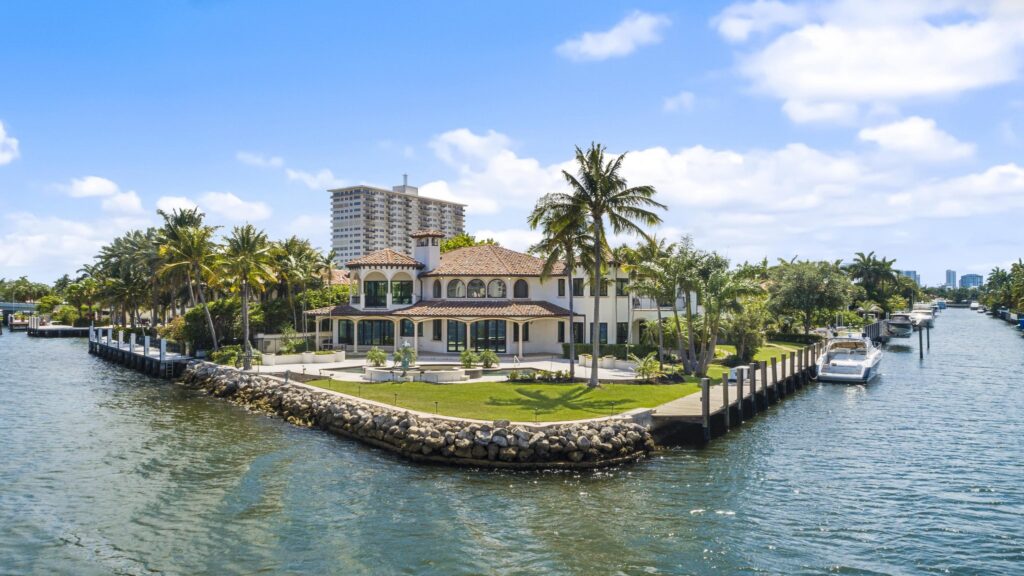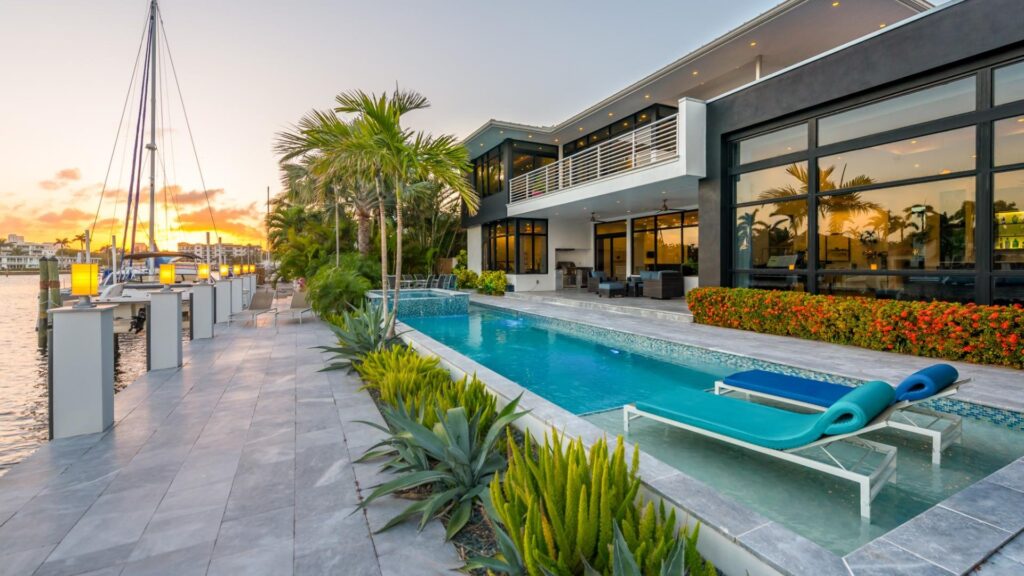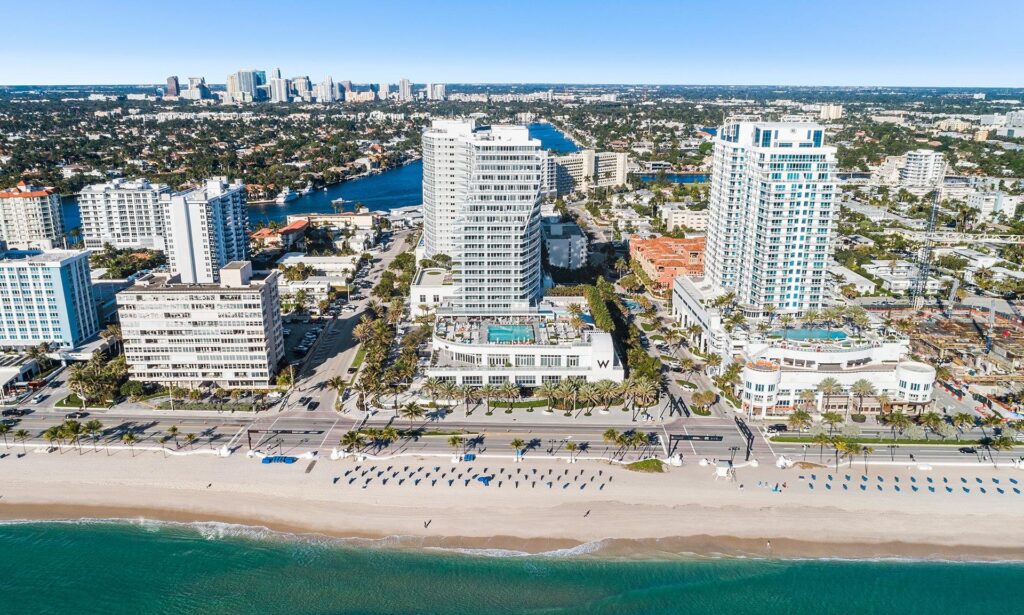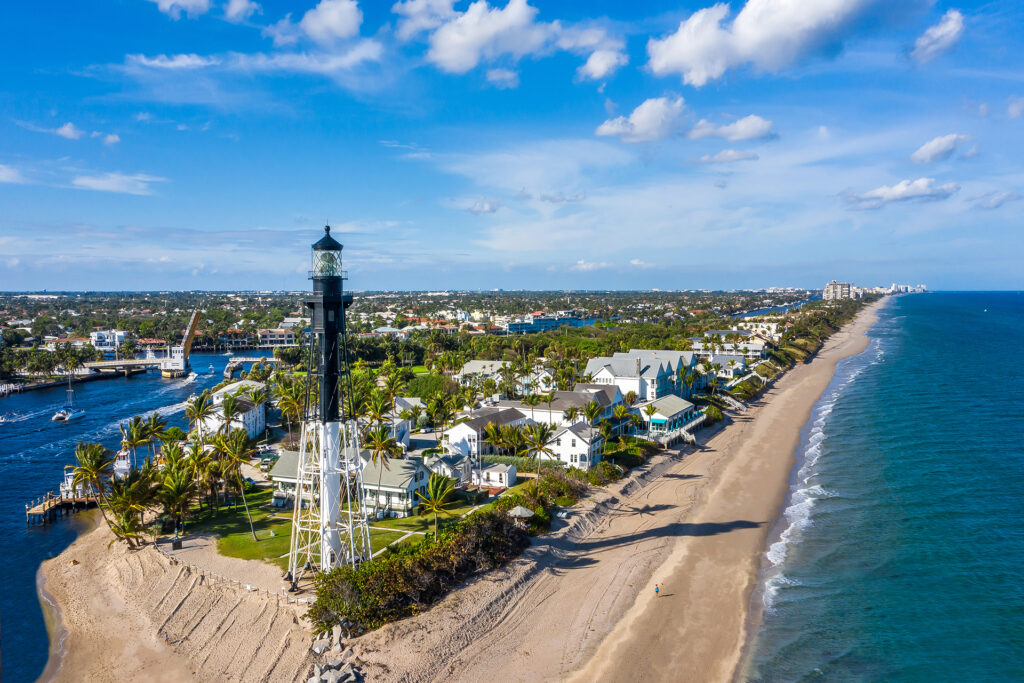

Negotiating waterfront real estate in Fort Lauderdale is not a standard transaction. Leverage points depend on the property type: seawall condition, dock permit status, flood zone designation, insurance cost differentials, and bridge clearance limitations. Buyers who walk in with general negotiation tactics leave money on the table or miss structural issues that become their cost after closing.
Does Fort Lauderdale’s Waterfront Market Favor Buyers or Sellers?
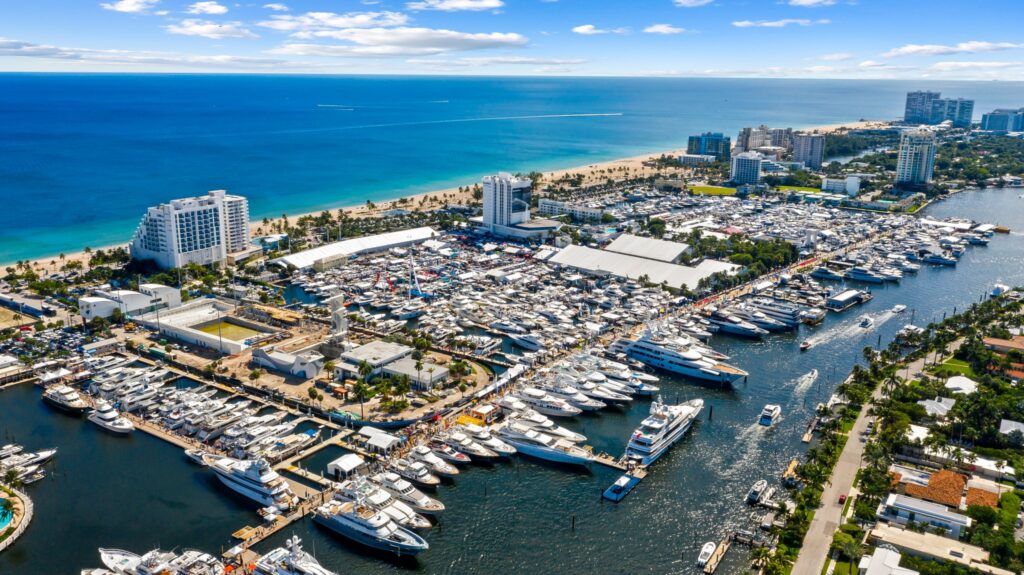
Fort Lauderdale waterfront inventory is geographically constrained. Canal-front, New River, and Intracoastal lots have a fixed supply. New ones cannot be created. That scarcity supports pricing and limits how aggressively waterfront sellers need to move in a balanced market.
Days on market is the most reliable leverage indicator. Waterfront listings sitting at 60+ days in Fort Lauderdale have typically already seen buyers pass through due diligence and walk. A listing at 90+ days with no price reduction signals one of two things: the seller is overpriced relative to actual condition, or they have not yet found the right structure. Either way, that seller is negotiating with the market now.
Hurricane season (June through November) slows buyer activity and increases seller urgency. Sellers still on the market through August to October without an accepted offer face a smaller buyer pool and often more flexibility on terms, not just price. Buyers who move during peak season trade competition for leverage.
For current list-to-sale ratio and days-on-market data in Fort Lauderdale’s waterfront segment, see whether home prices in Fort Lauderdale are still negotiable.
Why Local Waterfront Expertise Changes the Numbers
A buyer’s agent without regular Fort Lauderdale waterfront experience does not know which inspection findings carry real dollar weight and which ones every waterfront property has. That distinction matters because waterfront sellers and their agents know the difference.
The leverage points are specific. A seawall with 5 to 10 years of remaining service life on a 100-foot frontage lot represents $50,000 to $120,000 in near-term capital exposure based on current Broward County contractor pricing.
An unpermitted dock addition creates a compliance liability the buyer inherits at closing. A flood zone designation that adds $8,000 per year in insurance premiums above a comparable property affects carrying cost across the full hold period.
These are not abstract risks. They have dollar values. An agent who has closed multiple Fort Lauderdale waterfront transactions knows which issues sellers accept credits for and which go to arbitration. That knowledge is the difference between a $40,000 credit and a rejection.
How Inspections Create Negotiating Leverage
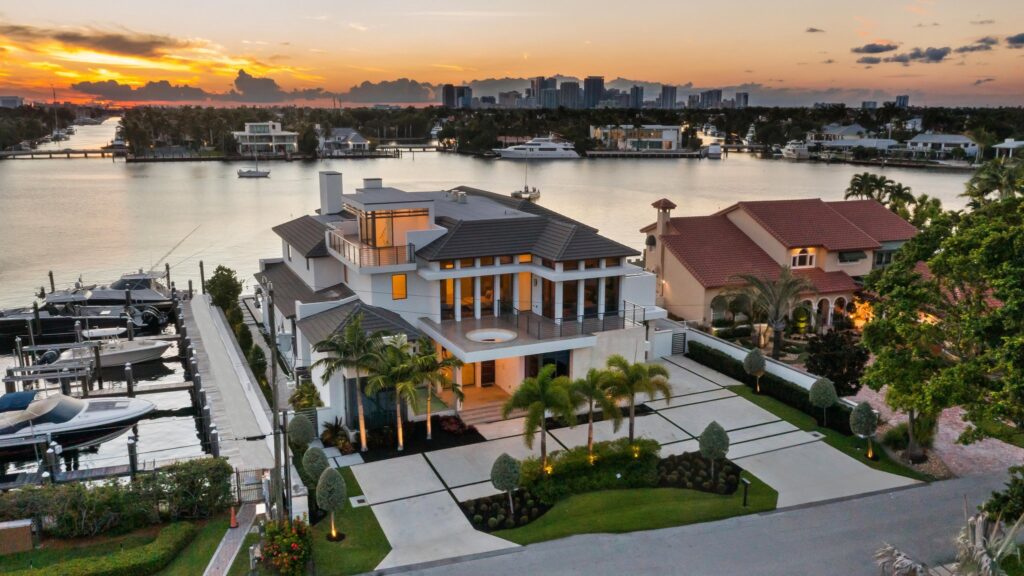
Waterfront inspections require specialists beyond the standard home inspector. The seawall, dock, and water depth at the slip each require separate licensed professionals. Buyers who skip these are buying blind.
A licensed marine contractor’s seawall inspection assesses wall deflection, tie-rod integrity, soil erosion, and remaining service life. A deteriorating seawall on a 100-foot frontage lot is a $50,000 to $120,000 capital project.
That figure is documented, defensible, and belongs in the negotiation as a specific credit request rather than a general price reduction.
Dock permit verification is the most commonly overlooked step. The City of Fort Lauderdale can require removal of unpermitted structures regardless of when they were built.
An unpermitted lift or dock addition that surfaces at closing becomes the buyer’s problem. A permit issue should create a documented seller obligation to resolve it or a credit that covers the buyer’s cost to do so.
A marine depth survey at mean low water confirms whether the slip actually accommodates the buyer’s vessel. A canal that reads 5 feet at high tide may have only 2.5 feet at mean low water given Fort Lauderdale’s tidal range. Sellers rarely disclose this. Buyers who discover it after closing have no recourse.
Full dock inspection criteria and vessel-specific depth requirements are key for Fort Lauderdale waterfront homes with private docks. For the full cost scope of waterfront due diligence, see hidden costs of buying a waterfront home.
How to Read Seller Motivation Before the Offer
Seller motivation is often visible before you make an offer if you know where to look. Listing history, public records, and market context tell most of the story.
A property reduced twice and sitting for 90+ days is a seller who started with a number the market refused. That seller is now working with the market’s verdict, not against it. Two price reductions do not mean the property has problems. They mean the seller’s original expectation was wrong and has been corrected.
Estate sales and properties listed through divorce proceedings in Fort Lauderdale’s waterfront market frequently prioritize a clean, fast close over maximum price.
These situations are visible in public records and ownership history. An experienced agent knows how to identify them and which offer structure fits what the seller actually needs.
Cash offers dominate Fort Lauderdale’s upper waterfront tier. If a buyer is financing, a pre-approval from a lender who understands Florida waterfront transactions (some lenders add conditions on waterfront properties that slow closings and have lost deals for buyers before) carries more weight than a minor price concession with a clean close.
What to Negotiate Beyond the Sale Price
Price reduction is one tool. In Fort Lauderdale’s waterfront market, credits and terms often produce more net value than price because they address specific cost risks without changing the recorded sale price.
Insurance cost differential
Two properties on the same canal with different elevation certificates or flood zone designations can carry annual insurance premium differences of $5,000 to $12,000. Over a 10-year hold, that is $50,000 to $120,000 in carrying cost.
A buyer who identifies that differential in due diligence has a documented, quantified basis for a price adjustment.
The waterfront home insurance costs breakdown covers the specific variables that drive premium differences between comparable waterfront properties.
Dock and seawall credits
A credit tied to a specific inspection finding is more defensible than a general price reduction. “Seawall inspection documents $60,000 replacement exposure, requesting a $40,000 credit” is a position a seller can evaluate against their own knowledge of the property. “We want $40,000 off” invites a counteroffer that ignores the inspection entirely.
Closing cost credits
A seller credit toward closing costs reduces the buyer’s out-of-pocket without changing the recorded sale price. In Fort Lauderdale’s waterfront market, credits of $20,000 to $50,000 are negotiable on appropriate transactions.
Sellers who resist price reductions sometimes accept equivalent closing cost credits because the optics of the sale price matter to them.
Extended inspection period
Fort Lauderdale waterfront properties need more time than standard transactions. Seawall survey, dock inspection, marine depth survey, insurance quote, and permit verification cannot all be completed in 10 days.
Negotiating 15 to 21 days costs the seller nothing and protects the buyer from closing on a problem they had no time to discover.