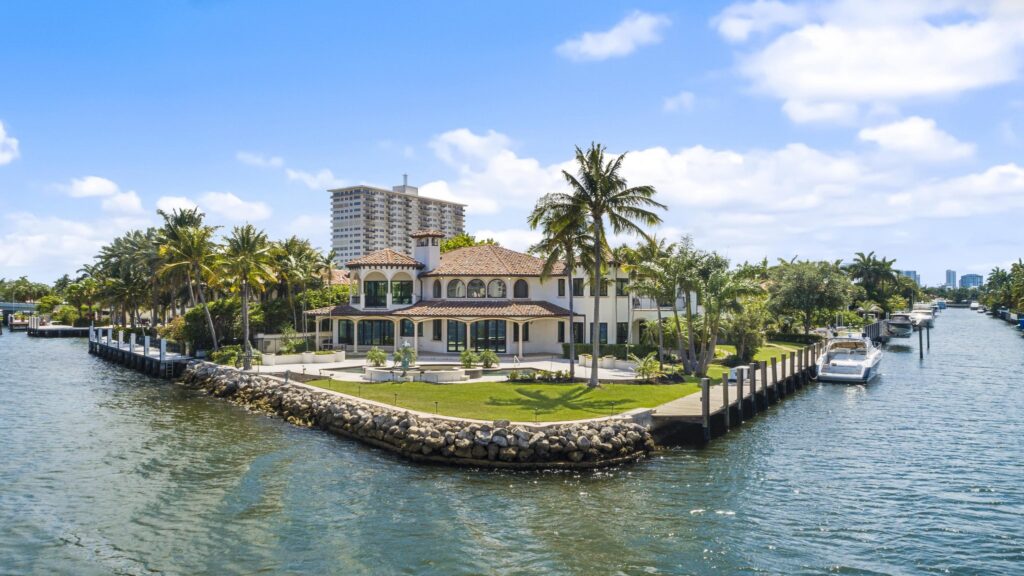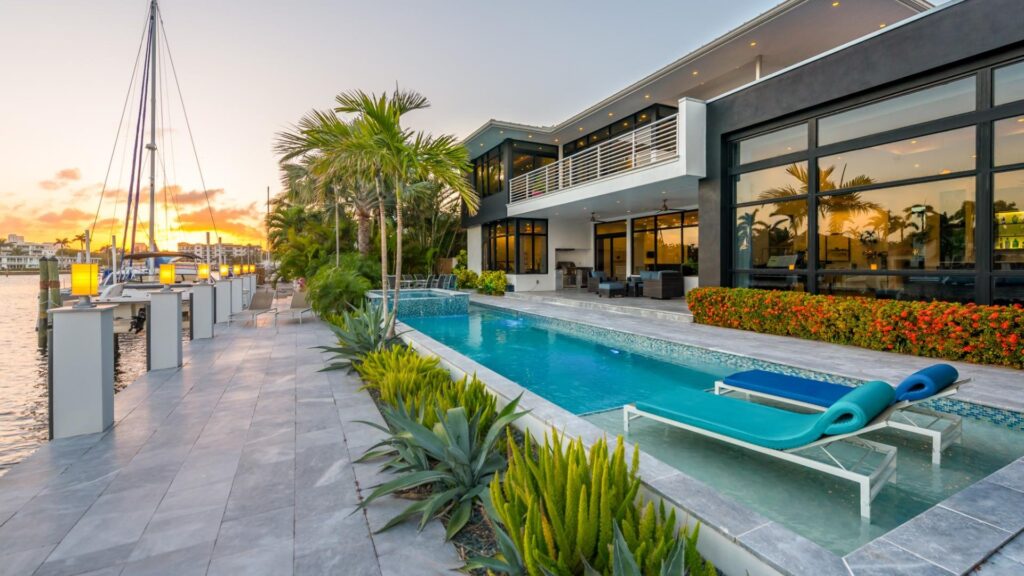

If you own or are buying waterfront property here, a clear seawall inspection schedule in Fort Lauderdale is one of the most overlooked parts of owning a canal or Intracoastal home.
A seawall holds back your yard, your dock, and in some cases your foundation, and saltwater, tidal movement, and storms put steady stress on it year after year. Skipping inspections does not make the wall last longer; it just means problems get found later and cost more to fix.
Quick Answer
Walk your seawall yourself once a year and look for cracks, leaning, or soil loss behind it. Bring in a licensed marine contractor or engineer for a full inspection every 3 to 5 years, and always after a major storm or before listing or buying a waterfront home. Concrete seawalls generally last 30 to 50 years, and vinyl seawalls generally last 25 to 40 years, so older walls need closer attention.
Why Seawalls Need Regular Inspection
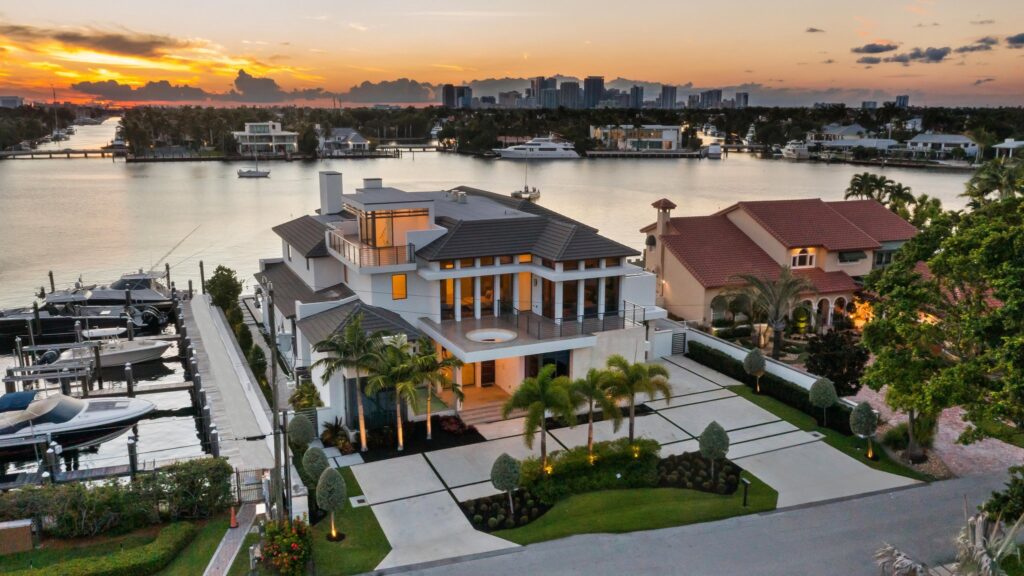
Your seawall is constantly working against water pressure, tidal swings, and erosion behind the panel. Fort Lauderdale’s canal system means most waterfront homes across canal neighborhoods like Las Olas Isles, Coral Ridge, and Rio Vista have a seawall doing this job around the clock, often for decades without a professional ever inspecting it.
Small problems, a hairline crack, a soft spot in the yard, a gap at a joint, are cheap to fix early and expensive to ignore.
How Often Should You Inspect a Seawall?
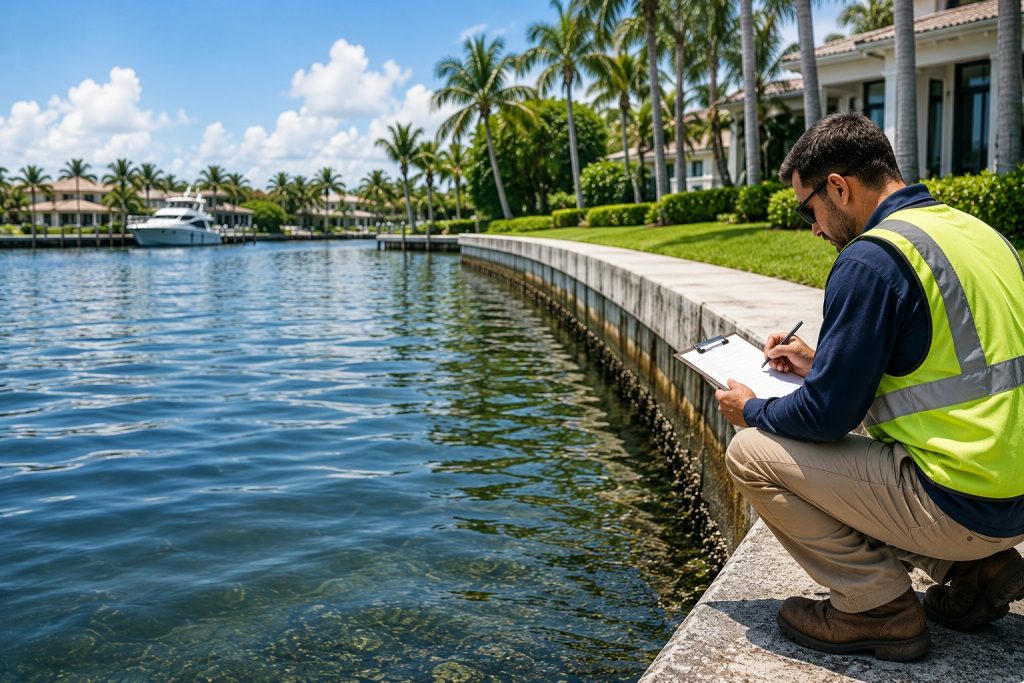
Start with a simple visual check from your own dock or yard once a year, the baseline for every waterfront homeowner. Beyond that:
- Every 3 to 5 years, bring in a marine contractor or coastal engineer for a full inspection, including an inspection of the wall below the waterline.
- After any major storm or hurricane, inspect regardless of when the last check happened. Storm surge and heavy rain are the two biggest stress events a seawall faces.
- Before buying or selling, a seawall inspection belongs on your due diligence checklist, alongside the home inspection, just as you would confirm water depth and dock condition before closing.
- Annually, once a seawall reaches 25 years old, it deteriorates faster, and yearly professional inspections catch failures earlier.
How Long Does a Seawall Last in Florida?
Seawall lifespan in Florida averages 25 to 50 years, and the material matters. Concrete seawalls typically last 30 to 50 years with proper maintenance, though concrete can still crack or spall from saltwater exposure.
Vinyl seawalls typically last 25 to 40 years and resist corrosion well, but depend heavily on correct anchoring and a solid reinforced cap. Soil conditions, drainage, and the wall’s exposure to boat wake and open water all affect where within that range a specific wall falls.
Concrete vs. Vinyl Seawall: Which Holds Up Better?
Neither material is automatically the better choice. Concrete seawalls are the most common in older Fort Lauderdale neighborhoods, are strong, and can often be repaired in sections rather than fully replaced.
Their main weakness is long-term saltwater corrosion of the steel reinforcement inside the concrete, which eventually causes cracking.
Vinyl seawalls hold up well against saltwater corrosion because there is no exposed steel to rust, but the system relies on tiebacks and anchors to remain intact, and a poorly installed vinyl wall can fail faster than a well-built concrete one. The right material depends on your soil, your budget, and the level of exposure your stretch of canal faces.
Warning Signs Your Seawall Needs Repair
Catching these signs early is the difference between a repair and a full replacement:
- Visible cracks, spalling, or exposed rebar on a concrete wall
- A panel that leans, bulges, or looks out of alignment with the rest of the wall
- Soft spots, sinkholes, or settling soil in the yard near the wall are signs of soil washing out behind the panel.
- Gaps or separation at the cap or panel joints
- Water is visibly seeping through the wall, especially noticeable at low tide.
Any one of these is a reason to call a marine contractor rather than wait for the next scheduled inspection.
What Fort Lauderdale Requires for Seawall Compliance
The City of Fort Lauderdale’s tidal barrier ordinance sets a minimum seawall height standard of 5 feet NAVD, raised from the previous 3.9 feet NAVD, to address tidal flooding.
Property owners must rebuild a seawall to the current height standard when building new, when an existing wall has damage to more than 50 percent of the structure, or when cited for tidal water breaching the wall and affecting a neighboring property, according to the City of Fort Lauderdale’s tidal barrier ordinance update.
What Josh Dotoli Says About Seawalls and Waterfront Buyers
“I tell every waterfront buyer the same thing: get the seawall looked at before you fall in love with the dock. A seawall repair can run well into five figures, and it is almost always the buyer’s problem once the deal closes, not the seller’s. A few hundred dollars for an inspection is nothing compared to that.”
Josh Dotoli, Founder and CEO, Dotoli Group
FAQ
How often should you inspect a seawall in Fort Lauderdale?
Inspect a seawall at least once a year for a visual check, and bring in a marine contractor or engineer for a full inspection every 3 to 5 years, or immediately after a major storm. Older seawalls and homes nearing a sale should be inspected more often.
How long does a seawall last in Florida?
Concrete seawalls typically last 30 to 50 years, and vinyl seawalls typically last 25 to 40 years, depending on installation quality, soil conditions, and maintenance. Both materials can exceed those ranges with proper drainage and regular inspection.
What are the warning signs that a seawall needs repair?
Watch for cracks or spalling concrete, leaning or bulging panels, soil or sinkholes forming behind the wall in the yard, gaps at the cap or joints, and water visibly seeping through the wall at low tide. Any one of these is a reason to call a marine contractor.
Is a concrete or vinyl seawall better in Fort Lauderdale?
Concrete seawalls are common, durable, and can be repaired in sections, but they can crack and corrode over time. Vinyl seawalls resist saltwater corrosion better but rely heavily on correct anchoring and a reinforced cap. Neither is universally better; the right choice depends on soil, exposure, and budget.
What triggers a mandatory seawall replacement in Fort Lauderdale?
Under the City of Fort Lauderdale’s tidal barrier ordinance, a seawall with damage to more than 50 percent of the structure must be rebuilt to the current height standard. New seawalls and major repairs must also meet the updated minimum height requirement.
Should I get a seawall inspected before buying a waterfront home?
Yes. A seawall inspection should be part of your due diligence for any waterfront purchase, since repairs or replacements can cost tens of thousands of dollars and are the buyer’s responsibility once the deal closes.
Protect Your Investment, Talk to Dotoli Group Before You Buy or Sell
A seawall in bad shape can turn a dream waterfront purchase into an expensive surprise, and a wall in good shape is a selling point worth proving with documentation.
Whether you need a second opinion on a seawall before you make an offer, or want to know what your current wall is worth highlighting before you list, Dotoli Group can connect you with trusted local marine contractors and walk you through the due diligence.
Contact Dotoli Group for waterfront buying or selling guidance, or read our full guide to buying a luxury waterfront home.