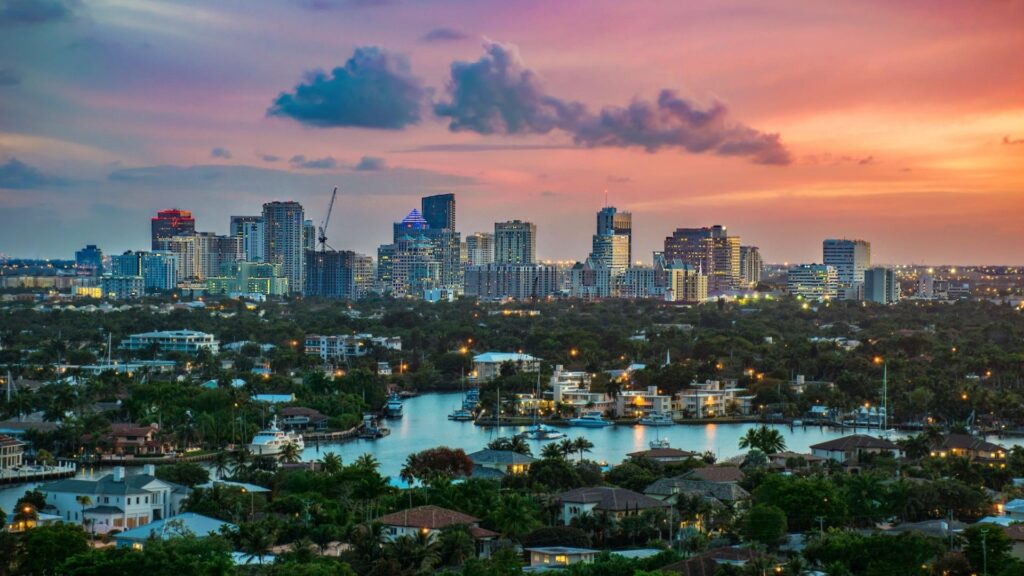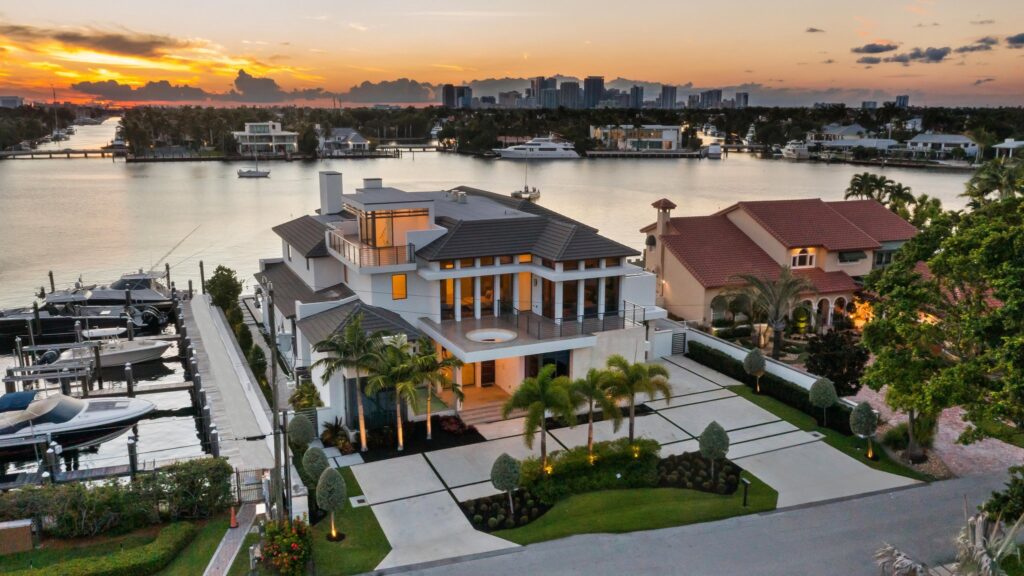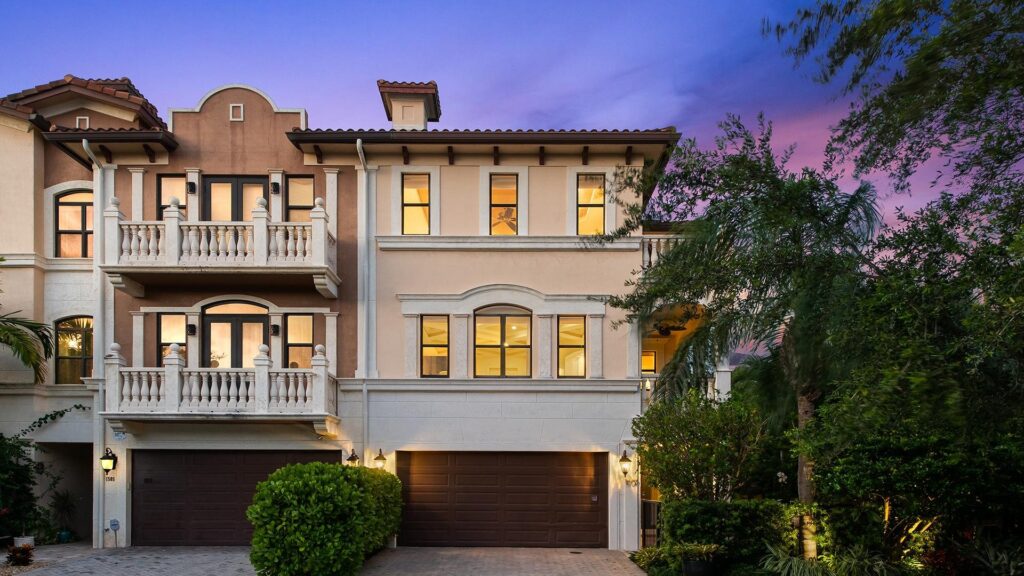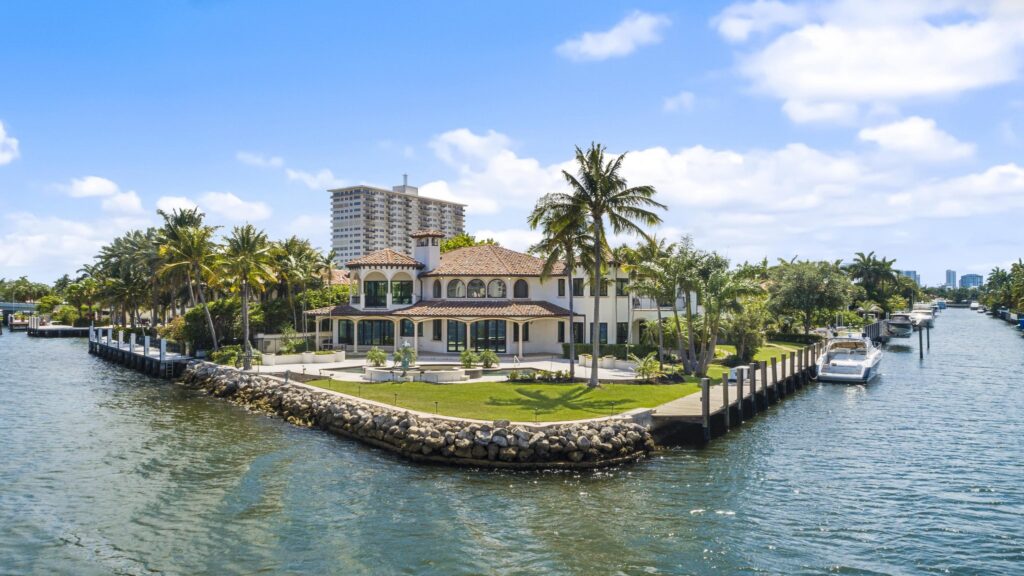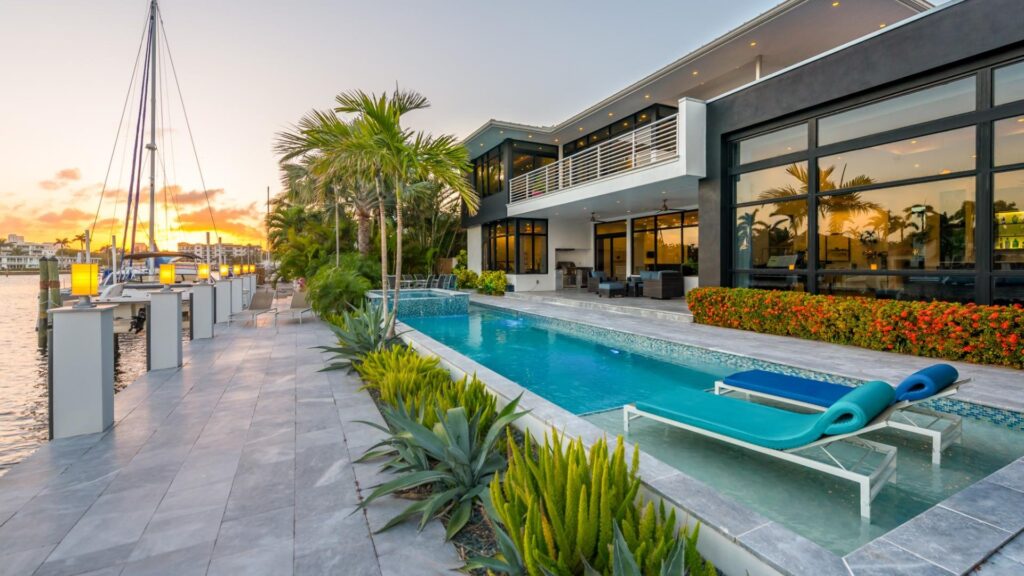
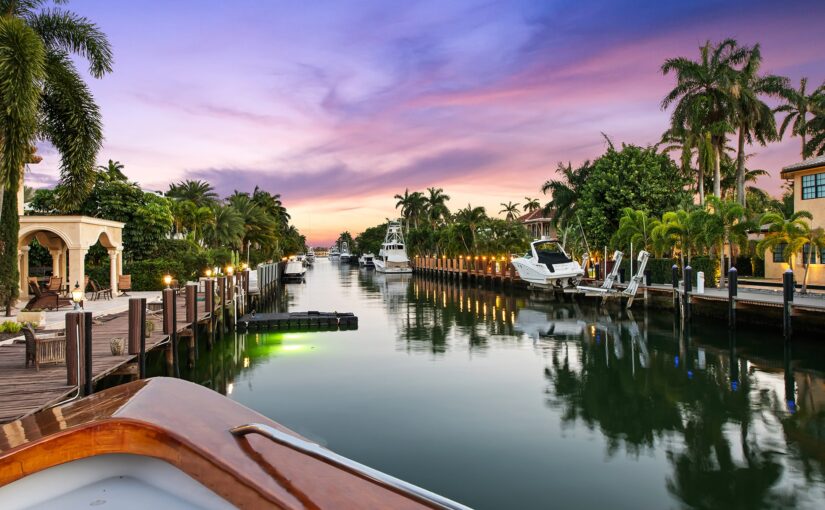

Buying a waterfront home in Fort Lauderdale is not the same as buying any other luxury property. The waterways, canal types, bridge clearances, seawall conditions, and flood zone requirements all require specific knowledge that standard residential due diligence does not cover.
This guide walks through every step of the process in the order they should occur, so you do not miss anything that could cost you later.
What budget do you need to buy a waterfront home in Fort Lauderdale?
Waterfront homes in Fort Lauderdale start around $1.5 million for entry-level canal properties and extend well past $10 million for deep-water estate homes in neighborhoods like Las Olas Isles and Seven Isles. The purchase price is only part of the number.
Waterfront properties have higher carrying costs than inland properties and need to be included in your budget before you start searching.
Florida has the highest average homeowners’ insurance premiums in the United States. The average home insurance cost for Florida homeowners in 2025 was $8,292 per year, with projections indicating a rise to $8,458 in 2026.
For luxury waterfront properties, that baseline increases significantly with the addition of separate flood and windstorm coverage.
Annual costs to factor in beyond mortgage and property taxes:
- Flood insurance: $3,000 to $15,000 or more, depending on flood zone and elevation
- Wind insurance: significant additional premium in South Florida, often $10,000 to $25,000 or more on luxury properties
- Seawall inspection and maintenance: $300 to $600 per inspection, with repair costs of $500 to $1,500 per linear foot if issues are found
- Dock and lift maintenance: $500 to $2,000 annually
- Marine-grade exterior maintenance: accelerated by salt air, higher frequency than inland homes
- HOA fees: vary by neighborhood, some waterfront communities carry $500 to $2,000 per month
For a full breakdown of coverage types and what Fort Lauderdale waterfront owners need to carry, see: Essential Insurance Types for Waterfront Homes With Private Docks.
Get pre-approved before you start seriously touring. In Fort Lauderdale’s luxury market, sellers and their agents expect proof of funds or pre-approval before confirming showings on high-value waterfront properties.
Which type of waterfront property in Fort Lauderdale is right for you?
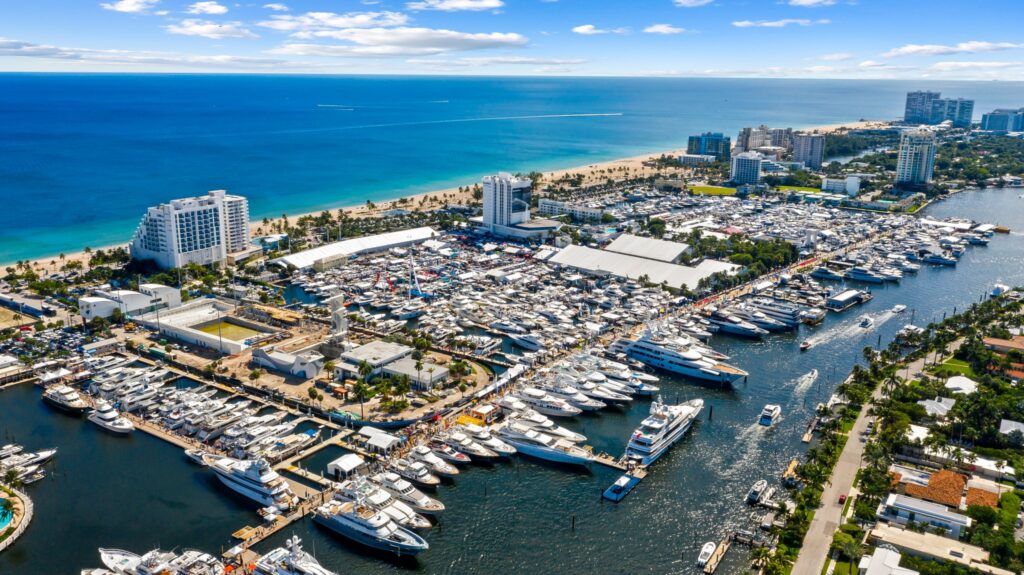
Fort Lauderdale has over 165 miles of navigable waterways, and not all of them serve the same buyer. The type of waterfront you choose should match how you intend to use it.
Deep-water ocean-access canals connect directly to the Intracoastal Waterway and the Atlantic, with no fixed-bridge restrictions. These are the right choice if you own or plan to own a large vessel.
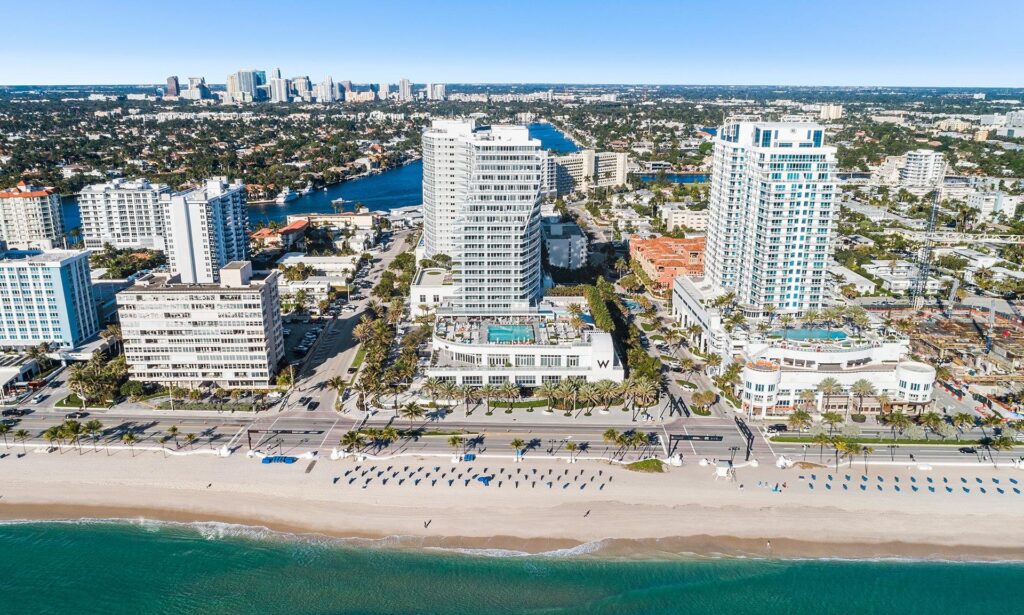
Las Olas Isles is the premier deep-water neighborhood in Fort Lauderdale, offering direct ocean access and estate-scale properties starting well above $3 million. Seven Isles, Harbor Beach, and Idlewyld also offer deep-water access.
Interior canals with fixed-bridge access offer waterfront living and smaller-boat access, but limit larger vessels due to bridge clearances typically ranging from 21 to 25 feet.
Neighborhoods like Rio Vista, Coral Ridge, and Victoria Park fall into this category. Right for lifestyle buyers and small- to mid-size boat owners.
Intracoastal-facing properties offer direct Intracoastal frontage, broad water views, and immediate access to the waterway. These are among the most desirable and expensive positions in the market.
Non-navigable water views include some canal-adjacent and lake-facing properties that offer the aesthetic of waterfront living without boat access. Priced lower than navigable waterfront but suitable for buyers who want the view without the vessel.
Define which category you need before you start searching. An agent who shows you interior canal properties when you need deep-water ocean access is wasting your time.
What do you need to check about the water before making an offer?
Three things matter most about the water itself: depth, bridge clearance, and access route.
Water Depth
Request a current depth survey on any property where you intend to dock a vessel. Canals in older Fort Lauderdale neighborhoods can run 4 to 6 feet at low tide, which eliminates most cruising vessels.
Do not rely on the seller’s verbal representation. A depth survey costs a few hundred dollars and eliminates the risk of a potentially expensive surprise.
Bridge Clearance
Map every bridge between the property’s dock and the open water. Fort Lauderdale’s fixed bridges typically clear 21 to 25 feet. If your vessel’s mast, flybridge, or radar arch exceeds that clearance at any point on the route, that property does not work for your boating needs regardless of everything else.
For a detailed breakdown by canal and vessel type, see “Bridge Clearance for Boats in Fort Lauderdale: How to Avoid Buying the Wrong House for Your Boat.”
Access route: Confirm the full route from the dock to the Intracoastal or inlet. Some interior canal properties involve multiple turns and bridges. Walk the route with your agent before committing.
How do you evaluate a seawall before buying a waterfront home?
The seawall is a structural element of the property. A failing seawall is not a cosmetic issue — it is a liability that can cost $100,000 to $150,000 or more to address on a standard Fort Lauderdale waterfront lot.
Hire a qualified marine engineer or inspector, not a general home inspector, to assess the seawall. For a full breakdown of what a seawall inspection covers and how to read the results.
- Horizontal or vertical cracking in the cap or panels
- Separation between the wall and the cap
- Erosion or sinkholes behind the wall indicate soil loss
- Tie-rod condition
- Evidence of patched or concealed prior damage
Cost reference:
- Partial repairs and cap replacement: $500 to $1,000 per linear foot
- Full seawall replacement: $1,000 to $1,500 or more per linear foot
- A 100-foot seawall in poor condition: $100,000 to $150,000 or more
If the inspection finds issues, price them into your offer or negotiate a credit. Do not assume the seller will fix them correctly before closing.
What flood zone requirements apply to waterfront homes in Fort Lauderdale?
Most Fort Lauderdale waterfront properties sit in FEMA Zone AE, a Special Flood Hazard Area with a 1% annual chance of flooding. Flood insurance is mandatory on any federally backed mortgage for a Zone AE property.
What to do before you make an offer:
- Look up the parcel on the FEMA Flood Map Service Center at msc.fema.gov and confirm the zone designation yourself. For a full explanation of Zone AE, Zone VE, and Zone X designations, see: Flood Zones in Fort Lauderdale: What Buyers Must Know.
- Request the current elevation certificate from the seller. The home’s finished floor elevation relative to the Base Flood Elevation determines your insurance premium more than the zone alone.
- Get flood insurance quotes before making an offer. Premiums vary widely based on elevation, coverage amount, and insurer
- Budget for wind insurance separately. Combined flood and wind premiums on a Fort Lauderdale luxury waterfront home often run $20,000 to $40,000 or more annually.
A property with a low elevation certificate in Zone AE can incur significantly higher insurance costs than a nearby property with a higher elevation certificate, even at a similar price point. Know this number before you commit.
What should you check about the dock and HOA before closing?
Dock Permits
In Fort Lauderdale, dock construction and modifications require permits from the City and, depending on the waterway, from Broward County and the Florida Department of Environmental Protection. Ask the seller for documentation of the current dock permit and verify it matches the existing structure. An unpermitted dock transfers to the buyer and becomes your compliance problem after closing.
If you plan to add a boat lift, extend the dock, or modify the structure, have a local marine contractor confirm what is permissible on that specific parcel before you close, not after.
HOA Rules
Many Fort Lauderdale waterfront communities have HOA or deed restrictions that govern dock size, boat type, exterior modifications, and short-term rental use. Read the governing documents before making an offer. Restrictions that conflict with how you intend to use the property are a deal-breaker, not a point for negotiation.
What does the offer and closing process look like for Fort Lauderdale waterfront homes?
The waterfront transaction has several steps that differ from a standard residential purchase:
Before the offer:
- Confirm water depth and bridge clearance
- Get flood insurance quotes
- Review HOA documents and dock permits
During due diligence (typically 10 to 15 days):
- General home inspection
- Marine inspection: seawall, dock, lift
- Elevation certificate review
- Title search for any dock or seawall liens
- HOA estoppel letter
At closing:
- Verify all agreed repairs are complete during the final walkthrough
- Confirm that the dock and seawall are in the same condition as at the inspection
- Review the settlement statement for any HOA or marina fee prorations
Engage a real estate attorney familiar with Fort Lauderdale waterfront transactions. Title issues specific to waterfront properties — riparian rights, submerged land leases, and dock encroachments — require legal review that a standard title company may not flag.
Before you make an offer, also review our detailed checklist: What to Consider Before Buying a Luxury Waterfront Home in Fort Lauderdale
How do you find the right agent to buy a waterfront home in Fort Lauderdale?
A Fort Lauderdale waterfront transaction requires an agent with direct experience in this specific market. The questions that matter — canal depth by neighborhood, bridge clearances, seawall inspection standards, dock permit history, flood zone implications — are not knowledge that a generalist agent develops from occasional waterfront deals.
Ask any agent you are considering:
- How many Fort Lauderdale waterfront transactions have you closed in the past 24 months?
- Which waterfront neighborhoods do you know best and why?
- Who are your go-to marine inspectors and waterfront insurance contacts?
- Can you walk me through the waterfront-specific due diligence checklist?
An experienced waterfront agent answers these without hesitation. They also know which canals in which neighborhoods have recurring depth or bridge issues, which sellers have disclosure histories worth scrutinizing, and how to structure an offer that accounts for waterfront-specific contingencies.
Frequently Asked Questions
How much does a waterfront home cost in Fort Lauderdale?
Waterfront homes in Fort Lauderdale start around $1.5 million for entry-level canal properties and extend well past $10 million for deep-water estate homes in premier neighborhoods like Las Olas Isles and Seven Isles. Price depends heavily on canal type, water depth, ocean access, lot size, and the condition of the seawall and dock.
What is the difference between deep-water and interior canal homes in Fort Lauderdale?
Deep-water ocean-access canals connect directly to the Intracoastal without fixed-bridge restrictions, making them suitable for large vessels. Interior canal homes offer waterfront living and access to smaller boats, but are limited by fixed bridge clearances of 21 to 25 feet along the route to open water. The right choice depends entirely on your vessel size and boating needs.
Do I need a special inspection for a waterfront home?
Yes. In addition to a standard home inspection, you need a qualified marine engineer or inspector to assess the seawall and dock. General home inspectors typically lack the expertise to evaluate a seawall’s structural integrity, the condition of tie rods, or the dock-permitting history. A failed seawall can cost $100,000 to $150,000 or more to replace.
Is flood insurance required for waterfront homes in Fort Lauderdale?
Yes, for any property with a federally backed mortgage in FEMA Zone AE, which covers most Fort Lauderdale waterfront properties. Flood insurance is mandatory, not optional. Budget $3,000 to $15,000 or more annually, depending on the property’s elevation certificate and coverage amount.
How long does it take to buy a waterfront home in Fort Lauderdale?
From accepted offer to closing, the process typically runs 45 to 60 days for a waterfront transaction, slightly longer than a standard residential closing due to marine inspections, elevation certificate review, HOA estoppel, and waterfront-specific title work. The search phase varies depending on inventory and your criteria.
What neighborhoods have the best waterfront homes in Fort Lauderdale?
Las Olas Isles and Seven Isles are the premier deep-water neighborhoods, offering direct ocean access and estate-scale properties.
Rio Vista and Coral Ridge offer protected waterways with strong neighborhood character. Harbor Beach and Idlewyld offer Intracoastal-facing positions.
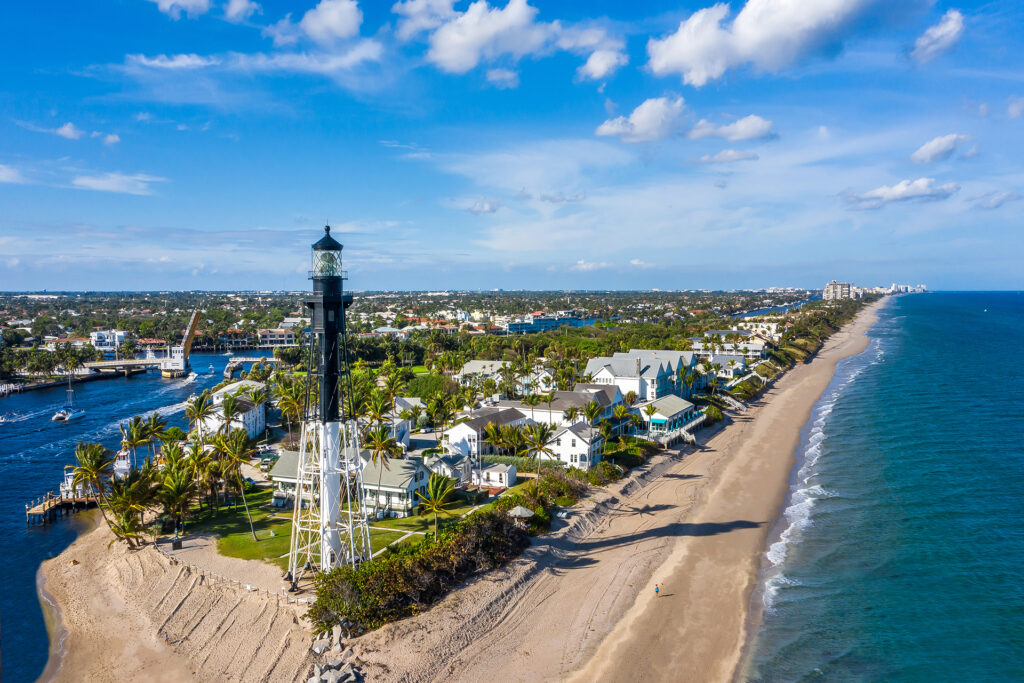
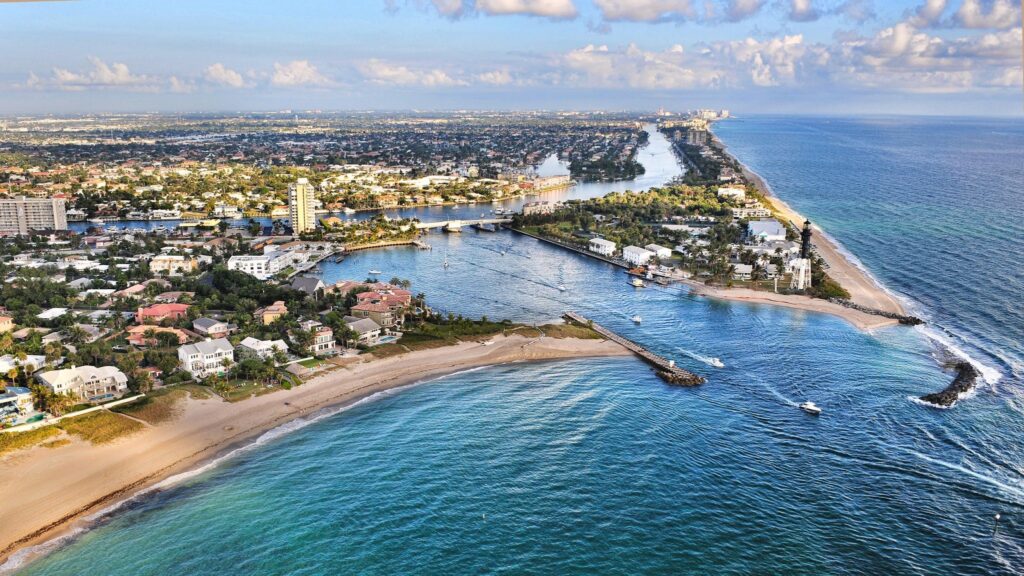
Lighthouse Point and Lauderdale-By-The-Sea are strong options north of the City. The right neighborhood depends on your boat, your lifestyle, and your budget.
Ready to start your search for a Fort Lauderdale waterfront home?
Dotoli Group specializes in Fort Lauderdale waterfront residential sales. We know the canals, the neighborhoods, the due diligence process, and the inspectors and attorneys who protect buyers in this market.