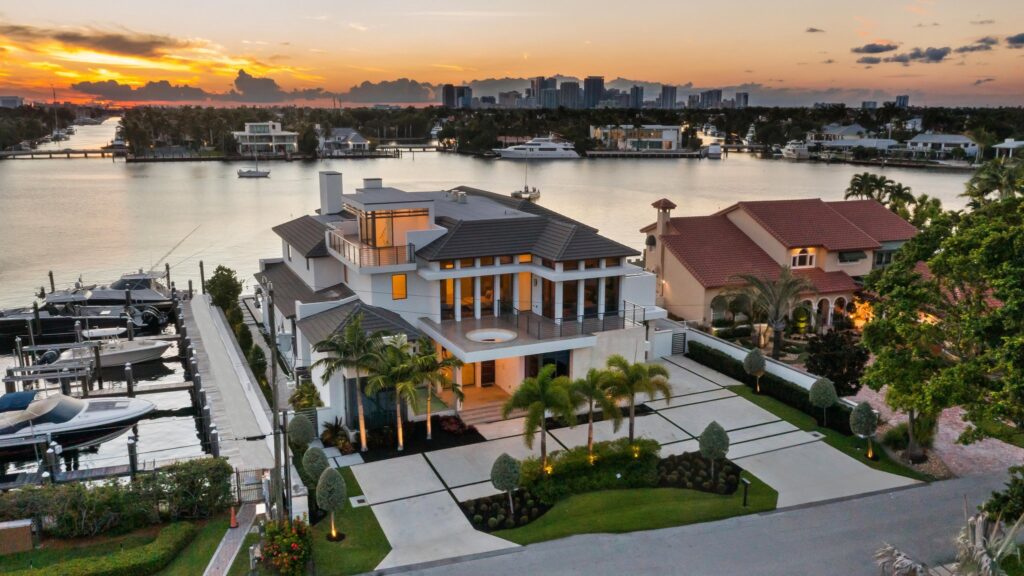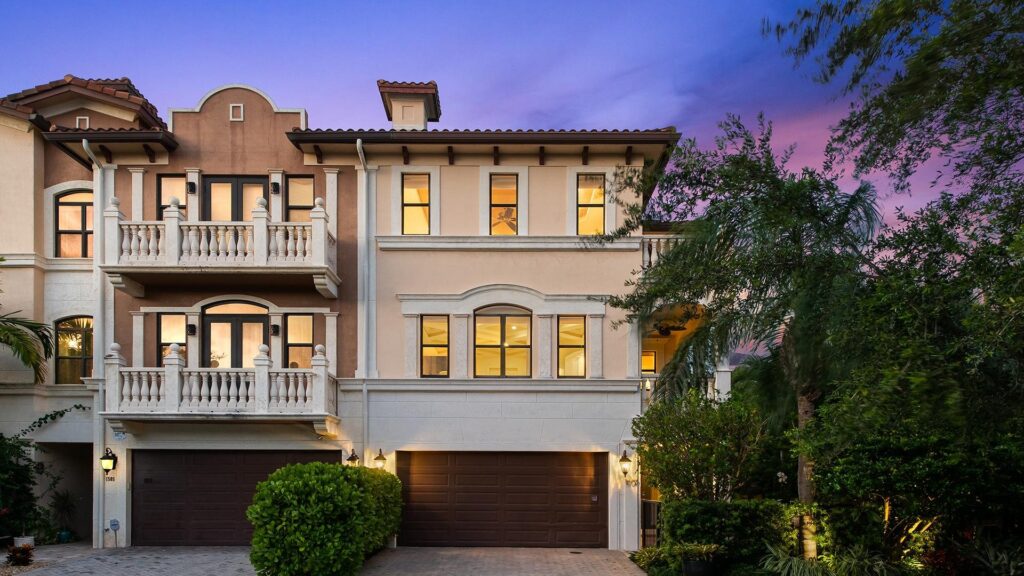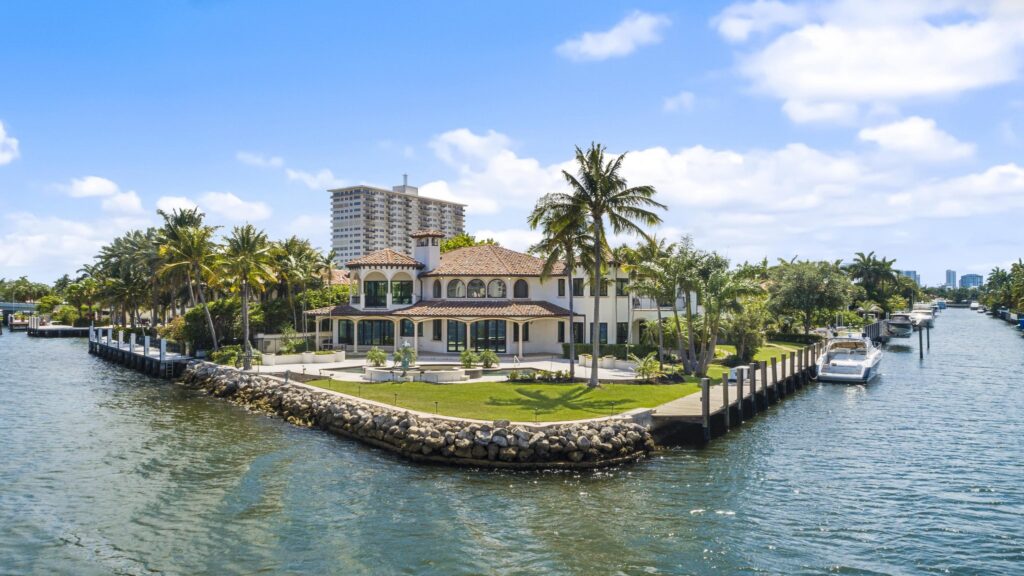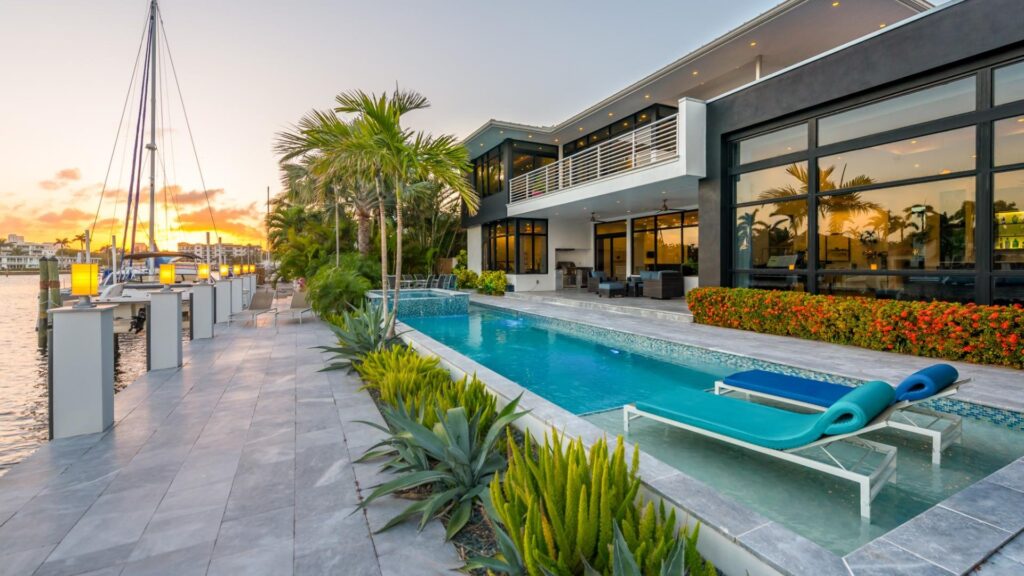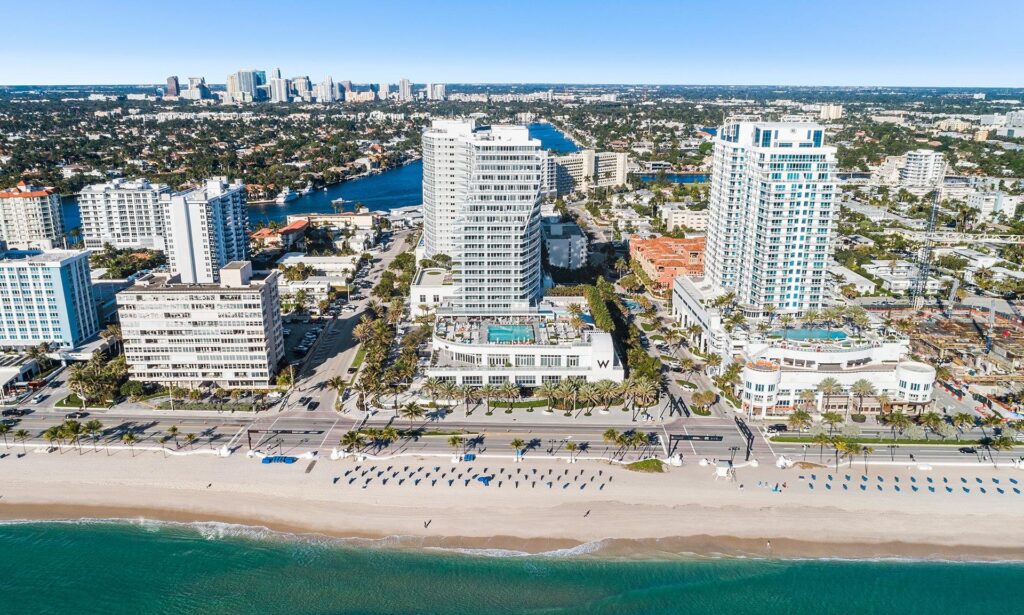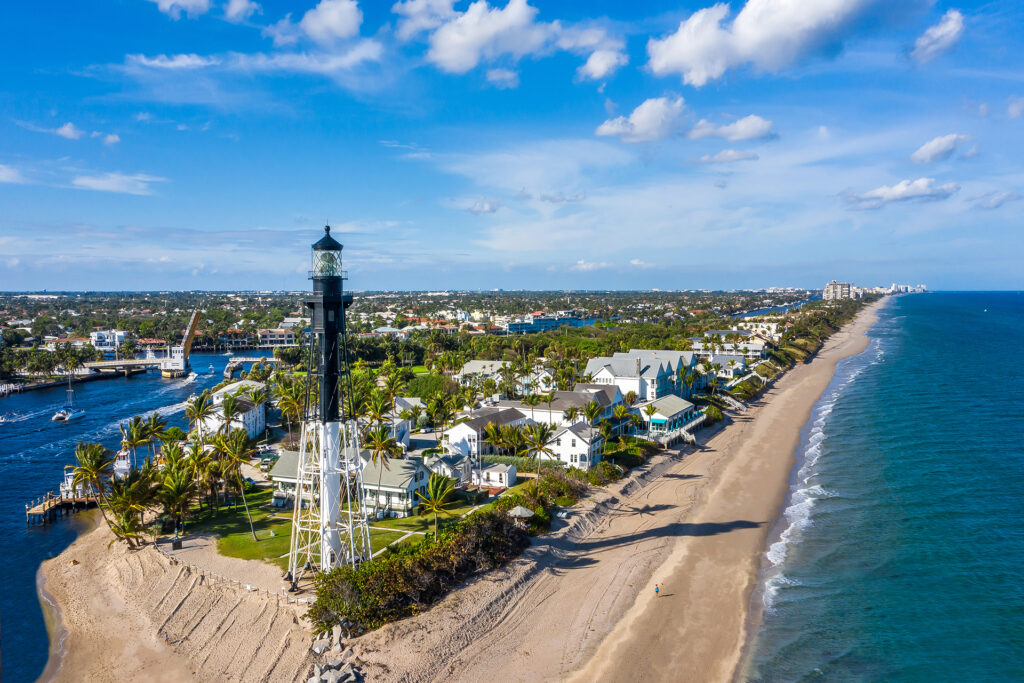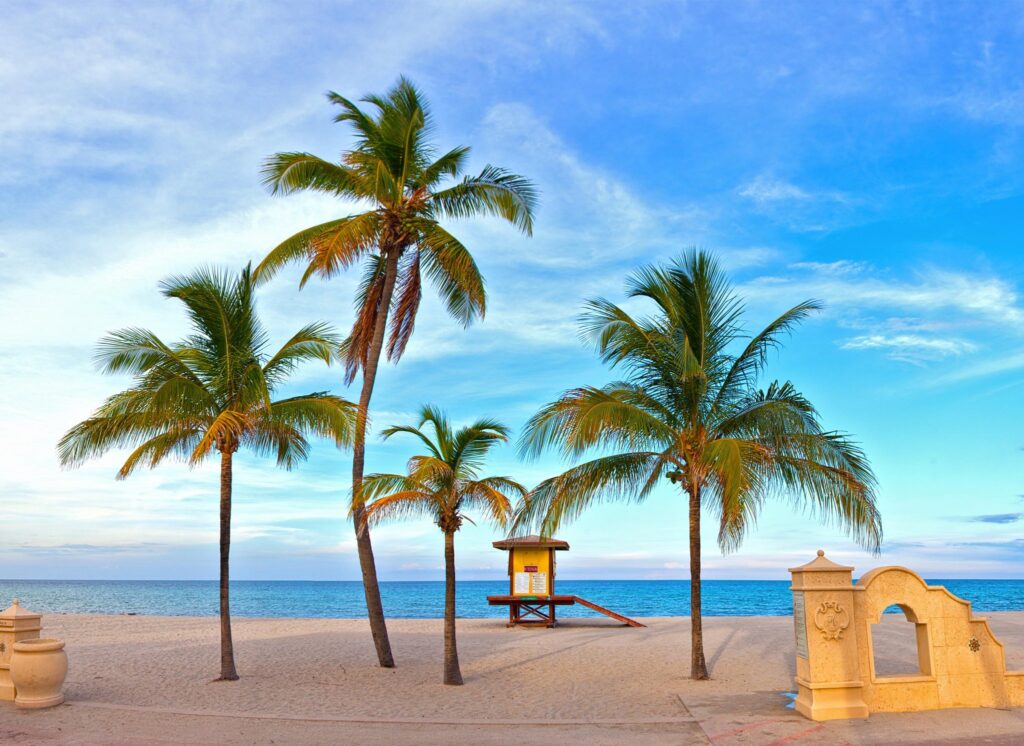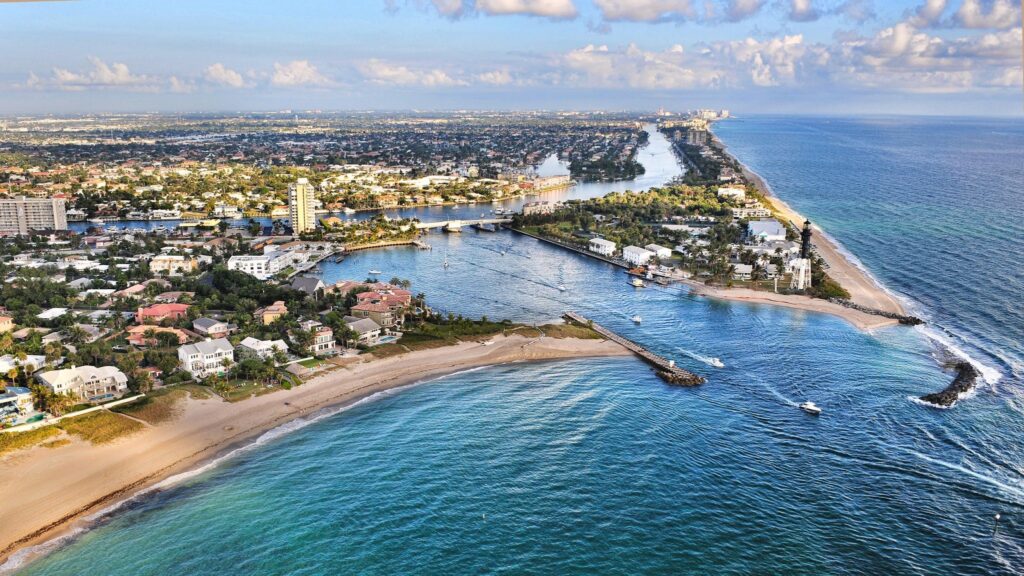
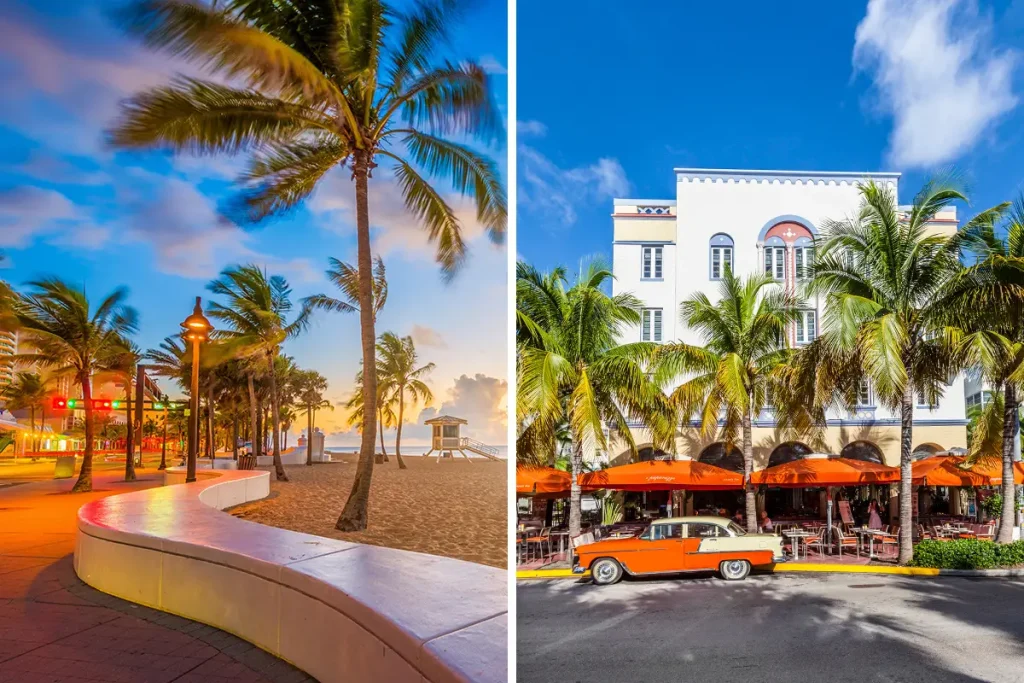

Fort Lauderdale and Miami sit 30 miles apart on the southeast Florida coast but operate as distinctly different cities.
Miami is a global financial and cultural hub with 470,000+ residents, international nightlife, and a cost of living that reflects its status.
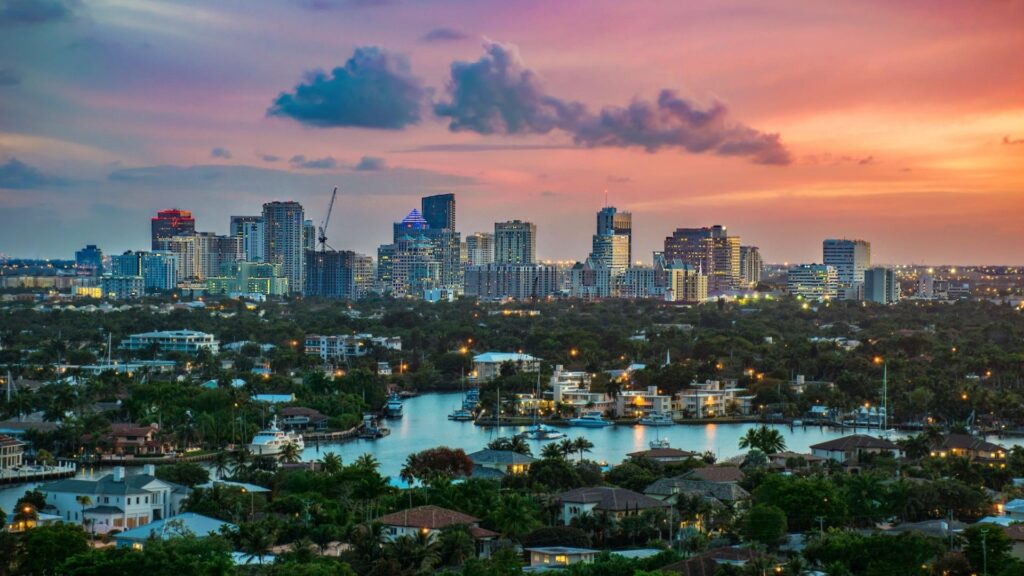
Fort Lauderdale is a waterfront city of approximately 190,168 residents built around boating access, quieter neighborhoods, and a real estate market that has appreciated 63.45% over the last five years, according to NeighborhoodScout Q4 2025 data.
This guide compares the two cities across the factors that matter most to buyers and relocators: cost, neighborhoods, real estate, lifestyle, weather, schools, and job market.
Fort Lauderdale vs Miami at a Glance (2026)
| Fort Lauderdale | Miami | |
| Population | ~190,168 | ~470,000+ |
| Distance apart | 30 miles by road | |
| Median home price | $564,100 | Miami-Dade median ~$650,000+ |
| 5-year appreciation | 63.45% | Comparable range |
| State income tax | None | None |
| Navigable waterways | 165+ miles | Limited residential canals |
| Airport | FLL (faster, less congested) | MIA (larger, more international routes) |
| Known for | Boating, waterfront lifestyle | Nightlife, international culture, finance |
How Do Fort Lauderdale and Miami Compare on Cost of Living?
Fort Lauderdale is the more affordable of the two cities. The Broward County median sale price reached $564,100 as of October 2025, per Steadily citing Zillow data. Miami-Dade County trades at a higher median, with waterfront and urban core properties pushing significantly above Fort Lauderdale equivalents.
How Do Housing Costs Compare?
In Fort Lauderdale, a luxury waterfront home starts around $1.5 million. Comparable deepwater properties in Miami’s premium neighborhoods such as Coconut Grove, Key Biscayne, or Miami Beach trade considerably higher, often starting at $2.5 million and climbing well past $10 million for Biscayne Bay frontage.
Rental pricing follows the same pattern. Fort Lauderdale average rents run $2,015 to $2,155 per month for a studio and $2,288 to $2,451 for a one-bedroom. Miami rents in comparable neighborhoods typically run 15 to 25 percent higher.
How Do Everyday Costs Compare?
Dining, groceries, and entertainment in Fort Lauderdale run close to the Florida average. Miami’s South Beach, Brickell, and Wynwood dining scenes carry premium pricing that reflects the tourist and international clientele those areas serve.
For residents who eat and socialize locally rather than in tourist corridors, the difference narrows, but Fort Lauderdale remains the lower-cost option across most categories.
Homeowners insurance in Florida averages $8,292 per year statewide. Both cities sit in similar hurricane exposure zones, so insurance costs are comparable between markets.
How Do the Neighborhoods Compare Between Fort Lauderdale and Miami?
Both cities offer a range of neighborhood types, from walkable urban cores to quiet residential waterfront streets. The character difference is most visible at the neighborhood level.
Fort Lauderdale Neighborhoods
- Las Olas Isles: Deepwater canal estates with direct Intracoastal access. Homes range from $2 million to $15 million. The most sought-after waterfront address in Fort Lauderdale.
- Coral Ridge: Large lots, tree-lined streets, canal and Intracoastal frontage. Quieter than Las Olas Isles with strong family appeal. Homes range from $1 million to $5 million.
- Victoria Park: Walkable urban neighborhood north of downtown. Active dining scene, no waterfront premium. Homes range from the upper $500,000s to $1.5 million.
- Harbor Beach: Private gated beachside enclave with oceanfront and canal properties. Limited inventory and high demand.
Miami Neighborhoods
- South Beach: International destination with Art Deco architecture, nightlife, and tourism infrastructure. High-rise condominiums dominate the residential market.
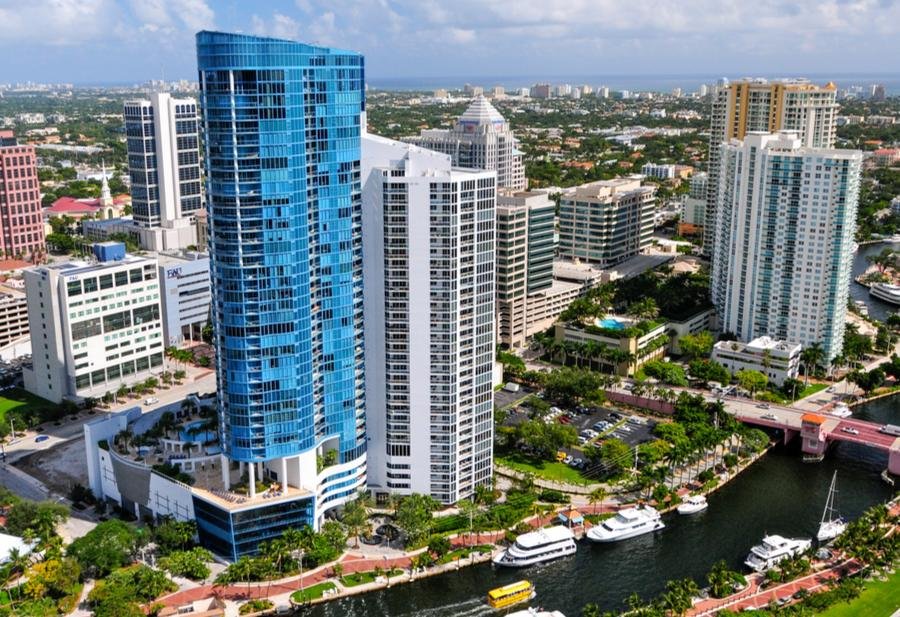
- Brickell: Miami’s financial district. Dense urban living with luxury condominiums, walkable to offices and restaurants.
- Coconut Grove: Historic neighborhood with a quieter, village-like character. One of Miami’s most livable areas for families.
- Wynwood: Arts and culture district. Primarily commercial and short-term residential, known for murals and gallery spaces.
Which City Has the Better Real Estate Investment Potential?
Fort Lauderdale residential real estate has appreciated 63.45% over the last five years. That figure reflects sustained demand driven by relocation from high-cost states, limited waterfront inventory, and the boating lifestyle premium that Fort Lauderdale’s canal network commands.
Miami has also seen strong appreciation over the same period, driven by international capital inflows, financial sector growth, and remote-worker relocation. However, Miami’s luxury market is more exposed to international buyer sentiment and capital flow shifts than Fort Lauderdale’s primarily domestic buyer base.
For buyers focused on the waterfront lifestyle, Fort Lauderdale’s 165 miles of navigable canals, direct ocean access through Port Everglades, and deepwater residential lots create a supply constraint that supports long-term value.
If you are weighing waterfront investment specifically, the guide on investing in Fort Lauderdale waterfront real estate covers the financial case in detail.
How Do the Lifestyle and Culture Compare?
This is the clearest difference between the two cities and the one most buyers cite as the deciding factor.
What Is Life Like in Fort Lauderdale?
Fort Lauderdale is organized around the water. Residents boat, fish, paddleboard, and kayak from their neighborhoods.
Las Olas Boulevard provides a walkable dining and retail corridor without the intensity of Miami’s nightlife districts.
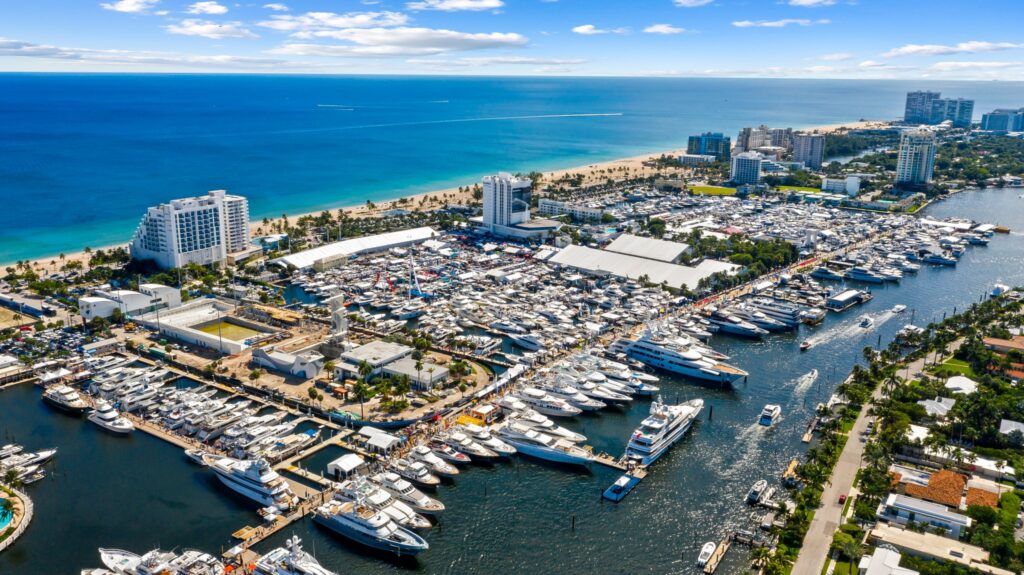
The Fort Lauderdale International Boat Show, the largest in-water boat show in the world, is held annually in November and reflects the city’s identity.
The pace is relaxed relative to Miami. Families, retirees, and remote workers make up a large share of the buyer demographic.
What Is Life Like in Miami?
Miami operates on a different scale and at a different pace. It is a genuine international city with a large Latin American and Caribbean cultural influence, a global finance and tech presence, and a nightlife and dining scene that draws visitors from around the world.
Little Havana, Little Haiti, Wynwood, and the Design District each carry a distinct cultural identity. The energy Miami offers is unmatched in South Florida. The trade-off is traffic, higher cost, and density.
How Do the Weather Patterns Compare?
Both cities share a tropical climate with hot, humid summers and warm, dry winters. The practical differences are minor.
Fort Lauderdale sits slightly north of Miami, which produces marginally cooler winter temperatures, typically 1 to 3 degrees Fahrenheit. Summer temperatures and humidity are nearly identical across both cities.
Both experience Atlantic hurricane season from June through November. Flood zone exposure varies by specific neighborhood and property in both markets.
Before buying in either city, reviewing the Fort Lauderdale flood zones guide gives a clear picture of how FEMA designations affect insurance costs and risk.
How Do the School Options Compare?
Both cities sit within large public school districts with significant variation in quality by zone. Neither Broward County Public Schools nor Miami-Dade County Public Schools delivers uniform quality across all neighborhoods. Families in both markets typically research specific school assignments for any property before committing.
Fort Lauderdale’s top private options include Pine Crest School, St. Thomas Aquinas High School, and University School of Nova Southeastern University. For a detailed breakdown of Fort Lauderdale’s school landscape, the Fort Lauderdale schools guide covers public and private options by area.
Miami’s private school market is larger, reflecting the city’s size, with options including Ransom Everglades, Gulliver Preparatory, and Christopher Columbus High School among the most prominent.
Which City Has the Better Job Market?
Miami has the larger and more diverse economy. Brickell functions as the financial capital of Latin America, with major banks, private equity firms, and hedge funds operating regional headquarters there. The tech and startup scene has grown significantly since 2020. Miami’s airport and seaport anchor a large logistics and trade employment base.
Fort Lauderdale’s economy is anchored by marine industries, aviation, healthcare, and a growing technology sector. AutoNation, the country’s largest automotive retailer, is headquartered in Fort Lauderdale. Port Everglades supports thousands of logistics and maritime jobs.
For buyers whose employment is based in Fort Lauderdale or who work remotely, the Fort Lauderdale jobs guide covers the local employment landscape in detail.
For buyers who commute or split time between both cities, the 30-mile distance translates to 35 to 60 minutes of drive time depending on I-95 or US-1 traffic conditions.
Frequently Asked Questions
Is Fort Lauderdale cheaper than Miami to live in?
Yes. Fort Lauderdale’s median home price of $564,100 is lower than Miami-Dade County’s median. Rents, dining, and entertainment also run lower in Fort Lauderdale across most comparable neighborhoods and property types.
Is Fort Lauderdale better than Miami for families?
Fort Lauderdale is generally considered more family-friendly. It has quieter residential neighborhoods, more single-family waterfront inventory, and a lower-intensity lifestyle than Miami’s urban core and nightlife districts.
How far is Fort Lauderdale from Miami?
Fort Lauderdale is approximately 30 miles from Miami by road. Drive time runs 35 to 60 minutes depending on traffic on I-95 or US-1. Both cities are commutable but the daily drive is not practical for most people.
Which city is better for boating, Fort Lauderdale or Miami?
Fort Lauderdale. With 165 miles of navigable canals and deepwater residential lots connected to Port Everglades and the Atlantic, Fort Lauderdale’s residential boating access is unmatched in South Florida. Miami has marinas but limited canal-front residential inventory.
Is Fort Lauderdale safer than Miami?
Both cities have neighborhoods that range from low-crime residential areas to higher-crime urban zones. Fort Lauderdale’s waterfront neighborhoods such as Las Olas Isles, Coral Ridge, and Harbor Beach are consistently low-crime. Research specific neighborhoods in both cities rather than comparing citywide statistics.
Which city is better for real estate investment, Fort Lauderdale or Miami?
Fort Lauderdale’s waterfront inventory is supply-constrained and driven by domestic buyers, which provides stability. Miami’s luxury market carries more exposure to international capital flows. Fort Lauderdale is generally considered the lower-volatility option for waterfront real estate.
Ready to Buy in Fort Lauderdale?
If Fort Lauderdale fits what you are looking for, the Dotoli Group specializes in the Fort Lauderdale luxury residential market.
The team knows the waterway network, the neighborhood differences, and the due diligence that waterfront purchases require.
Contact the Dotoli Group to discuss your search, compare specific neighborhoods, or get a current market analysis for any property you are considering.