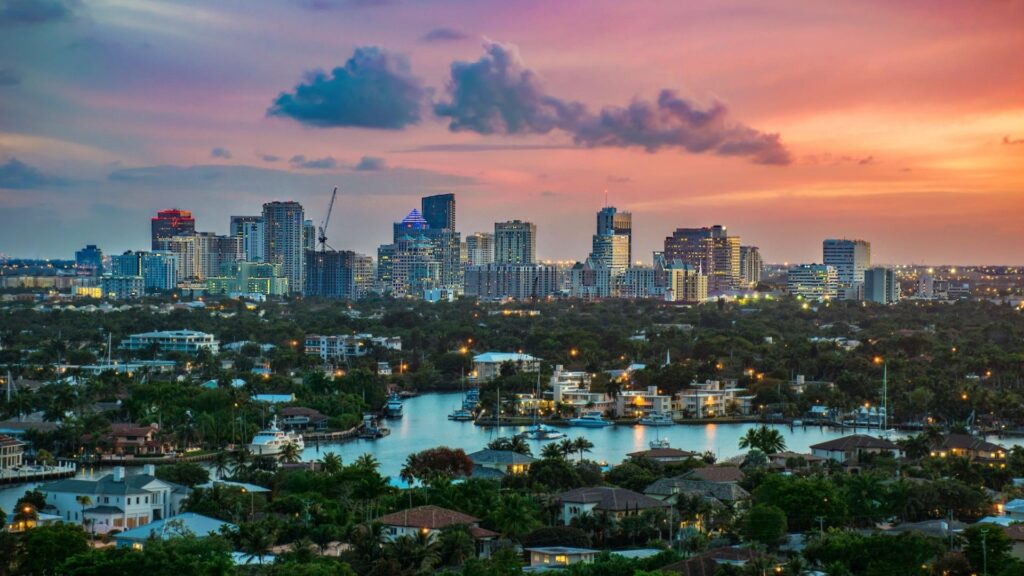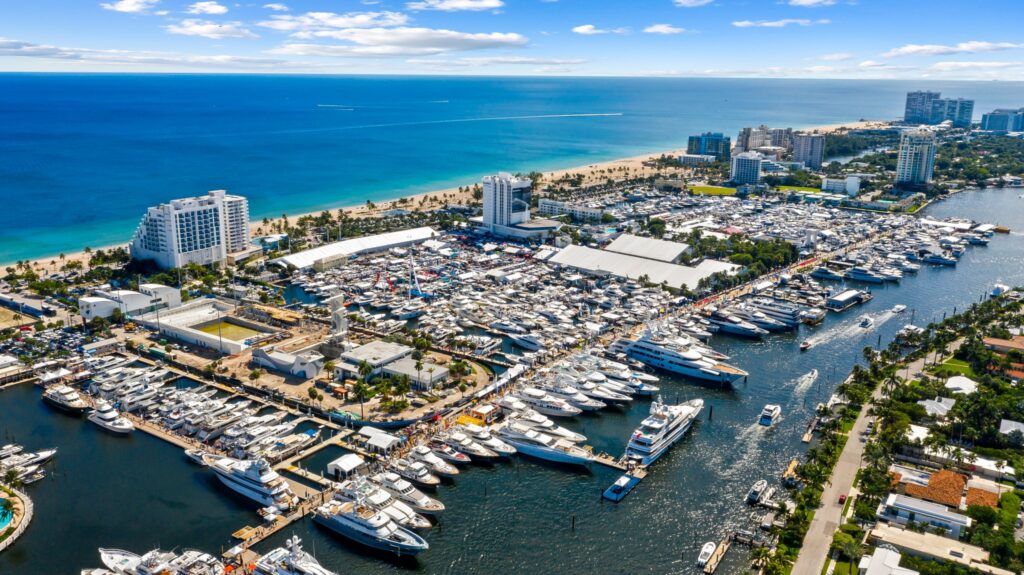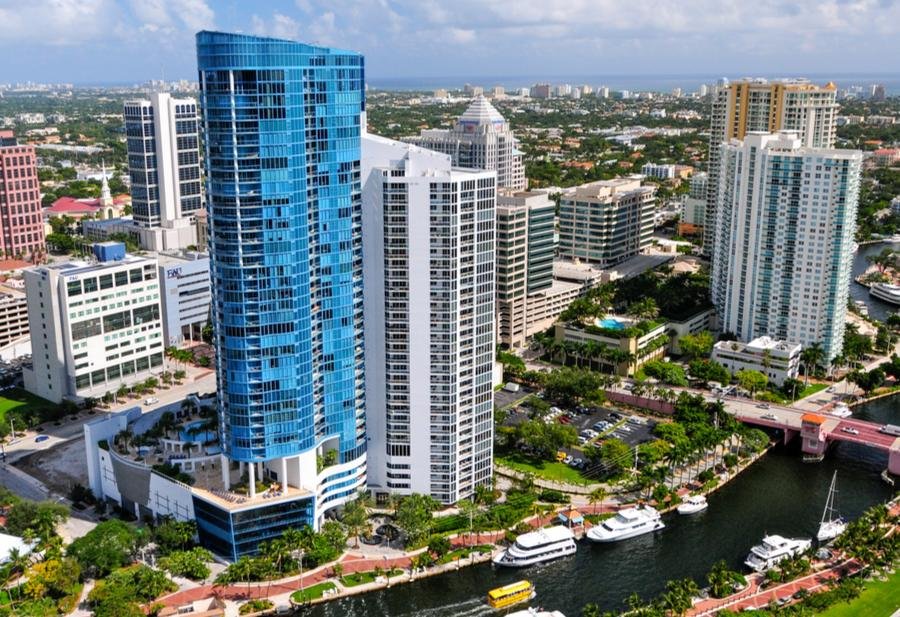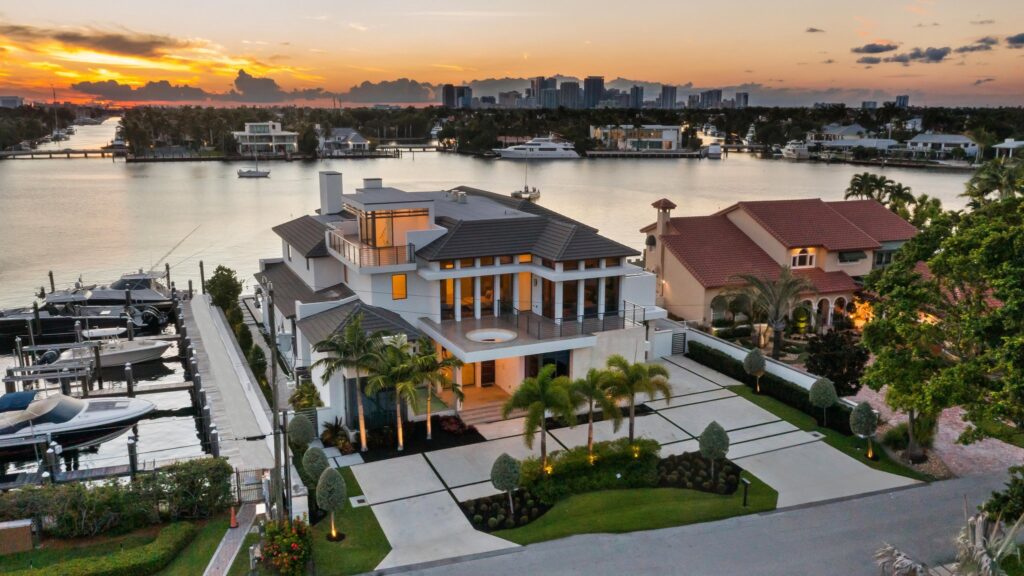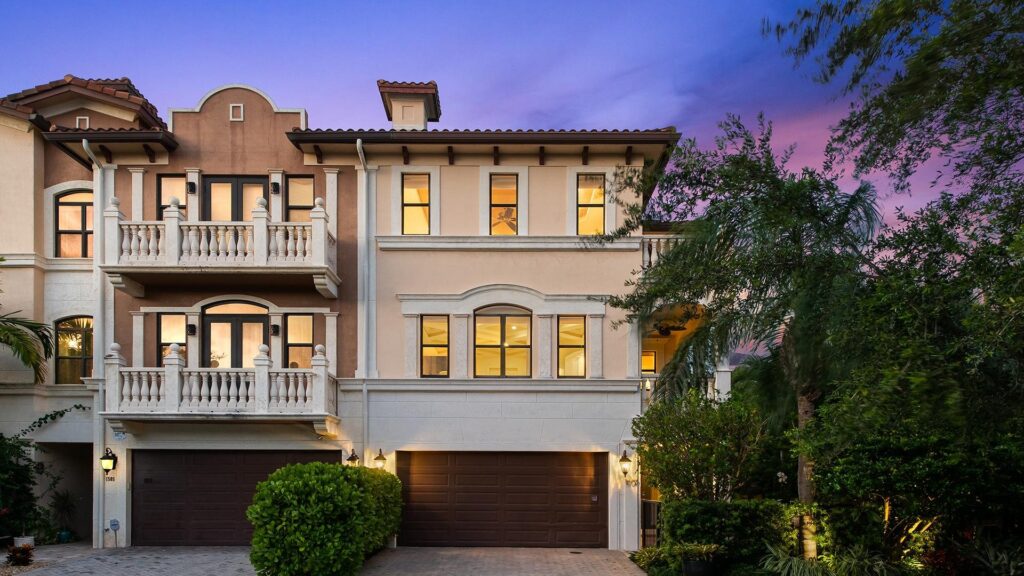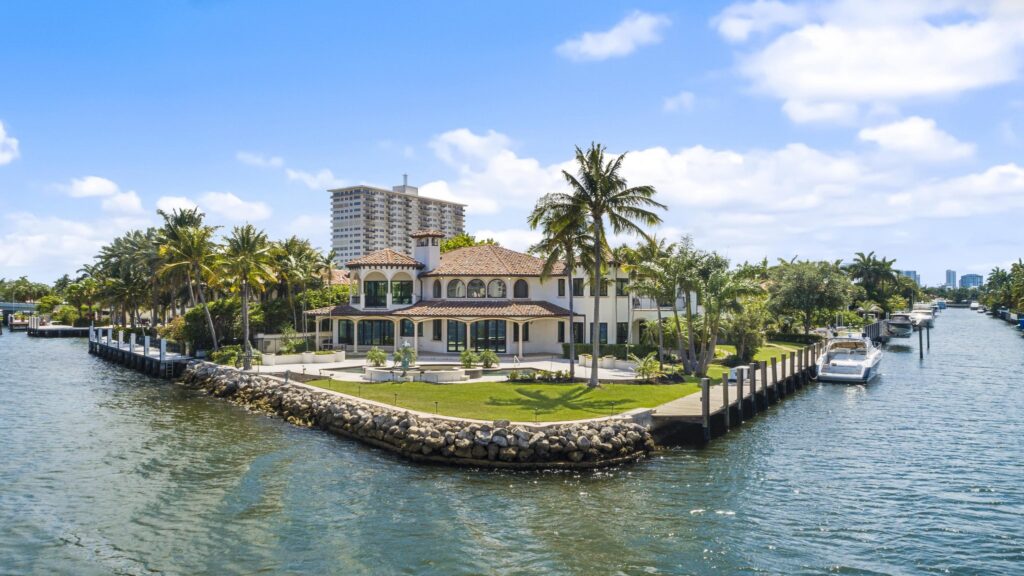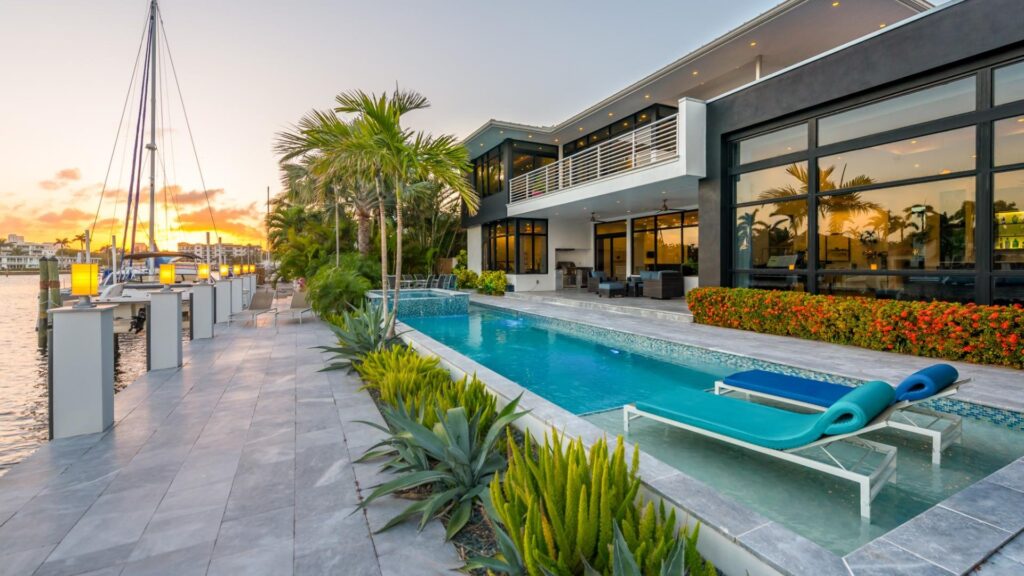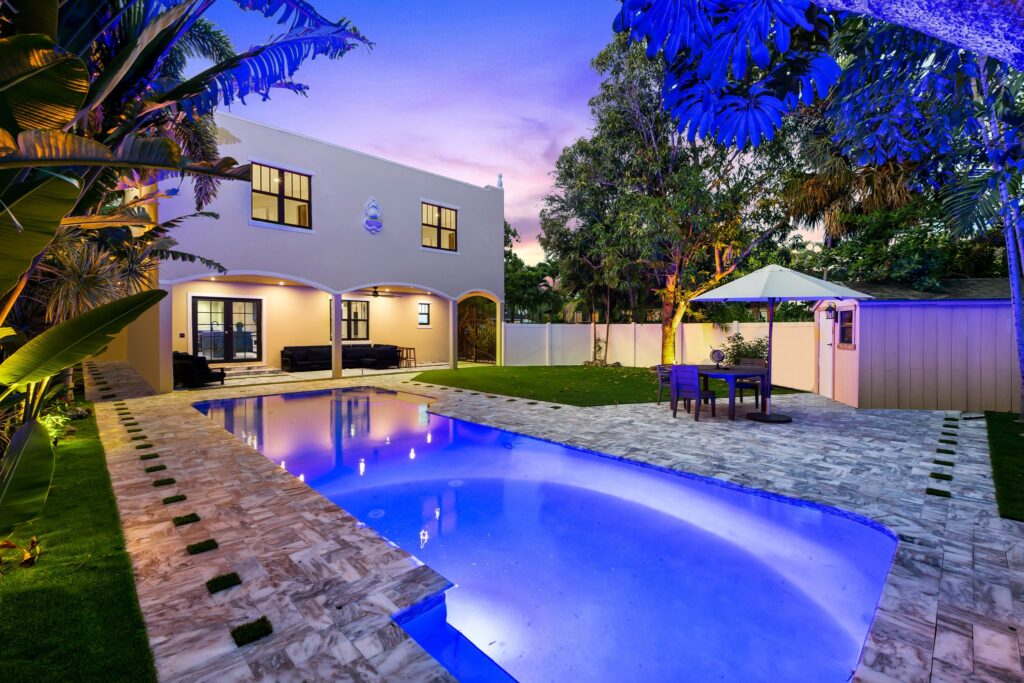
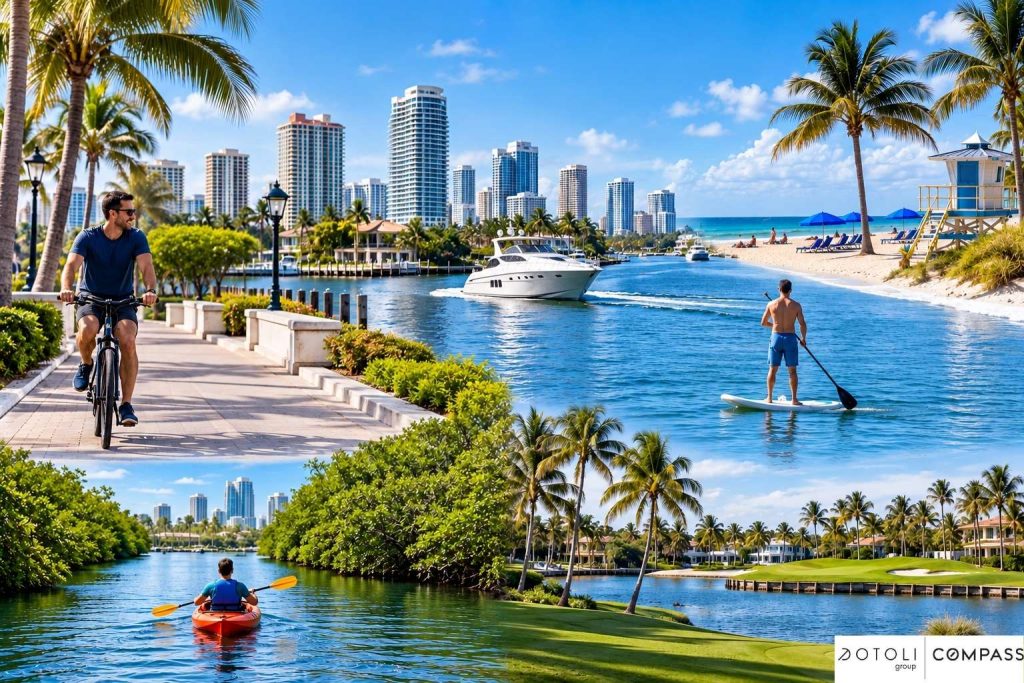

Fort Lauderdale averages 246 sunny days per year. That number is not a marketing line. It is the practical reason residents use the beach, the waterways, the state park, and the trail system weekly rather than saving outdoor activities for vacations.
For buyers comparing Fort Lauderdale with other South Florida cities, outdoor access here isn’t a perk. It is part of the cost-of-living calculation.
This guide covers the seven best outdoor activities in Fort Lauderdale, with specific locations, access details, and which neighborhoods put each one within walking or biking distance.
What Is Fort Lauderdale Beach Like for Residents, Not Tourists?
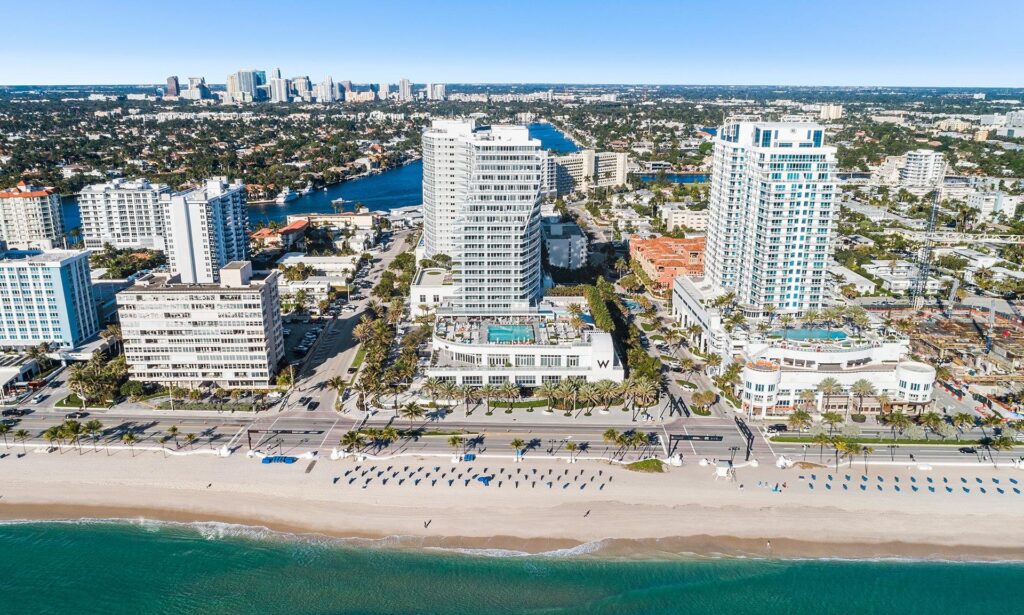
Fort Lauderdale Beach runs approximately 7 miles along the Atlantic coast from the Broward-Miami-Dade county line north through Lauderdale-by-the-Sea (Visit Lauderdale). The stretch closest to residential neighborhoods runs from Las Olas Boulevard north through the Galt Ocean Mile corridor.
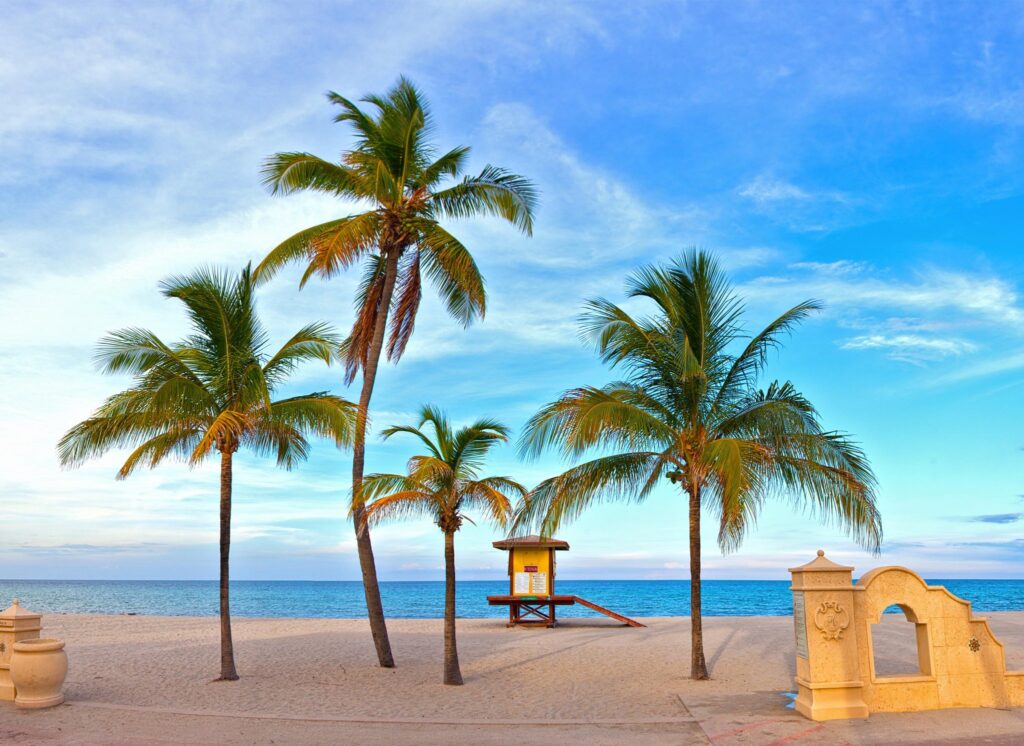
Residents use it differently than tourists. Early morning runs, sunset paddleboard sessions, and weekday morning swims are the norm for people who live within a mile of the water.
The beach has no entry fee. Metered parking is available along A1A and in city-operated garages on Seabreeze Boulevard.
Residents in Harbor Beach, Coral Ridge, and Victoria Park are within a 10-minute drive. Buyers in Las Olas Isles and Seven Isles can reach the beach by water via the Intracoastal.
- Main beach access: Las Olas Boulevard at A1A
- Parking: metered street parking and city garages along A1A
- Nearest residential neighborhoods: Harbor Beach, Coral Ridge, Victoria Park
- Water conditions: Atlantic with regular lifeguard coverage; calmer in summer, more surge November through March
For buyers evaluating beachside proximity, see Harbor Beach waterfront homes for the closest residential inventory to the Atlantic.
What Can Residents Do on the Fort Lauderdale Intracoastal Waterway?
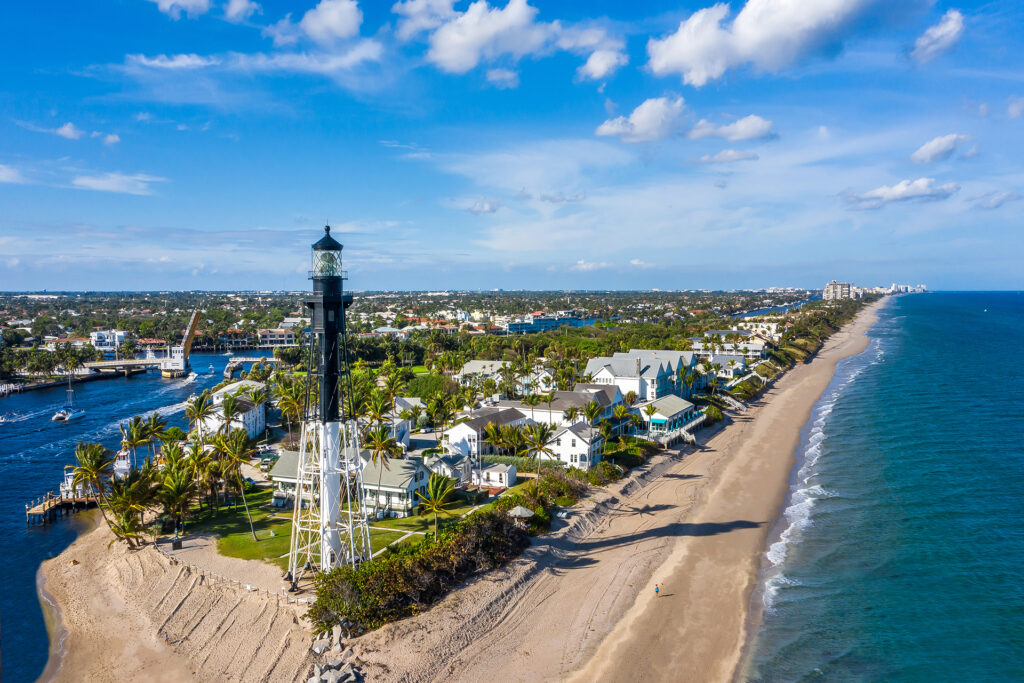
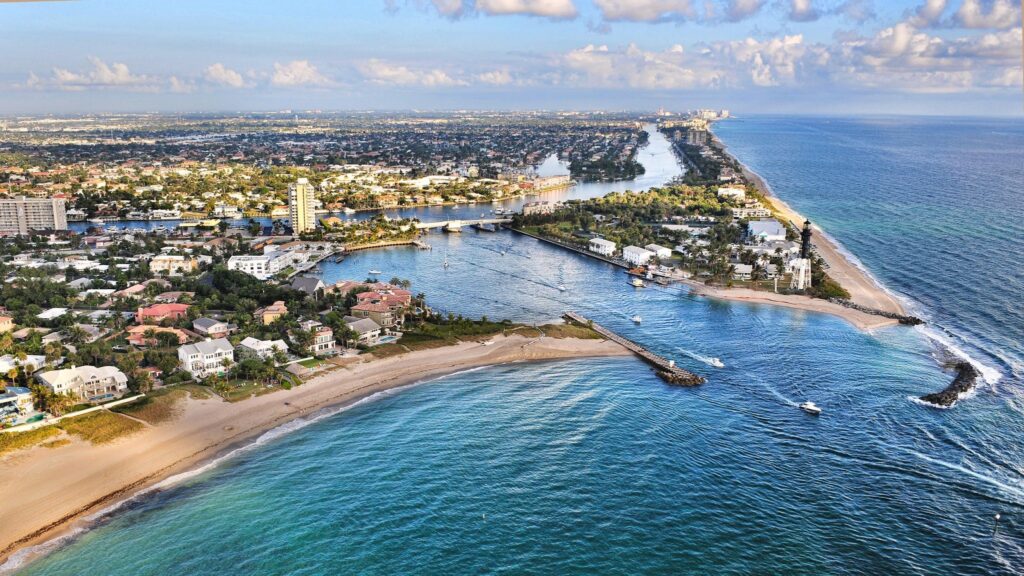
The Intracoastal Waterway through Fort Lauderdale connects 165 miles of navigable canals, rivers, and open waterway to the Atlantic at Port Everglades Inlet.
Residents use it for kayaking, paddleboarding, fishing, boating, and water taxi transit between neighborhoods. You can’t access the ICW by car. Residents with waterfront properties can access it from the dock.
The Fort Lauderdale Water Taxi operates 12 stops across the ICW and New River system, connecting residential neighborhoods to Las Olas, Riverwalk, and the beach. One-day passes are available. The service runs daily, and residents use it as practical transit, not just recreation.
- Water Taxi stops: 12 stops, including Las Olas, Riverside Hotel, Bahia Mar, and more.
- Kayak and paddleboard rentals available at multiple ICW access points
- Fishing: snook, tarpon, and redfish are common in the ICW channels
- Nearest neighborhoods with direct ICW access: Seven Isles, Las Olas Isles, Coral Ridge, Harbor Beach
Buyers evaluating ICW-front properties can review the full waterfront access breakdown at tips for waterfront property buyers in Fort Lauderdale.
What Is Hugh Taylor Birch State Park and Is It Worth Visiting?
Hugh Taylor Birch State Park is a 180-acre barrier island park located at 3109 E Sunrise Blvd, Fort Lauderdale, FL 33304 (Florida State Parks). It sits between the Intracoastal Waterway and A1A, one block from the beach.
The park has freshwater lagoons, a 1.8-mile paved trail, canoe and kayak rentals, picnic areas, and direct beach access via an underpass beneath A1A.
As of 2024, the entry fee is $6 per vehicle (up to 8 people). The park opens at 8 AM daily. For residents in Coral Ridge and Victoria Park, it is a 10-minute bike ride.
It is one of the few places in urban Fort Lauderdale where you can walk a shaded trail, paddle a freshwater lagoon, and reach the ocean in the same trip.
What Are the Best Water Sports and Diving Options Near Fort Lauderdale?
Fort Lauderdale sits above one of the most accessible reef systems on Florida’s Atlantic coast. The natural reef line runs parallel to the shore approximately 1 to 2 miles offshore and is reachable by dive boat from Fort Lauderdale and Pompano Beach marinas in under 30 minutes. Visibility averages 50 to 80 feet on calm days.
Dive operators departing from Fort Lauderdale run regular reef and wreck trips. The SS Copenhagen, a 19th-century wreck, sits in 30 feet of water off Lauderdale-by-the-Sea and is one of South Florida’s most visited shore dives. Snorkeling is accessible from Lauderdale-by-the-Sea’s beach, with a reef directly off the shore and no boat needed.
What Makes Las Olas Boulevard Worth Visiting as a Resident?
Las Olas Boulevard runs from Andrews Avenue east to A1A and the beach, passing through the Las Olas Isles neighborhood and Fort Lauderdale’s primary dining, retail, and gallery corridor.
For residents, it functions as a walkable main street. The outdoor seating along Las Olas supports year-round use given Fort Lauderdale’s climate.
Las Olas is within walking distance of Las Olas Isles properties and a short drive from Seven Isles, Victoria Park, and Rio Vista.
The street has no entry cost and is pedestrian-friendly along its full length. The annual Fort Lauderdale Art and Design Week, Las Olas Art Fair, and weekly Farmer’s Market are all centered on or adjacent to Las Olas.
- Location: Las Olas Blvd between Andrews Ave and A1A
- Walkable from: Las Olas Isles, Seven Isles (via bridge)
- Notable: galleries, James Beard-recognized restaurants, outdoor markets
- Access: free, street and garage parking available
Buyers evaluating the Las Olas corridor can view homes for sale in Las Olas Isles.
What Are the Best Biking Routes in Fort Lauderdale?
Fort Lauderdale has a growing network of connected trails and bike lanes. The most-used resident routes run along A1A on the barrier island, through Hugh Taylor Birch State Park, and along the New River Greenway connecting downtown to the western neighborhoods.
The Broward County trail system connects Fort Lauderdale to adjacent cities including Pompano Beach to the north and Hollywood to the south.
The city’s bike share program (Broward B-Cycle) operates stations throughout central Fort Lauderdale, Las Olas, and the beach corridor.
Stations are concentrated in Victoria Park, downtown, and along the beach. For residents in central neighborhoods, bike commuting to Las Olas, Riverwalk, and the beach is practical without a car.
How Far Is the Everglades from Fort Lauderdale and Is It Worth the Trip?
The western edge of the Florida Everglades is approximately 30 to 40 minutes from central Fort Lauderdale via I-75 (Alligator Alley).
Everglades Holiday Park at 21940 Griffin Rd, Fort Lauderdale, FL 33332 is the closest access point for airboat tours and wildlife viewing and sits within Broward County (Everglades Holiday Park). It is a half-day trip from most Fort Lauderdale neighborhoods, not a day trip requiring an overnight stay.
For residents who want regular access to flat-water paddling, wildlife photography, and airboat tours, the western Broward location means the Everglades is practically local.
Everglades National Park’s main entrance at Homestead requires 45 to 60 minutes from Fort Lauderdale.
Frequently Asked Questions
What are the best outdoor activities in Fort Lauderdale for families?
Hugh Taylor Birch State Park is the most family-friendly option. It has a paved 1.8-mile trail, a freshwater lagoon with canoe rentals, beach access, and picnic areas at a $6 vehicle entry fee. Fort Lauderdale Beach’s Las Olas Boulevard access point has lifeguard coverage, shallow entry points, and parking within walking distance.
Are there free outdoor activities in Fort Lauderdale?
Yes. Fort Lauderdale Beach is free to access at all public entry points along A1A. The Intracoastal waterfront paths and the Las Olas Boulevard corridor are free. Broward B-Cycle has a per-ride fee but no membership requirement for single trips.
Hugh Taylor Birch State Park charges $6 per vehicle, which is the main exception among the activities listed here.
What is the best time of year for outdoor activities in Fort Lauderdale?
November through April is the optimal window. Daytime temperatures range from the mid-70s to low 80s, humidity drops, and the afternoon thunderstorm pattern that defines summer months (June through September) is largely absent.
Fort Lauderdale averages 246 sunny days per year, so year-round outdoor use is practical for residents willing to move summer activities to the morning.
Can I access Fort Lauderdale’s outdoor activities without a car?
Several activities are accessible without a car depending on your neighborhood. Residents in Victoria Park and Coral Ridge can bike to Hugh Taylor Birch State Park, Fort Lauderdale Beach, and Las Olas.
The Fort Lauderdale Water Taxi connects ICW-front neighborhoods to multiple stops along the waterway. Broward County Transit buses cover major routes to the beach corridor.
How does outdoor access affect property values in Fort Lauderdale?
Proximity to the beach, the Intracoastal, and walkable corridors like Las Olas commands a measurable premium in Fort Lauderdale’s residential market. Waterfront properties with direct ICW or canal access represent a separate tier from beach-adjacent properties.
Fort Lauderdale’s Outdoor Life Is Best Experienced From the Right Neighborhood.
Activities aren’t the same from every address. A Harbor Beach resident walks to the beach. A Seven Isles resident paddles to the Intracoastal. A Victoria Park resident bikes to Hugh Taylor Birch State Park in 10 minutes. The neighborhood determines the access.
The Dotoli Group has closed over $1 billion in Fort Lauderdale sales since 2013 and is ranked #1 Fort Lauderdale Large Team by RealTrends Verified 2026 (realtrends.com).
Contact us to find out which Fort Lauderdale neighborhood puts your preferred outdoor activities within reach of home.