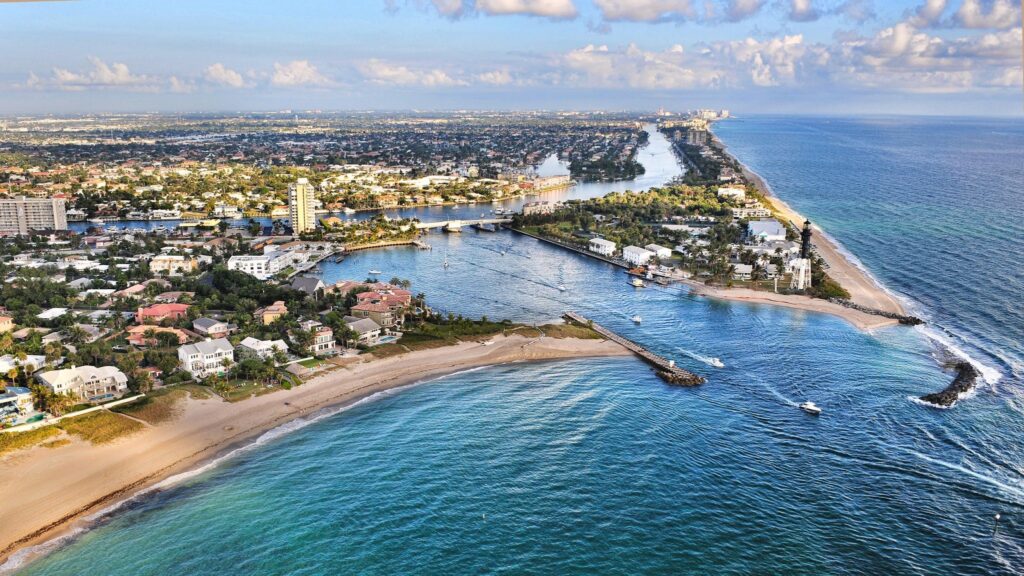
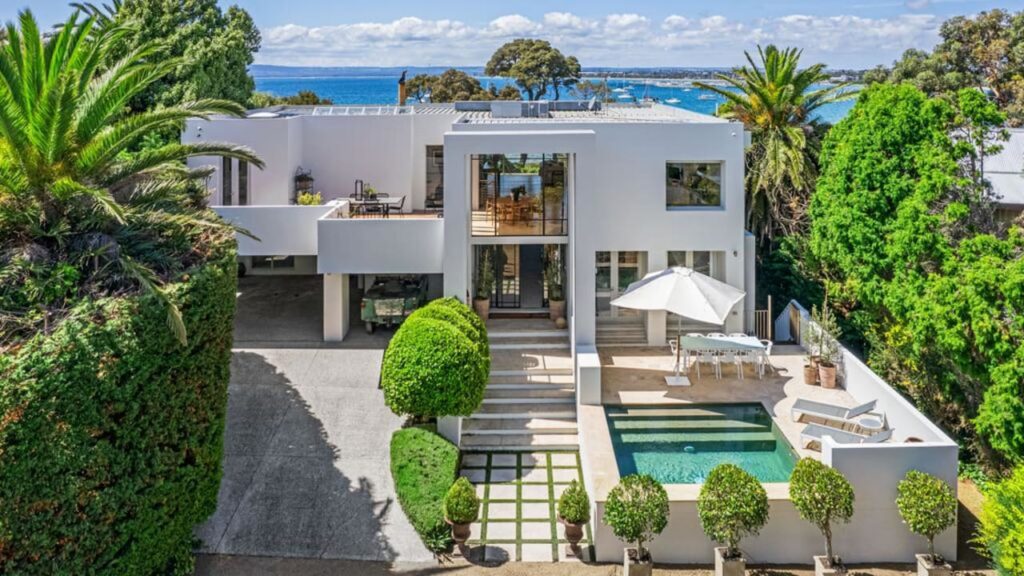

Buying a beach house in Fort Lauderdale requires a different process than buying an inland home. Flood zone designations, coastal construction regulations, wind and flood insurance costs, seawall condition, and beach access type all affect price, financing, and long-term ownership costs in ways that standard home-buying guides do not cover.
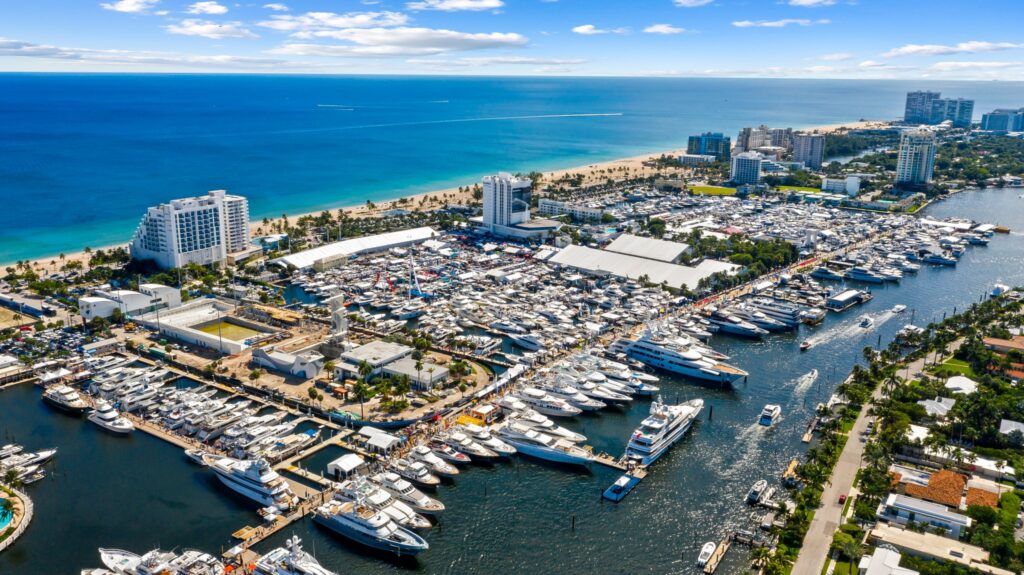
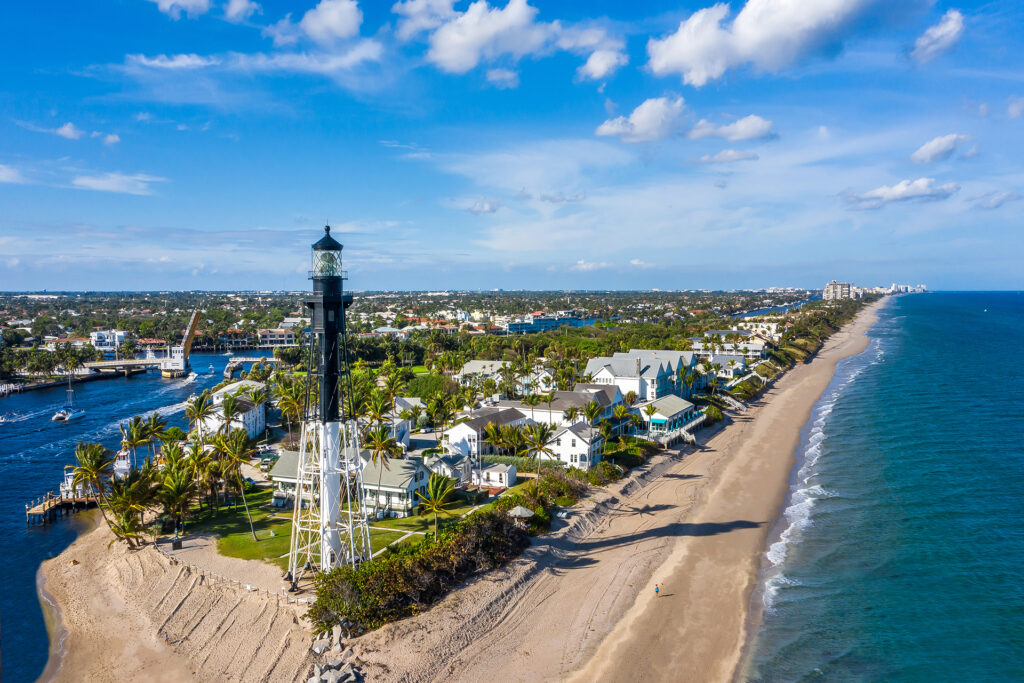
Fort Lauderdale has 24 miles of Atlantic coastline with a range of beach house types from direct beachfront condominiums on A1A to oceanfront single-family homes and deepwater canal estates with Intracoastal access.
This guide walks through each step of the process with the specifics that matter for buying a beach house in this market.
What Types of Beach Houses Are Available in Fort Lauderdale?
Fort Lauderdale beach houses fall into three distinct categories, and each carries different costs, regulations, and lifestyle implications. Understanding which type fits your goals before you start searching saves significant time and prevents buyers from comparing properties that are not actually equivalent.
What Is a Beachfront Property in Fort Lauderdale?
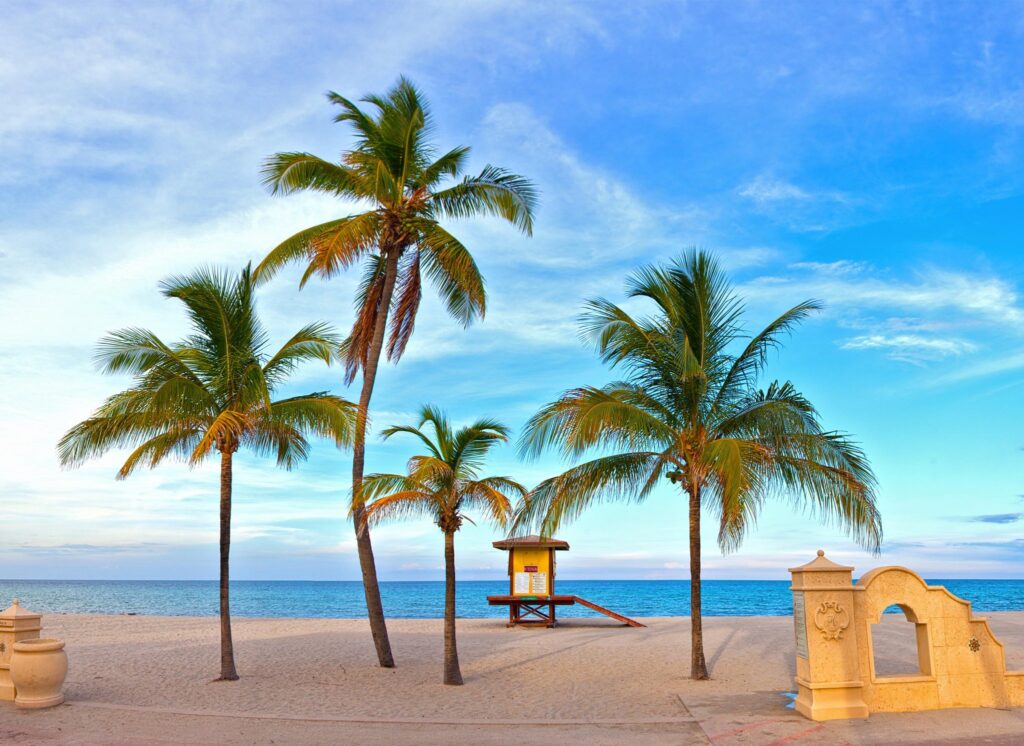
A beachfront property has no separation between the structure and the sand. The property line meets the beach directly.
In Fort Lauderdale, true beachfront single-family homes are concentrated in Harbor Beach, a private gated enclave with a residents-only beach strip. Harbor Beach homes range from $4 million to over $20 million.
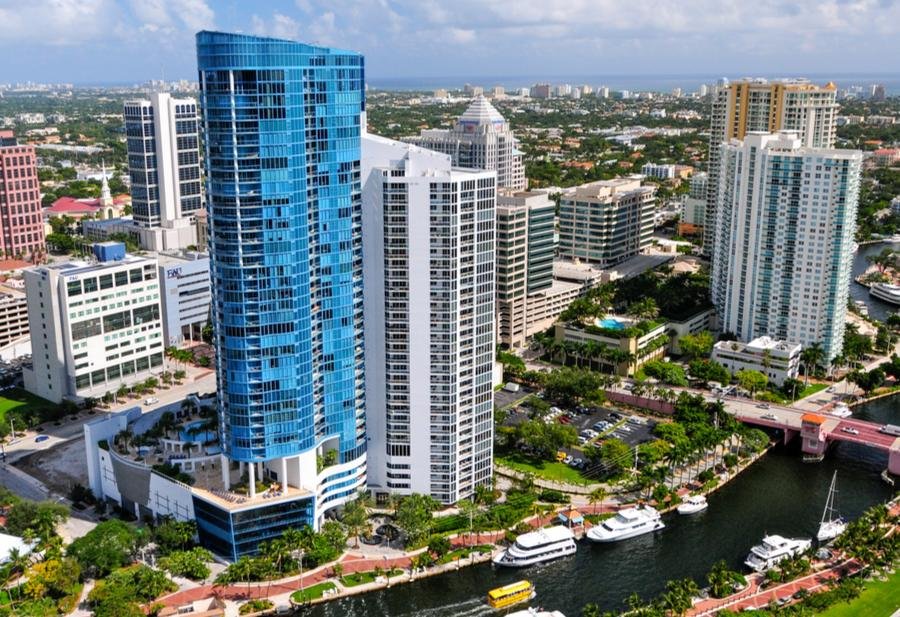
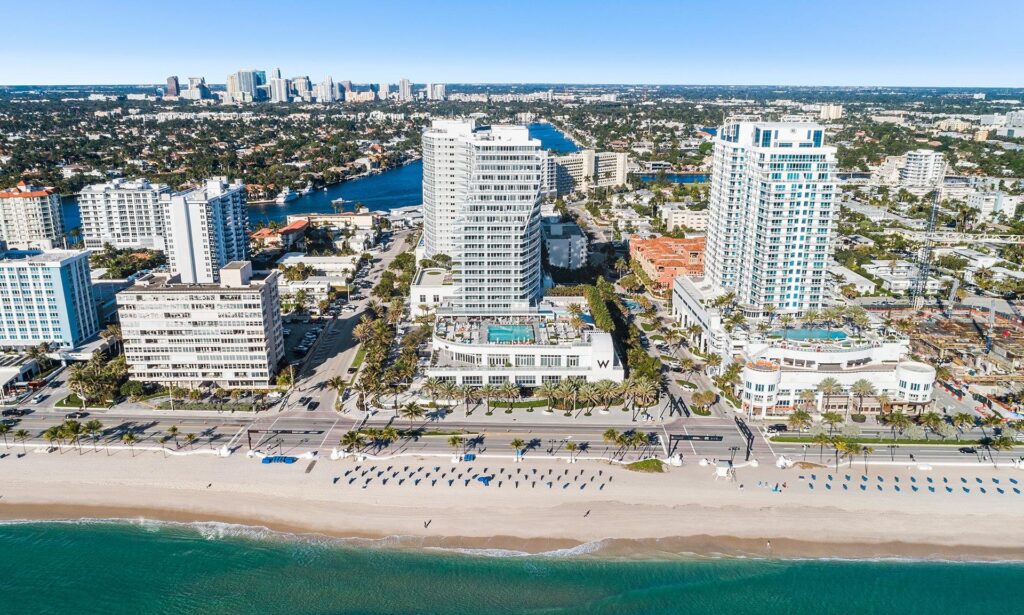
Beachfront condominiums along the A1A corridor between Sunrise Boulevard and Las Olas Boulevard start around $400,000 for older studios and climb above $3 million for larger newer units.
What Is an Oceanfront Property in Fort Lauderdale?
An oceanfront property has ocean views and is positioned close to the water, but a road, public walkway, or other separation exists between the structure and the sand. The Galt Mile corridor north of Fort Lauderdale Beach is the primary oceanfront high-rise area, with condominiums fronting A1A and the beach across the road.
Buyers who want a detailed breakdown of how beachfront and oceanfront compare on price, insurance, and maintenance can find a full comparison in the beachfront vs oceanfront Fort Lauderdale guide.
What Is a Waterfront Canal Home in Fort Lauderdale?
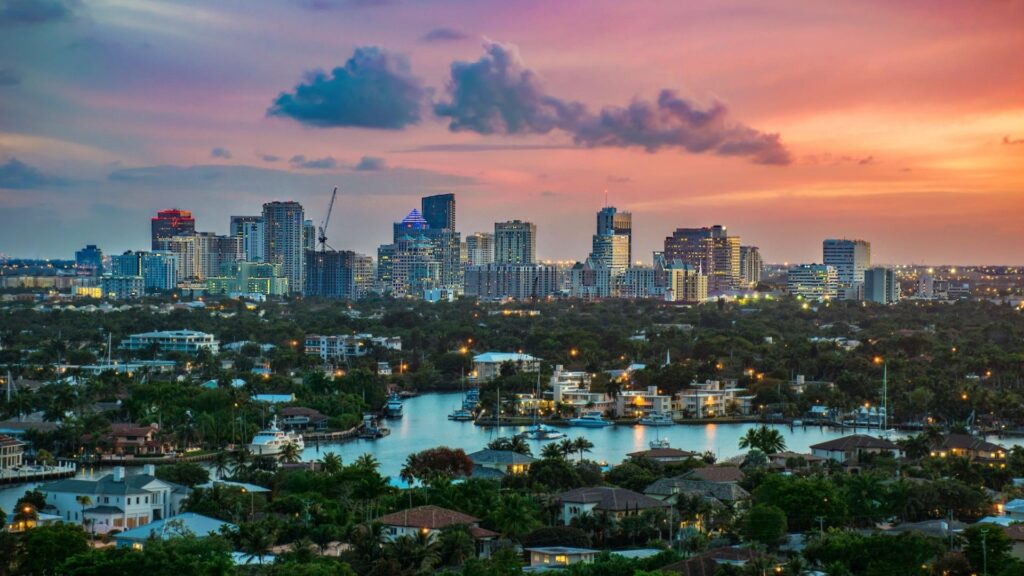
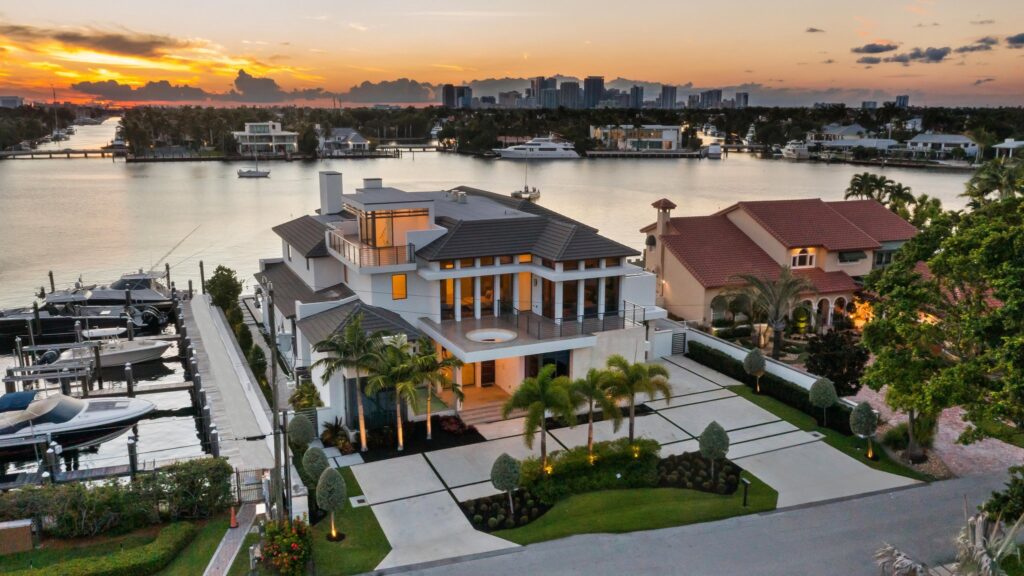
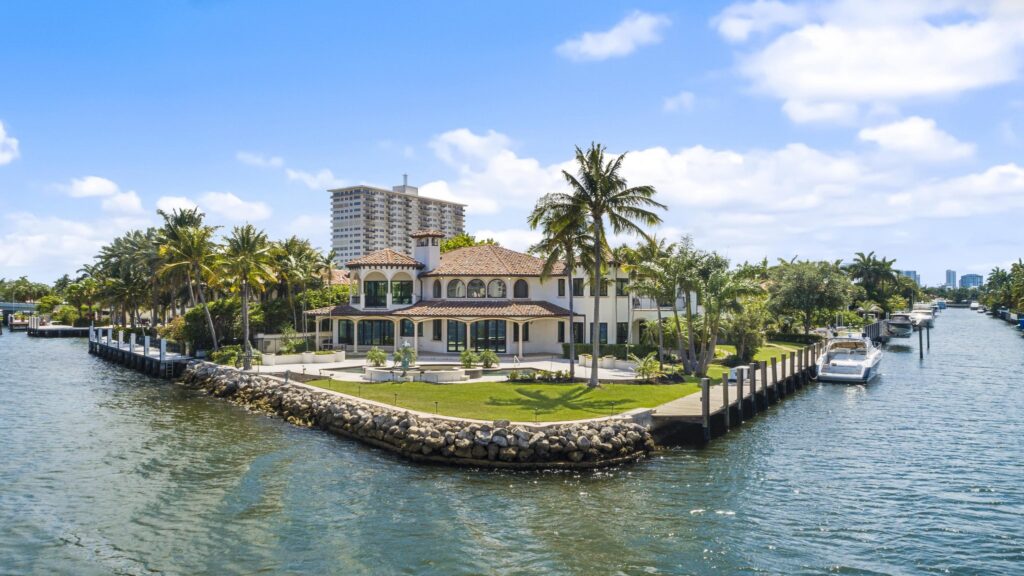
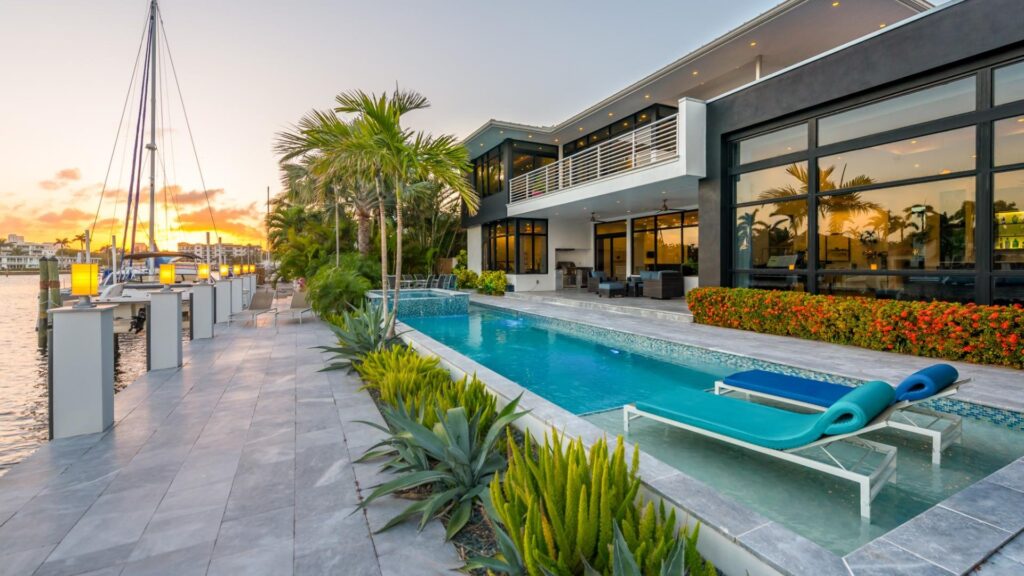
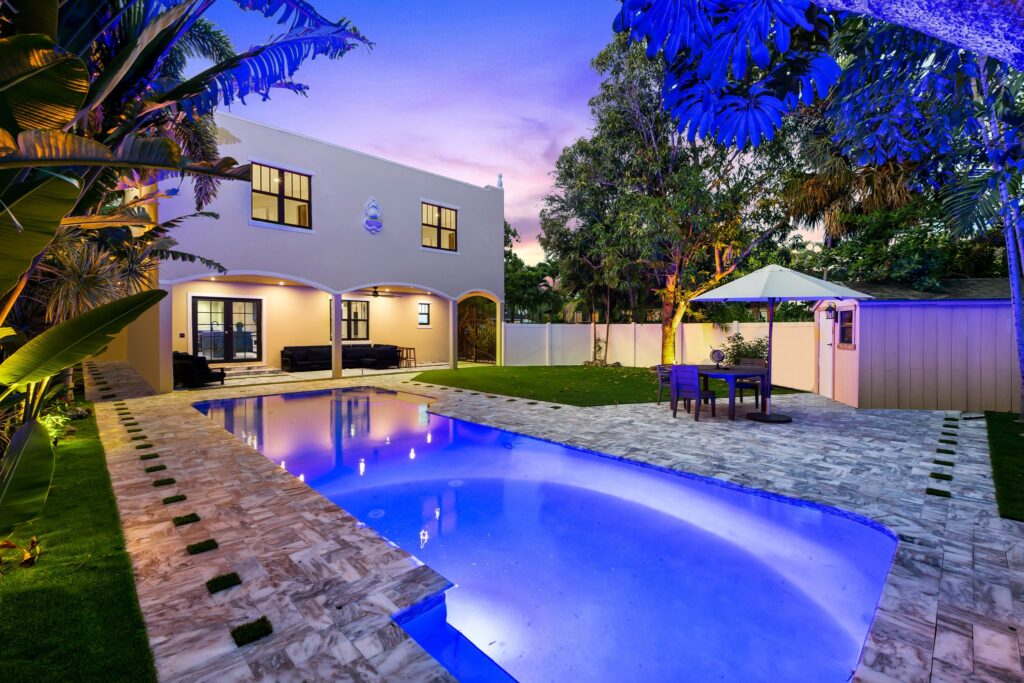
Canal homes sit on Fort Lauderdale’s extensive inland waterway network and provide boat dock access to the Intracoastal Waterway and Atlantic Ocean rather than direct beach access. These properties range from $800,000 for older canal homes in established neighborhoods to $15 million or more for deepwater estates in Las Olas Isles.
Canal homes give buyers private dockage and boating access in a quieter residential setting than direct beachfront properties. Buyers interested in this segment can explore current Las Olas Isles homes for sale to see what deepwater canal inventory looks like.
What Budget Do You Need to Buy a Beach House in Fort Lauderdale?
Budget planning for a Fort Lauderdale beach house needs to account for more than the purchase price. Insurance, flood zone designation, HOA fees, and ongoing maintenance create carrying costs that vary significantly between property types and locations.
What Do Fort Lauderdale Beach Houses Cost in 2026?
The Broward County median sale price reached $564,100 as of October 2025, per Steadily citing Zillow data. Still, beach house pricing in Fort Lauderdale spans a much wider range depending on property type.
Entry-level beachfront condominiums on A1A start around $400,000. Oceanfront high-rise units along the Galt Mile range from $400,000 to $3 million. Direct beachfront single-family homes in Harbor Beach start around $3 million and exceed $20 million for newer construction.
Fort Lauderdale residential real estate has appreciated 63.45% over the last five years, according to NeighborhoodScout Q4 2025 data, which means buyers waiting for prices to soften significantly have limited historical precedent to rely on.
What Additional Costs Should Beach House Buyers Plan For?
Insurance is the highest additional cost that surprises buyers new to coastal Florida real estate. Beachfront and oceanfront properties require homeowners insurance and separate flood insurance.
Flood insurance premiums on properties in FEMA Special Flood Hazard Areas (Zones AE and VE) can run $3,000 to $10,000 or more annually depending on the structure’s elevation, flood zone, and coverage amount. Wind insurance or wind coverage riders add another layer of cost for coastal properties in Broward County.
HOA fees in Fort Lauderdale beachfront condo buildings range from $800 to $3,000 or more per month depending on building amenities, age, and reserve fund health. Seawall maintenance and dock upkeep add ongoing costs for canal properties.
Buyers should budget 1 to 2 percent of the purchase price annually for maintenance on coastal properties, higher than the standard inland estimate due to salt air, humidity, and storm exposure.
What Do You Need to Know About Fort Lauderdale Flood Zones Before Buying?
Flood zone designation is one of the most important factors in a Fort Lauderdale beach house purchase. It determines flood insurance requirements, annual premium costs, and in some cases what renovations or additions are legally permitted on the property.
What FEMA Flood Zones Apply to Fort Lauderdale Beach Properties?
Fort Lauderdale coastal and waterfront properties fall primarily into FEMA Zone AE and Zone VE. Zone AE is the standard Special Flood Hazard Area where base flood elevations are established, and flood insurance is required with a federally backed mortgage.
Zone VE is the coastal high-hazard zone, which applies to beachfront properties subject to wave action in addition to flooding. Zone VE carries the highest flood insurance premiums of any FEMA designation and the most restrictive construction regulations.
A full breakdown of how each zone affects insurance costs and what it means for buyers is covered in the Fort Lauderdale flood zones guide.
How Does an Elevation Certificate Affect Flood Insurance Cost?
An elevation certificate documents the structure’s height relative to the base flood elevation established by FEMA for that specific location.
Properties built above the base flood elevation pay significantly lower flood insurance premiums than those built at or below it. Buyers should request the current elevation certificate for any Fort Lauderdale beach house before making an offer.
If one does not exist, commissioning a new one before closing gives the buyer accurate insurance cost estimates before they are committed to the purchase.
What Inspections Does a Fort Lauderdale Beach House Require?
A standard home inspection is not sufficient for a coastal Fort Lauderdale property. Beach houses and waterfront homes need additional inspections that cover components a general inspector does not evaluate.
What Should the Property Inspection Cover on a Beach House?
Beyond the standard systems inspection, Fort Lauderdale beach house buyers should commission:
Wind mitigation inspection: Documents construction features that reduce wind damage risk. A favorable wind mitigation report can significantly reduce homeowners insurance premiums and is required by most Florida insurers to calculate an accurate quote.
Four-point inspection: Required by most Florida insurers for homes over a certain age. Covers roof, electrical, plumbing, and HVAC systems. Many older Fort Lauderdale beachfront properties fail four-point inspections due to aging systems, which can affect insurability.
Seawall inspection: Required for any canal or waterfront property with a seawall. Seawall replacement in Fort Lauderdale runs $500 to $1,500 per linear foot depending on material and access. A full walkthrough of what seawall inspectors look for is covered in the Fort Lauderdale seawall inspection guide.
Coastal Construction Control Line (CCCL) review: For beachfront properties, confirm whether the structure sits seaward of Florida’s CCCL, which restricts what can be renovated or rebuilt on the ocean side of that line.
Should You Get a Separate Roof Inspection on a Fort Lauderdale Beach House?
Yes. Roof condition is the single most consequential factor in obtaining homeowners insurance in coastal Florida. Insurers in Broward County have become increasingly selective about insuring roofs over 10 to 15 years old.
A dedicated roof inspection beyond the standard home inspection confirms remaining useful life and identifies any deficiencies that could result in policy denial or dramatically higher premiums. Budget for potential roof replacement costs if the existing roof is approaching the end of its life.
How Do You Finance a Beach House in Fort Lauderdale?
What Mortgage Options Are Available for Beach House Buyers?
Conventional mortgages are available for most Fort Lauderdale beach houses that meet standard loan limits. For 2026, conforming loan limits in Broward County allow conventional financing on purchases up to $806,500. Properties above that limit require jumbo financing, which applies to a large share of Fort Lauderdale beachfront and oceanfront inventory given pricing levels.
Jumbo loans for Fort Lauderdale beach houses typically require stronger credit profiles, larger down payments of 20 to 30 percent, and more detailed documentation of assets and income than conforming loans.
Buyers purchasing investment beach houses or vacation rental properties may face additional underwriting requirements and higher rates than those purchasing a primary residence.
Does Buying a Beach House as a Vacation Rental Affect Financing?
Yes. Lenders treat investment properties and second homes differently from primary residences. Second home financing typically requires at least 10 to 20 percent down and carries a slightly higher rate than primary residence financing.
Investment property financing, which applies when the buyer’s primary intent is rental income, requires 20 to 25 percent down minimum and carries higher rates still.
Buyers should be clear with their lender about intended use before starting the application to avoid financing falling through late in the process
What Should You Evaluate When Comparing Fort Lauderdale Beach Houses?
What Due Diligence Steps Are Specific to Fort Lauderdale Beach Properties?
Buyers purchasing a Fort Lauderdale Beach house for the first time often focus on the visible features of the property and miss the structural and legal factors that determine real long-term value and cost.
A detailed checklist of what to evaluate before making an offer on any Fort Lauderdale waterfront property is covered in the guide on what to consider before buying a luxury waterfront home, which covers dock access, flood zone, seawall, insurance, and title considerations specific to this market. Key questions to answer on any Fort Lauderdale beach house before making an offer:
- What FEMA flood zone is the property in, and what will flood insurance cost annually?
- When was the roof replaced, and does it qualify for standard homeowners insurance?
- Does the property have a current elevation certificate?
- For condo buildings: what is the HOA reserve fund balance, and are any special assessments pending?
- For canal properties: what is the canal depth, dock permit status, and seawall condition?
- Does the property sit on or near the CCL, and what restrictions apply?
What Is the Closing Process for a Fort Lauderdale Beach House?
Florida closings are handled by title companies rather than attorneys, which differs from many other states. The standard closing timeline from accepted offer to closing runs 30 to 45 days for a conventional purchase and 45 to 60 days for jumbo financing.
Closing costs in Florida typically run 2 to 5 percent of the purchase price for buyers, covering title insurance, documentary stamp taxes, recording fees, and lender costs.
A full walkthrough of the Fort Lauderdale waterfront purchase process from offer through closing, including what contingencies to include and what to expect from inspections, is covered in the buying a waterfront home in Fort Lauderdale guide.
Ready to Buy a Beach House in Fort Lauderdale?
The Dotoli Group works exclusively in Fort Lauderdale and the surrounding Broward County waterfront market. The team knows which buildings have strong reserves, which beachfront lots carry CCCL restrictions, which canals support larger vessels, and which properties are realistically insurable at costs that make the purchase pencil out.
Contact the Dotoli Group to discuss your beach house criteria, get a current list of properties that match your budget and requirements, or have a specific address evaluated before you make an offer.