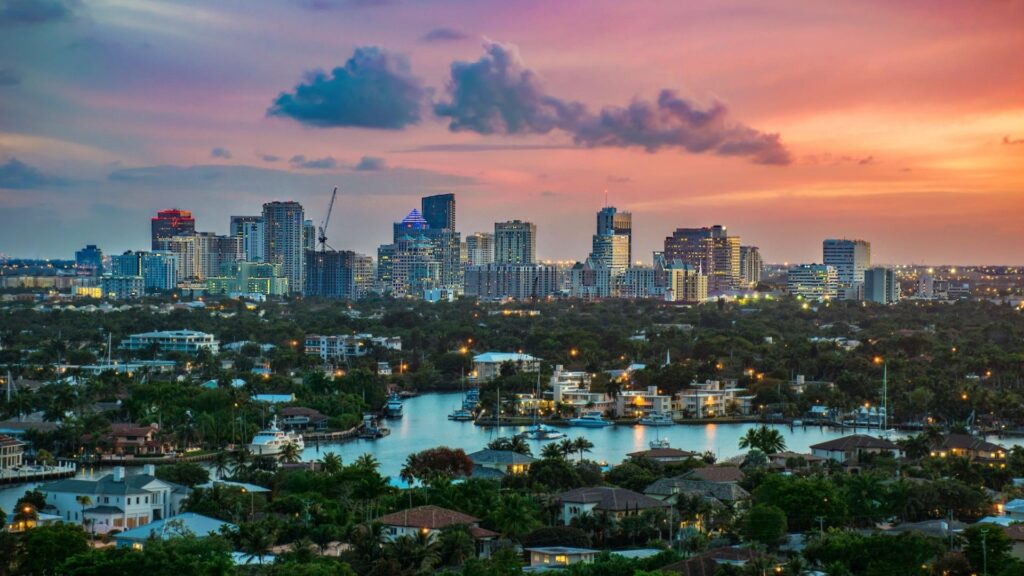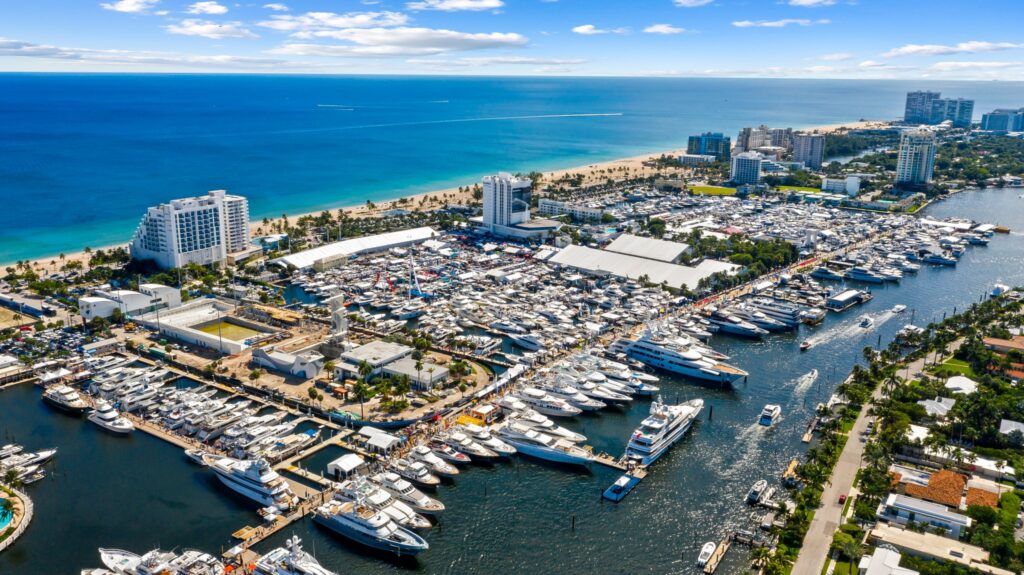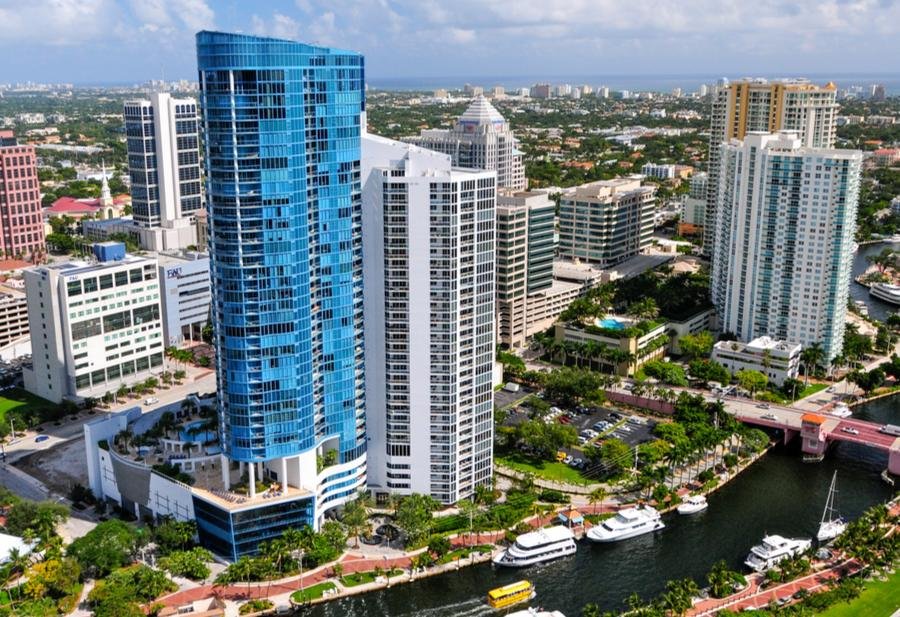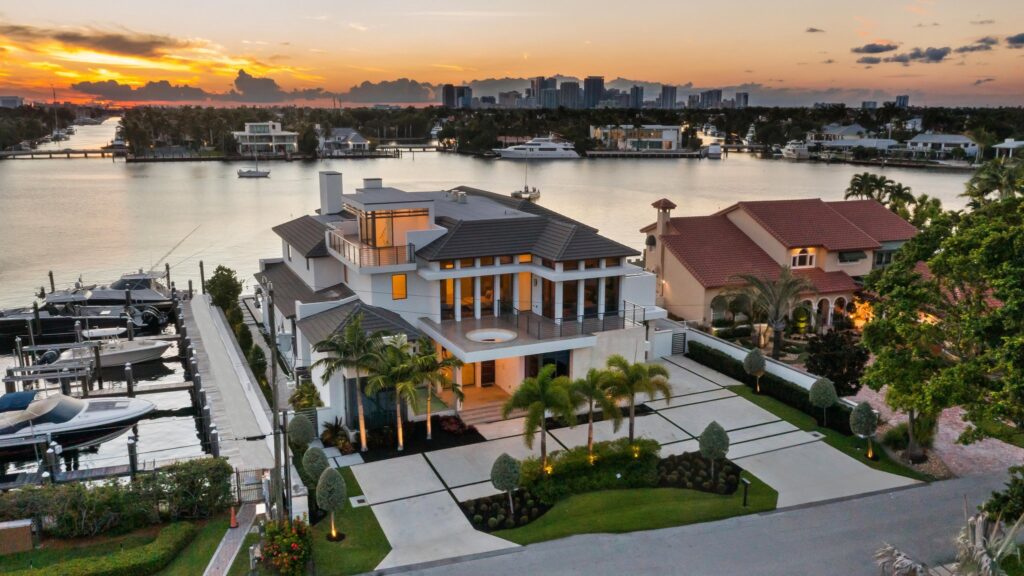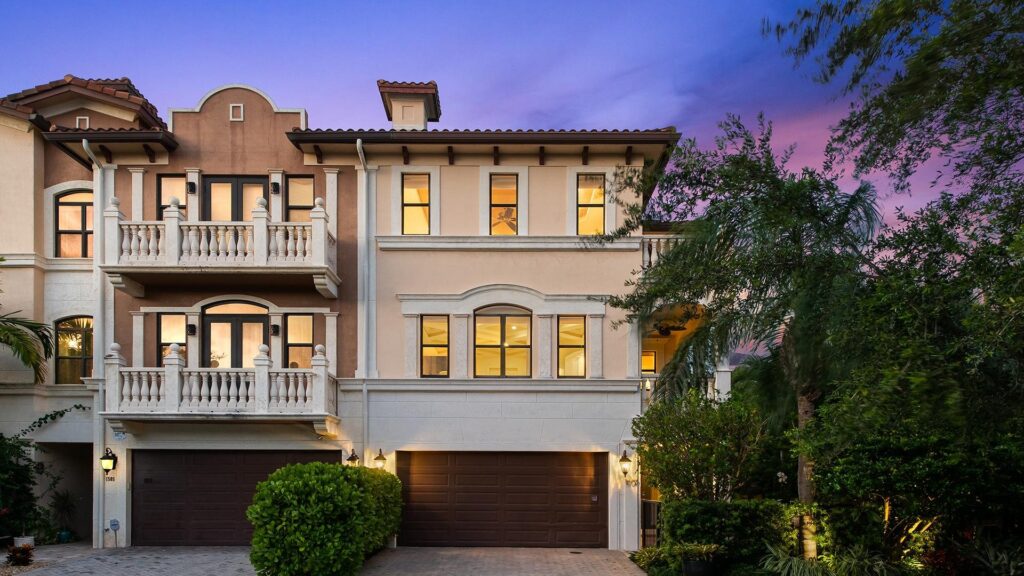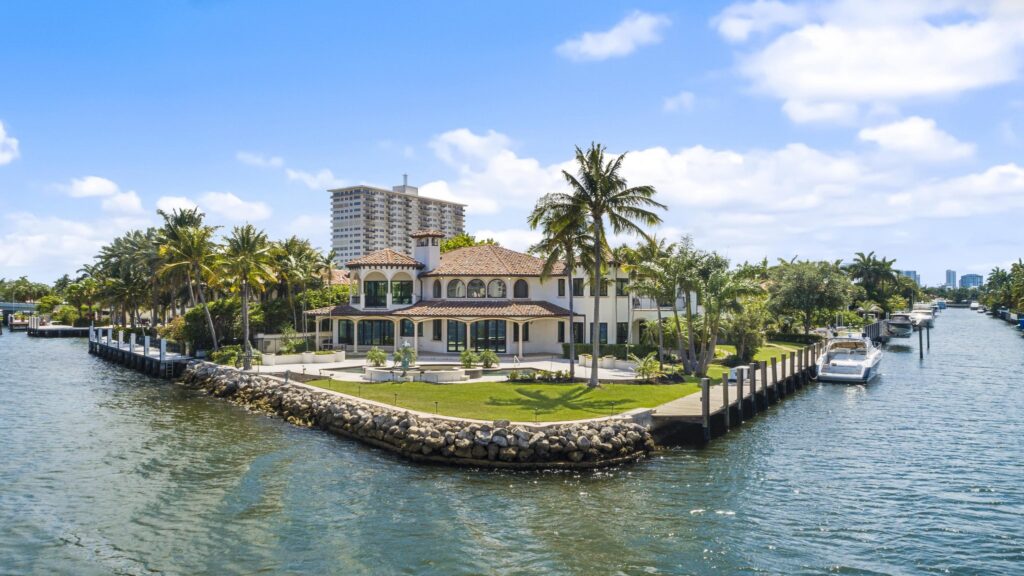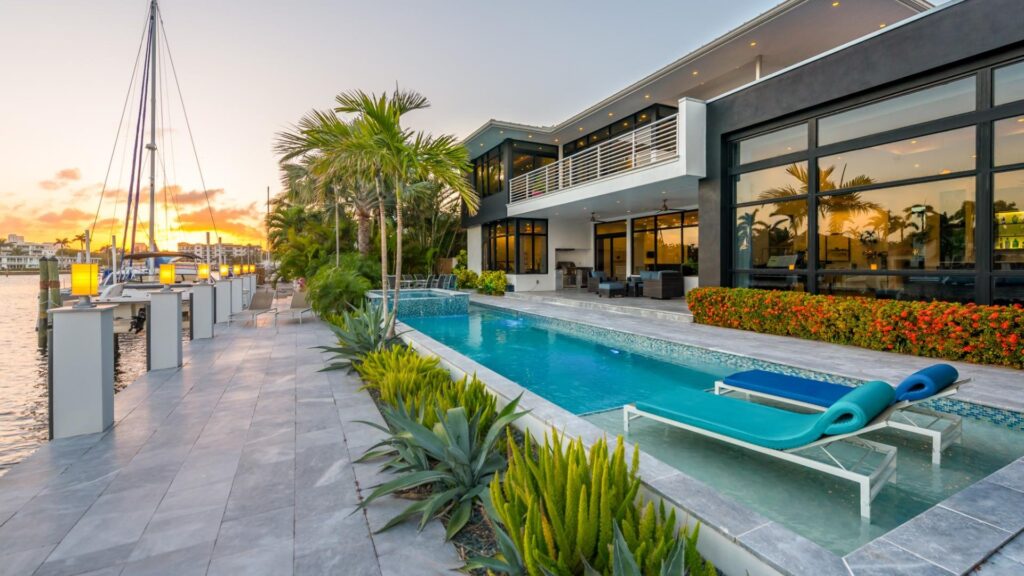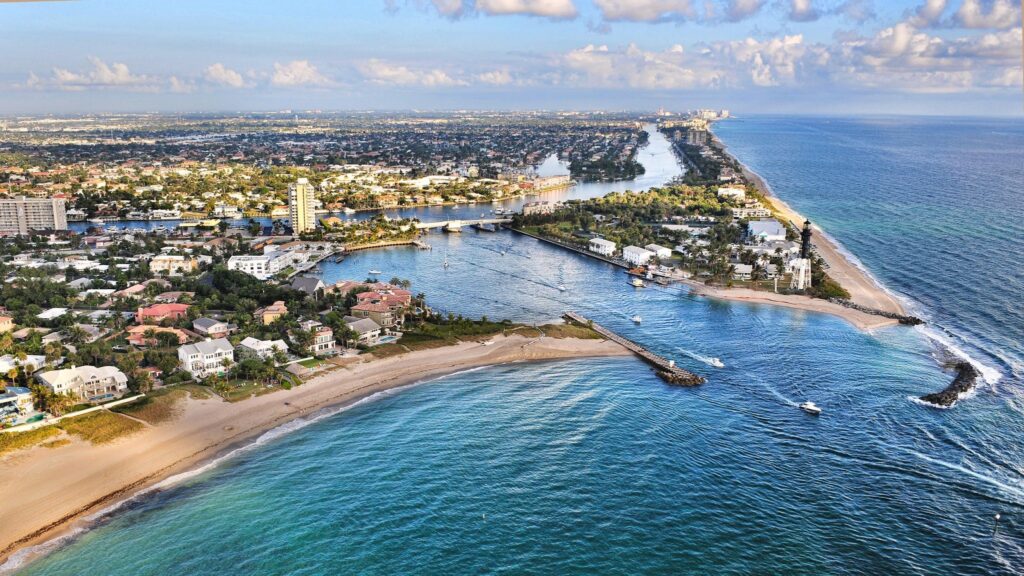
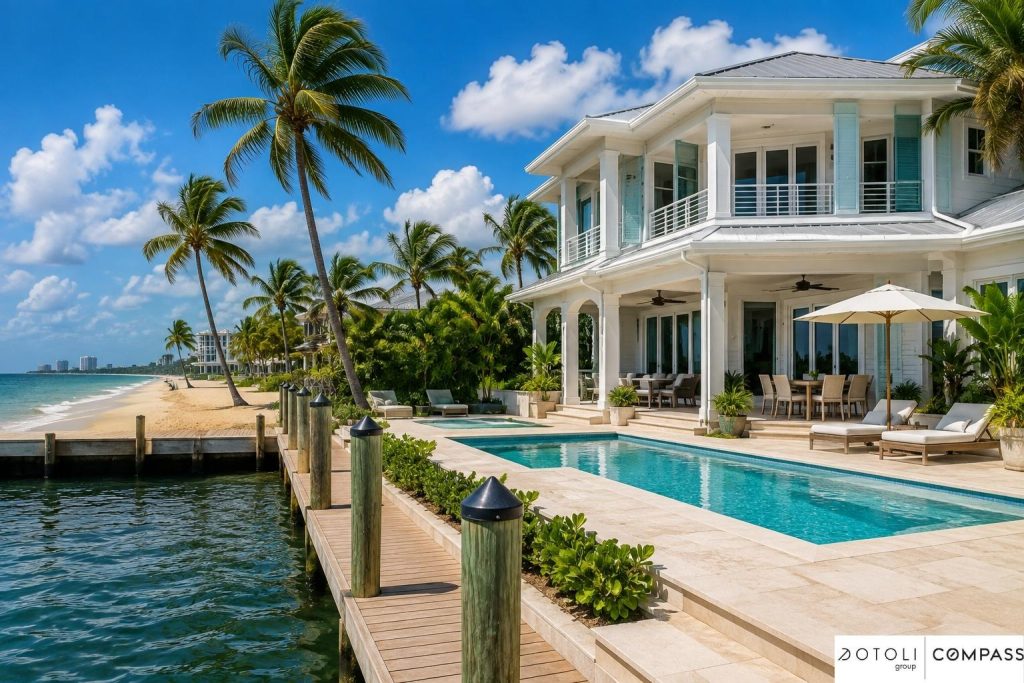

Owning a beach house is one of the most appealing real estate decisions a buyer can make and one of the most expensive to get wrong. The lifestyle case is genuine: direct water access, potential for rental income, and an asset class with constrained supply.
The financial risks are equally real: Florida’s insurance market, coastal maintenance demands, and storm exposure add tens of thousands of dollars annually to carrying costs that buyers often do not fully price before purchasing.
What Are the Real Benefits of Owning a Beach House?
Beach house ownership delivers lifestyle value that inland properties cannot replicate. The financial upside is real when the right property meets the right market conditions.
Direct Beach Access and Daily Lifestyle Value
A beach house puts ocean swimming, fishing, paddleboarding, and waterfront dining within walking distance of your front door.
For buyers who have spent years driving to the beach, that access fundamentally changes how they use their leisure time. It is a daily quality-of-life upgrade with real value, not just an aspirational one.
Rental Income Potential
Florida beach houses are among the most in-demand short-term rental properties in the country. Fort Lauderdale beachfront condominiums on the A1A corridor can command $3,000 to $7,000 per week during peak winter and spring season.
Buyers who confirm HOA rental permissions upfront and price competitively against comparable listings can offset a meaningful share of annual carrying costs through rental income.
Appreciation in a Supply-Constrained Market
The supply of direct beachfront single-family lots in Fort Lauderdale is fixed. That scarcity is a structural support for long-term value that generic inland markets lack.
Beachfront and oceanfront properties in premium segments have consistently outperformed broader Broward County averages over recent market cycles.
Year-Round Usability as a Primary Residence
Unlike seasonal lake houses in northern markets, a Fort Lauderdale beach house works as a full-time primary residence. The subtropical climate delivers year-round usability with no off-season carrying costs.
Buyers establishing Florida as their primary residence also eliminate state income tax liability from day one, which significantly changes the net ownership cost for relocators from California, New York, or New Jersey.
What Are the Real Drawbacks of Owning a Beach House?
The costs of coastal ownership in Florida go well beyond the mortgage payment. Buyers who underestimate these liabilities find annual expenses running $20,000 to $60,000 above what an equivalent inland property would cost to carry.
Florida’s Insurance Market Is the Most Expensive in the Nation
Florida ranked first among all states for homeowners insurance premiums, at an average of $2,437 annually, according to the Insurance Information Institute, nearly 73 percent above the national average of $1,411, and that figure predates the significant rate increases of 2022 through 2025.
Coastal Maintenance Costs
Salt air accelerates deterioration on every exposed surface. Exterior paint, roofing, windows, hardware, and mechanical systems all degrade faster on a beachfront property than on an equivalent inland home.
Seawall and dock structures require regular professional inspection and periodic replacement. Budget 1.5-2 percent of the purchase price annually for maintenance.
A professional seawall assessment is non-negotiable before purchasing any Fort Lauderdale waterfront property. What inspectors look for and what current replacement costs are detailed in the Fort Lauderdale seawall inspection guide.
Storm and Hurricane Exposure
Fort Lauderdale sits in an active hurricane corridor with direct exposure to the Atlantic coast. Beachfront properties face storm surge risk during significant events.
Annual storm-preparation costs, including shutter maintenance, generator upkeep, and pre-storm preparations, add recurring expenses that inland buyers do not face.
Florida’s Coastal Construction Control Line also restricts what can be renovated or rebuilt on properties seaward of a defined boundary, affecting future improvement plans for direct beachfront lots.
Condo Building Financial Risk
Beachfront condo buildings in Fort Lauderdale vary significantly in financial health. Following Florida’s post-Surfside legislation, buildings over three stories must complete structural integrity reserve studies and fund reserves accordingly.
Buildings with deferred maintenance or inadequate reserves carry a higher risk of special assessments after purchase.
What Does It Actually Cost to Own a Beach House in Fort Lauderdale?
Purchase Price by Property Type
Entry-level beachfront condominiums on the A1A corridor start around $400,000 for older studios and climb above $1.5 million for newer units with direct ocean views. Beachfront single-family homes in Harbor Beach start around $3 million and reach $20 million for newer construction.
Canal waterfront homes in neighborhoods like Coral Ridge start at $800,000, offering Intracoastal access at a lower price point than direct beachfront homes.
Annual Carrying Costs Beyond the Mortgage
A realistic annual cost estimate for a Fort Lauderdale beachfront condo in the $700,000 to $1.5 million range includes $8,000 to $15,000 for combined insurance, $10,000 to $30,000 in HOA fees, $6,000 to $12,000 in property taxes, and $5,000 to $10,000 in maintenance.
Total costs beyond principal and interest typically run $30,000 to $65,000 annually. Before making any offer, a step-by-step walkthrough of the full purchase process is available in the “How to Buy a Beach House in Fort Lauderdale” guide.
Beachfront or Oceanfront: Which Beach House Type Is Right for You?
Not all Fort Lauderdale beach houses are the same type of property. Beachfront means the structure sits directly on the sand.
Oceanfront means ocean views and proximity, but a road or walkway separates the structure from the beach. The two categories differ significantly in insurance cost, maintenance demand, privacy, and price.
Key Differences That Affect Your Buying Decision
Beachfront carries higher flood and wind insurance premiums than oceanfront due to direct storm surge exposure. It also requires CCCL compliance review for any renovation.
Oceanfront properties in the Galt Mile corridor offer comparable views, lower insurance costs, and more inventory.
For buyers still deciding between the two, a side-by-side breakdown of pricing, insurance, and lifestyle differences for each property type is laid out in the beachfront vs oceanfront Fort Lauderdale guide.
Which Fort Lauderdale Neighborhoods Should Beach House Buyers Consider?
Harbor Beach
Harbor Beach is Fort Lauderdale’s premier beachfront single-family enclave, gated with a private residents-only beach strip. Properties range from $4 million to $20 million. It attracts buyers who want the most exclusive and private direct beach access in the city.
Galt Mile
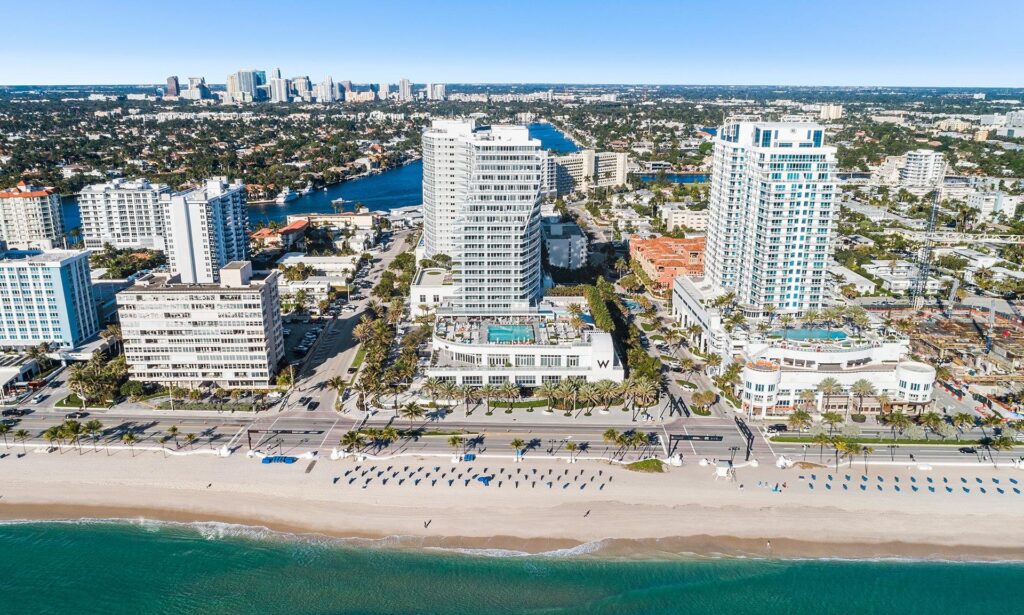
The Galt Mile corridor north of Fort Lauderdale Beach is the primary oceanfront high-rise area. Buildings front directly onto A1A with the beach across the road. Entry-level units start around $400,000, making it the most accessible oceanfront segment in the city.
Coral Ridge
Coral Ridge sits north of downtown Fort Lauderdale with canal access to the Intracoastal Waterway and easy access to the beach corridor. It offers a quieter residential character than the direct beachfront strips, with canal homes ranging from $800,000 to $3 million.
Buyers searching for Coral Ridge homes for sale will find a neighborhood that suits buyers who want waterfront access and a residential feel without the full beachfront price premium or insurance exposure.
Is Owning a Beach House Worth It in Fort Lauderdale?
When the Numbers Work
The financial case is strongest when three conditions align: the buyer uses the property regularly, rental income offsets a meaningful share of carrying costs, and the property is in a neighborhood with a sustained history of appreciation.
Fort Lauderdale’s constrained beachfront supply and strong buyer demand from high-net-worth relocators create the right structural conditions for long-term value.
When the Numbers Do Not Work
The case weakens when buyers underestimate insurance and HOA costs, purchase in a condo building with inadequate reserves, or buy in a location where rental restrictions eliminate the income offset.
Buyers who treat a beach house as a pure vacation property, used three to four weeks per year while incurring $40,000 to $60,000 in annual costs outside the mortgage, need to be fully comfortable with those economics before signing.
Frequently Asked Questions
What are the highest costs of owning a beach house in Fort Lauderdale?
Insurance is the highest variable cost. Florida ranked first nationally in homeowners insurance premiums, according to the Insurance Information Institute. Flood and wind insurance for Fort Lauderdale beachfront properties can run $8,000 to $50,000 annually depending on property type and flood zone designation.
Can you make money renting a beach house in Fort Lauderdale?
Yes. Fort Lauderdale beachfront condominiums can command $3,000 to $7,000 per week during peak season. Verify HOA rental restrictions before purchasing. Buildings that prohibit short-term rentals eliminate the rental income strategy. Confirm rules at the building level before going under contract.
Is Fort Lauderdale beach house real estate a good long-term investment?
Fort Lauderdale beachfront and oceanfront properties benefit from fixed supply and sustained demand from high-net-worth relocators. Long-term value is supported by constrained inventory, year-round lifestyle appeal, and Florida’s tax advantages for primary residents that most other coastal markets cannot match.
What is the difference between beachfront and oceanfront in Fort Lauderdale?
Beachfront means the property sits directly on the sand, with no intervening space. Oceanfront means ocean views and proximity, but a road or walkway sits between the structure and the beach. Beachfront properties incur higher insurance costs and face stricter construction regulations.
Do I need flood insurance for a Fort Lauderdale beach house?
Yes, if financing with a federally backed mortgage and the property sits in a FEMA Special Flood Hazard Area, which covers most Fort Lauderdale beachfront and oceanfront properties. Cash buyers are not legally required to carry it, but should do so given direct storm-surge exposure.
Ready to Buy a Beach House in Fort Lauderdale?
The Dotoli Group works exclusively in Fort Lauderdale’s coastal and waterfront market. The team knows which buildings have healthy reserves, which beachfront lots face CCCL restrictions, and which neighborhoods deliver the best combination of lifestyle, rental potential, and long-term value at each price point.
Contact us to get a current list of Fort Lauderdale beach houses that fit your budget and goals, or to have a specific property evaluated before you make an offer.