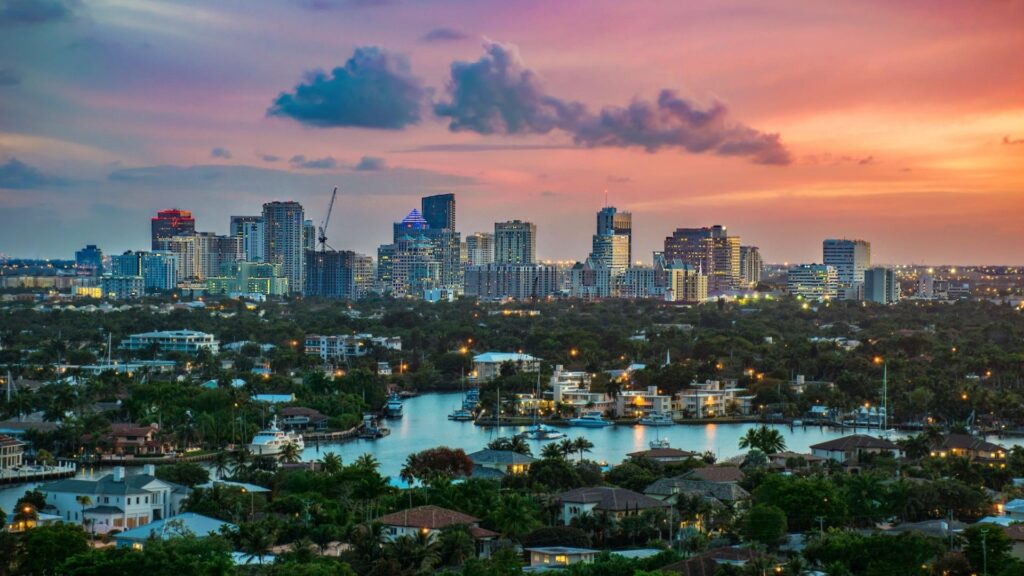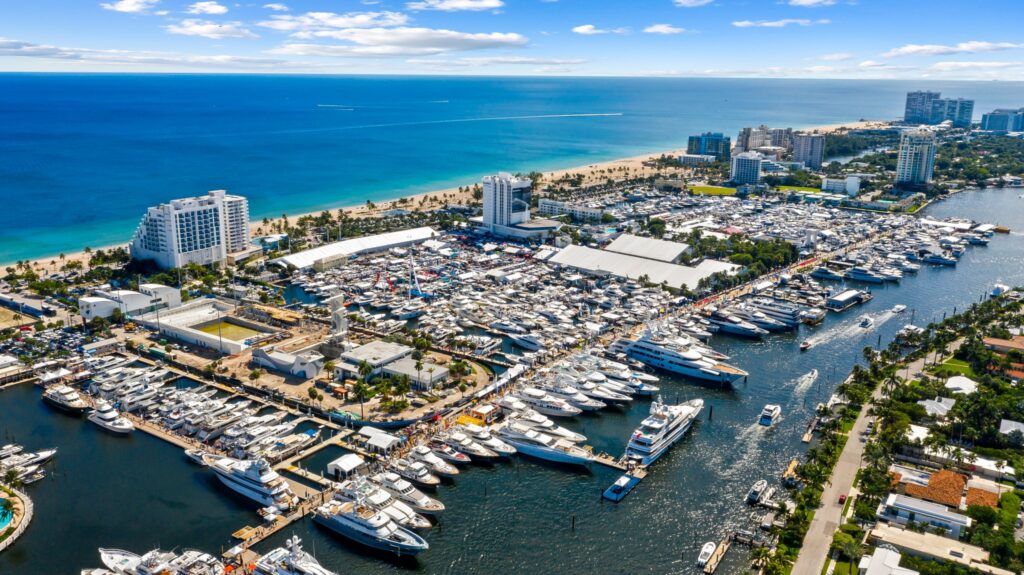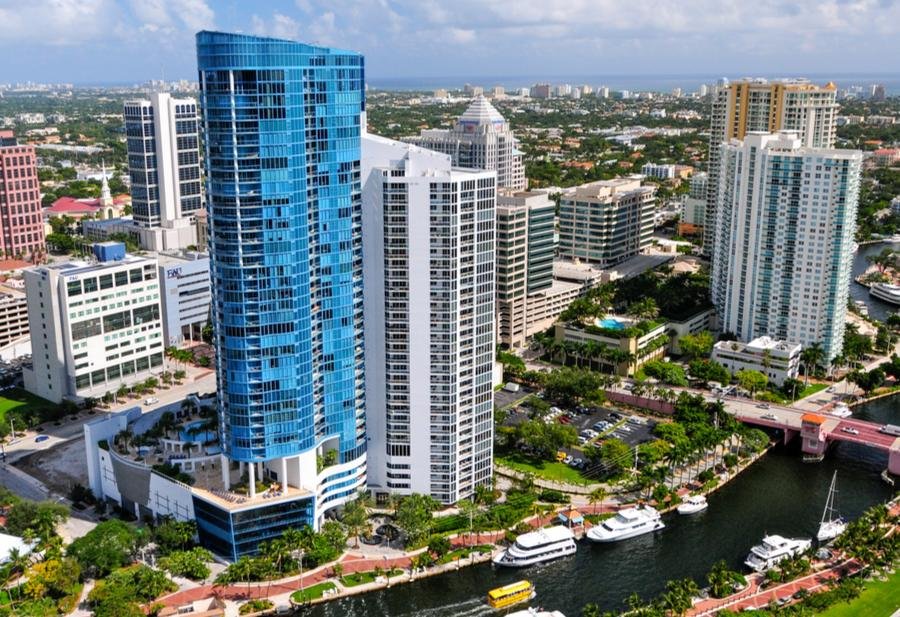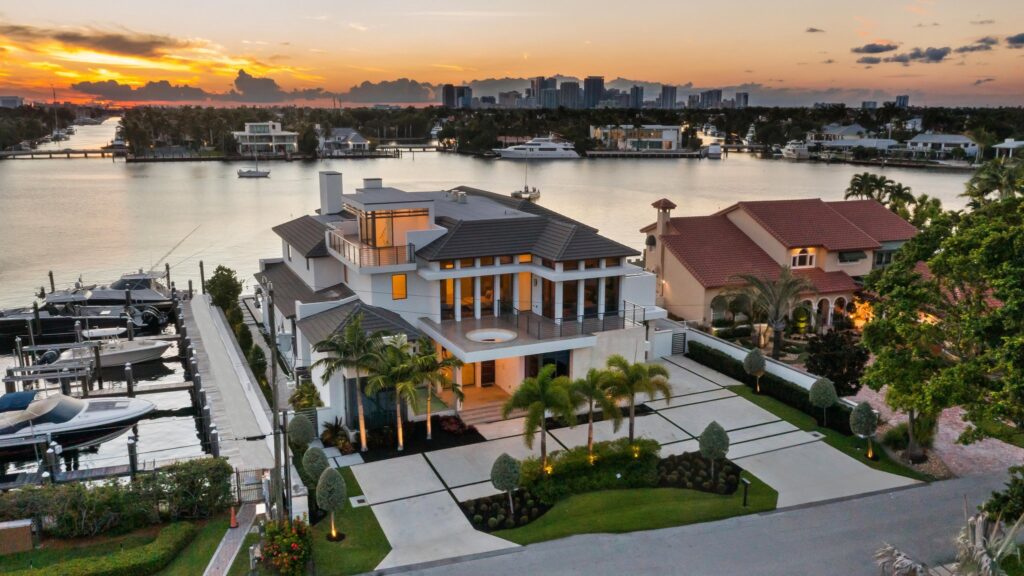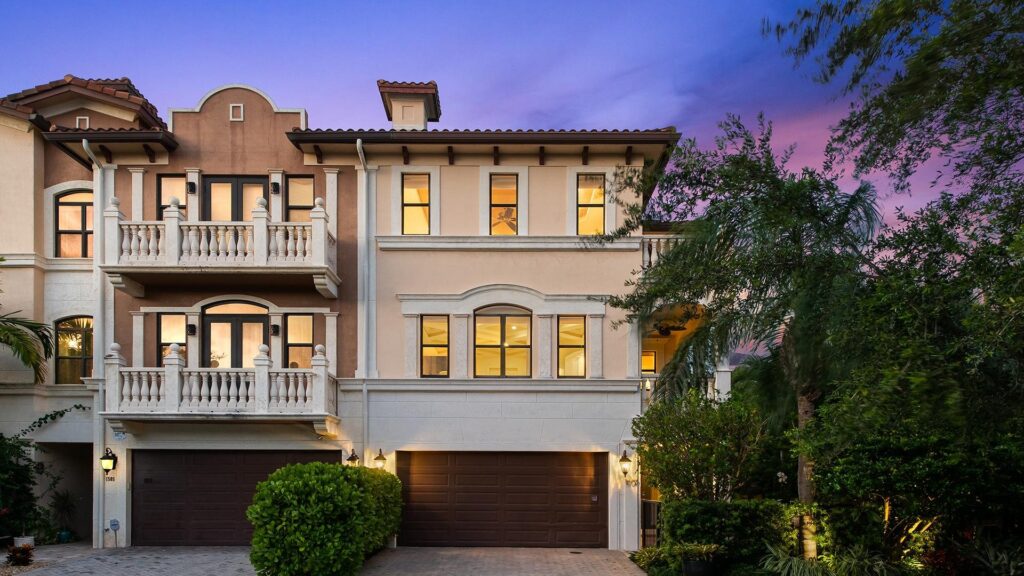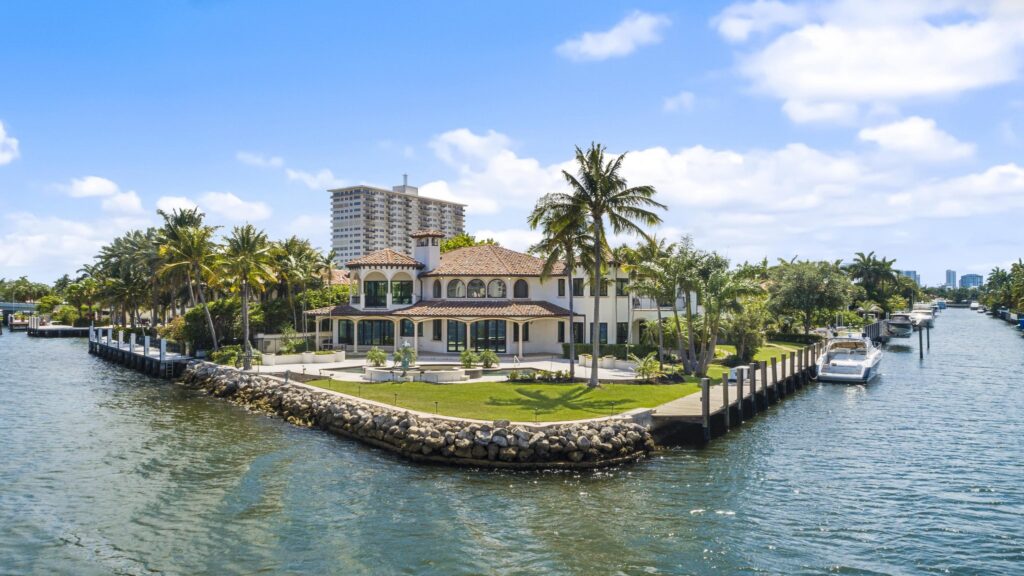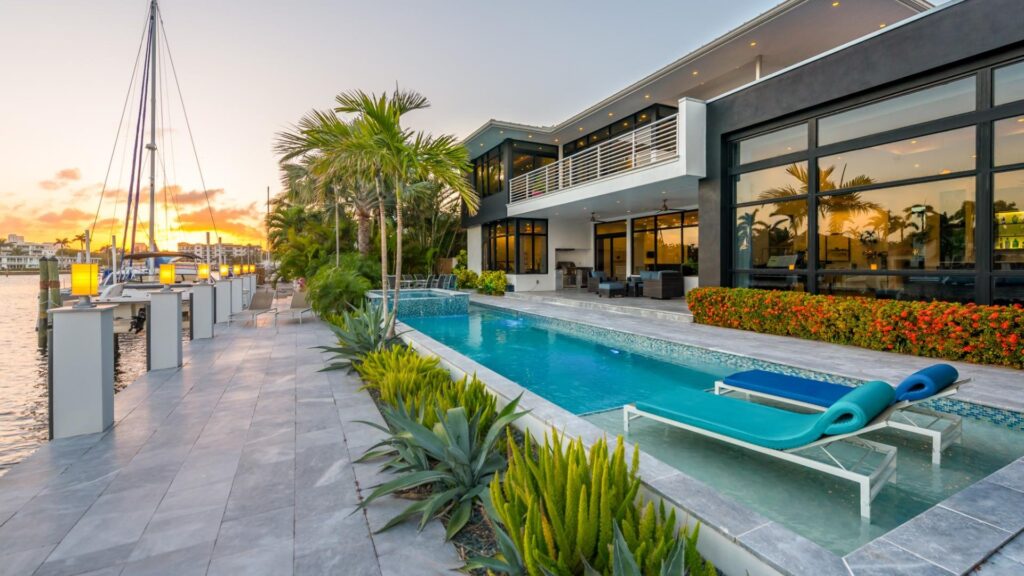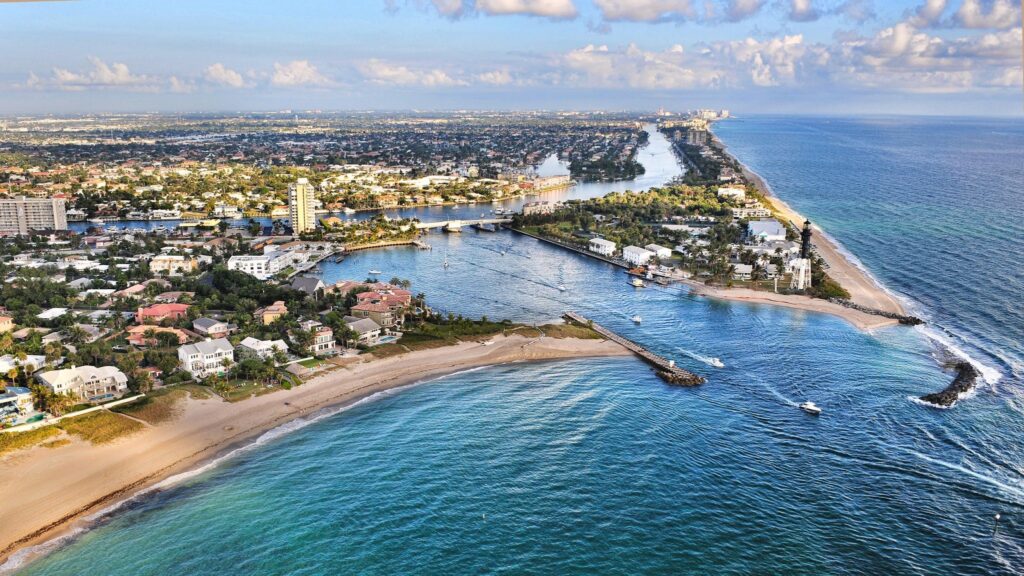
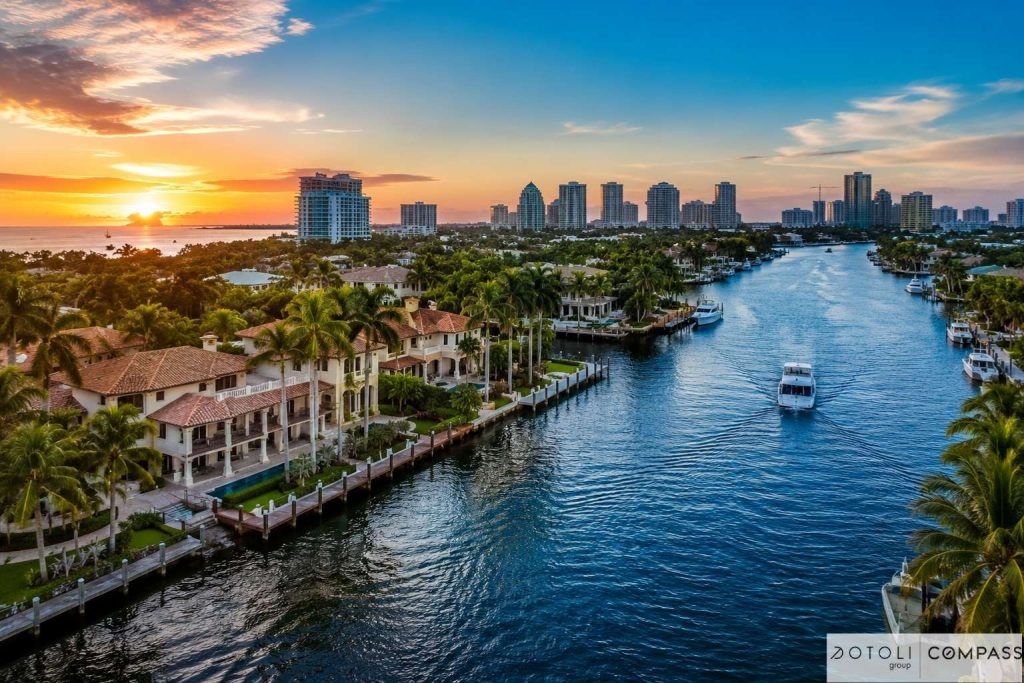

If you are searching for Intracoastal Waterway homes in Fort Lauderdale, you are looking at one of the most sought-after property categories in all of South Florida.
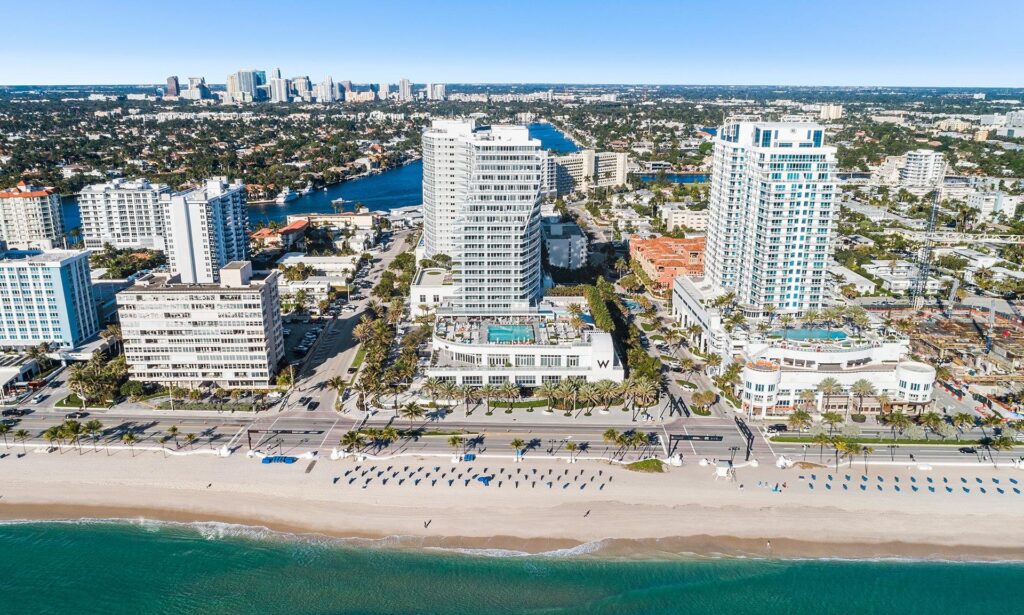
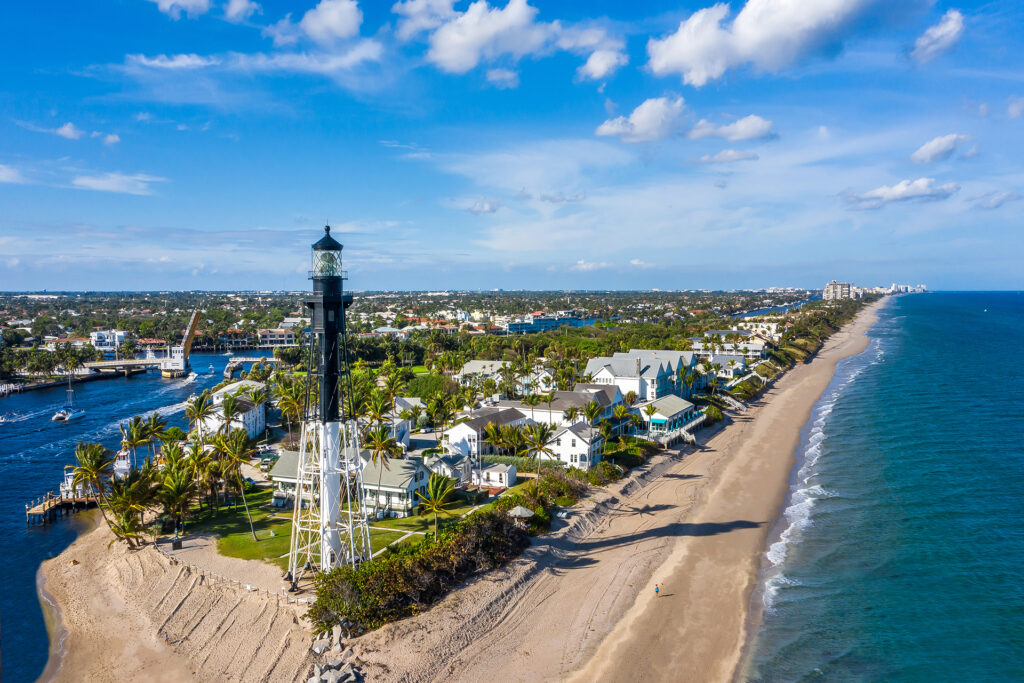
The Intracoastal Waterway runs directly through the heart of Fort Lauderdale, separating the barrier island from the mainland and forming the backbone of the city’s waterfront real estate market.
Neighborhoods like Las Olas Isles, Coral Ridge, Seven Isles, and Sunrise Intracoastal all sit along or just off the ICW, offering direct water access, deep-water dockage, and the kind of lifestyle that draws luxury buyers from around the world.
This guide explains exactly what the ICW is, which neighborhoods have true access, and what buyers should know before making an offer.
Quick Answer
The Intracoastal Waterway is a 3,000-mile protected inland water route running along the US Atlantic and Gulf coasts, with a major corridor passing directly through Fort Lauderdale.
Neighborhoods with direct ICW access include Las Olas Isles, Seven Isles, Coral Ridge, Sunrise Intracoastal, and Harbor Beach, with home prices ranging from approximately $1.6 million to well over $25 million.
What Is the Intracoastal Waterway and Why Does It Matter in Fort Lauderdale?
The Intracoastal Waterway is a 3,000-mile inland water route maintained by the US Army Corps of Engineers, running along the Atlantic Seaboard from Massachusetts to Florida, then along the Gulf Coast to Texas, according to Wikipedia’s entry on the Intracoastal Waterway.
In Fort Lauderdale, the ICW passes through the city as a navigable channel dredged to a target depth of 15 feet, connecting marinas, residential canals, and the Atlantic Ocean via Government Cut and Port Everglades.
For homebuyers, the ICW matters because it is the primary artery that determines whether a property has true ocean access.
Homes directly on the ICW have unobstructed views across open water, deep-water frontage suitable for large vessels, and in many cases, the ability to reach the Atlantic in under 20 minutes by boat.
How Many Miles of Waterways Does Fort Lauderdale Have?
Fort Lauderdale has approximately 300 miles of waterways running through Greater Fort Lauderdale, with about 165 miles within the city limits, according to Pier Sixty-Six Residences’ overview of Fort Lauderdale’s waterways.
This density of navigable water earned Fort Lauderdale the nickname “Venice of America” and makes it one of the largest concentrations of residential waterfront property in the United States.
The ICW is the deepest and widest of these waterways, running north to south through the eastern edge of the city.
The residential canals branching off it vary significantly in depth, width, and ocean access, which is why location within the waterway network directly determines a property’s value and buyer appeal.
Which Intracoastal Waterway Homes Fort Lauderdale Neighborhoods Offer Direct ICW Access?
The neighborhoods with the strongest direct or near-direct Intracoastal Waterway access in Fort Lauderdale are Las Olas Isles, Seven Isles, Coral Ridge, Sunrise Intracoastal, and Harbor Beach. Each sits in a different price range and offers a different ownership experience.
Las Olas Isles
Seven finger-island peninsulas are positioned directly alongside the ICW, with deep-water dockage, ocean access with no fixed bridges on many lots, and home prices typically ranging from $3 million to over $40 million. This is the benchmark neighborhood for serious boaters in Fort Lauderdale.
Seven Isles
All homes in Seven Isles offer Intracoastal Waterway access with deep-water dockage and wide canals that easily accommodate large yachts.
Home prices range from approximately $2 million to over $25 million, and the neighborhood is known for consistently attracting the city’s highest waterfront transaction volumes.
Coral Ridge
Positioned directly along the ICW on the north side of Fort Lauderdale, Coral Ridge offers a mix of ICW-fronting lots and canal-access properties with navigable waterways.
The median home price is approximately $1.6 million as of early 2026, making it one of the more accessible entry points to true ICW-adjacent ownership.
Sunrise Intracoastal
A gated, low-inventory enclave of fewer than 200 single-family homes, with prices ranging from approximately $2.5 million for classic ranch-style residences to well into the tens of millions for modern waterfront estates. Limited resale inventory makes this one of the most competitive sub-markets in Fort Lauderdale.
Harbor Beach
A private neighborhood with ocean access, a residents-only beach club, and ICW-adjacent canals. Harbor Beach is particularly sought after by buyers who want beach access combined with boating, a combination that is rare in Fort Lauderdale’s inland canal neighborhoods.
What Is the Difference Between Living on the ICW vs. a Canal That Feeds Into It?
Living directly on the ICW means your home fronts the main navigation channel, offering wide-open water views and immediate access to deep water. Living on a canal that connects to the ICW means your property is set back from the main channel, typically via a residential finger canal or tributary. Both offer water access, but the experience and the price differ considerably.
ICW-fronting properties command the highest premiums because they offer uninterrupted views, maximum vessel clearance, and the prestige of being on the primary waterway rather than a branch of it.
Canal properties that connect to the ICW without fixed bridges are the next tier, offering strong boating utility at a lower per-square-foot entry point. Properties on dead-end canals or tidal-only waterways with no ICW connection sit at the bottom of the waterfront pricing hierarchy.
For more details on how bridge clearances affect access and value, see our guide to deep water vs. fixed bridge canal homes in Fort Lauderdale.
What Should Buyers Know Before Purchasing an ICW Home in Fort Lauderdale?
ICW access is the most valuable waterfront attribute in Fort Lauderdale, but it comes with due diligence requirements that inland buyers do not face.
Buyers should verify water depth at the property’s dock or proposed dock location, confirm there are no fixed bridges between the property and the ocean, review the seawall age and structural condition, and confirm flood zone designation before making any offer.
The Broward County portion of the ICW was dredged to a target depth of 15 feet along the 2.5-mile stretch from the 17th Street Bridge to north of the Las Olas Bridge, a $19.8 million project completed in 2017, according to Jay Cashman’s project documentation.
Buyers of properties outside this dredged corridor should independently verify current channel depth with a marine survey before closing.
Flood zone confirmation should be done directly through FEMA’s Flood Map Service Center at msc.fema.gov.
How to Find the Right Intracoastal Waterway Home in Fort Lauderdale
Finding the right ICW property requires knowing more than the address. The following steps help buyers move efficiently from search to offer on the right home.
- Define your vessel requirements first. Know the length, beam, and draft of your current or planned boat before touring properties. A home that cannot accommodate your vessel is not the right home, regardless of price or location.
- Focus your search by neighborhood tier. Match your budget to the right neighborhood. Las Olas Isles and Seven Isles for the top end, Coral Ridge for mid-range ICW-adjacent access, Sunrise Intracoastal for gated privacy, and Harbor Beach for beach club access combined with boating.
- Request water depth and bridge clearance data from your agent. This information should be confirmed for every shortlisted property before you invest time in a showing, not after.
- Commission a marine survey alongside the home inspection. A marine survey covers the dock, seawall, pilings, and water depth. It is a standard due diligence step for any ICW property and should not be skipped.
- Check flood zone and insurance costs early. ICW-fronting properties are almost always in FEMA-designated flood zones. Get a flood insurance estimate before making an offer so there are no surprises at closing.
FAQ
1. What is the Intracoastal Waterway in Fort Lauderdale?
The Intracoastal Waterway is a 3,000-mile protected inland water route maintained by the US Army Corps of Engineers. In Fort Lauderdale, it runs north to south along the eastern edge of the city, separating the barrier island from the mainland and serving as the primary navigation corridor for residential and commercial boaters.
2. Which Fort Lauderdale neighborhoods have Intracoastal Waterway access?
The main ICW-access neighborhoods are Las Olas Isles, Seven Isles, Coral Ridge, Sunrise Intracoastal, and Harbor Beach. Each offers a different combination of price point, canal width, bridge clearance, and lifestyle amenities.
3. How much do Intracoastal Waterway homes in Fort Lauderdale cost?
Prices range widely by neighborhood and lot. Coral Ridge entry points start around the $1.6 million median; Seven Isles and Las Olas Isles range from $2 million to over $25-$40 million; and Sunrise Intracoastal starts around $2.5 million for smaller residences, with limited availability.
4. What is the difference between an ICW home and a canal home in Fort Lauderdale?
An ICW-fronting home sits directly on the main navigation channel, offering open-water views and deep-water access. A canal home sits on a tributary that may or may not connect to the ICW. Both can offer ocean access, but ICW-fronting properties command a higher premium due to wider water, deeper depth, and unobstructed views.
5. How deep is the Intracoastal Waterway in Fort Lauderdale?
The Broward County section of the ICW was dredged to a target depth of 15 feet along a 2.5-mile corridor from the 17th Street Bridge to north of the Las Olas Bridge, per a $19.8 million US Army Corps of Engineers project completed in 2017.
6. Do I need a special survey when buying an ICW home?
Yes. In addition to a standard home inspection, buyers should commission a marine survey covering the dock, seawall, pilings, and actual water depth at the property. This is standard practice for any waterfront purchase in Fort Lauderdale.
What Josh Dotoli Says About Buying on the ICW
“The Intracoastal is Fort Lauderdale’s main stage. The homes on it are the ones that never stop being in demand, because there is a fixed amount of ICW frontage, and it is not growing. When a buyer tells me they want true ocean access with deep water and no bridges, the ICW neighborhoods are where we start and usually finish.”
Josh Dotoli, Founder and CEO, Dotoli Group
Ready to Find Your Fort Lauderdale ICW Home?
Whether you are searching for a deep-water estate in Las Olas Isles, an ICW-adjacent home in Coral Ridge, or a private retreat in Sunrise Intracoastal, Dotoli Group has the local knowledge and waterfront transaction experience to guide you to the right property.
Contact Dotoli Group to start your ICW home search or browse current Fort Lauderdale waterfront listings to see what is available now.