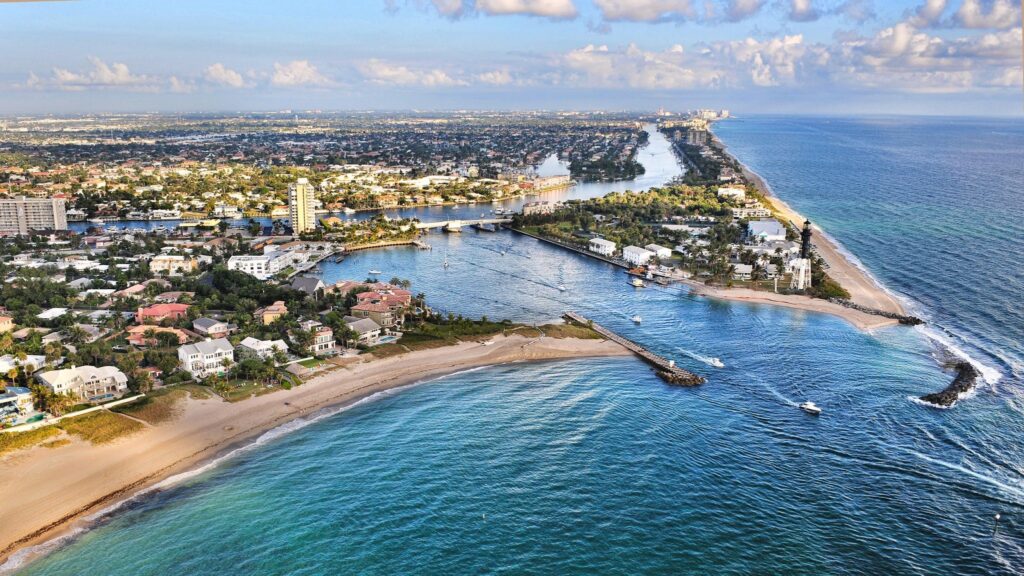

It explains what king tides are, what happened during the record tides of October 2026, and exactly what to look at on a showing timed to high tide. The Dotoli Group, a Compass real estate team on Las Olas Boulevard, wrote it and sells waterfront homes across these neighborhoods.
What Are King Tides in Fort Lauderdale?
King tides are unusually high tides that happen when the moon and sun line up with the Earth and the moon is closest to it.
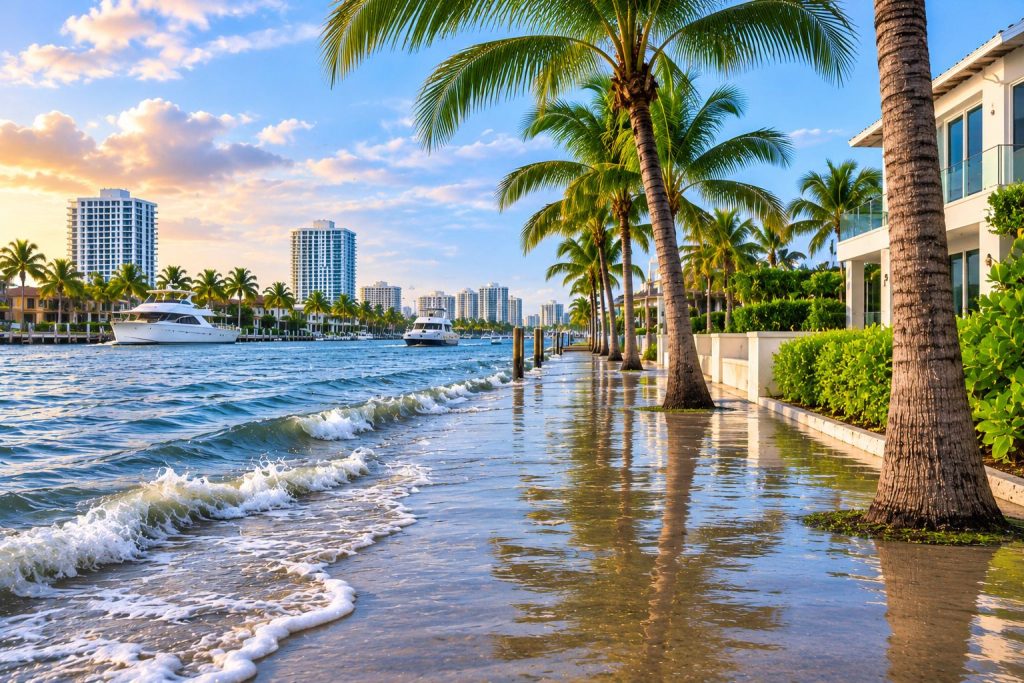
In Fort Lauderdale, king tides arrive mostly in the fall, from September through December, and they can push canal water over low seawalls and up through storm drains on sunny days with no rain.
Because king tides are predicted months ahead, they are different from storm flooding. You know when they will happen, which means you can see how a street, seawall, and yard behave at the highest water of the year before you make an offer. Wind matters too. Persistent onshore winds can push water higher than the forecast, which helped make October 2026 so severe.
When Are the Remaining King Tides in 2026?
The City of Fort Lauderdale lists three king tide windows left in 2026, plus a separate fall tide period in early December when low-lying areas can still flood.
| Dates (2026) | Type, per the City | What it means for buyers |
|---|---|---|
| November 5 to 11 | King tides | Best window to time a showing to high tide |
| November 22 to 28 | King tides | Second chance to check a home, including over Thanksgiving week |
| December 5 to 8 | Fall tides | Lower than king tides, but low streets can still take water |
| December 24 to 25 | King tides | Last king tides of the 2026 season |
Within each window, flooding is worst for an hour or two around the daily high tide. Check the exact high tide time for the day you visit on NOAA Tides and Currents, and see the City’s current list on its King Tides and High Tides page.
How Bad Were the King Tides in October 2026?
The late October 2026 king tides were among the highest ever recorded in the region. According to WUSF and the Florida Public Radio Emergency Network, the Virginia Key tide gauge that the National Weather Service in Miami uses for the area peaked at a preliminary 2.54 feet above mean higher high water on October 27. That was the third-highest reading since consistent records began there in 1994, just below Hurricane Wilma at 2.55 feet and behind Hurricane Irma at 3.63 feet.
In Fort Lauderdale, the Las Olas Bridge closed during the flooding. CBS Miami reported water over parts of Riviera Isle Drive south of Las Olas Boulevard, and flooding at Southeast 25th Avenue and Southeast 5th Street, with some streets flooding twice in one day. The City warned that pumping into waterways already raised by the tide may not work, which is why tidal flooding can sit on a street until the tide drops.
Which Fort Lauderdale Areas Flood During King Tides?
The City names Victoria Park, the Southeast Isles, and Middle River Terrace as areas with significant tidal flooding, and 2026 news reports showed water on streets near Las Olas Boulevard and in Las Olas Isles. But tidal flooding is a street-by-street problem, not a neighborhood label, so two homes a block apart can behave very differently.
Why one street floods and the next one stays dry
Three things decide whether a street takes water: how high the road sits, how high the seawalls along it are, and whether its storm drains have working tidal valves.
A low seawall on one property can let tidewater onto the whole street, even if every neighbor has raised theirs. That is why a beautiful home on a well-known isle still needs its own check.
What we can and cannot tell you about a neighborhood
We do not publish a ranking of which neighborhoods flood most, because no official source we trust maps it street by street for the whole city. What we do instead is look at the specific street, seawall and lot with you, at high tide, and pull the public records for that address.
Why Does Saltwater Come Up Through the Storm Drains?
Storm drains in low areas empty into canals and the Intracoastal, so when the tide rises above the drain outlet, saltwater can flow backward up the pipe and onto the street. Fort Lauderdale fights this with tidal valves, one-way valves that let rainwater out but block tidal water from coming back in.
The City says it has about 200 tidal valves (the Mayor’s message lists 215) and inspects them quarterly. A valve only helps if it is installed and working, so if you see water bubbling up from a drain on a sunny high tide day, that is worth noting. It may be a missing or failed valve, or water coming over a nearby low seawall.
How Do You Check a Waterfront Home During a King Tide?
The best check is a showing timed to the peak high tide on a king tide day. Follow these steps in order:
- Find the peak time. Look up the high tide time for that day on NOAA Tides and Currents and plan to arrive 30 to 60 minutes before it.
- Drive the route in. Note any standing water on the roads leading to the home, since that is how you, guests, and deliveries will arrive on those days.
- Look at the street in front. Check the curb, the swale, and the nearest storm drain for water coming up rather than draining down.
- Check the seawall cap. See how close the water is to the top of the seawall, and look for water seeping through cracks, joints, or weep holes onto the yard.
- Walk the low points. Check the driveway, garage entry, pool deck, air conditioning pad, and any ground-level doors for puddles or salt lines.
- Take photos and notes. Record the time, the water level against the seawall, and anything you saw, so you can compare it with inspection reports later.
- Come back at low tide. Seeing the same spots at low water shows you how much the tide really moves at that property.
Never drive through standing saltwater to reach a showing. Even if the car makes it, saltwater can damage it.
How High Should a Seawall Be in Fort Lauderdale?
New seawalls in Fort Lauderdale must be built to a minimum top elevation of 5 feet, measured in NAVD88, the standard elevation datum, according to the City. Broward County’s regional standard sets the same 5-foot NAVD88 minimum for new and substantially repaired tidal barriers.
For a buyer, the key question is how the seawall on the home you like compares with that 5-foot standard. The City says it cites owners whose seawalls contribute to tidal flooding on the street, and an older, lower wall may need to be raised or replaced when you repair it.
Ask for a survey showing the seawall cap elevation in NAVD88, and have a marine contractor or engineer inspect the wall. Our seawall inspection guide explains what an inspection covers.
What Records Should You Pull Before You Make an Offer?
Seeing a home at king tide tells you what the water does today. Public records and seller disclosures tell you what it has done before and what it costs to insure. Use this table as a checklist for any Fort Lauderdale waterfront home.
| What to check | Where to get it | Red flag |
|---|---|---|
| FEMA flood zone | City of Fort Lauderdale FEMA flood zone map (GIS) | A high-risk zone with no current flood policy on the home |
| Flood risk for the address | Flood Risk Information Letter from the City or the floodplain office at 954-828-6133 | Past flood reports or repetitive loss history |
| Elevation certificate | Seller, a licensed surveyor, or the City if one is on file | Lowest floor below the base flood elevation |
| Seawall cap elevation | Survey in NAVD88 and a seawall inspection | Cap well below 5 feet NAVD88, cracks or seepage |
| Flood history | Florida seller flood disclosure form | Past flood claims, known flood damage or flood aid |
| Flood insurance cost | A quote from your insurance agent on this address | A premium that changes what you can pay for the home |
The Florida flood disclosure
Under Section 689.302 of the Florida Statutes, sellers of residential property must give buyers a flood disclosure form before signing the contract. It covers whether the seller filed flood insurance claims and received flood assistance, and since October 1, 2025, it also asks whether the seller knows of flood damage during their ownership. Read it closely, and ask follow-up questions if any answer is “yes.”
Flood zones and insurance
The flood zone and the home’s elevation drive most flood insurance costs. Our guide to flood zones in Fort Lauderdale explains the zones, and our wind mitigation and 4-point inspection guide covers the other reports insurers ask for.
Should You Walk Away If a Home Floods at King Tide?
Not always. Water on the street at the highest tide of the year is common in parts of Fort Lauderdale and doesn’t, by itself, rule a home out. What matters is where the water goes and what it would cost to fix.
Water that stays in the street and drains as the tide falls is a different problem from water coming through the seawall into the yard or reaching the garage. You can raise a low seawall, and that cost can be part of the price you negotiate.
A home whose lowest floor sits below the flood elevation, with a history of flood claims, is a much bigger decision, and the insurance quote often settles it. We help buyers price these fixes into the offer instead of discovering them after closing.
Frequently Asked Questions
When are king tides in Fort Lauderdale in 2026?
The City of Fort Lauderdale lists the remaining 2026 king tides for November 5 to 11, November 22 to 28, and December 24 to 25. It also lists fall tides on December 5 to 8, when low-lying streets can still flood. Flooding peaks around the daily high tide in each window.
Do king tides happen without rain?
Yes. King tide flooding in Fort Lauderdale often happens on sunny days, because it comes from high water in the canals and Intracoastal, not from rainfall. Rain or strong onshore winds during a king tide can make it worse.
What seawall height does Fort Lauderdale require?
Fort Lauderdale requires new seawalls to have a minimum top elevation of 5 feet NAVD88, matching Broward County’s regional standard for new and substantially repaired seawalls. Older seawalls may be lower, so ask for a survey showing the seawall cap elevation before you buy.
How do I report king tide flooding in Fort Lauderdale?
Call the City’s Customer Support Center at 954-828-8000, or report it online or in the FixIt FTL app. Report downed power lines to FPL at 800-4-OUTAGE, and never drive through standing saltwater.
Is a king tide the same as a storm surge?
No. King tides are predictable astronomical high tides that arrive on known dates. A storm surge is water pushed ashore by a storm’s winds, and it can be far higher. When a storm arrives during a king tide, the two add together.
How the Dotoli Group Helps Waterfront Buyers
The Dotoli Group is a Compass real estate team led by Josh Dotoli, with an office at 1200 E Las Olas Blvd in Fort Lauderdale.
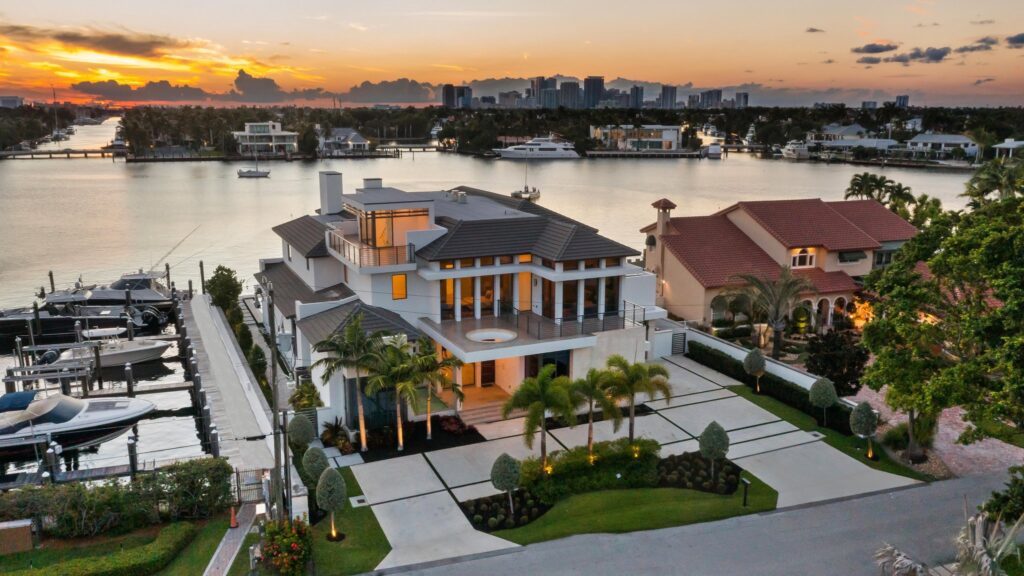
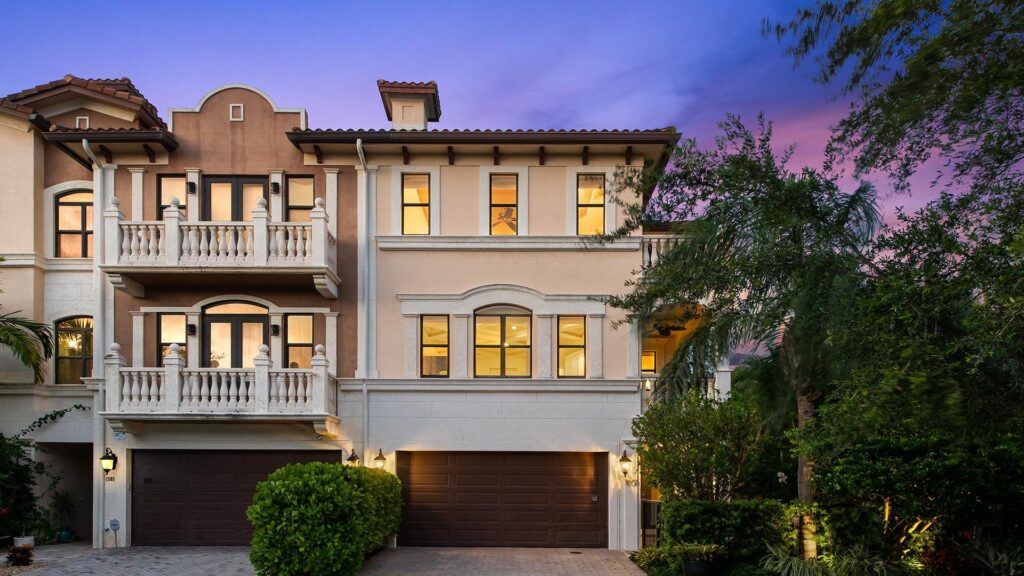
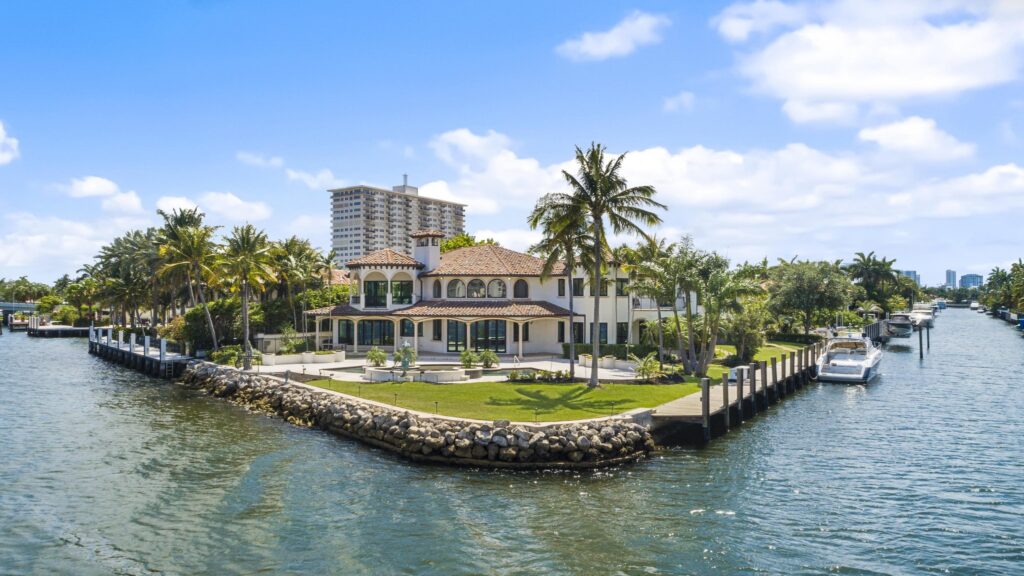
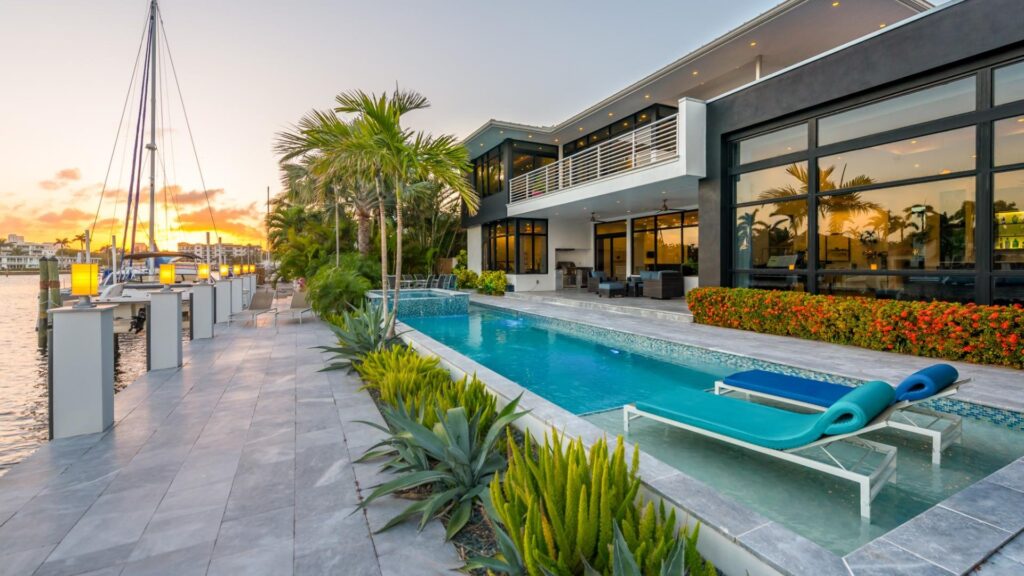
Our recent closed sales include waterfront estates in Harbor Beach, Seven Isles, and Lighthouse Point, and we currently represent homes in Las Olas Isles and Lighthouse Point.
On waterfront purchases, we time showings to high tide, pull the flood records for the address, and walk the seawall with you before you write an offer.
To compare neighborhoods first, see our guide to the best neighborhoods in Fort Lauderdale or our comparison of Harbor Beach vs Las Olas Isles vs Seven Isles. When you are ready to see homes during the next king tide window, contact the Dotoli Group or call (954) 466-3706.