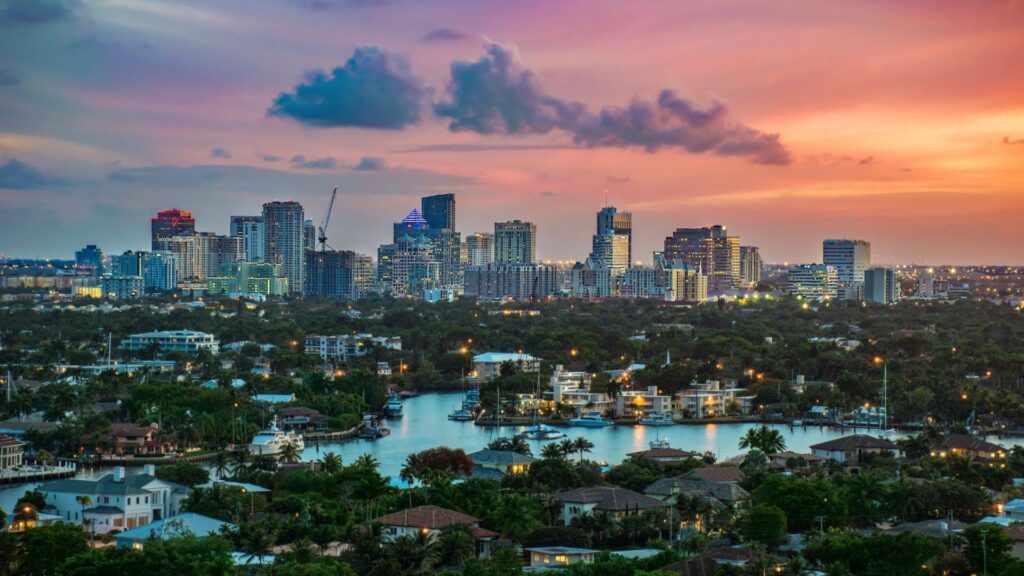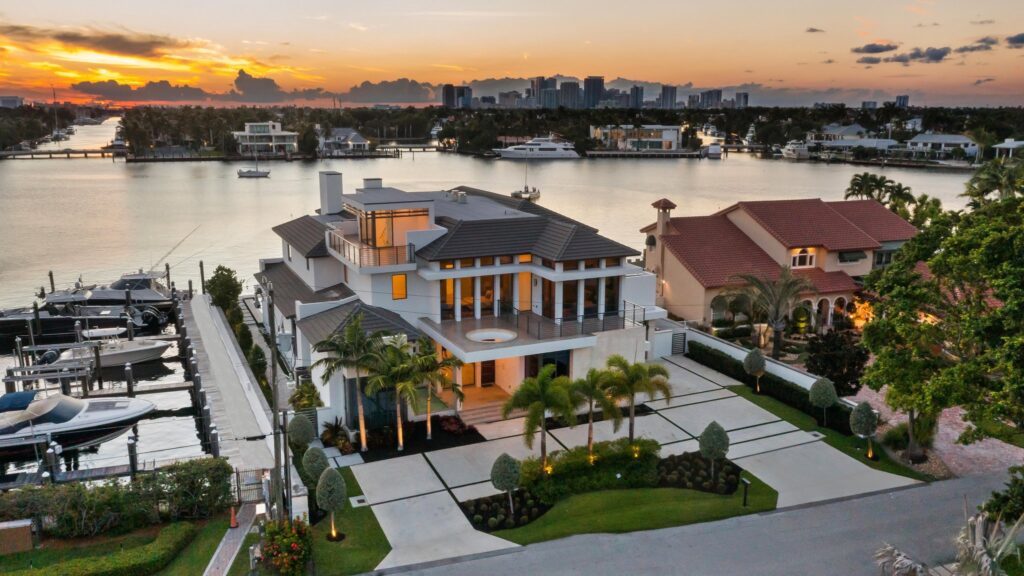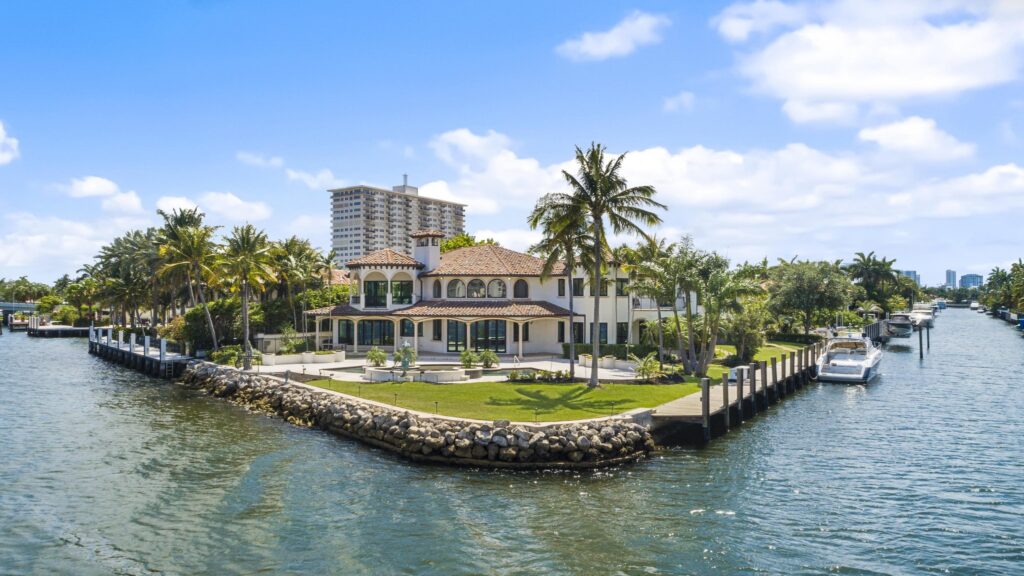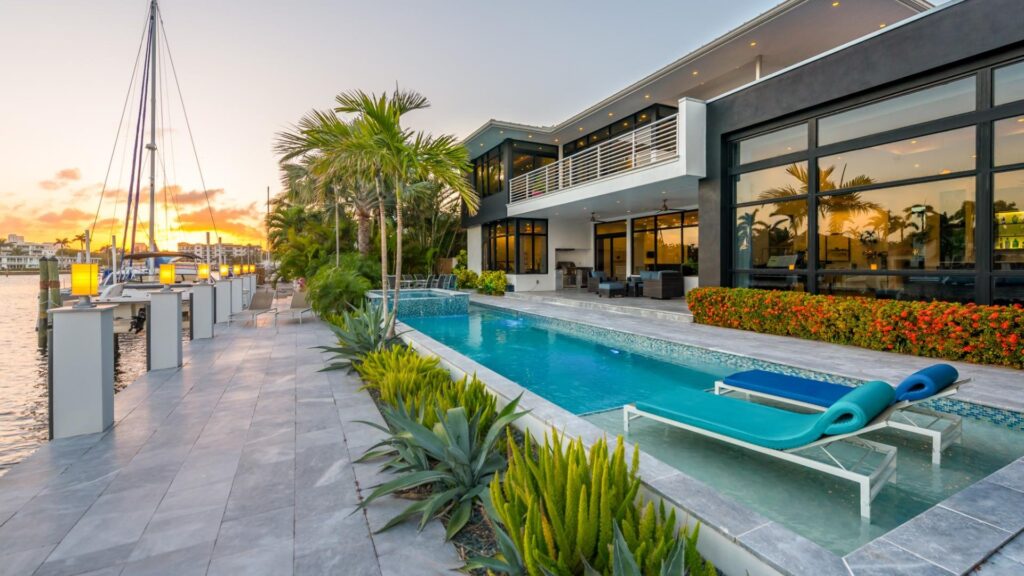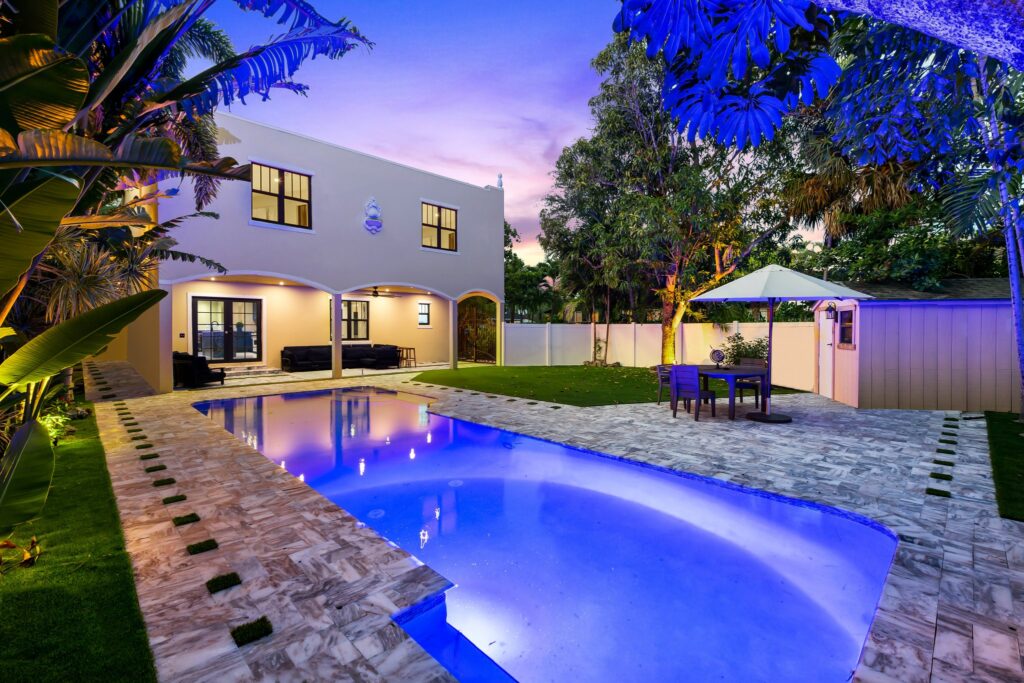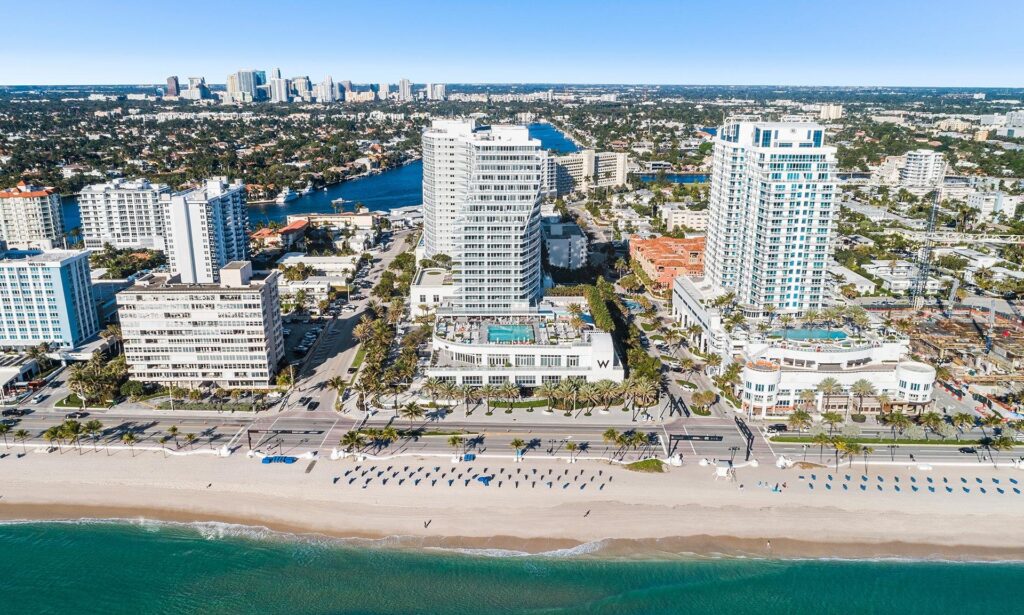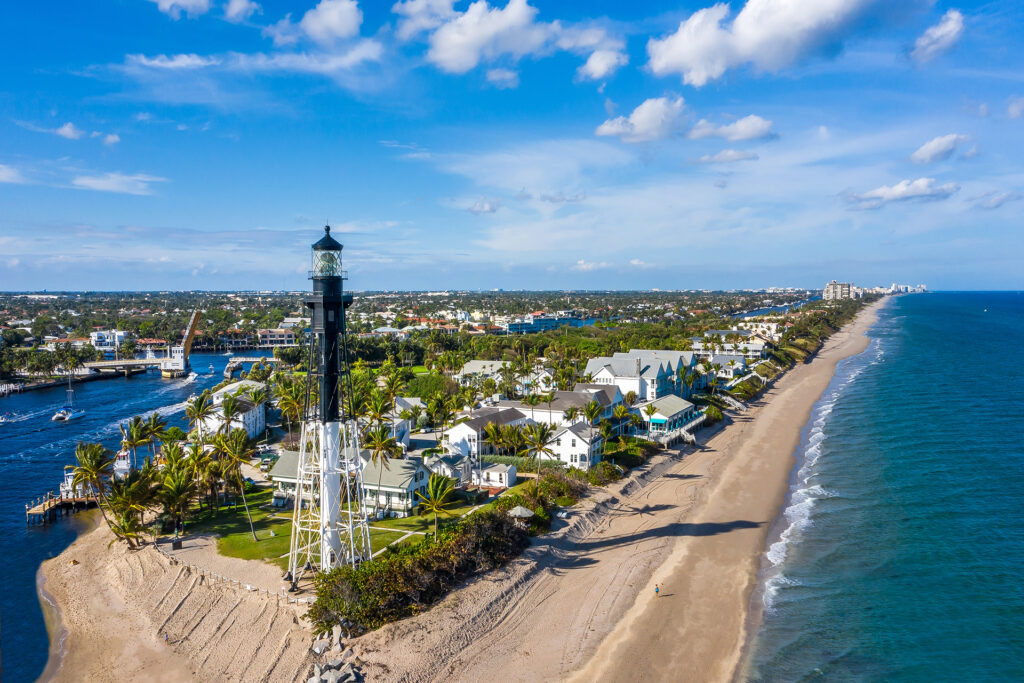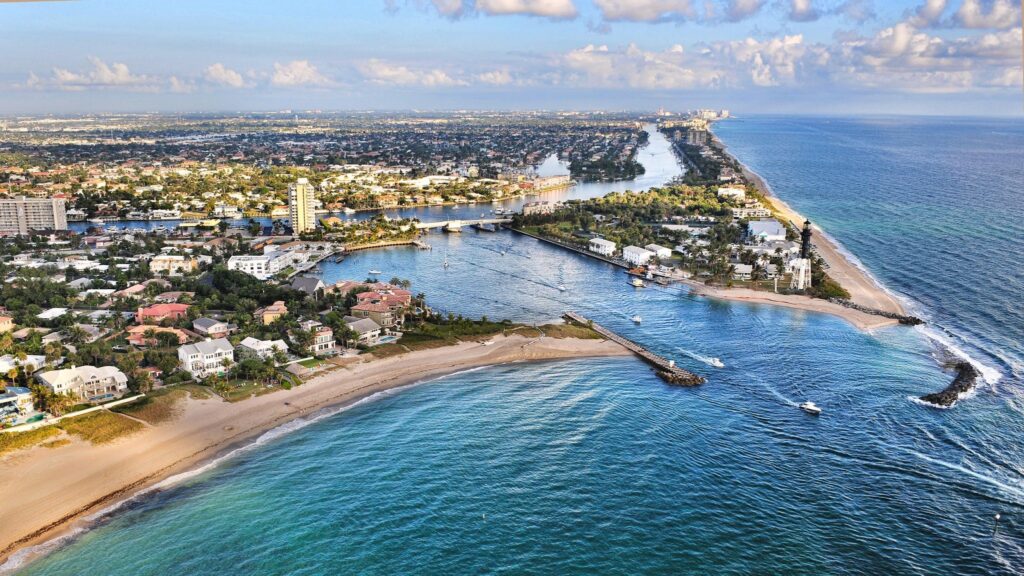


You’re standing in front of a beautiful home in Fort Lauderdale. The water is calm, the view is perfect, and everything feels right. But the flood zone printed on a FEMA map can shape your insurance bill, your mortgage approval, and how easily you sell later, and most buyers don’t look it up until after they’ve fallen for the house.
Quick Answer
Flood zone AE is a high-risk area on FEMA’s flood maps where a flood has a 1% chance of happening in any given year, and where FEMA has calculated the base flood elevation, the height floodwater is expected to reach. If you buy a Fort Lauderdale home in Zone AE with a federally backed mortgage, your lender will require flood insurance.
Many of the city’s waterfront homes sit in Zone AE, so checking the zone and getting an insurance quote before you make an offer is one of the most important steps in the purchase.
What Does Flood Zone AE Mean?
The 1% annual chance flood, in plain terms
FEMA labels Zone AE as part of the Special Flood Hazard Area, the land expected to flood during a “base flood,” which is a flood with a 1% chance of occurring in any year.
People often call this the 100-year flood, but that name is misleading, because it can happen two years in a row. FEMA puts the risk another way: a building in a Special Flood Hazard Area has about a 26% chance of flood damage over the life of a 30-year mortgage.
The “E” in AE means FEMA has published a base flood elevation (BFE) for that area, which is the single most useful number a buyer can have. On older maps the same areas were labeled A1 through A30.
Zone AE versus Zone VE on the coast
Along the beach and open water, FEMA separates two kinds of high-risk coastal land. Zone AE covers areas expected to flood where waves are under 3 feet, which describes most of Fort Lauderdale’s canal and Intracoastal neighborhoods.
Zone VE is the coastal high-hazard area, where storm waves of 3 feet or more are expected, so building rules are stricter, and insurance usually costs more.
A home on a protected finger canal and a home facing open water can both be “waterfront” yet carry very different flood designations. For a deeper comparison of water types, see our guide to ocean vs Intracoastal vs canal homes in Fort Lauderdale.
Do you need flood insurance in Zone AE?
If you finance the home with a mortgage from a federally regulated or insured lender, yes. Under the Flood Disaster Protection Act of 1973, flood insurance is mandatory for buildings in Special Flood Hazard Areas, which include every zone starting with A or V, when the loan is federally backed.
Cash buyers aren’t forced to carry it, but going without coverage on a waterfront home in a 1% annual chance zone is a risk very few of our clients choose to take.
Florida adds another layer: homeowners insured through Citizens Property Insurance must also carry flood coverage, a rule that applied to homes in Special Flood Hazard Areas starting in 2023 and that phases in for all Citizens residential policies with wind coverage by January 1, 2027.
What drives the cost of flood insurance in Zone AE
Since FEMA moved the National Flood Insurance Program to its Risk Rating 2.0 pricing, your premium is no longer set by the zone alone.
Insurers now weigh the home’s elevation relative to the base flood elevation, its distance to the water, its construction and foundation type, and the cost to rebuild it. That is why two homes on the same street, both in Zone AE, can receive very different quotes.
Elevation does most of the work: a home whose lowest floor sits well above the BFE usually costs far less to insure than an older home built at or below it.
Luxury buyers should know one more detail. Standard NFIP policies cap residential building coverage at $250,000 and contents at $100,000. On a multimillion-dollar waterfront home, this leaves a large gap, which buyers usually fill with excess flood insurance or a private flood policy.
We cover the wider insurance picture in our post on insurance costs for waterfront homes in Fort Lauderdale.
Buying a house in Zone AE: what to check before you make an offer
Zone AE is not a reason to walk away. Some of Fort Lauderdale’s most desirable addresses sit in it. It is a reason to do your homework in this order:
If you are buying between September and December, see the home at peak high tide during a king tide, when canal water is at its highest of the year. Our guide to king tides in Fort Lauderdale lists the 2026 dates and what to check on a showing.
Get the elevation certificate. It shows the lowest floor elevation compared with the base flood elevation, which is the number insurers price on. Ask the seller first, then the City.
Compare the lowest floor to the BFE. A home built above the BFE is in a very different position from one built below it, even in the same zone.
Request a flood insurance quote, not an estimate. Get a real quote from an agent before your inspection period ends, including excess coverage if the home is worth more than the NFIP limits.
Ask about the current flood policy. An existing NFIP policy can often be transferred to the buyer at closing, which may be worth comparing against a new policy.
Read the seller’s flood disclosure. Florida sellers must disclose known flood damage, insurance claims, and assistance received (see below).
Check for a Letter of Map Change. If the lot sits higher than the surrounding map suggests, a LOMA on file with FEMA may already remove the structure from the high-risk area.
Look at the seawall and drainage. Flood risk on a canal home also depends on seawall height and condition. Our seawall inspection guide explains what to look for.
How to Check the Flood Zone for Any Fort Lauderdale Address
You do not need to wait for a listing agent to tell you a property’s flood zone. Three free public tools will show it in a few minutes:
City of Fort Lauderdale Flood Zone Information app. Search the address at fortlauderdalefl.withforerunner.com to see whether the property is in a Special Flood Hazard Area.
Broward County flood zone maps. The county’s flood zone map page links to its GIS flood zone app for any Broward address, including Lighthouse Point, Hollywood, and Lauderdale-by-the-Sea.
FEMA Flood Map Service Center. The official effective maps and any Letters of Map Change are at msc.fema.gov.
Make sure you are reading the current maps. FEMA’s updated Flood Insurance Rate Maps for Broward County took effect on July 31, 2024, and the county estimated about 86,000 more parcels would need flood insurance if they carry a federally backed mortgage. A home listed as Zone X a few years ago may not be Zone X today.
Zone X and Other Zones You Will See
Zone X is the designation most buyers hope to see. Shaded Zone X marks moderate risk, and unshaded Zone X marks minimal risk outside the 0.2% annual chance floodplain.
Lenders do not require flood insurance in Zone X, but it is optional rather than unnecessary: a meaningful share of flood claims across the country come from outside high-risk zones, and preferred-rate policies there are often inexpensive.
You may also see Zone D on some maps, which means FEMA has not studied the area and the risk is undetermined, not that it is low.
Florida Rules Every Buyer Should Know
Two state rules affect flood-zone purchases in Fort Lauderdale. The first is the seller flood disclosure. Since October 1, 2025, under Florida Statute 689.302 as amended by SB 948, residential sellers must tell buyers, at or before signing the contract, whether they know of flood damage during their ownership, whether they have filed a flood insurance claim, and whether they received flood-related assistance from any source. Read that form carefully, because it is often the only written record of a home’s flood history.
The second is the Citizens flood requirement described above. If the insurance quote you are relying on comes from Citizens, flood coverage will be a condition of keeping that policy, so budget for both from the start.
Are There Lower-Risk Areas in Fort Lauderdale?
Yes, but they are not always where buyers expect. Elevation in Fort Lauderdale changes block by block, and a home a few streets inland or on a slightly higher ridge can sit in a lower-risk zone without giving up much in location.
The reverse is also true: two homes that look identical from the street can fall into different zones or carry very different elevation certificates.
If staying out of Zone AE matters to you, tell us early so we can screen every option by zone and elevation before you tour. Our post on how luxury homes in Fort Lauderdale are built for climate change explains how newer construction handles flood risk.
Should You Avoid Flood Zone Properties Altogether?
Not at all. Many of Fort Lauderdale’s best waterfront neighborhoods, from the Las Olas Isles to Harbor Beach, sit largely in high-risk flood zones, and buyers there make excellent long-term purchases.
The difference between a smart decision and a costly one is knowing the elevation, the true insurance cost, and the home’s flood history before you commit. Buyers who check those three things go in with clear eyes. Buyers who skip them often find out at renewal time.
Frequently Asked Questions
What does flood zone AE mean?
Zone AE is a high-risk Special Flood Hazard Area on FEMA’s maps where a flood has a 1% chance of occurring in any year, and FEMA has published a base flood elevation. Flood insurance is required for homes with federally backed mortgages, and premiums depend heavily on how the home’s elevation compares to that BFE.
Is it a bad idea to buy a house in flood zone AE?
No, as long as you price it in. Many of Fort Lauderdale’s most sought-after waterfront homes are in Zone AE. Before you offer, get the elevation certificate, a real flood insurance quote and the seller’s flood disclosure, so the ongoing cost is part of your decision rather than a surprise after closing.
Do I need flood insurance in zone AE if I pay cash?
A lender cannot require it if there is no mortgage, so the decision is yours. However, Citizens Property Insurance requires flood coverage from its policyholders, and going uninsured on a waterfront home in a 1% annual chance zone exposes you to the full cost of a flood. Most cash buyers we work with still carry it.
How much is flood insurance in zone AE?
There is no single price. Under FEMA’s Risk Rating 2.0, premiums depend on the home’s elevation compared with the base flood elevation, its distance to water, its construction and its rebuilding cost. Two Zone AE homes on the same street can be priced very differently, so get a quote for the specific property before you commit.
What is the difference between flood zone AE and VE?
Both are high-risk zones with a 1% annual chance of flooding. Zone VE is the coastal high hazard area, where storm waves of 3 feet or more are expected, so building standards are stricter and insurance usually costs more. Zone AE covers flooding where waves stay under 3 feet, typical of canal and Intracoastal properties.
What is flood zone X?
Zone X is a moderate-risk (shaded) or minimal-risk (unshaded) area outside FEMA’s high-risk floodplain. Lenders do not require flood insurance there, but coverage is still available and often affordable. Many buyers in Zone X choose to carry it, since floods do happen outside high-risk zones, especially during heavy rain events.
What is flood zone D?
Zone D marks areas where flood risk is possible but FEMA has not studied it, so the risk is undetermined rather than low. Lenders and insurers treat it on a case-by-case basis. It is uncommon in Fort Lauderdale, but if you see it, ask for an elevation certificate and an insurance quote before relying on the designation.
How do I find out if a Fort Lauderdale home is in a flood zone?
Search the address in the City of Fort Lauderdale Flood Zone Information app, Broward County’s GIS flood zone map, or FEMA’s Flood Map Service Center. All three are free. Make sure you are viewing the current Broward maps, which took effect on July 31, 2024, since many properties changed zones.
Can a property’s flood zone change?
Yes. FEMA updates maps periodically, and Broward County’s latest maps took effect on July 31, 2024. An individual owner can also apply for a Letter of Map Amendment if a survey shows the structure sits above the base flood elevation, which can remove the federal insurance requirement for that building.
How can I lower flood insurance costs on a Fort Lauderdale home?
Start with elevation, because it drives the premium. Choose a home whose lowest floor sits above the base flood elevation, check whether a Letter of Map Amendment applies, ask about transferring the seller’s existing policy, and compare NFIP and private flood quotes. Flood vents and elevated equipment can also help on some homes.
Work With a Team That Checks the Flood Details First
Buying in Fort Lauderdale is about more than finding a beautiful home. It is about knowing what comes with it.
At the Dotoli Group, we check the flood zone, the elevation certificate, and the insurance picture on every waterfront home our buyers consider, so you understand the full cost of ownership before you write an offer.
If you’re thinking about buying on the water in Fort Lauderdale, talk to our team about the homes you have in mind.