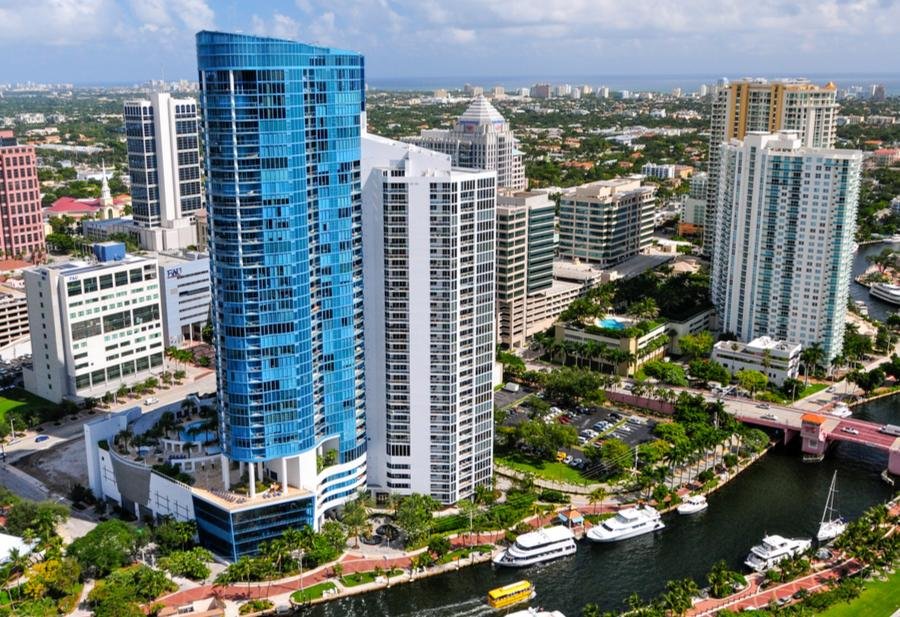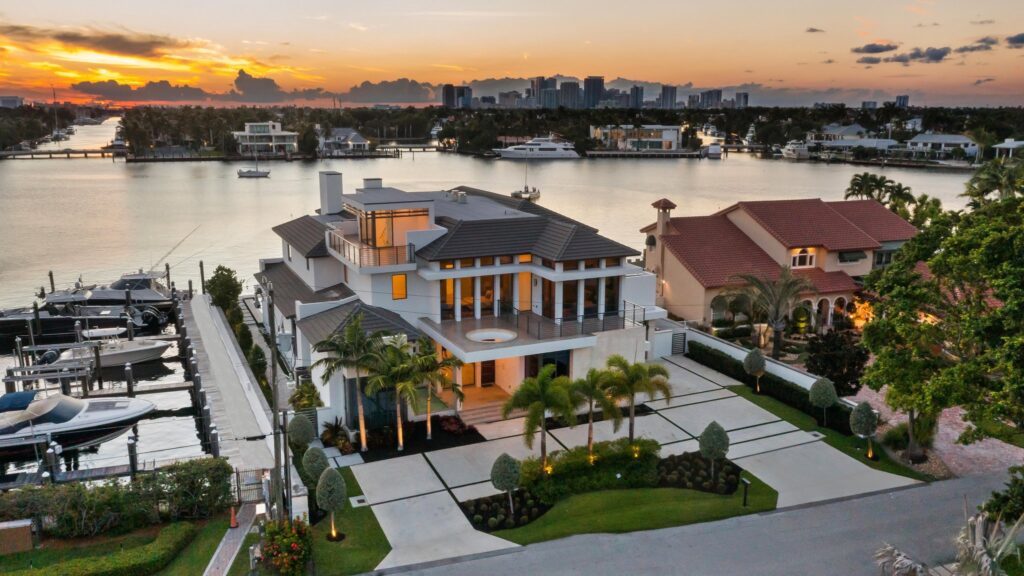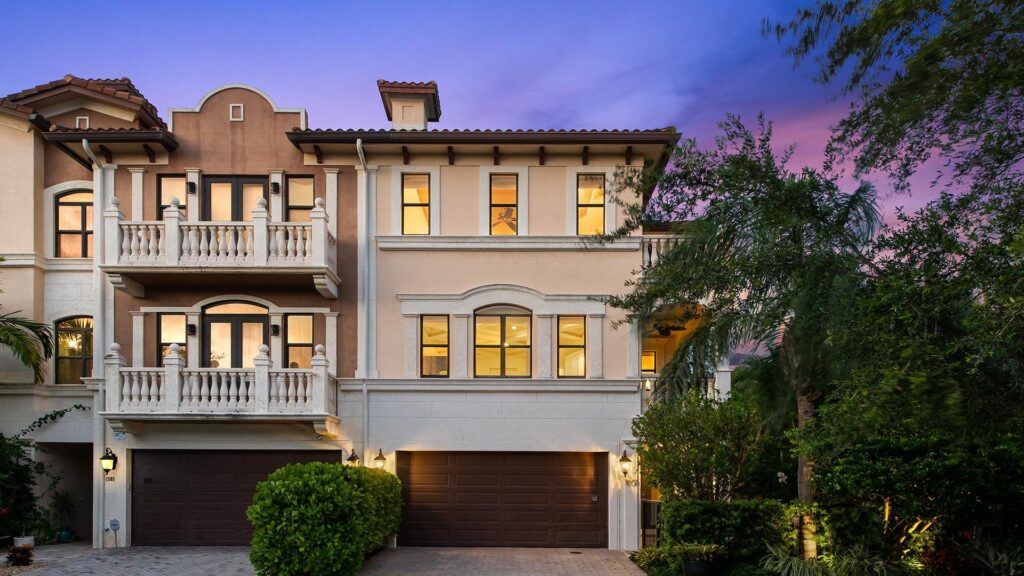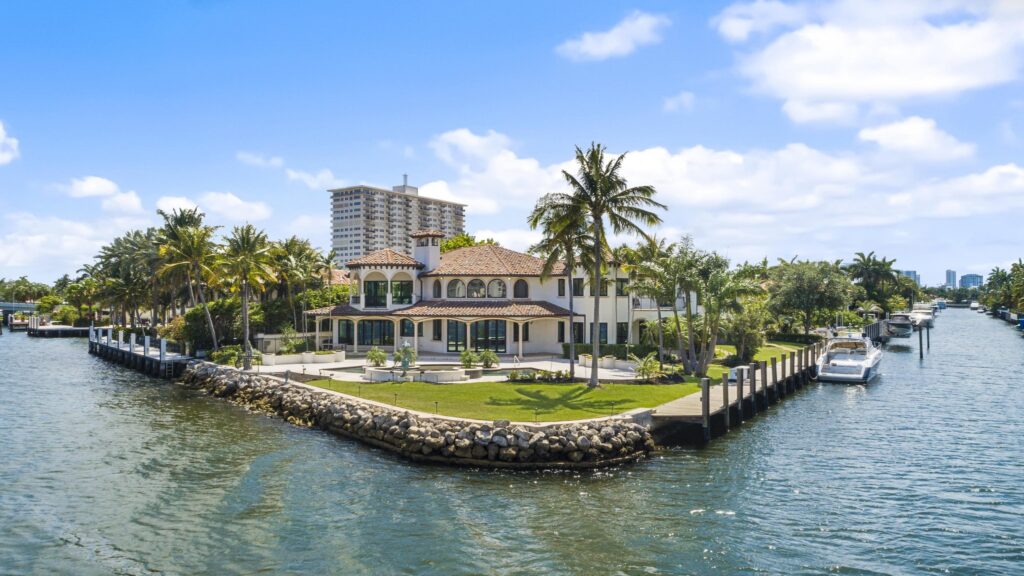

Most articles about Fort Lauderdale summers are written for tourists planning a week’s vacation. This one is written for buyers deciding whether to live here. Those are different questions. A tourist wants to know what to do for seven days. A future resident wants to know what summers feel like when this is your home, your neighborhood, and your daily routine.
Fort Lauderdale summers are hot, humid, and genuinely excellent. NOAA reports the city averages 246 sunny days per year, and Atlantic Ocean water temperatures hover between 82°F and 85°F from June through September.
The same geography that makes this a compelling place to buy waterways, ocean access, and established neighborhoods with mature tree canopy also means most residents spend much of their summer outdoors or on the water.
What Should Home Buyers Know About Fort Lauderdale’s Summer Climate?
Summer in Fort Lauderdale runs from June through September with average highs of 89°F to 91°F and humidity that makes mornings feel warmer than the thermometer reads. (source: NOAA Climate Data) Afternoon thunderstorms arrive most days between 2 and 5 PM, typically lasting 30 to 60 minutes before clearing.
Residents structure outdoor activity around this pattern: morning beach time, midday indoors, late afternoon and evening back outside.
Heat, Humidity, and the Daily Rhythm
The heat is real, and so is the adjustment period for buyers relocating from northern markets. Most Fort Lauderdale homeowners run central air conditioning continuously from May through October, adding $150 to $300 per month to utility costs compared to winter months.
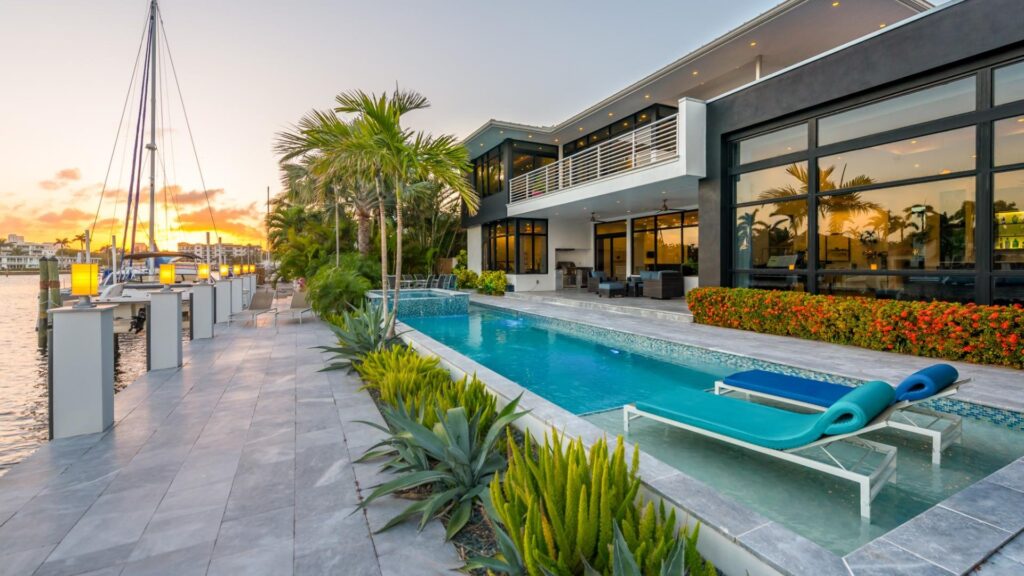
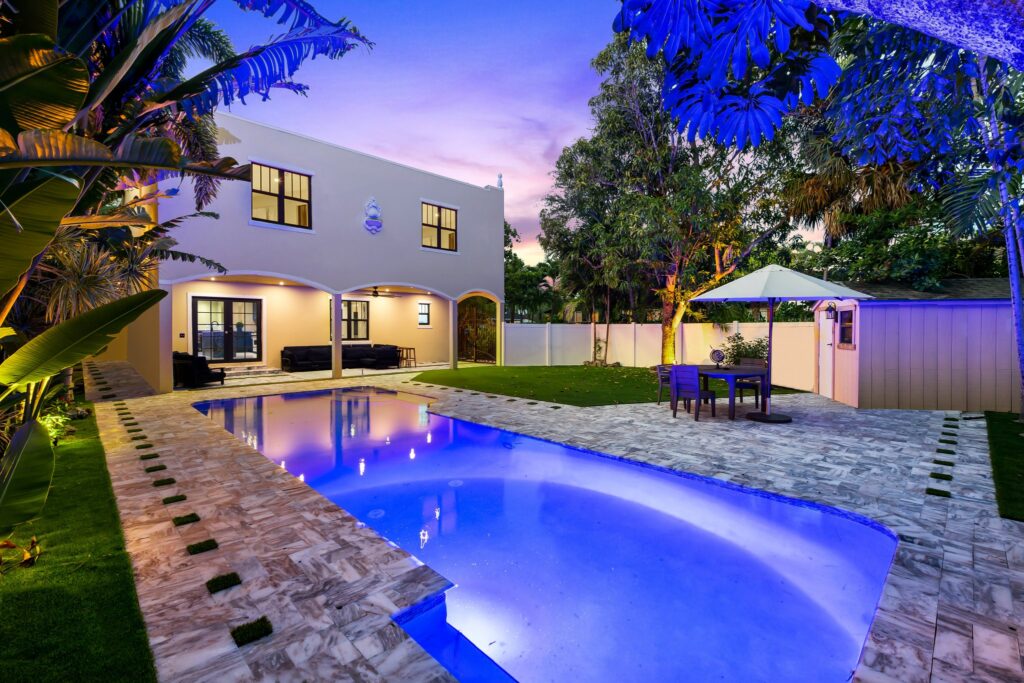
Homes with covered outdoor living areas, pools, and mature tree canopy handle summer heat materially better than homes without shade. If summer outdoor living is a priority, those features move from nice-to-have to essential when evaluating properties.
Hurricane Season
Atlantic hurricane season runs June 1 through November 30, with peak activity in August and September. (source: National Hurricane Center, NOAA) Fort Lauderdale has not taken a direct major hurricane hit in recent decades, but tropical storm conditions, flooding, and preparation costs are real.
Buyers should review a property’s wind mitigation report, hurricane shutter situation, and flood zone designation before closing.
Homes with impact windows and documented wind mitigation features carry significantly lower insurance premiums and are more insurable in Florida’s current carrier market.
Why Summer Is a Smart Time to Buy
Fewer buyers compete in Fort Lauderdale’s summer market. Seasonal residents leave between April and October, and most buyers from cold-weather states visit and make decisions between December and March.
That seasonal compression means sellers listing in June through September have fewer offers and more motivation to negotiate.
Dotoli Group’s transaction data from 2024 to 2025 shows that buyers who went under contract between July and September consistently achieved better terms than comparable spring transactions on the same properties.
Where Do Fort Lauderdale Residents Go to the Beach in Summer?
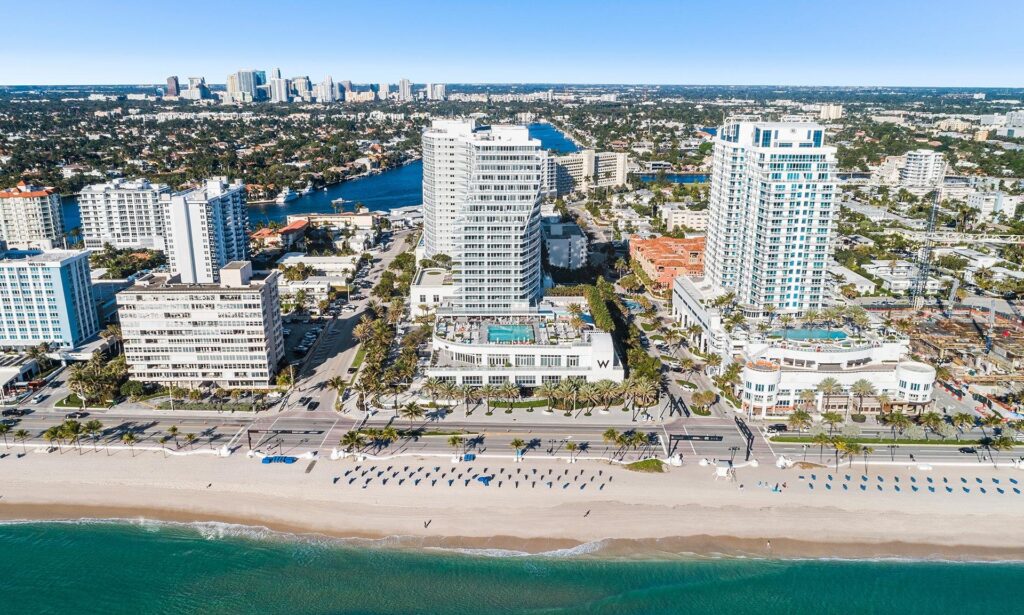
Fort Lauderdale’s public beach runs along A1A for approximately 2 miles of continuous public access with lifeguards, parking, and facilities.
Over time, residents develop more specific beach preferences, knowing which access points have shade, which parking lots fill first on summer weekends, and which stretches see less foot traffic than the main tourist corridor.
Fort Lauderdale Beach
The main public beach along A1A is the most accessible and the most crowded. The north end near Sunrise Boulevard sees heavier tourist concentration in summer.
Residents who prefer a quieter stretch use the access points south of Las Olas Boulevard, where parking is available at the public lots on Seabreeze Boulevard and Vistamar Street on weekday mornings before 10 AM. Lifeguards are stationed at regular intervals from 9 AM to 5 PM throughout the summer season.
Hugh Taylor Birch State Park
Hugh Taylor Birch State Park is a 180-acre natural park one block from the main beach that most tourists miss entirely.
It has a freshwater lagoon system, a 1.75-mile nature trail, kayak and canoe rentals, and a pedestrian underpass connecting directly to the beach. (source: Florida State Parks) Entry is $6 per vehicle.
Fort Lauderdale residents most often cite this beach option when they avoid the A1A strip on summer weekends.
South Beach Park
South Beach Park at Fort Lauderdale’s south barrier island offers fishing, a boat ramp, and picnic areas without the A1A commercial strip.
The park sits adjacent to the Port Everglades inlet, which means consistent boat traffic through the channel.
Buyers evaluating properties near this corridor should factor the inlet’s activity and the adjacent industrial port zone into their neighborhood assessment before committing to properties in that area.
What Water Activities Do Fort Lauderdale Residents Do in Summer?
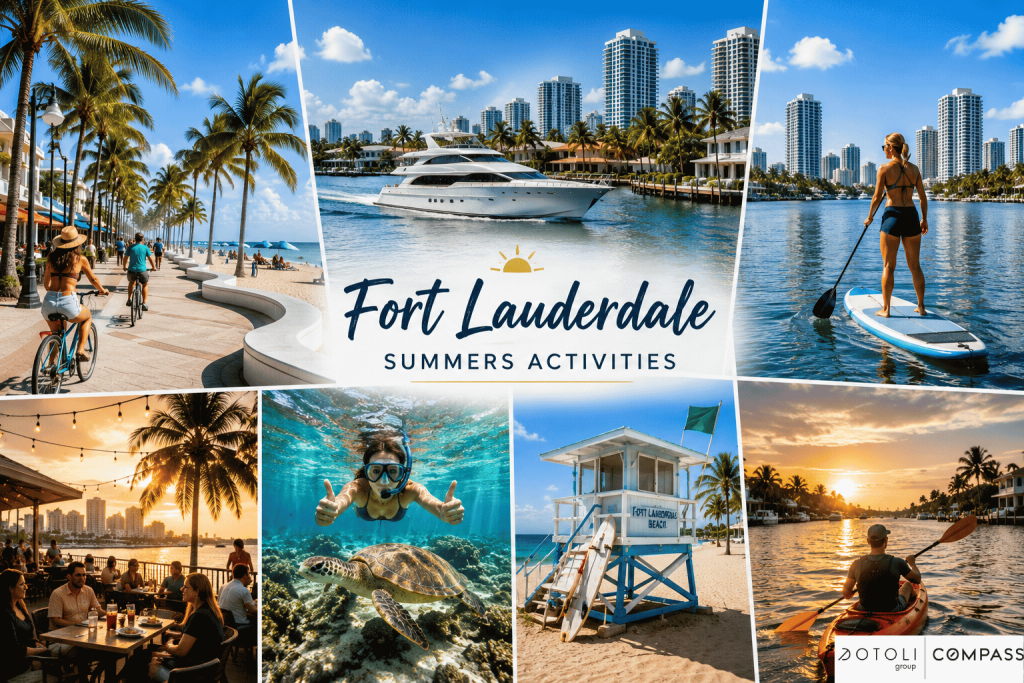
Summer is peak season for water-based activity in Fort Lauderdale. Ocean water temperatures in the 82°F to 85°F range make kayaking, paddleboarding, snorkeling, jet skiing, and boating more comfortable than in most other markets buyers have lived in.
Kayaking and Paddleboarding
Kayaking and paddleboarding rentals operate through Intracoastal access points and Hugh Taylor Birch State Park throughout the summer, with half-day rentals running $35 to $60 depending on equipment.
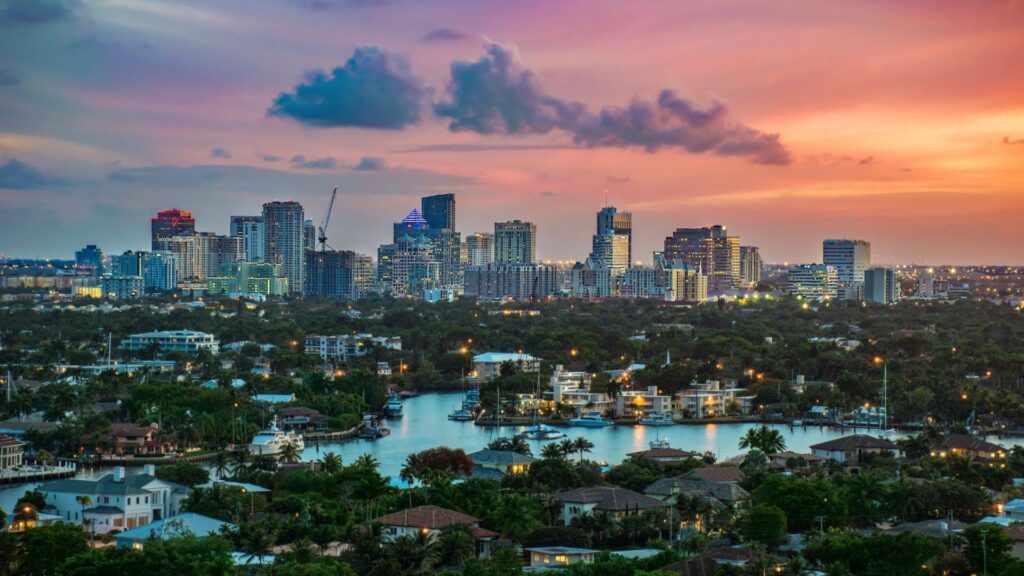
The New River, which runs through downtown Fort Lauderdale and connects to the Intracoastal, offers a flat-water paddling route through Fort Lauderdale’s waterfront neighborhoods that resident paddlers use regularly.
Snorkeling
Snorkeling and diving at Fort Lauderdale’s artificial reef system run year-round, with summer visibility in the 40 to 70-foot range. Several dive operators run half-day reef trips from Fort Lauderdale’s marinas for $60 to $90 per person.
Buyers who are already boaters will find Fort Lauderdale’s summer on-the-water lifestyle directly relevant to how they evaluate properties. The boating lifestyle guide covers the neighborhood-by-neighborhood dock access comparison in detail.
Which Cultural Sites Are Worth Visiting as a Fort Lauderdale Resident?
Fort Lauderdale has a cultural infrastructure that surprises most buyers relocating from smaller markets. Three institutions in particular see consistent resident use, not just tourist traffic.
Bonnet House Museum and Gardens
Bonnet House is a 35-acre historic estate on Fort Lauderdale’s barrier island, preserved as a museum and botanical garden. (source: Bonnet House Museum)
The grounds include native Florida plantings, a freshwater lagoon, and the original 1920s estate buildings of the Birch and Bartlett families. Admission runs approximately $20 for adults.
The property is one block from the beach, making it a practical midday destination during the hours when direct sun is most intense.
NSU Art Museum Fort Lauderdale
The NSU Art Museum holds a collection of more than 7,000 works with particular depth in Latin American modernism and CoBrA movement art. (source: NSU Art Museum) It sits on Las Olas Boulevard in downtown Fort Lauderdale and runs rotating exhibitions throughout the year.
Admission is approximately $15 for adults. Residents who work or live near downtown use it periodically throughout the year rather than as a single destination trip.
Stranahan House
Stranahan House, built in 1901, is Fort Lauderdale’s oldest surviving structure and a National Register of Historic Places listing. (source: Stranahan House) Tours run Thursday through Sunday.
It sits on the New River in downtown Fort Lauderdale adjacent to the riverwalk. For buyers evaluating how much of Fort Lauderdale’s history and character is accessible as a resident, this is the most concentrated 90 minutes available.
What Does the Summer Dining and Entertainment Scene Look Like?
Fort Lauderdale’s restaurant scene stays active year-round. Las Olas Boulevard’s dining corridor sees fewer crowds in summer, so nearby residents can get easier reservations at restaurants that fill every weekend from January through April.
Waterfront dining along the New River and the Intracoastal is most accessible on summer evenings, when temperatures drop after afternoon storms clear.
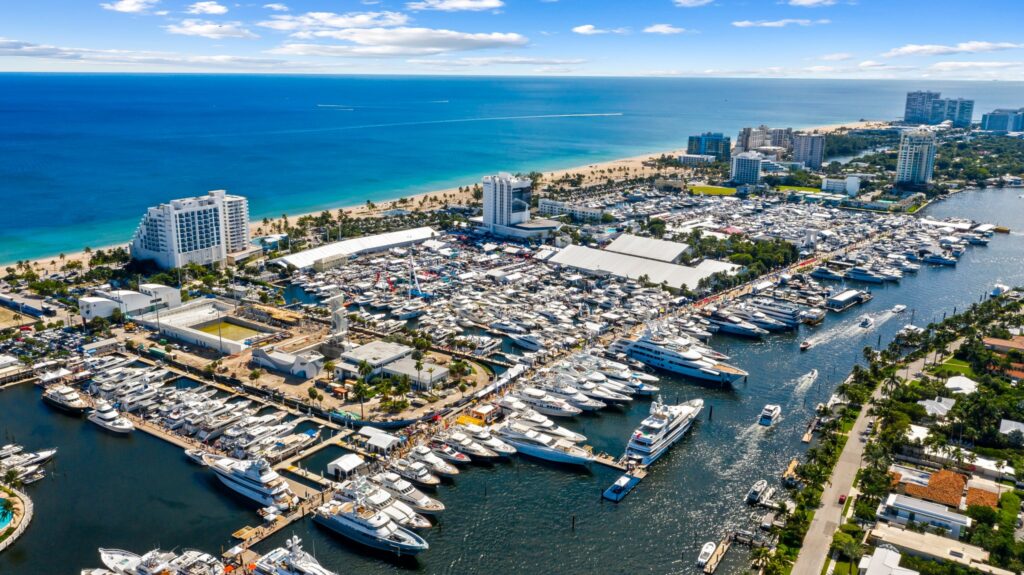
Fort Lauderdale’s late October return to peak season begins with the Fort Lauderdale International Boat Show, the world’s largest in-water boat show, which marks the shift from summer’s quieter pace back to the city’s high-demand season.
The safest neighborhoods in Fort Lauderdale guide covers which residential corridors are within walking or biking distance of Las Olas and the waterfront dining scene, a practical factor for buyers who plan to use those amenities regularly.
Is Summer a Good Time to Buy a Home in Fort Lauderdale?
Yes, for buyers who are not bound to a specific calendar. Fort Lauderdale’s real estate market peaks between January and April when seasonal residents and northern buyers are active.
Summer brings less competition, more motivated sellers, and more room to negotiate on both price and terms.
The trade-off is inventory. Some sellers time their listings for peak season, which means properties buyers would want may not be listed in summer.
A Fort Lauderdale realtor with access to pre-market and coming-soon inventory closes that gap. Dotoli Group’s buyer clients receive notifications of available properties before they hit the public market, which is the most practical way to use a summer buying window without being limited to whatever made it to the MLS that week.
See Fort Lauderdale Before You Commit. We Will Show You What Residents Know.
The best way to evaluate whether Fort Lauderdale summers suit your lifestyle is to spend time in the neighborhoods you are considering, not on the main tourist strip.
Dotoli Group works exclusively in Fort Lauderdale’s luxury and waterfront segments and knows which blocks stay cool under tree canopy, which neighborhoods flood during August storms, and which properties have the outdoor living setups that make summer here genuinely enjoyable.
If you are in Fort Lauderdale this summer and want to see properties alongside a market expert, we can set that up.
Contact us to get an exclusive listing.