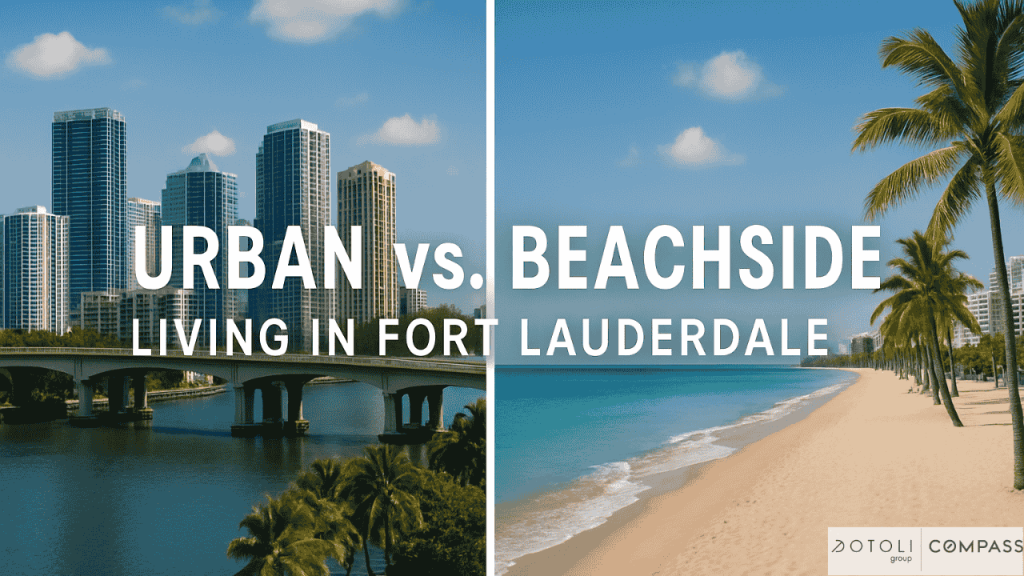

Fort Lauderdale is one of the few cities where both urban and beachside living are genuinely excellent options, and they sit just a few miles apart.
The right choice depends on how you want to spend your time, what kind of property you’re looking for, and how you weigh convenience against coastal access.
This guide breaks down both lifestyles so you can decide which fits your priorities before you start touring homes.
What Does Urban Living in Fort Lauderdale Actually Look Like?
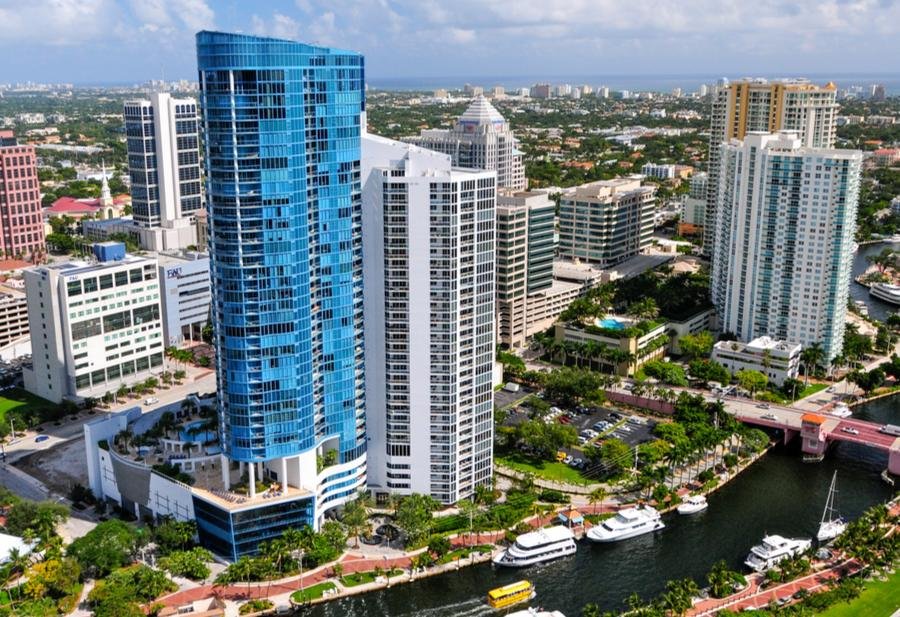
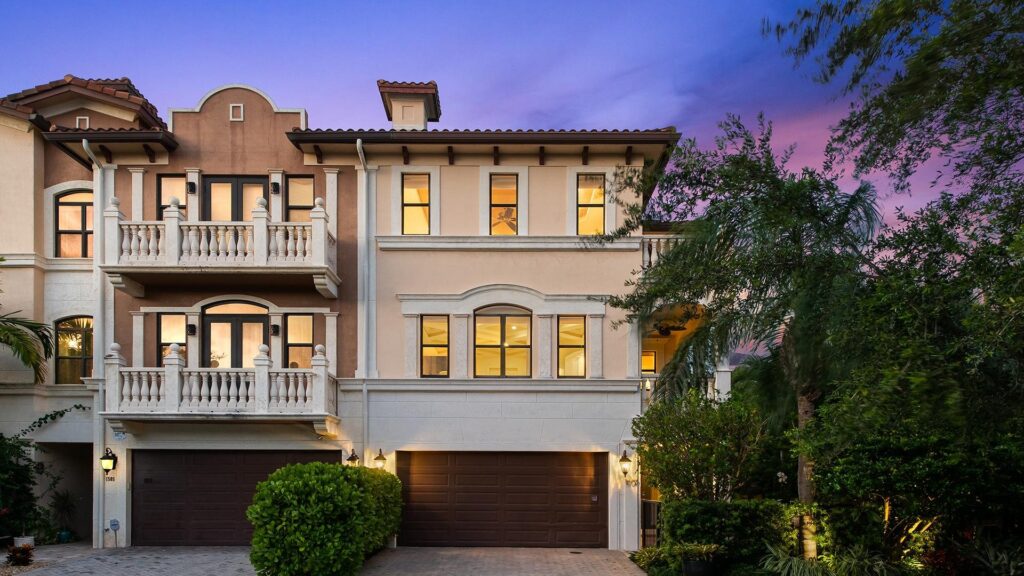
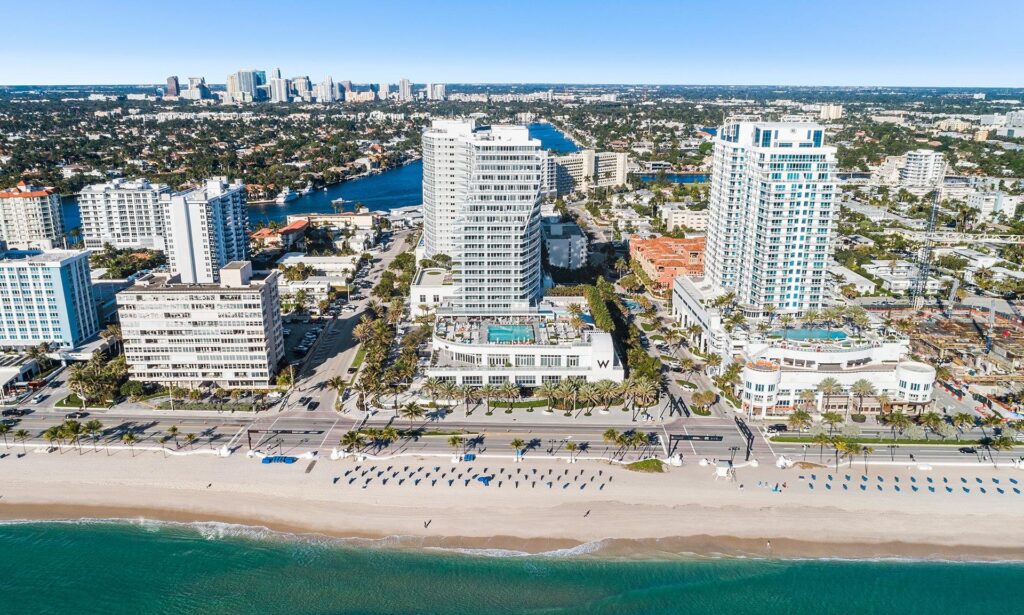
Urban Fort Lauderdale centers on Downtown, Las Olas Boulevard, Flagler Village, and Victoria Park, where high-rises, contemporary townhomes, and mixed-use developments have created a genuinely walkable city environment.
Residents can walk to restaurants, coffee shops, fitness studios, cultural venues, and the Riverwalk waterfront district without needing a car.
The urban core has changed significantly over the past decade, with new construction pushing into Flagler Village (where price per square foot for new townhomes runs $400-$500) and continued demand for luxury condos along Las Olas and downtown.
What Does Beachside Living in Fort Lauderdale Offer?
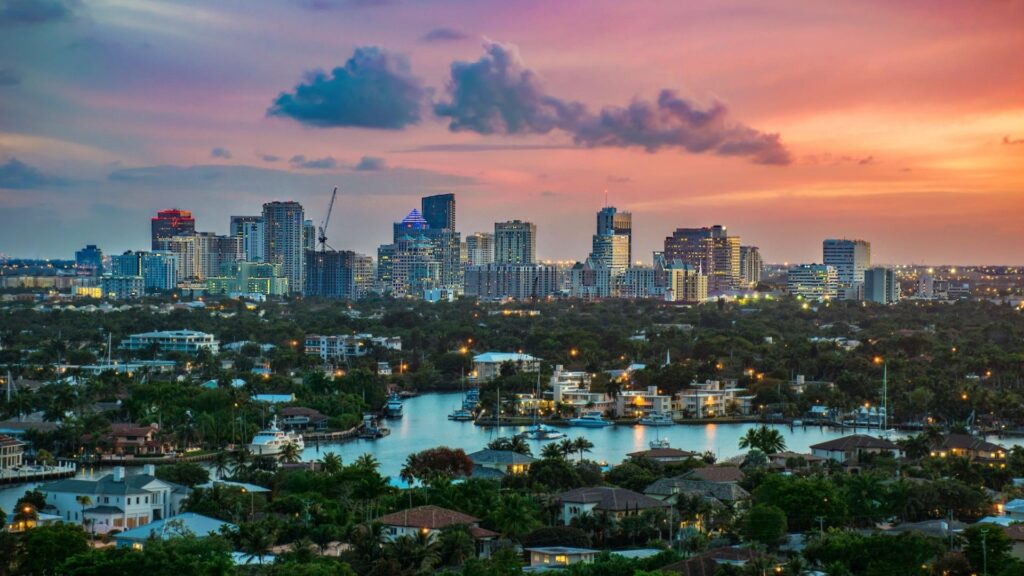
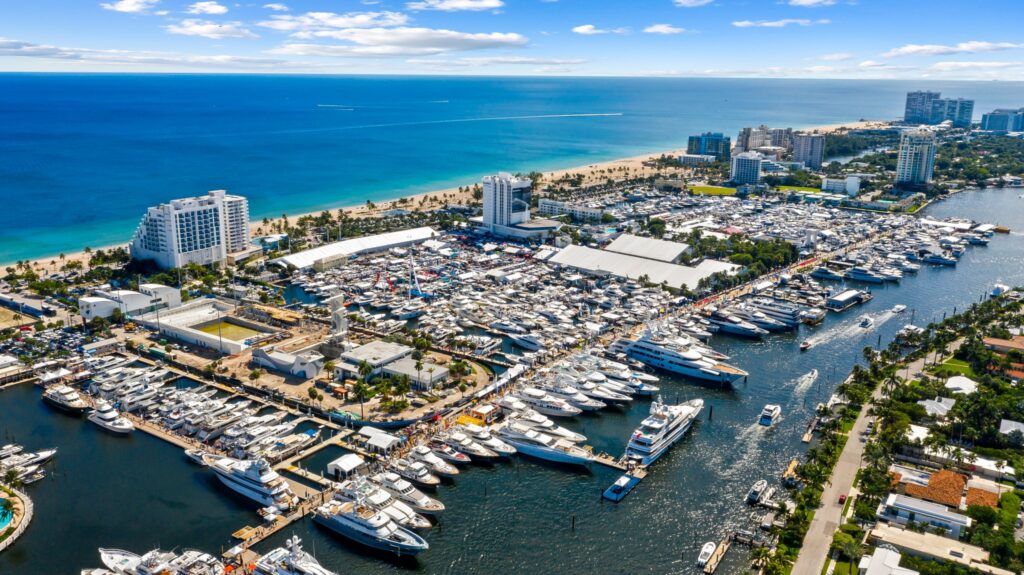
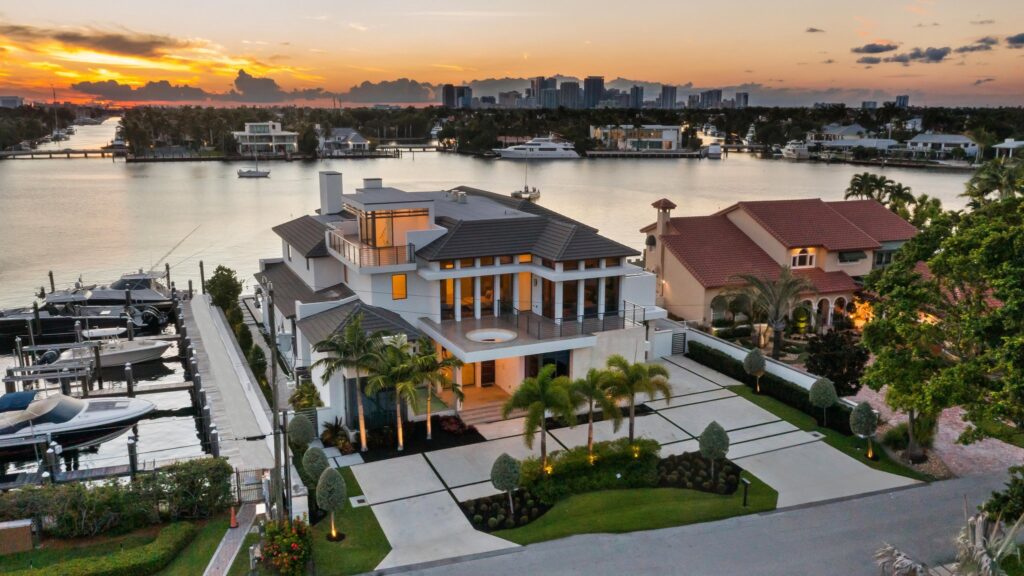
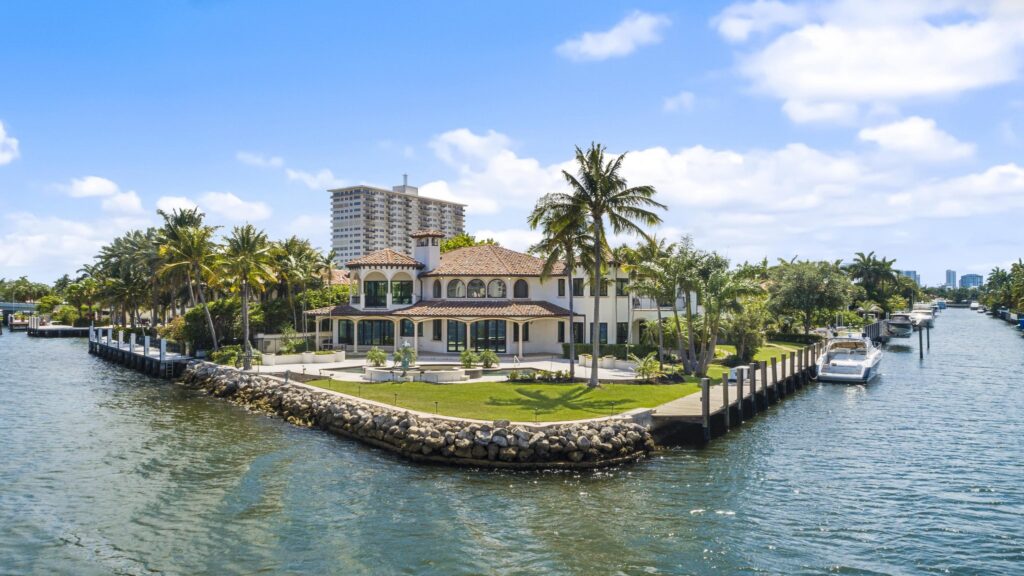
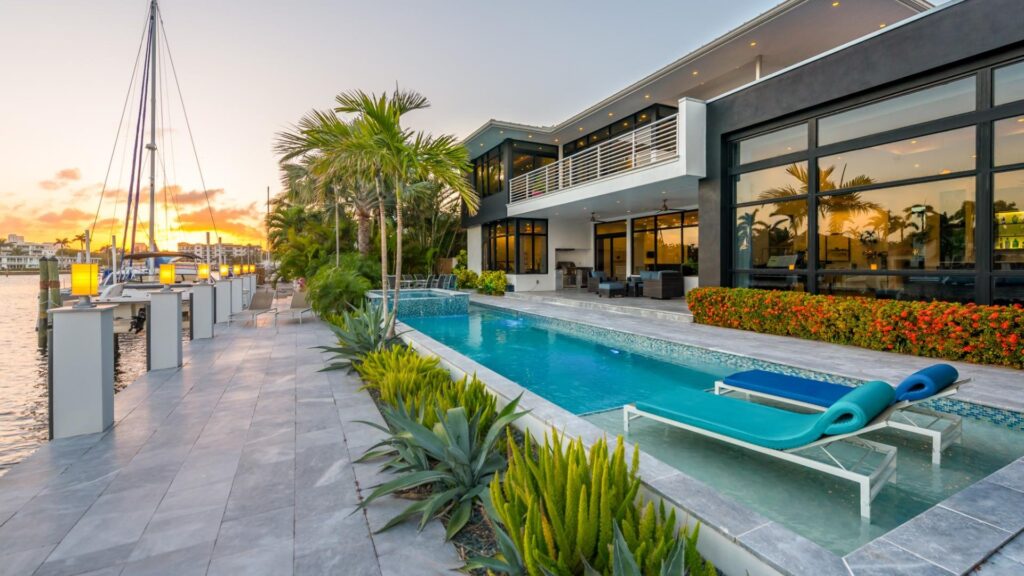
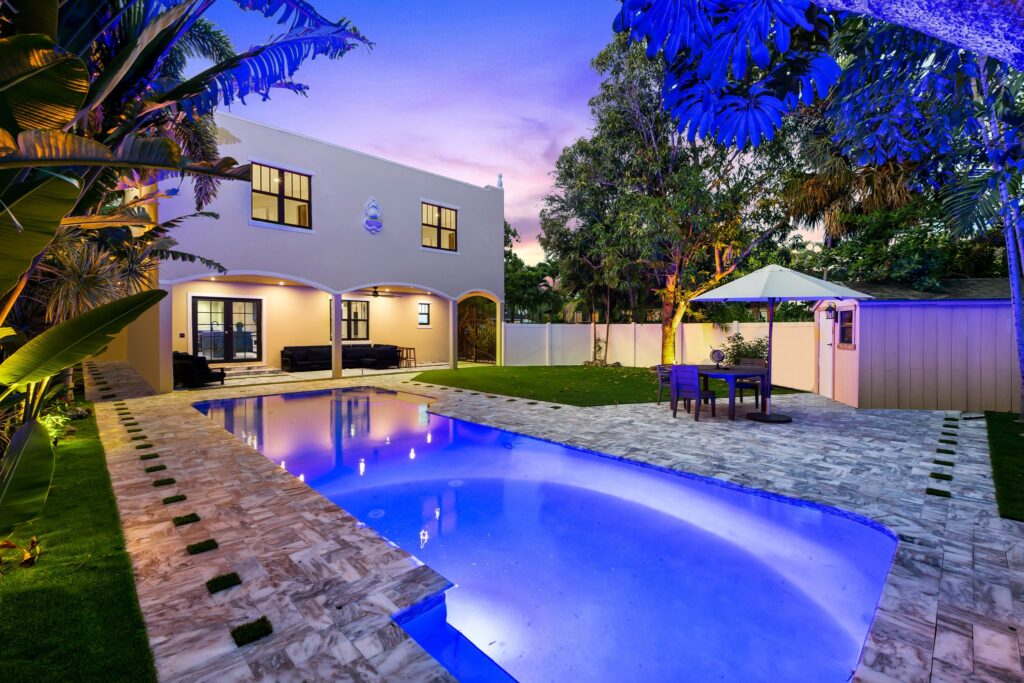
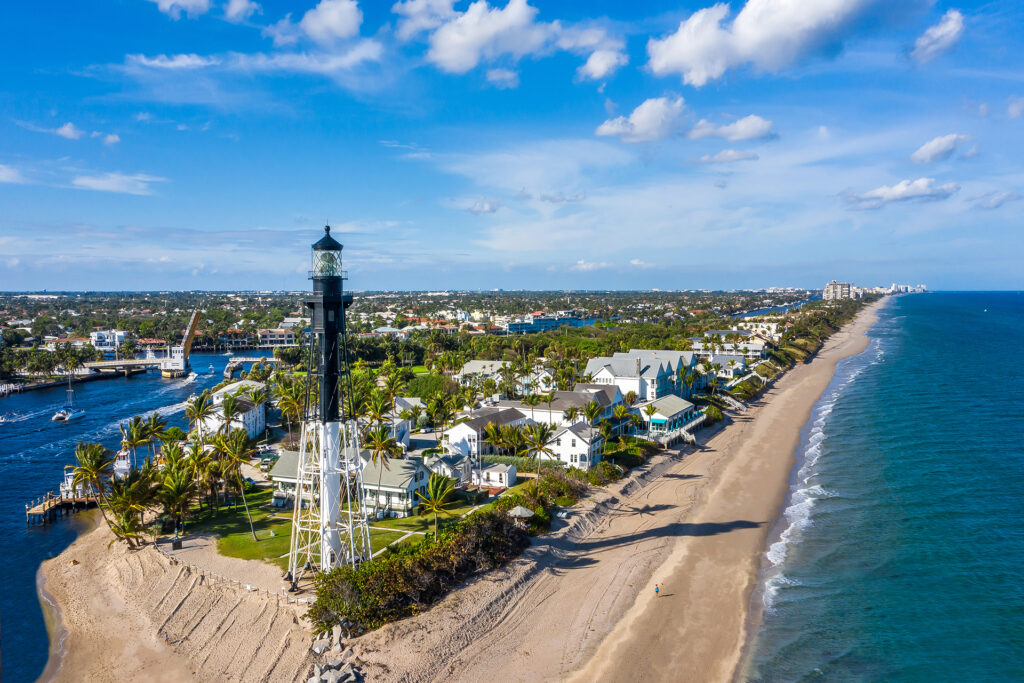
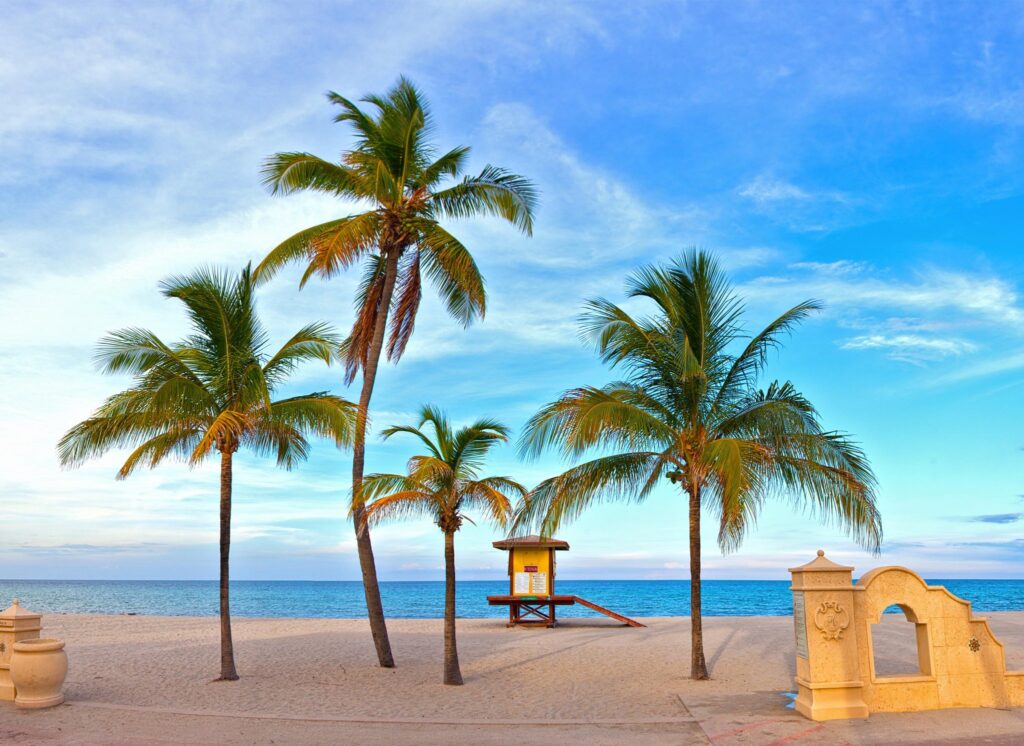
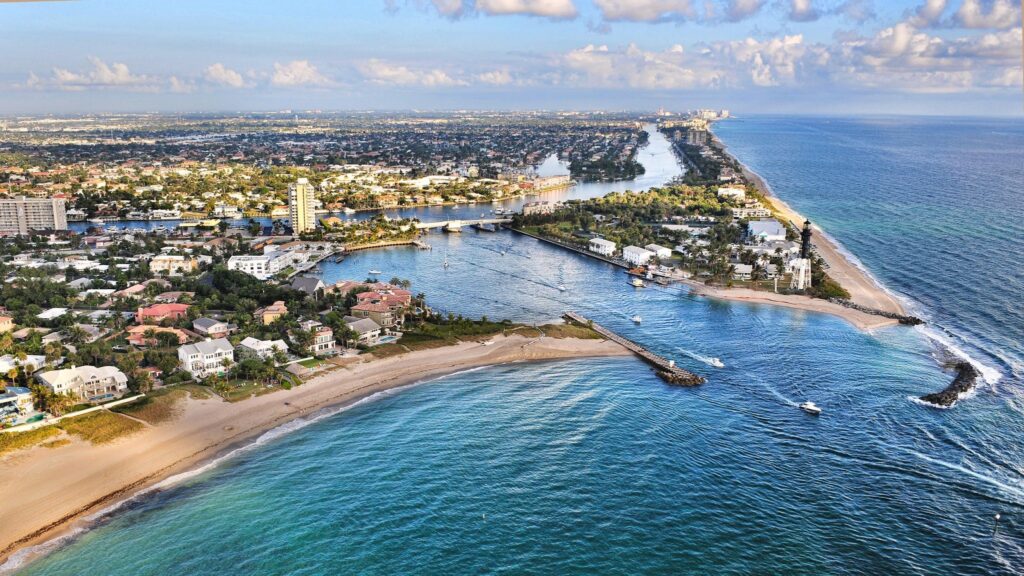
Beachside Fort Lauderdale centers on the A1A corridor, the Intracoastal Waterway, and canal-front neighborhoods such as Las Olas Isles, Harbor Beach, Dolphin Isles, and Lauderdale Beach. The lifestyle is quieter and more spread out, built around water access, morning beach walks, boating, and outdoor entertaining.
Many homes in these neighborhoods have private docks with direct ocean access through Fort Lauderdale’s 165 miles of navigable canals, which is why the city earned the nickname “Venice of America.” The tradeoff is higher prices, greater distance from downtown amenities, and higher insurance costs in coastal flood zones.
How Do Urban and Beachside Prices Compare in Fort Lauderdale?
The price gap is meaningful. The median condo price in Fort Lauderdale currently ranges from $450,000 to $460,000, while the median single-family home price is around $614,500 (Source: BuyingSouthFlorida.com, 2026).
Most urban buyers are purchasing condos, while most beachside buyers are purchasing single-family or waterfront homes, so the entry point for beachside living is typically higher.
The condo market also has nearly 11 months of supply right now compared to 4.8 months for single-family homes, which means urban condo buyers currently have stronger negotiating power and are averaging around 6% below asking price on closed sales.
| Urban (Downtown/Las Olas) | Beachside (A1A/Intracoastal) | |
|---|---|---|
| Typical property type | Condo, townhome, high-rise | Single-family, waterfront estate |
| Median entry price | $450,000-$460,000 | $614,500+ |
| Market conditions | Buyer’s market (11 months supply) | More competitive (4.8 months supply) |
| Insurance costs | Standard | Higher (flood, windstorm required) |
| Walkability | High | Lower |
| Water access | Via Riverwalk/New River | Direct canal, Intracoastal, ocean |
Which Lifestyle Fits Your Day-to-Day Priorities?
Urban living suits buyers who want immediate access to dining, nightlife, and cultural life without needing a car, and who are comfortable with less private outdoor space in exchange for building amenities like rooftop pools, gyms, and concierge services.
Beachside living suits buyers who prioritize outdoor space, water access, boating, and a quieter residential environment, and who are willing to drive a few minutes for urban conveniences.
The two lifestyles are not mutually exclusive in Fort Lauderdale beachside neighborhoods, like Las Olas Isles, which is a 10-minute drive from downtown, so many residents move between them easily.
Which Is the Better Long-Term Investment?
Both markets have performed well historically, but they behave differently right now. The condo market’s high inventory creates short-term buying opportunities but also leads to slower appreciation than in the single-family market.
Beachside single-family homes and waterfront properties benefit from limited supply and strong international buyer demand, which has historically supported above-average appreciation in prime neighborhoods.
If rental income is part of your strategy, waterfront single-family rentals in Fort Lauderdale grew 32% year-over-year in 2025 (Source: LuxLife Miami), which gives beachside properties an edge for investors.
Which Fort Lauderdale Neighborhoods Should You Consider?
For urban living, the strongest options are Downtown Fort Lauderdale and Las Olas Boulevard for luxury condos and high-rises, and Flagler Village and Victoria Park for walkable townhomes and newer construction with a neighborhood feel.
For beachside living, Las Olas Isles, Rio Vista, Harbor Beach, and Dolphin Isles offer canal-front and Intracoastal-facing homes.
In contrast, the A1A corridor and Lauderdale Beach offer more direct oceanfront options. Explore all Fort Lauderdale neighborhoods or browse current listings to compare what’s available in each area.
FAQ
1. Is it cheaper to live downtown or beachside in Fort Lauderdale?
Downtown urban living is generally less expensive to enter, with median condo prices around $450,000-$460,000 compared to a median single-family home price of $614,500 for beachside properties. However, urban condos carry HOA fees and building costs, while beachside homes carry higher insurance costs, so the total monthly cost of ownership can be similar.
2. Which Fort Lauderdale neighborhoods are best for urban living?
Downtown Fort Lauderdale and Las Olas Boulevard offer the most walkable, amenity-rich urban experience. Flagler Village and Victoria Park are popular with buyers who want urban convenience in a more residential, neighborhood-scale setting.
3. Which Fort Lauderdale neighborhoods are best for beachside living?
Las Olas Isles, Rio Vista, Harbor Beach, and Dolphin Isles are among the most sought-after for canal-front and Intracoastal living. For direct oceanfront, the A1A corridor and Lauderdale Beach are the primary options.
4. Can I find walkable neighborhoods near the beach in Fort Lauderdale?
Yes. The area around Fort Lauderdale Beach and Las Olas Boulevard is walkable to both the beach and a strong restaurant and retail strip. It offers a middle ground between full urban and purely residential beachside living.
5. Is urban or beachside Fort Lauderdale better for investment?
Both have strong track records. Right now, the condo market offers better entry pricing and negotiating leverage, while beachside single-family homes have steadier demand and stronger rental income potential. The best choice depends on your investment horizon and whether rental income is part of your strategy.
Not sure which lifestyle fits you better? Dotoli Group knows both sides of Fort Lauderdale inside out from downtown high-rises to canal-front estates. Contact us today and we’ll help you find the right neighborhood before you make an offer.