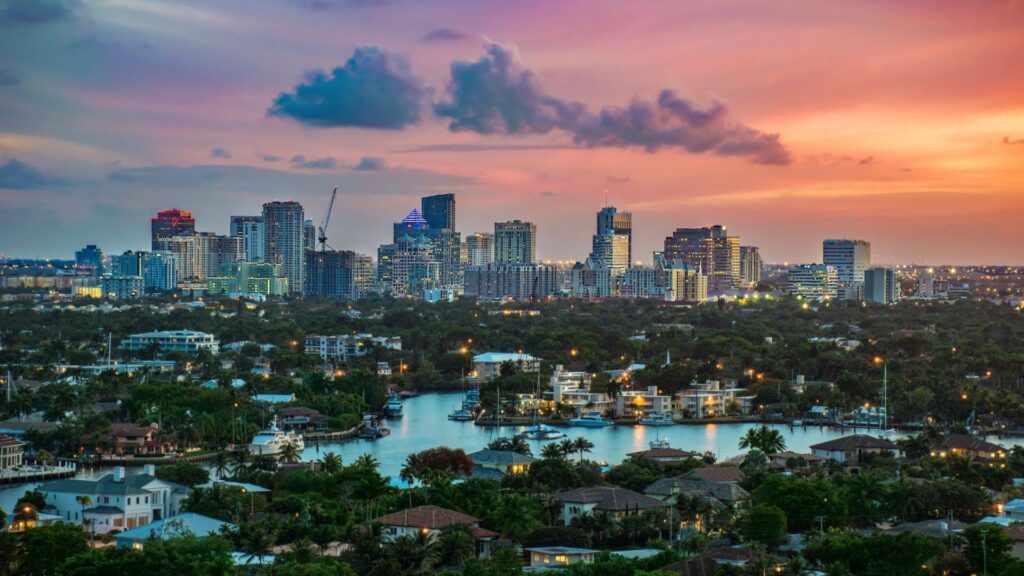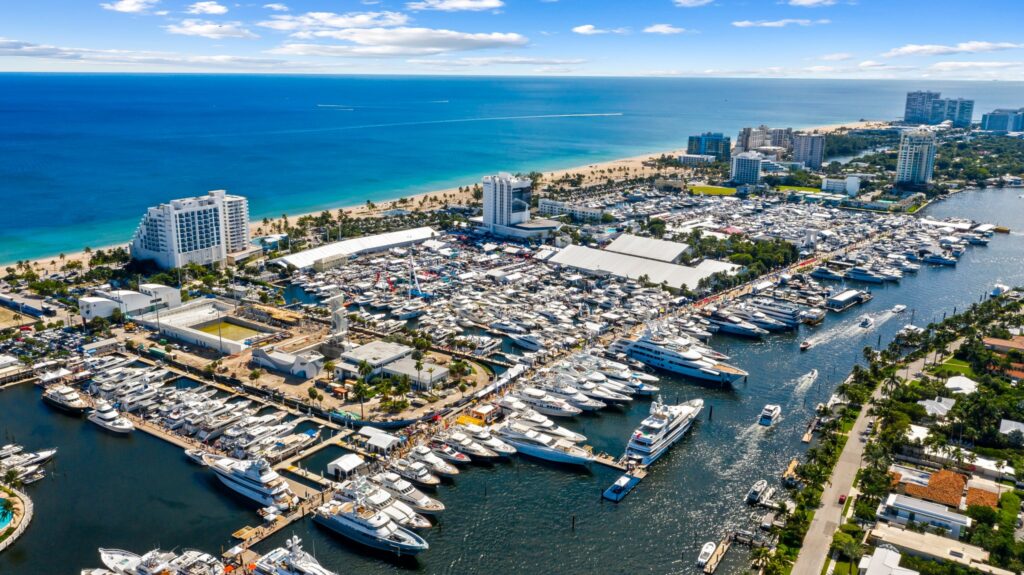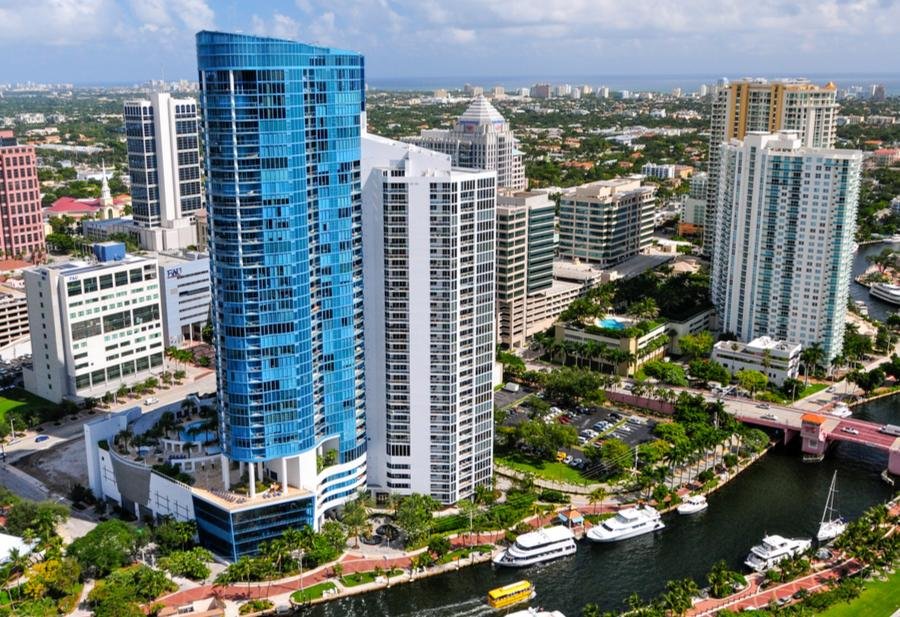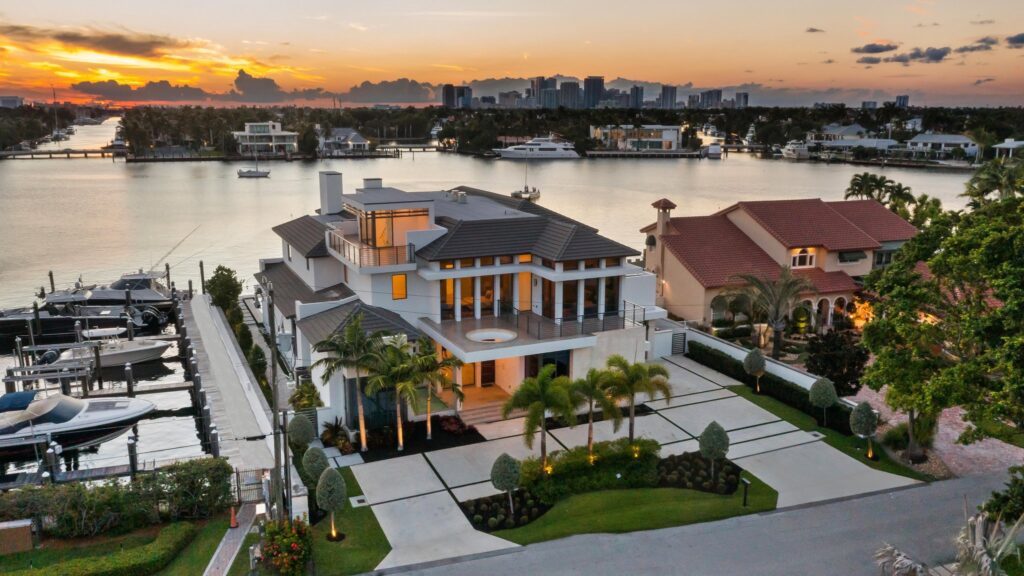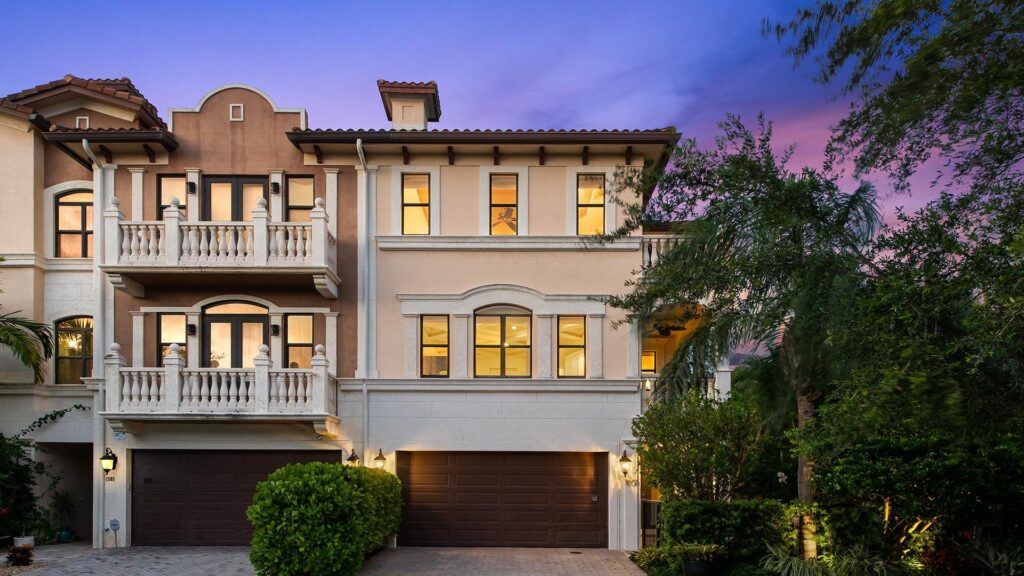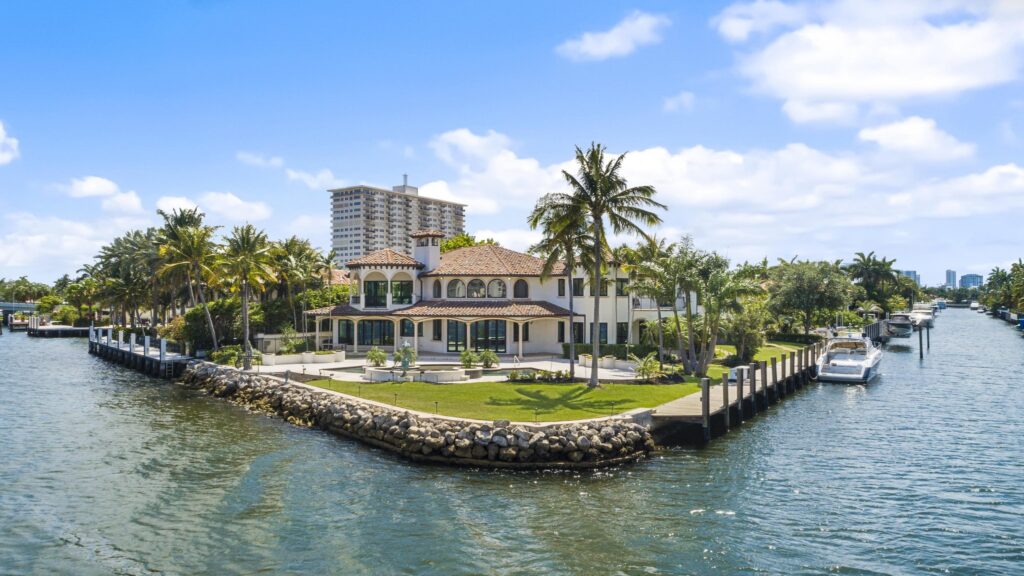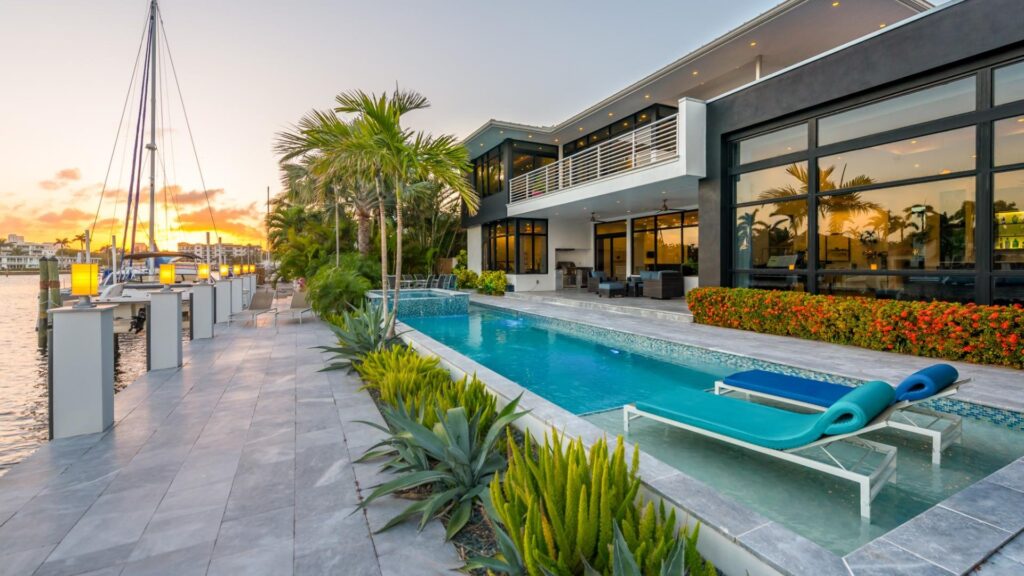

Waterfront home insurance in Fort Lauderdale takes more than one premium quote. A private dock is a big reason buyers choose a home on Las Olas Isles, in Rio Vista, Harbor Beach, Coral Ridge, or the Seven Isles. It is also the part of the property that standard insurance is most likely to leave out. Before you make an offer, you need to know what your homeowners policy, flood policy, and liability coverage will and will not pay for.
Quick Answer
A standard homeowners policy does not automatically cover a private dock or seawall, and the federal flood policy does not cover them. FEMA’s Standard Flood Insurance Policy lists docks, piers, wharves, seawalls, and bulkheads as property it does not insure.
A Fort Lauderdale waterfront buyer should check dwelling and wind coverage, flood coverage, dock and seawall coverage, and dock liability separately before closing.
This guide covers the seven areas to review, in the order most buyers run into them.
1. Homeowners Insurance for a Waterfront Home
A homeowners policy protects the house and other covered property against the risks it names, subject to limits, exclusions, and deductibles. On a waterfront home, the first question is whether the dwelling limit is high enough to rebuild the house at current construction costs.
That reconstruction figure, not the purchase price or the value of the lot, is what the dwelling limit should be built around, and on a Fort Lauderdale waterfront property the two numbers can be far apart.
Next, ask how the policy handles wind. Many Florida homeowners policies include windstorm coverage with a separate hurricane deductible, which Section 4 explains, but some exclude wind and require a separate wind policy. The roof’s age, construction, and condition can decide whether an insurer will write the policy at all, and a wind mitigation inspection can lower the premium.
Our guide to wind mitigation and 4-point inspections in Fort Lauderdale explains what each inspection checks.
Finally, ask how the policy treats other structures. Docks, boat lifts, and seawalls may be covered under the other-structures part of the policy, covered with a lower sublimit, or excluded entirely.
Get the answer in writing, then review the declarations page and exclusions with a licensed Florida insurance agent before you commit to the purchase.
2. Flood Insurance for Fort Lauderdale Waterfront Homes
Standard homeowners policies exclude flood damage. Flood coverage comes from a separate policy, either through the National Flood Insurance Program (NFIP) or a private flood insurer, and some private carriers add it to the homeowners policy by endorsement.
Whether you must buy it depends on the property and the loan. If the home sits in a FEMA high-risk flood zone and you finance it with a federally regulated or federally backed mortgage, the lender will require flood insurance.
Many waterfront homes in East Fort Lauderdale sit in Zone AE, and our guide to Fort Lauderdale flood zones explains what that means and how to look up any address.
Florida adds a second trigger for homes insured through Citizens Property Insurance, the state-backed insurer. Citizens requires flood coverage on most personal residential policies that include wind coverage. The rule has been phased in by dwelling value since 2024 and reaches nearly all of those policies on January 1, 2027, whether or not the home is in a FEMA flood zone.
Two NFIP limits matter for waterfront buyers. First, NFIP building coverage tops out at $250,000 for a single-family home, with up to $100,000 for contents. The rebuild cost of most waterfront homes is well above that, so many owners add private excess flood coverage.
Second, a new NFIP policy usually has a 30-day waiting period before it takes effect. The main exception is a policy bought in connection with a mortgage closing. Shop for flood coverage during your inspection period, not after a storm is in the forecast.
Before closing:
1. Look up the flood zone on FEMA’s Flood Map Service Center.
2. Ask the lender whether flood insurance is required, and whether the Citizens requirement will apply.
3. Get quotes from the NFIP and from private flood insurers, including excess flood if the rebuild cost is above $250,000.
4. Compare limits, deductibles, exclusions, and the effective date of each policy.
Important: The NFIP flood policy does not cover docks, piers, wharves, seawalls, or bulkheads. FEMA’s own appeal decisions cite that policy language. If storm surge destroys the dock, the NFIP policy will not pay to rebuild it.
3. Does Home Insurance Cover a Private Dock or Seawall?
Not automatically. A dock and a seawall are separate structures with different risks, and coverage depends entirely on the policy you buy.
A dock can be damaged by storm surge, waves, floating debris, a boat striking it, or ordinary deterioration. A seawall can erode, crack, settle, or fail, and gradual wear is one of the most common exclusions. Because flood policies exclude both structures, coverage usually comes from the homeowners policy’s other-structures coverage, an endorsement, or a separate policy.
Ask your insurance agent:
* Is the dock insured as part of the dwelling, as another structure, or under a separate policy?
* Do you cover storm surge, flood, wind, and wave damage?
* Are there exclusions for pilings, boat lifts, electrical equipment, or floating dock sections?
* Is the seawall covered, and do exclusions apply for erosion, gradual deterioration, or maintenance-related damage?
* What deductibles, sublimits, or special conditions apply?
Get the answers in writing for the specific dock and seawall on the property. If a structure is excluded, ask whether an endorsement or separate policy is available and what it costs.
Insurance does not replace an inspection. A seawall inspection tells you the wall’s condition, and in Fort Lauderdale it also shows how the wall compares with the city’s height rules. City code sets a minimum top elevation of 3.9 feet NAVD88 for new seawalls, and the city has proposed raising that minimum to 5 feet to match Broward County’s resiliency standard.
A wall that needs replacing may have to be built higher, which raises the cost. See our guides to seawall inspection in Fort Lauderdale and seawall replacement cost, and review the dock permit rules before planning any dock work.
4. Windstorm and Hurricane Coverage
Wind and flood are separate categories in insurance, and a hurricane can bring both to the same property. The homeowners policy may cover wind damage to the house while the flood policy covers rising water, and neither may cover the dock.
The number to understand first is the hurricane deductible. Under Florida Statute 627.701, insurers must offer a $500 hurricane deductible and deductibles of 2%, 5%, and 10% of the dwelling limit. A percentage deductible is based on the dwelling limit, not the loss amount.
On a home insured for $1,500,000, a 2% hurricane deductible is $30,000 and a 10% deductible is $150,000, which you pay before the policy pays for hurricane damage. Read the dollar amount on the declarations page, not just the percentage.
Also ask about windstorm exclusions or restrictions, roof and wind mitigation requirements, and coverage for windows, doors, and other openings, which are often the first parts of a house to fail in a storm.
Then ask the insurer to walk you through one scenario: wind damages the roof while storm surge destroys the dock. Each part of that loss may fall under a different policy, deductible, and exclusion, and the walk-through shows you exactly where the gaps are.
5. Liability Coverage for a Private Dock
A dock brings guests, boats, swimming, and fishing, and each one adds liability exposure. Homeowners liability coverage may apply to an accident on the dock, but the policy’s definitions, exclusions, and limits decide whether a specific incident is covered.
Ask your insurance agent:
* Are the dock and its access areas covered under the personal liability section?
* Are boating-related injuries or incidents excluded?
* Are your liability limits appropriate for your assets and how you use the property?
* Would a personal umbrella policy add useful protection?
An umbrella policy can extend liability limits above your homeowners and auto policies, but it has its own terms and exclusions and shouldn’t be assumed to cover every dock or boating claim. The boat itself needs its own coverage. A homeowners policy is not a substitute for boat insurance.
6. What Drives the Premium on a Waterfront Home
There is no single price for waterfront home insurance in Fort Lauderdale. Premiums depend on the property’s risk, the coverage you choose, and how each insurer underwrites.
The factors below move the number most. For typical price ranges and how oceanfront compares with Intracoastal and canal homes, see our guide to waterfront home insurance costs in Fort Lauderdale.
| Location and flood zone | Sets flood risk, whether flood insurance is required, and which insurers will quote |
| Reconstruction cost | Sets the dwelling limit, and percentage deductibles are calculated from it |
| Roof age and wind mitigation | Can affect eligibility, pricing, and wind mitigation discounts |
| Dock and seawall condition | Can affect insurability and whether those structures can be covered |
| Deductibles and coverage limits | Trade a lower premium for more out-of-pocket cost after a claim |
| Claims history and underwriting | Can affect which policies are available and at what price |
Get quotes for the actual address, then compare the full package: each policy’s premium plus its deductibles, exclusions, and any added coverage for the dock, seawall, boat, and liability.
7. Insurance Checklist Before You Buy
Before you make an offer or finalize the purchase:
1. Review the flood zone. Use FEMA’s flood maps and discuss the property’s risk with your insurance agent.
2. Request quotes early. Get homeowners, flood (including excess flood), and any separate wind quotes before your inspection period ends.
3. Verify dock and seawall coverage. Get written answers on covered structures, exclusions, and deductibles.
4. Inspect waterfront structures. Have the dock, pilings, boat lift, electrical components, and seawall evaluated.
5. Order wind mitigation and 4-point inspections. Insurers may ask for them, and a wind mitigation report can lower the premium.
6. Check liability protection. Confirm the dock is covered under your liability policy and that your limits fit your assets.
7. Compare complete policy terms. Compare limits, exclusions, deductibles, and replacement-cost provisions, not just premiums.
These steps surface coverage gaps while you can still negotiate, instead of after closing.
Frequently Asked Questions
Does homeowners insurance cover a private dock?
Not automatically. A dock may be covered as another structure, covered with a sublimit, or excluded, depending on the policy. Ask the insurer to confirm in writing whether the dock, pilings, boat lift, and electrical components are covered, and for which causes of loss.
Does flood insurance cover docks and seawalls?
No, not under the NFIP. FEMA’s Standard Flood Insurance Policy excludes docks, piers, wharves, seawalls, and bulkheads. Some private policies or endorsements may offer coverage, so ask private insurers what is available and what it excludes.
Is flood insurance required for waterfront homes in Fort Lauderdale?
It is required if the home is in a FEMA high-risk flood zone and you use a federally regulated or federally backed mortgage. If the home is insured through Citizens, flood coverage is also required on nearly all wind-covered policies by January 1, 2027, regardless of flood zone.
What is a hurricane deductible in Florida?
It is a separate deductible that applies to hurricane damage, often set as a percentage of the dwelling limit. Florida insurers must offer $500, 2%, 5%, and 10% options. On a home insured for $1,500,000, a 2% deductible means you pay the first $30,000 of hurricane damage.
Does homeowners insurance cover hurricane damage to a dock?
It depends on the policy and the cause of the damage. Wind damage may be covered under the homeowners policy, while storm surge and wave damage fall under flood, which excludes docks under the NFIP. Get written confirmation of which causes of loss are covered for the specific dock.
Should waterfront homeowners consider umbrella liability insurance?
It is worth discussing with your agent, especially if you have substantial assets or often host guests on the dock. An umbrella policy raises liability limits above your homeowners policy, but it has its own exclusions, including possible boating restrictions.
How much does waterfront home insurance cost in Fort Lauderdale?
It depends on the address, flood zone, reconstruction cost, roof, deductibles, and dock and seawall condition, so only property-specific quotes give a real number. Our guide to waterfront home insurance costs in Fort Lauderdale covers typical ranges and what pushes them up or down.
Protect Your Waterfront Investment
A private dock can be one of the best features of a Fort Lauderdale waterfront home, and it is also the feature most likely to fall between policies. Review homeowners, flood, wind, dock, seawall, boat, and liability coverage one at a time, confirm what is included in writing, and get quotes for the specific property.
If you are looking at Fort Lauderdale waterfront homes with private docks, the Dotoli Group can help you evaluate dock usability, seawall condition, and flood zone before you make an offer, so you bring the right questions to your insurance agent.
Dotoli Group is a real estate team and does not sell insurance. This article is general information, not insurance or legal advice. Confirm coverage with a licensed Florida insurance agent.