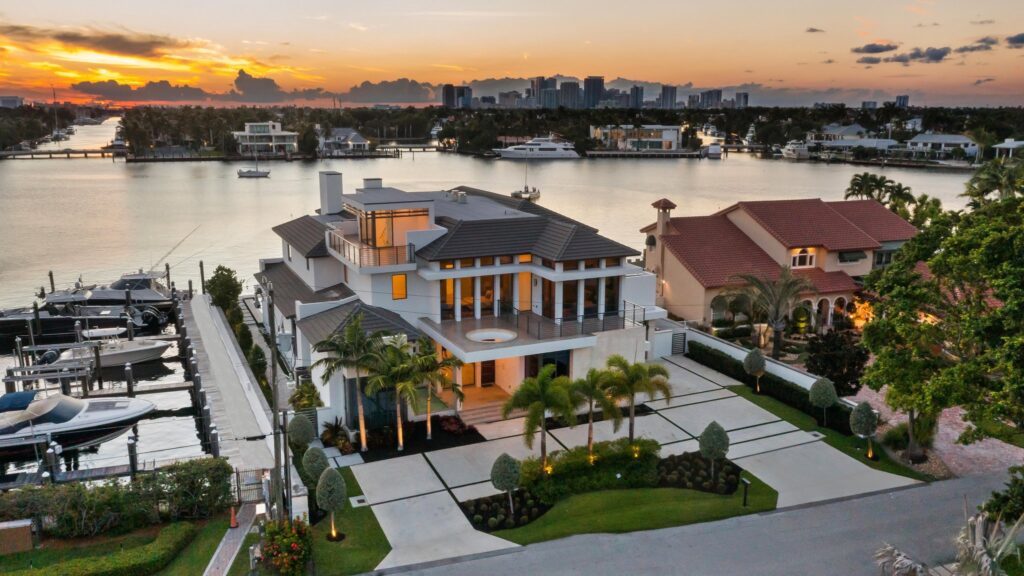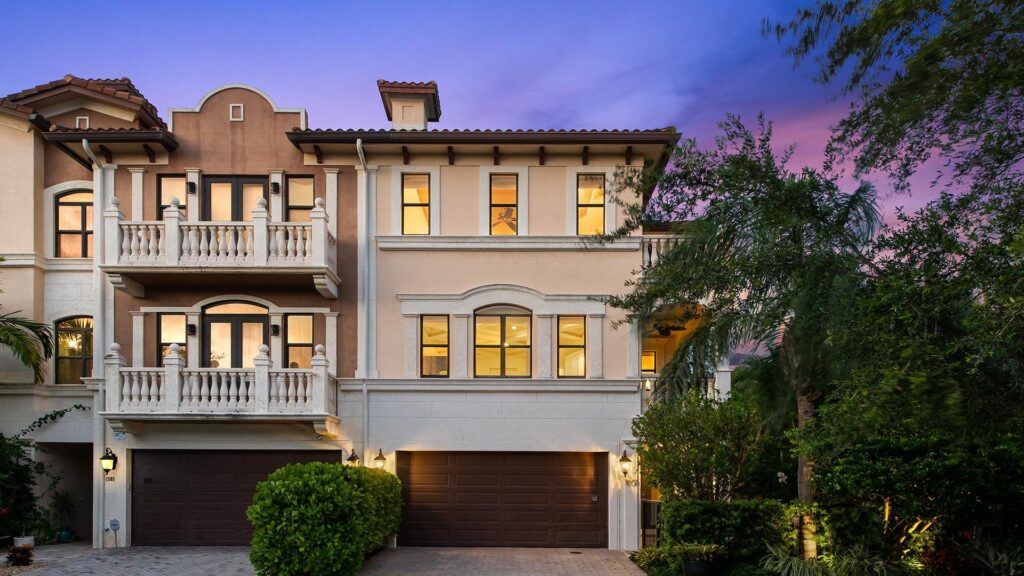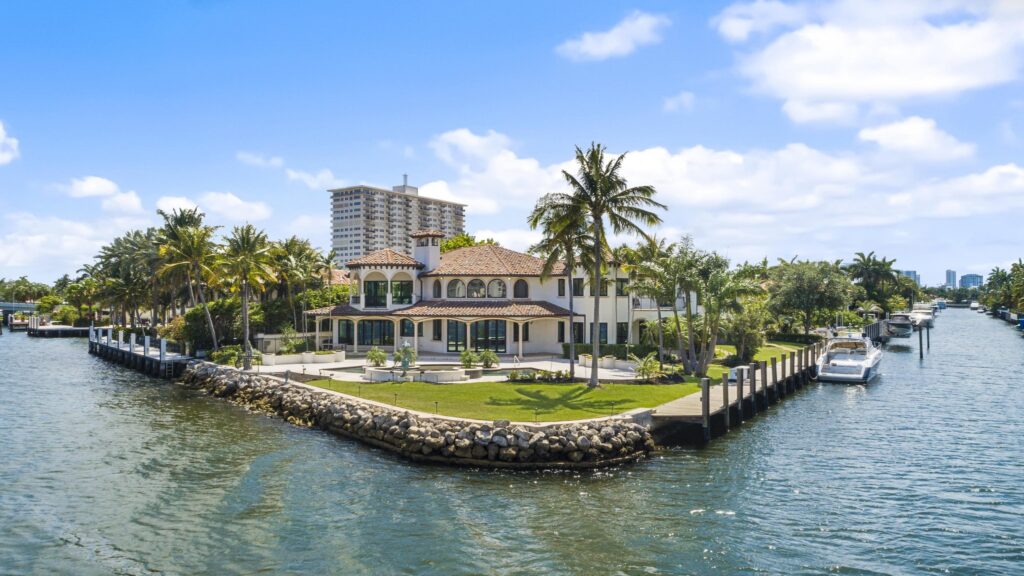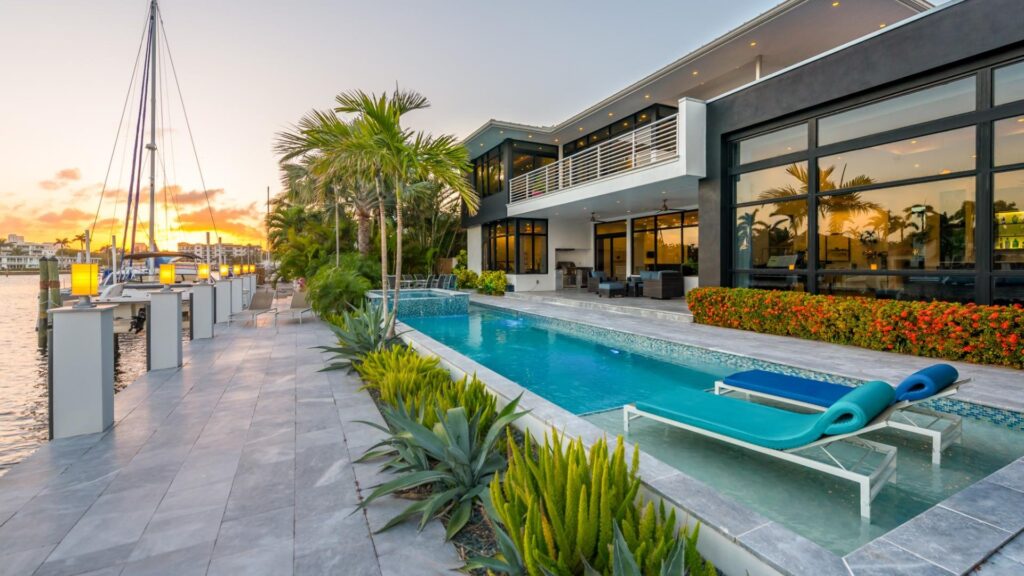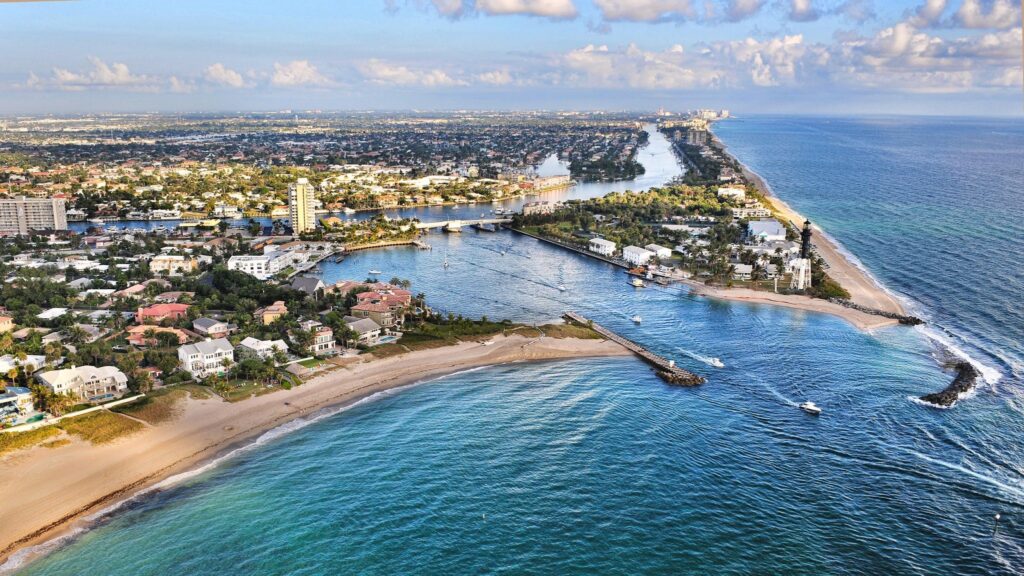


Insurance costs for waterfront homes in Fort Lauderdale typically range from $8,000 to $20,000 annually for canal-front homes, $12,000 to $30,000 for Intracoastal properties, and $18,000 to $50,000+ for direct oceanfront luxury homes.
These figures combine homeowners insurance and flood insurance, which are two separate policies most lenders require. Buyers who budget only for the mortgage payment without factoring in insurance are frequently surprised at closing.
Why Are Insurance Costs Higher for Waterfront Homes?
Waterfront homes in Fort Lauderdale carry higher insurance premiums because they sit in FEMA-designated flood zones. Properties in these zones face mandatory flood insurance requirements from lenders, greater wind and storm exposure than inland properties, and higher replacement cost valuations tied to waterfront land values and luxury construction materials.
Florida’s insurance market has tightened significantly since 2022 following multiple carrier exits and rate increases across the state.
Waterfront properties in Broward County are among the most directly affected because of their proximity to both storm surge risk and high-water-table flood exposure (Florida Office of Insurance Regulation).
What Are the Average Insurance Costs for Waterfront Homes in Fort Lauderdale?
Costs vary substantially by waterfront category. The three primary categories in Fort Lauderdale and what buyers typically pay:
Canal-Front Homes
Canal-front homes in Fort Lauderdale generally carry combined annual insurance costs of $8,000 to $20,000. These properties sit in flood zones but are protected from direct ocean exposure.
Elevation certificate ratings, construction year, and roof condition are the primary variables within this range.
A newer home with an updated roof and a favorable elevation rating will sit at the lower end. A 1960s canal-front home with an older roof and a low base flood elevation will sit toward the upper end or above it.
Intracoastal Waterfront Homes
Intracoastal properties face higher exposure than canal-front homes because of their direct water frontage on a navigable waterway connected to the ocean. Annual combined costs typically range from $12,000 to $30,000.
Wind mitigation credits from updated impact windows and roofing systems can meaningfully reduce these figures. Buyers should request a wind mitigation inspection report as part of due diligence before closing.
Oceanfront Luxury Homes
Direct oceanfront properties in neighborhoods like Harbor Beach and Las Olas Isles carry the highest insurance costs in Fort Lauderdale.
Combined annual premiums of $18,000 to $50,000+ are common. High-net-worth buyers purchasing homes at $3 million and above often work with specialty carriers rather than standard homeowners policies.
These surplus lines carriers provide higher coverage limits and broader protection but require different underwriting and documentation.
What Factors Drive Waterfront Insurance Costs Up or Down?
Six factors account for the majority of premium variation within each waterfront category:
Elevation certificate rating. A home with a base flood elevation well above the FEMA flood zone requirement qualifies for lower National Flood Insurance Program (NFIP) premiums. Buyers should always request the seller’s current elevation certificate.
Roof age and construction type. Florida insurers apply significant discounts for homes with roofs replaced in the past 10 to 15 years and constructed to current Miami-Dade or Broward County wind standards. A roof over 20 years old may trigger premium surcharges or coverage restrictions.
Impact windows and doors. Wind mitigation features reduce the wind component of homeowners insurance. Savings vary by carrier but can reduce annual premiums by $1,500 to $4,000 on waterfront properties, where wind exposure is rated highest.
Year built. Homes built before 1994 in Florida predate the modern building code revisions that followed Hurricane Andrew.
Insurers apply higher rates to pre-1994 construction as a baseline risk adjustment. Substantial renovations can partially offset this but require documentation.
FEMA flood zone designation. Zone AE and VE properties require mandatory flood insurance and have higher NFIP rates than Zone X properties. Buyers should verify the exact flood zone for any property before making an offer at msc.fema.gov.
Claims history on the property. A property with multiple prior flood or wind claims may face carrier restrictions, higher deductibles, or coverage caps.
Request a CLUE report (Comprehensive Loss Underwriting Exchange) as part of standard due diligence.
What Is the Difference Between Flood Insurance and Homeowners Insurance?
These are two separate policies, and most waterfront buyers in Fort Lauderdale need both. Homeowners insurance covers wind damage, fire, theft, and liability.
It does not cover flood damage. Flood insurance covers damage from rising water, storm surge, and flood events. You can purchase it through NFIP or a private flood carrier.
NFIP flood insurance has maximum coverage limits of $250,000 for the structure and $100,000 for contents. Properties valued above those thresholds, which includes most Intracoastal and oceanfront homes in Fort Lauderdale, require excess flood coverage through a private carrier on top of the NFIP base policy. Buyers should budget for both when evaluating total carrying costs.
Does Oceanfront Insurance Cost More Than Intracoastal?
Yes, consistently. Oceanfront properties carry higher wind exposure ratings, higher storm surge risk designations, and higher replacement costs than Intracoastal properties.
The VE flood zone designation that applies to many oceanfront properties also carries higher NFIP premium rates than the AE designation that applies to most Intracoastal homes.
The gap narrows for Intracoastal properties with older construction, poor elevation ratings, or claims history. A 1970s Intracoastal home with a flat roof and a prior flood claim may cost more to insure than a newer oceanfront home with impact glass, a recent roof, and a favorable elevation certificate.
How Does Home Age Affect Waterfront Insurance in Fort Lauderdale?
Home age is one of the most significant rating factors for Fort Lauderdale waterfront properties. Insurers sort homes by construction era, with the main dividing lines at 1994 (Hurricane Andrew building code changes) and the mid-2000s (post-2004-season code improvements).
Pre-1994 waterfront homes pay meaningfully higher base premiums. Post-2000 construction with documented wind mitigation features qualifies for the broadest set of discounts.
Buyers purchasing pre-1994 waterfront homes should budget for potential roof replacement as part of acquisition costs since many carriers now decline coverage or add large deductibles on roofs over 20 years old regardless of apparent condition.
How Can Buyers Reduce Waterfront Home Insurance Costs?
Four steps that produce the largest reductions:
1. Get an elevation certificate before closing
If the current certificate is outdated or missing, order a new one from a licensed surveyor. A favorable rating can reduce flood premiums by hundreds to thousands annually.
2. Commission a wind mitigation inspection
Document all qualifying features: roof shape, roof-to-wall connections, opening protection, and roof covering. Submit the report to your insurer to apply available credits.
3. Compare NFIP and private flood carriers
Private flood insurance often provides better pricing and higher limits than NFIP for newer, well-constructed waterfront homes. Get quotes from both.
4. Factor insurance costs into your purchase-price negotiation
If a property’s insurance profile is significantly worse than comparable homes, that is a negotiating point. A seller who knows the roof needs replacement before coverage is available is motivated.
For buyers evaluating total costs across waterfront properties, the hidden costs of buying a waterfront home go beyond insurance.
What Should High-Net-Worth Buyers Expect for Insurance?
Buyers purchasing Fort Lauderdale waterfront homes at $3 million and above typically move outside the standard homeowners insurance market. Surplus lines carriers and high-net-worth programs from carriers like Chubb, AIG Private Client, and PURE Insurance offer broader coverage terms, agreed value rather than replacement cost settlements, and higher liability limits.
These programs also require more documentation: professional appraisals, itemized contents inventories for high-value personal property, and sometimes third-party risk assessments for properties in the highest flood and wind exposure zones.
Buyers in Las Olas Isles and direct oceanfront corridors should expect to work with a surplus lines broker rather than a standard retail insurance agent.
The annual premium at this tier can exceed $50,000 when combining homeowners, flood, umbrella liability, and contents coverage. Budget accordingly when comparing total carrying costs with the purchase price.
Your Insurance Quote Will Tell You a Lot About the Property. So Will We.
High premiums on a waterfront home are sometimes a warning sign, not just a cost. The Dotoli Group reviews elevation certificates, flood zone designations, and claims history with every buyer before an offer goes in. Ranked #1 Fort Lauderdale Large Team, RealTrends Verified 2026.