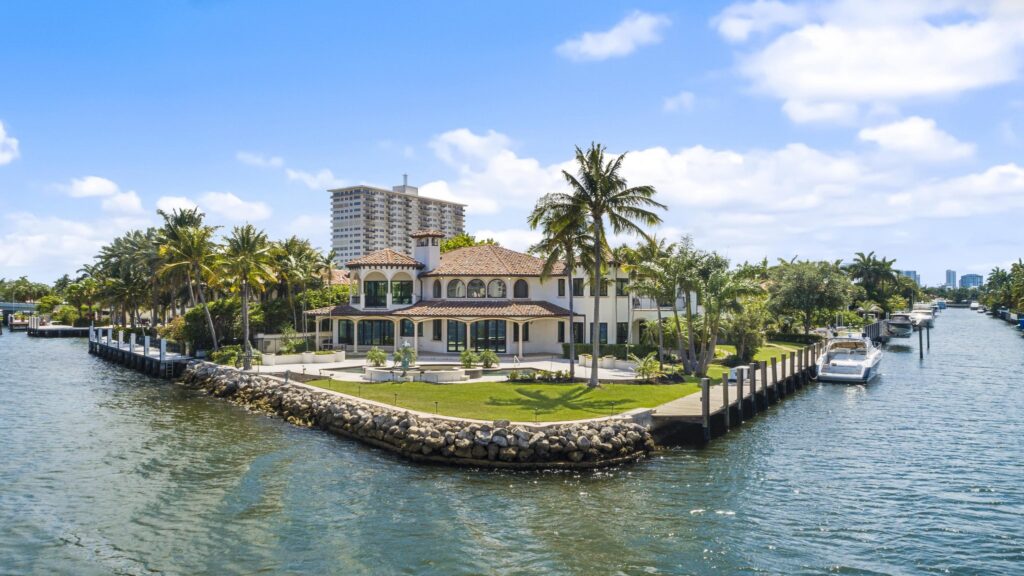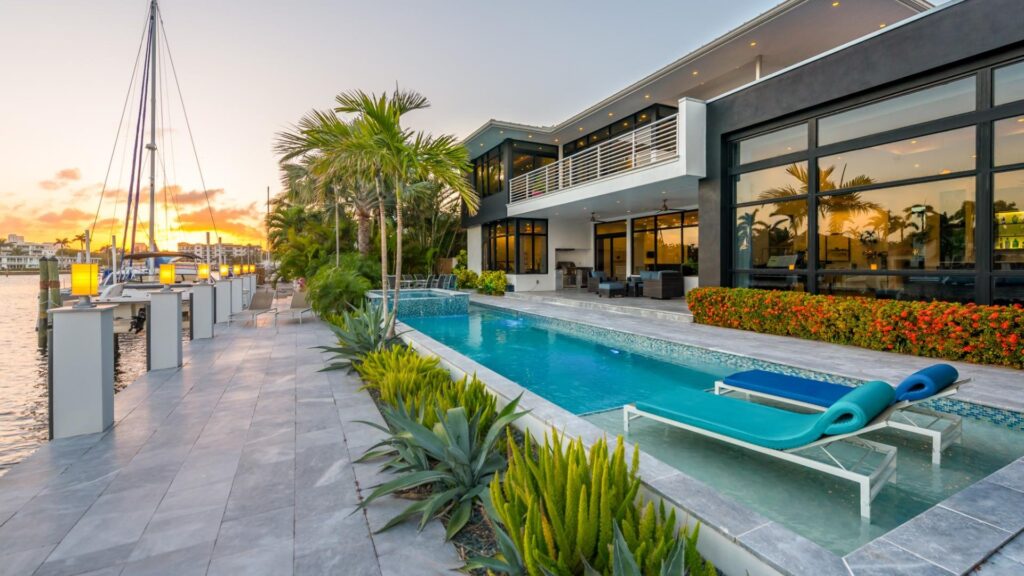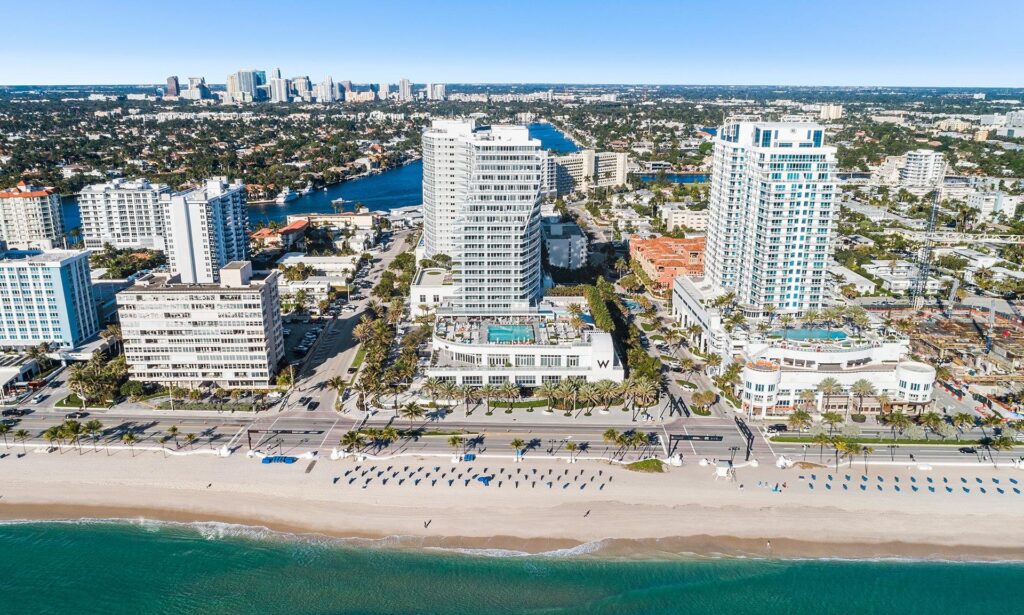

Fort Lauderdale has more than 165 miles of navigable waterways. Most homes along them have seawalls built between the 1950s and 1980s. If you are buying a waterfront property here, the seawall is one of the most expensive single components on the lot, and it is the one component that a standard home inspector is not qualified to assess.
A seawall inspection is a separate, specialized evaluation performed by a licensed marine contractor or structural engineer. It costs between $300 and $1,000. It can uncover repair needs ranging from routine maintenance to full replacement costing $20,000 to $100,000 or more.
Scheduling it on Day 1 of your inspection period is not optional. Here is exactly what it covers, what to look for in a qualified inspector, and how to use the findings at the negotiating table.
What Is a Seawall Inspection?
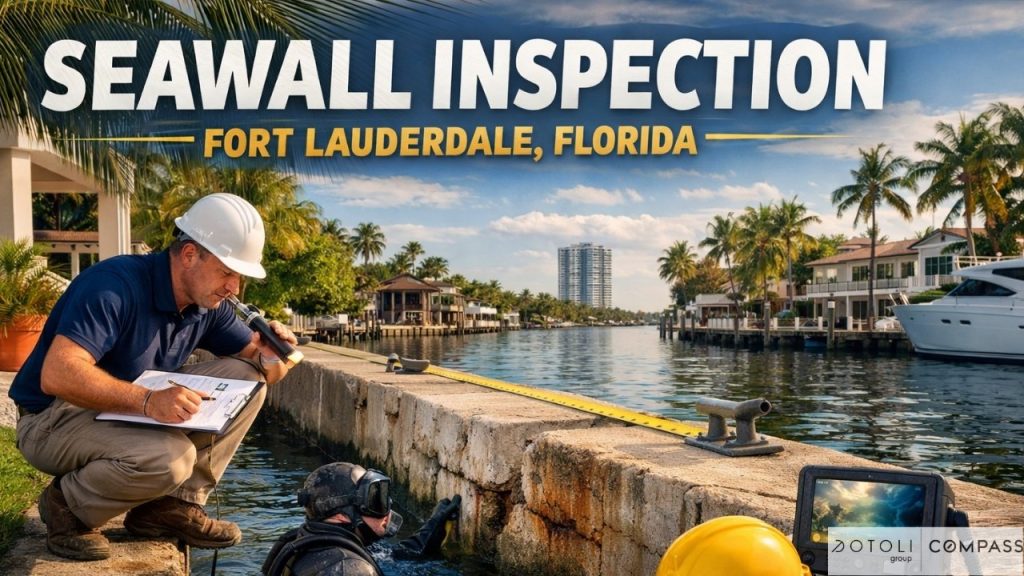
A seawall inspection is a structural evaluation of the barrier wall separating a waterfront property from the body of water. A qualified inspector examines the wall’s physical components, drainage function, anchoring system, and the soil conditions behind it.
The goal is to determine whether the wall is structurally sound, how many years of useful life remain, and what repairs or maintenance it needs.
A standard home inspection does not include a seawall evaluation. General home inspectors aren’t trained in marine structures and aren’t licensed in Florida to assess them. You need a separate specialist, and you need to book them early.
What a qualified inspector actually checks:
- Cap integrity: the concrete cap running along the top of the wall. Cracks or spalling in the cap expose the rebar and panel joints beneath to saltwater.
- Panel condition: the wall panels themselves, typically concrete, steel, or vinyl. The inspector looks for cracks, bowing, displacement, and corrosion.
- Tiebacks and deadman anchors: steel rods running from the wall back through the soil to a buried anchor. Failed tiebacks allow the wall to lean or collapse. They are invisible from the surface, so inspectors use probing, visual cues, and experience to assess them.
- Weep holes: small drainage openings in the wall that relieve hydrostatic pressure. Blocked weep holes cause water to build up behind the wall, accelerating failure.
- Soil void detection: probing behind the wall to identify voids left by erosion. A void means soil has already migrated through or under the wall into the water. This is a serious structural concern.
- Dock and fender condition (if applicable): Where the seawall meets a dock, the inspector checks connections, pilings, and any deterioration at the interface.
Why Is a Seawall Inspection Important Before Buying?
What Happens If You Skip a Seawall Inspection?
Skipping a seawall inspection means closing without knowing the structural condition of a component that can cost six figures to replace. The three most common outcomes for buyers who skipped the inspection:
Aging Seawalls
Many Fort Lauderdale seawalls were installed when the neighborhoods were built in the 1950s through 1970s. A seawall’s typical lifespan is 30 to 50 years, depending on materials, maintenance history, and saltwater exposure.
A wall at year 45 may be fine. It may also need immediate intervention. You cannot tell from a visual inspection without the right credentials, and you cannot tell at all without getting behind the cap.
Saltwater Exposure
South Florida’s saltwater environment accelerates corrosion faster than freshwater systems. Steel tiebacks and rebar inside concrete panels oxidize, expand, and crack the surrounding material from the inside. This damage isn’t visible from the surface. A home inspector walking the seawall cap won’t catch it.
High Repair Costs
Full seawall replacement in Broward County runs $1,000 to $1,500 per linear foot based on current contractor estimates. A standard 60-linear-foot lot costs $60,000 to $90,000 to replace.
Panel repairs, tieback replacement, and cap work are less expensive but still range from $5,000 to $30,000 depending on the extent. You need these numbers before you close, not after.
What Are the Signs of a Failing Seawall?
These are the indicators a buyer can observe during a showing. Seeing one or more of these doesn’t mean the wall is failing, but it does mean an inspection is essential before making an offer or removing contingencies.
- Visible cracks running horizontally or diagonally along the wall panels
- The wall leaning toward the water or showing any displacement from vertical
- Soil subsidence or sinkholes near the base of the wall on the property side
- Rust staining on the wall face (indicates corroding rebar inside the panel)
- Water pooling against the wall on the land side after rain
- Missing or blocked weep holes
- Cap that is cracked, spalling, or has sections missing
- Dock pilings that have shifted position relative to the seawall
If you see two or more of these during a showing, factor a potential seawall replacement into your offer price before you submit, not after the inspection report comes back.
How Does a Seawall Inspection Help You as a Buyer?
The inspection report gives you three things: a condition assessment, a cost-to-cure estimate, and a negotiating position. All three have direct financial value.
During the inspection period: If the inspector identifies repair needs above your threshold, you can request a price reduction, a repair credit, or cancellation of the contract entirely. Under Florida’s As-Is contract, the buyer retains the right to cancel during the inspection period for any reason. A $40,000 seawall repair estimate is a legitimate basis for renegotiating a $2 million offer.
At closing and beyond: Even if the inspection comes back clean, you’ll have documentation of the wall’s condition at the time of purchase. That helps with insurance, future maintenance planning, and your own sale disclosure when you eventually sell.
A note on timing: Most licensed marine contractors in Broward County need 3 to 5 business days to schedule and complete a seawall inspection. Book on Day 1 or Day 2 of your 15-day inspection period. Waiting until Day 10 leaves no room to renegotiate or get a second opinion.
For a broader look at all the inspections and due diligence items involved in buying waterfront in Fort Lauderdale, see buying a waterfront home in Fort Lauderdale.
How Much Does a Seawall Inspection Cost in Fort Lauderdale?
A seawall inspection in Fort Lauderdale typically costs between $300 and $1,000, depending on the wall’s length, the property’s complexity, and whether the inspector uses probing equipment to assess soil conditions behind the wall. Some inspectors charge a flat rate for a standard residential lot; others charge by the linear foot.
For a $1.5 million to $3 million waterfront property, a $1,000 inspection fee is not a rounding error. It is the lowest-cost risk management available in the transaction.
If the inspection identifies major concerns, you will likely want a second opinion from a different marine contractor before renegotiating. Budget $600 to $1,500 for the second assessment. Together, the two estimates give you a defensible cost-to-cure range for negotiation.
How Do You Find a Qualified Seawall Inspector in Fort Lauderdale?
The most important credential to verify is a Florida Certified General Contractor license with marine or seawall experience, or a Professional Engineer (PE) license with structural marine experience.
The Florida Department of Business and Professional Regulation (DBPR) license lookup at myfloridalicense.com lets you verify any contractor’s active license status before you hire them.
Ask every candidate these three questions before you book:
- Do you carry general liability and errors and omissions insurance? (If no, keep looking.)
- How many seawall inspections have you done in Broward County in the past 12 months?
- Does your inspection report include a remaining-useful-life estimate and a cost-to-cure figure?
Your real estate agent should have a short list of licensed marine contractors they have worked with on previous transactions in the specific neighborhood you are buying in.
Canal depth, water chemistry, and typical construction era vary by neighborhood, and an inspector familiar with Las Olas Isles seawalls from the 1960s is more useful than a general marine contractor unfamiliar with the local inventory.
If you are working with the team at Dotoli Group, we can connect you with inspectors who have worked on seawalls in the specific neighborhoods we sell in most frequently.
Should You Inspect the Dock Too?
Yes. If the property has a dock, have it inspected at the same time as the seawall. Docks share structural components with the seawall, and a licensed marine contractor can typically assess dock condition during the same visit for a modest additional fee.
Dock inspection covers: piling condition and depth, decking integrity, electrical systems (a serious safety issue on many older docks), lift condition if present, and any FDEP or Army Corps of Engineers permit compliance issues. Unpermitted dock additions are a title and financing risk that is much easier to resolve before closing than after.
For properties with significant dock and boat storage infrastructure, see tips for waterfront property buyers in Fort Lauderdale for the full due diligence checklist.
Frequently Asked Questions
Do I need a seawall inspection before buying a waterfront home in Fort Lauderdale?
Yes. Standard home inspections do not cover seawall structural integrity, and hidden seawall damage can result in $20,000 to $100,000 or more in repairs after closing.
A seawall inspection is a separate evaluation by a licensed marine contractor and should be scheduled on Day 1 of your inspection period.
How long does a seawall last in Fort Lauderdale?
Seawalls in Fort Lauderdale typically last 30 to 50 years, depending on materials, maintenance history, and saltwater exposure.
Concrete seawalls in South Florida corrode faster because of salt, moisture, and the subtropical climate. A wall approaching or past 40 years should be evaluated by a licensed marine contractor before purchase.
How much does a seawall inspection cost in Fort Lauderdale?
Seawall inspections in Broward County typically cost $300 to $1,000 for a standard residential lot. The cost depends on wall length, property complexity, and whether the inspector uses probing equipment to assess soil void conditions behind the wall.
Who pays for seawall repairs when buying a home?
Repair responsibility is negotiable. Once an inspection identifies repair needs, buyers can request a price reduction, a repair credit at closing, or a seller-completed repair before closing. Under Florida’s As-Is contract, buyers can also cancel during the inspection period if the repair cost is unacceptable.
How do I find a qualified seawall inspector in Fort Lauderdale?
Look for a Florida-licensed marine contractor or structural engineer with PE credentials and documented Broward County experience. Verify their license is active at myfloridalicense.com.
Ask for proof of general liability and errors and omissions insurance. Your real estate agent should have referrals from previous waterfront transactions in your target neighborhood.
How long does a seawall inspection take?
On-site, a standard residential seawall inspection takes 1 to 2 hours. Written reports are typically delivered within 2 to 3 business days.
Because most Broward County marine contractors need 3 to 5 business days to schedule an appointment, book your inspector on Day 1 of your 15-day inspection period to preserve your full negotiating window.
Buying a Waterfront home in Fort Lauderdale
Buying a waterfront home in Fort Lauderdale is one of the most significant purchases you will make. The due diligence process is more involved than a standard residential purchase, and skipping steps shows up in the years after closing.
Josh Dotoli has represented buyers and sellers on waterfront properties throughout Fort Lauderdale’s canal neighborhoods and knows which inspections matter most for each property type.
Contact the Dotoli Group team to talk through a specific property or get a referral to a licensed seawall inspector for a property you are evaluating.