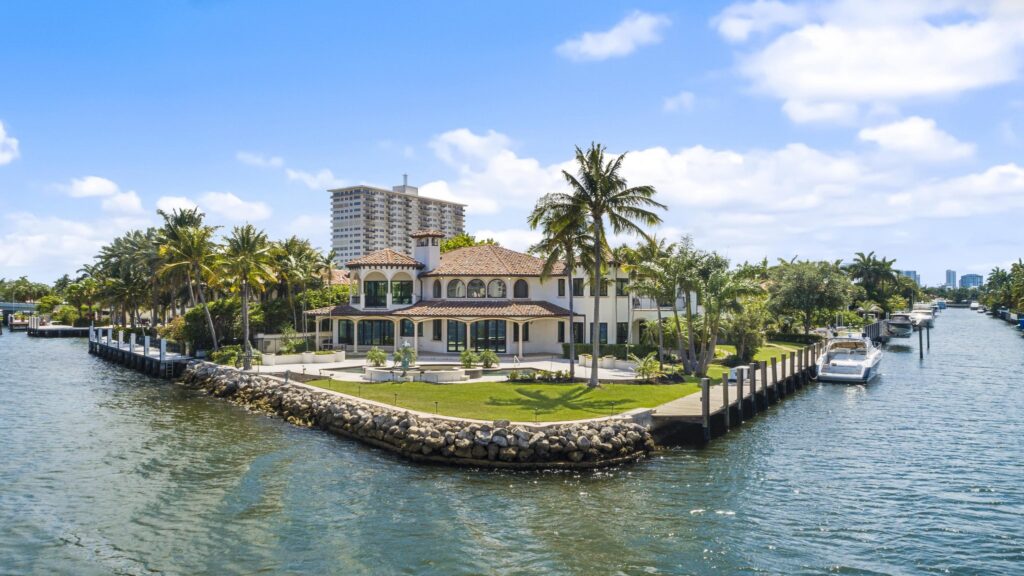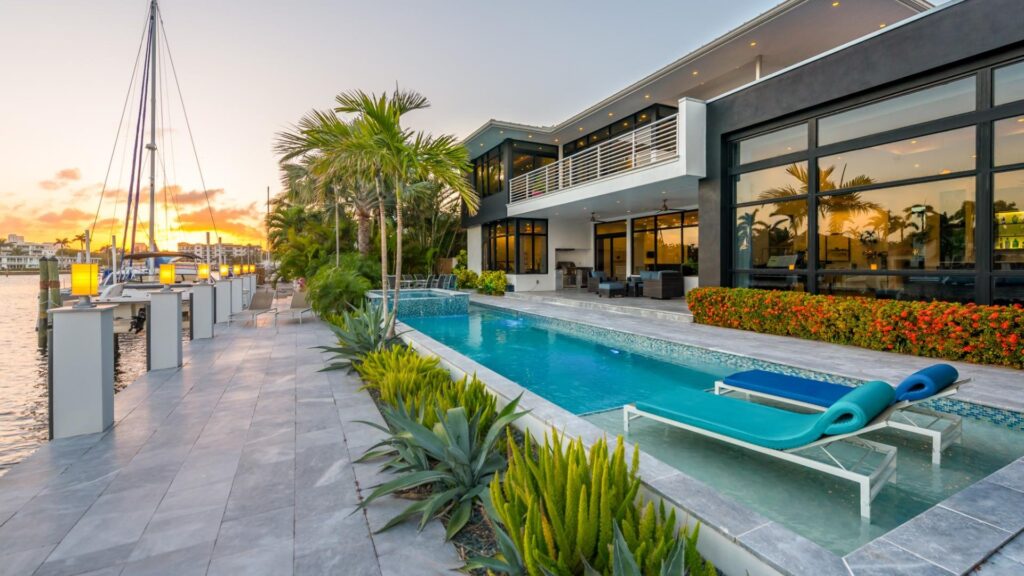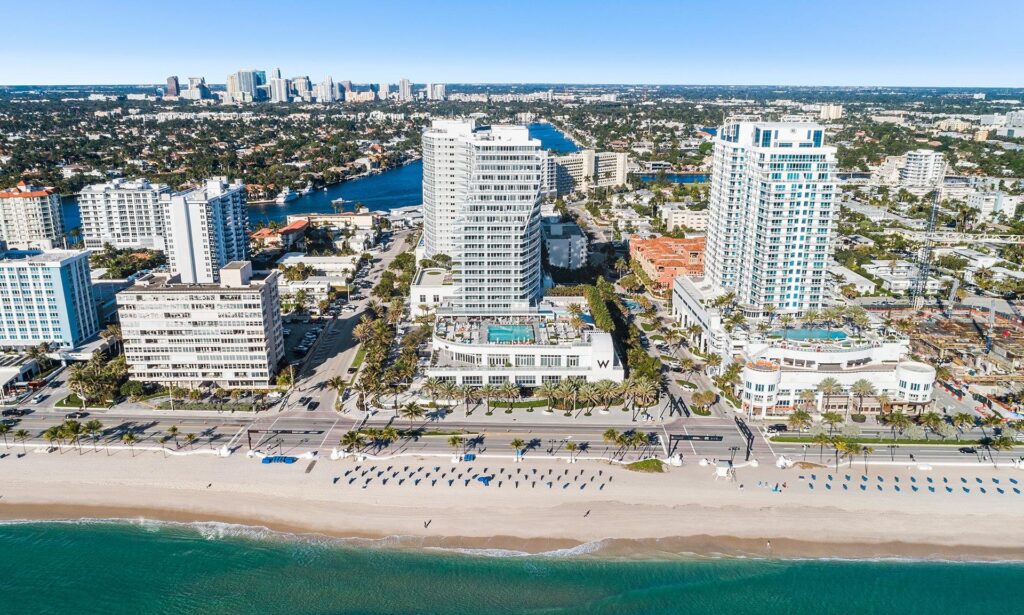
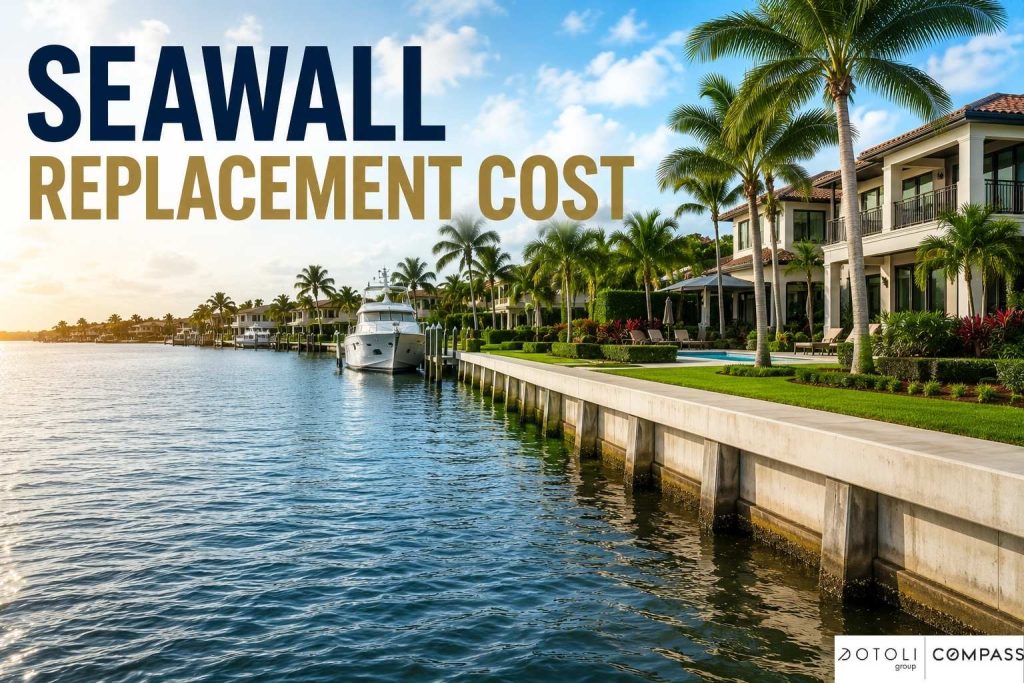

Seawall replacement in Fort Lauderdale costs $1,500 to $2,500 or more per linear foot. A standard 80 to 100 linear foot lot runs $120,000 to $250,000 total, covering demolition, new panels, tiebacks, cap, and permitting. Concrete runs higher than vinyl. Point lots and corner properties with more frontage cost significantly more.
If you just received a bad seawall inspection report on a Fort Lauderdale waterfront property, that is the number you need before you decide to walk away or renegotiate. National averages are not useful here. South Florida’s saltwater canal environment, barge-dependent access, multi-agency permitting, and tight marine contractor market all push costs above what you will read on a general home improvement site
Why Is Seawall Replacement So Expensive in Fort Lauderdale?
Fort Lauderdale’s marine construction costs reflect conditions that do not exist in most other markets. Several factors push prices higher here than national averages suggest.
Saltwater Environment
Saltwater accelerates corrosion of steel tiebacks, anchors, and rebar inside concrete panels far faster than freshwater conditions. Marine-grade materials and coatings required in South Florida cost more than standard construction equivalents, and the labor to work in a tidal saltwater environment commands a premium.
Permitting Requirements
Every seawall replacement in Fort Lauderdale requires permits from the City of Fort Lauderdale Building Services, the Florida Department of Environmental Protection, and in most cases the Army Corps of Engineers.
Engineering drawings, a licensed marine contractor, and permit fees add $5,000 to $15,000 or more to the project cost before any physical work begins.
Tidal Access and Working Conditions
Marine contractors in Fort Lauderdale work around tidal windows, boat traffic, and residential canal access. Mobilizing equipment into a residential finger canal, working around neighboring docks, and managing debris in a navigable waterway all add time and cost that a standard construction project would not incur.
How Much Does a Seawall Cost Per Linear Foot in Fort Lauderdale?
Seawall cost per linear foot in Fort Lauderdale varies by material. Here is the current range for the two most common options in the Fort Lauderdale canal system.
Concrete Seawall Replacement Cost
Concrete is the most common seawall material in Fort Lauderdale’s older canal neighborhoods, including Coral Ridge, Rio Vista, and Las Olas Isles. Replacing a concrete seawall typically costs $1,500 to $2,200 per linear foot in Fort Lauderdale’s current marine construction market.
Concrete replacement involves driving new precast concrete panels into the canal bottom, installing new steel tiebacks anchored into the upland soil, and pouring a new reinforced concrete cap. The cap alone can run $50 to $100 per linear foot and is often replaced at the same time as the panels.
Vinyl Seawall Replacement Cost
Vinyl sheet pile seawalls have become increasingly common for replacements in Fort Lauderdale because they resist saltwater corrosion without the rebar degradation problem that eventually affects concrete. Replacement typically costs $1,200 to $2,000 per linear foot installed.
It costs less per linear foot than concrete in most cases, but the total project cost depends heavily on the tieback and anchor system required for the specific soil conditions at the property. Sandy or loose soils require longer or more numerous tiebacks, which adds cost regardless of panel material.
What Drives the Final Number Higher
Several factors push seawall replacement costs toward the top of these ranges or beyond them.
Soil conditions: properties with loose, sandy, or previously disturbed soil behind the seawall require more extensive tieback systems and sometimes soil stabilization work before panels can be installed.
Seawall height: the City of Fort Lauderdale’s tidal barrier ordinance requires new seawalls and major replacements to meet a minimum height of 5 feet NAVD, raised from the previous 3.9 feet NAVD standard. If the existing wall was lower, the replacement must go higher, which increases material and installation cost.
Access: properties on narrow finger canals with limited barge access or homes with extensive landscaping close to the seawall face higher mobilization and demolition costs.
Existing dock: if the dock is attached to or dependent on the seawall, it typically must be removed and rebuilt as part of the replacement, adding dock reconstruction costs to the project budget.
Seawall Repair vs. Replacement in Fort Lauderdale: How Do You Know Which You Need?
Seawall repair vs. replacement in Fort Lauderdale is the decision that determines whether you are facing a $30,000 fix or a $200,000 project. The distinction is not always obvious from a visual inspection and requires a licensed marine contractor or coastal engineer to assess properly.
When Repair Is the Right Call
Seawall repair is appropriate when the wall is structurally sound overall but has localized damage. Typical repair scenarios include hairline cracks injected with epoxy or polyurethane grout, minor spalling on the concrete face, small sections of exposed rebar that can be treated and patched, and isolated panel failures where one or two sections have shifted. At the same time, the rest of the wall holds alignment and has intact tiebacks.
Repair costs in Fort Lauderdale typically run $500 to $1,000 per linear foot for the affected sections, significantly less than full replacement. A repair that addresses the actual failure points on a 20-foot section of an otherwise sound wall is a very different financial situation than full replacement.
When Replacement Is the Only Option
Replacement is required when the wall has lost structural integrity across a meaningful portion of its length, when tiebacks have failed and cannot be effectively replaced without full panel removal, when the wall leans, bows, or has shifted significantly from original position, or when damage exceeds 50 percent of the total structure.
That 50 percent threshold matters for a specific reason. The City of Fort Lauderdale’s tidal barrier ordinance requires a full replacement to current height standards when damage exceeds 50 percent of the structure. If an inspector determines the wall is more than 50 percent compromised, a repair is not a permitted option. The city requires full replacement to the current 5-foot NAVD minimum.
The Grey Zone
The most difficult scenarios are walls in the 30 to 50 percent damage range. A contractor motivated to sell a full replacement may assess these as requiring replacement.
A repair-focused contractor may argue for patching. Getting two independent assessments from licensed marine contractors, or hiring a coastal engineer for a third-party opinion, is the right move in this range before committing to either path.
Read our seawall inspection schedule guide for a full breakdown of what inspectors look for and how to interpret inspection findings.
What Should You Do If a Seawall Fails Inspection Before Closing?
This is the scenario most buyers are not prepared for. You are under contract on a Fort Lauderdale waterfront home, the inspection comes back with a seawall failure, and you have a decision to make before your inspection contingency expires.
Get a Contractor Quote Immediately
Do not negotiate without a number. Contact two licensed marine contractors and request quotes for either repair or replacement depending on what the inspector found.
Most contractors can provide a preliminary estimate within a few days for a standard residential property. You need a dollar figure before you can have a productive conversation with the seller.
Understand Your Leverage
A failed seawall is a significant negotiating point in any Fort Lauderdale waterfront transaction. Sellers who want to close have three realistic options: reduce the purchase price by the estimated repair or replacement cost, place funds in escrow to cover the work post-closing, or complete the remediation themselves before closing with contractor documentation. None of these is automatic. Your agent needs to drive the negotiation.
Know When to Walk
If the replacement cost represents a meaningful percentage of the purchase price, if the property’s value post-repair does not justify the combined cost, or if the seller is unwilling to negotiate, walking away during the inspection contingency period is the right financial decision.
A seawall that needs full replacement is not a manageable surprise for most buyers. It is a project that needs to be priced into the deal or excluded from it entirely.
Read our full waterfront buying guide for the complete due diligence checklist, and our point lot guide to understand how seawall footage on corner properties affects total replacement cost.
What Factors Drive Seawall Replacement Cost Up or Down?
Factors That Increase Cost
- Point lots and corner properties with more linear footage
- Properties requiring seawall height upgrade to meet current 5-foot NAVD ordinance standard
- Narrow finger canals with limited barge access
- Loose or sandy soil requiring extended tieback systems
- Dock removal and rebuild required as part of the project
- Existing landscaping, structures, or utilities close to the seawall
Factors That Reduce Cost
- Shorter seawall runs on standard single-frontage lots
- Properties already at or above current height requirements
- Good barge access from a wide canal
- Stable compacted soil behind the wall requiring standard tieback depth
- Vinyl replacement chosen over concrete where soil conditions allow
Our deepwater canal guide explains how canal type affects both barge access and the total scope of a seawall project.
Frequently Asked Questions
How much does seawall replacement cost in Fort Lauderdale?
Seawall replacement in Fort Lauderdale costs $1,500 to $2,500 or more per linear foot. A standard 80 to 100 linear foot lot runs $120,000 to $250,000 before permits and engineering. Point lots and corner properties with more frontage cost significantly more.
How much does a seawall cost per linear foot in Florida?
Concrete seawall replacement runs $1,500 to $2,200 per linear foot in Fort Lauderdale. Vinyl seawall replacement runs $1,200 to $2,000 per linear foot. Costs vary based on soil conditions, canal access, required wall height, and whether dock removal is needed.
How do I know if I need seawall repair or full replacement?
Localized cracks, minor spalling, and isolated panel shifts are typically repairable at $500 to $1,000 per linear foot for affected sections. Structural failure across more than 50 percent of the wall requires full replacement under Fort Lauderdale’s tidal barrier ordinance. Get two contractor assessments before deciding.
What triggers mandatory seawall replacement in Fort Lauderdale?
The City of Fort Lauderdale requires full replacement when damage exceeds 50 percent of the structure, when tidal water breaches the wall and affects neighboring property, or when building new. Replacement must meet the current minimum height of 5 feet NAVD under the city’s tidal barrier ordinance.
Can I negotiate a seawall replacement with the seller before closing?
Yes. A failed seawall inspection is a legitimate basis to request a price reduction, seller-funded repair, or escrow holdback. Get contractor quotes before negotiating so you have a specific dollar figure to anchor the conversation.
How long does seawall replacement take in Fort Lauderdale?
Permitting alone takes 60 to 90 days in most cases. Physical replacement of a standard residential seawall typically takes 2 to 4 weeks of construction once permits are issued. Total project timeline from decision to completion is commonly 4 to 6 months.
Talk to Dotoli Group Before You Walk Away or Sign Off
A failed seawall inspection does not automatically mean you should walk away from a Fort Lauderdale waterfront property. It means you need the right numbers and the right agent to negotiate with them.
Dotoli Group has handled waterfront transactions across every major canal neighborhood in Fort Lauderdale and knows how to price seawall risk into a deal, when to push for a seller concession, and when the numbers genuinely do not work.
If you are under contract on a waterfront home and received a seawall inspection you are not sure how to interpret, contact us before your contingency period expires. Or if you are still searching, explore our neighborhood guide to find properties where the seawall inventory is strongest.