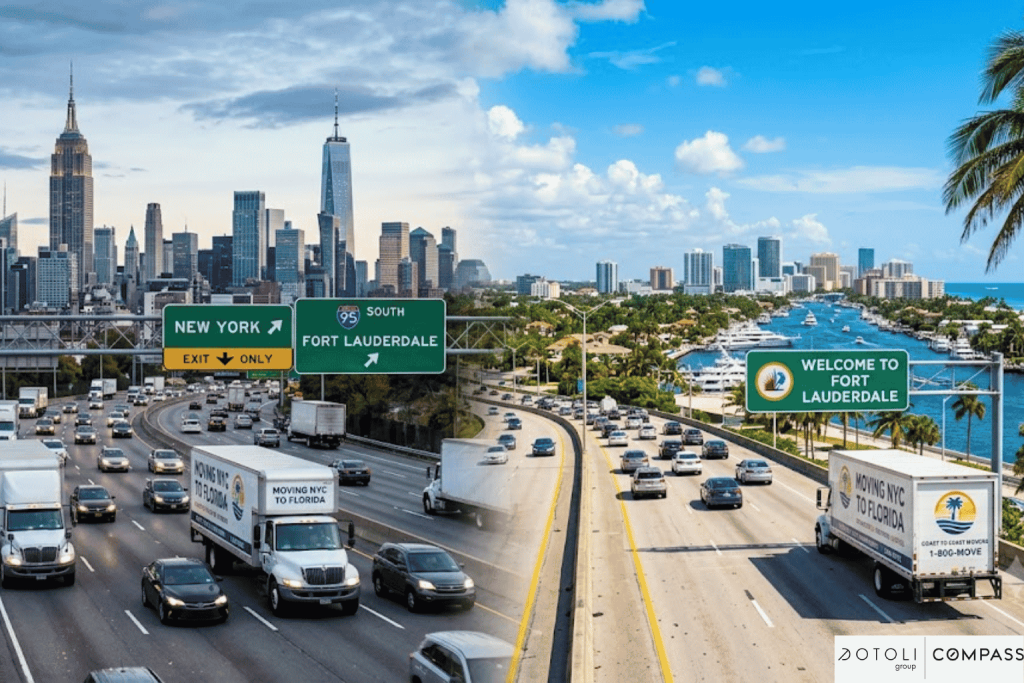

If you are seriously considering moving from New York to Fort Lauderdale, you are part of one of the largest and most financially significant relocation trends in the country. New York remains the largest single out-of-state source of new residents for Southeast Florida, and Fort Lauderdale is one of the top destinations in that wave.
Buying a home here after years in New York comes with real differences in taxes, property costs, insurance, and the buying process itself. Here is what you need to know before you make an offer.
Quick Answer
New Yorkers moving to Fort Lauderdale can eliminate state income tax, since Florida has none, while New York’s top rate reaches 10.9%. Property tax burdens are also lower in Florida, with effective rates running below New York’s, though buyers should budget for higher homeowners and flood insurance costs unique to South Florida.
Why Are So Many New Yorkers Moving to Fort Lauderdale?
According to the latest IRS migration data, published June 2, 2026, Florida posted the largest interstate adjusted gross income gain of any state at $20.6 billion, while New York posted the largest loss of any state at $9.9 billion, in the most recent tax year reported, according to Florida Realtors’ coverage of the IRS data release. New York County, Nassau County, Suffolk County, Kings County, and Queens County are consistently cited as the top origin counties for this migration into Southeast Florida.
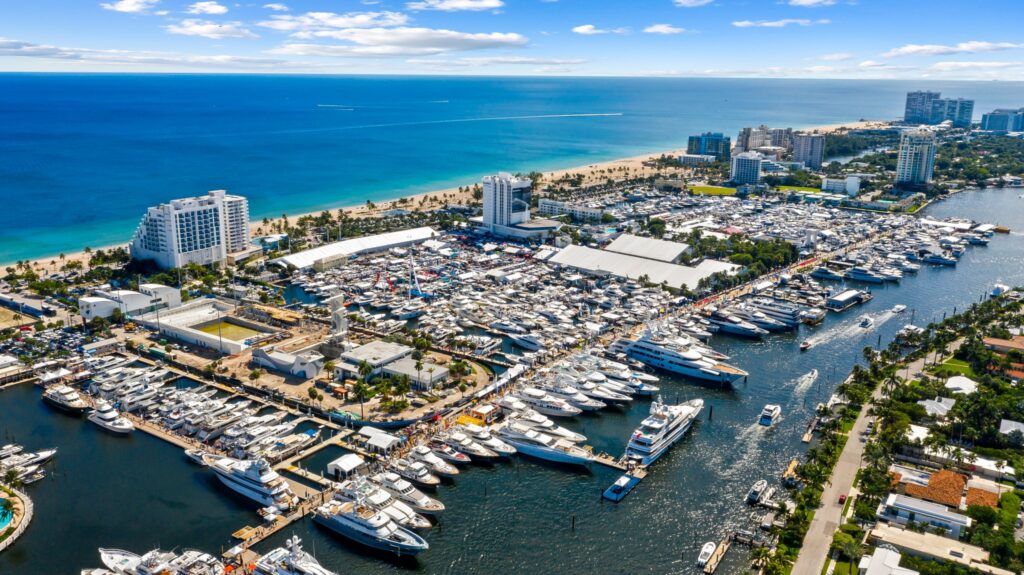
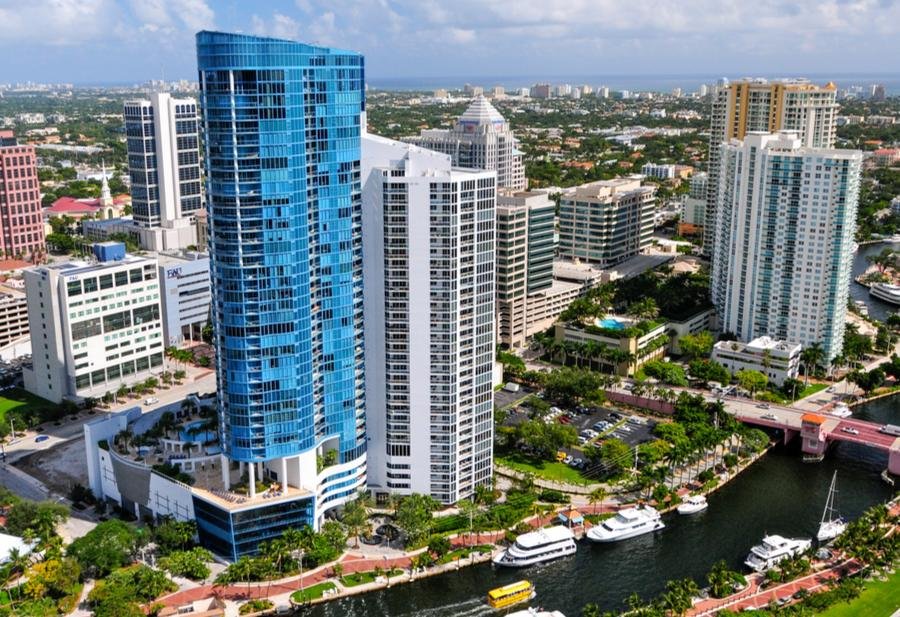
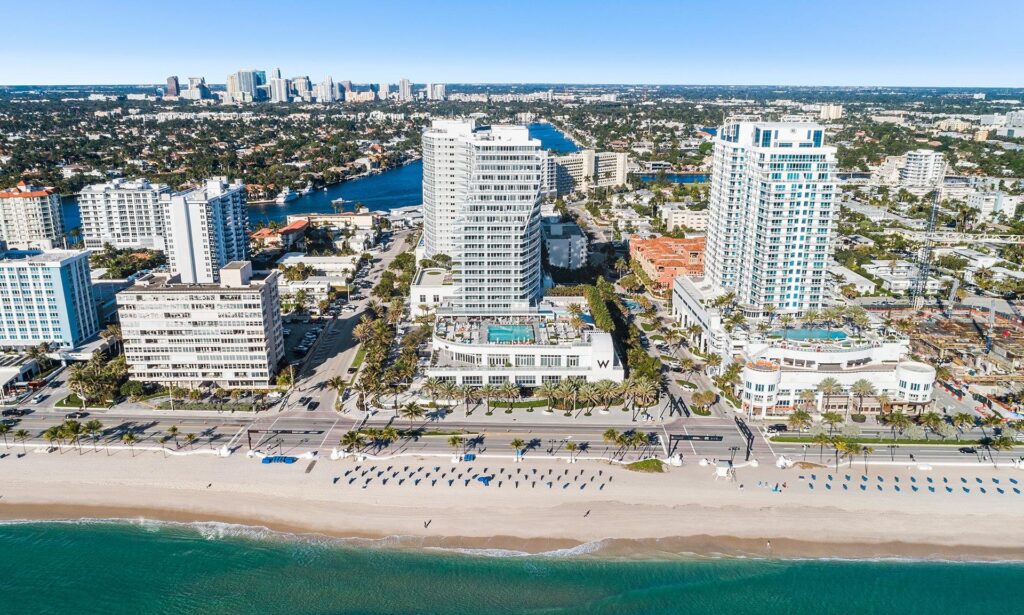
Fort Lauderdale specifically appeals to this buyer because it offers a similar urban-adjacent, walkable lifestyle to parts of New York, combined with boating, beach access, and a significantly lower tax burden. For a broader look at what makes the city appealing beyond the numbers, see our guide to whether Fort Lauderdale is a good place to live.
How Much Can You Actually Save in Taxes Moving from New York to Fort Lauderdale?
The savings depend heavily on income level, but they are substantial for most New York transplants. New York’s top state income tax rate reaches 10.9%, the highest marginal rate of any state, according to the Tax Foundation, while Florida has no state income tax at all.
A household earning $300,000 a year can save more than $20,000 annually just by eliminating state income tax, and a household earning $500,000 can save closer to $38,000 a year, which compounds to roughly $380,000 over a decade before accounting for investment growth on the retained capital.
Property taxes follow the same pattern. New York’s effective property tax rate runs close to 1.30%, while Florida’s average effective rate sits closer to 0.80%.
Florida also offers a Homestead Exemption that caps annual increases in assessed value at 3% once you establish residency, and the state has no estate or inheritance tax, both of which are relevant for buyers planning long-term wealth transfer.
How Does the Cost of Living Compare Between New York and Fort Lauderdale?
The cost of living is generally lower in Fort Lauderdale, though the waterfront and luxury segments narrow that gap considerably.
The median home price in New York state exceeds $420,000, while Fort Lauderdale median prices typically range from approximately $550,000 to over $1 million, depending on waterfront access and neighborhood.
For buyers coming from Manhattan or other high-cost New York counties specifically, the relative savings are usually still significant even at Fort Lauderdale’s higher price points, since day-to-day expenses, insurance aside, tend to stretch further in South Florida.
The exception buyers should plan for is insurance. Homeowners insurance in coastal South Florida runs meaningfully higher than in most of New York, and this should be priced into your monthly budget before you set your purchase price ceiling. If you are weighing whether to rent first before committing to a purchase, see our guide to the Fort Lauderdale rental market.
What Is Different About the home-buying process in Florida vs. New York?
The core process is similar, but several details differ enough to catch New York buyers off guard. Florida closings are typically handled by a title company rather than an attorney, though buyers can still retain one.
Florida also has no mandatory attorney review period, as New York does, so contracts move faster once signed, which means buyers should have pre-approval financing and inspection plans ready before submitting an offer, not after.
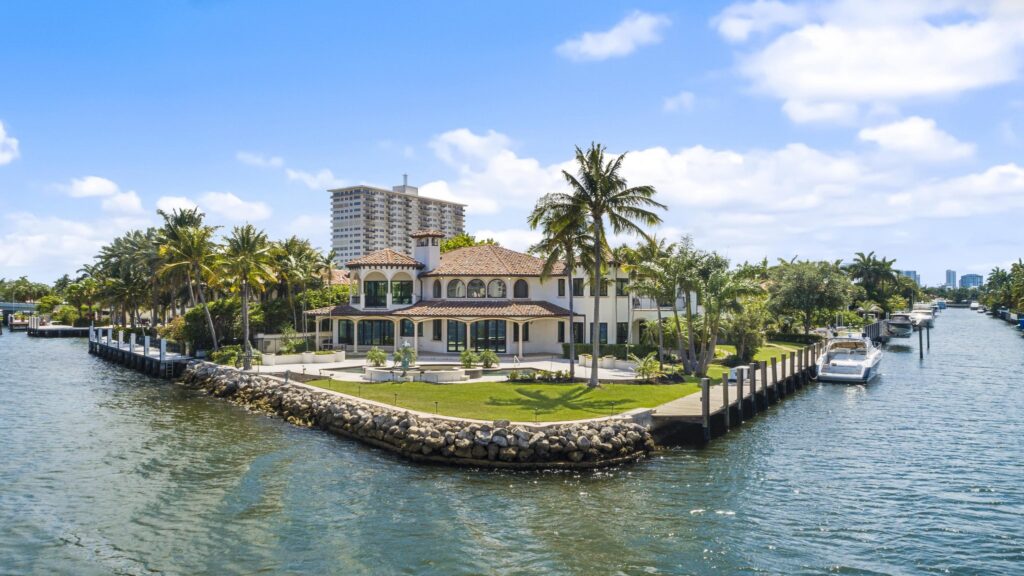
If you’re specifically considering a waterfront purchase, see our waterfront homes buying guide for what to check before making an offer.
Flood zone designation is another major difference that New York buyers often underestimate. Many Fort Lauderdale neighborhoods, especially canal and waterfront properties, fall into FEMA-designated flood zones that require flood insurance as a condition of financing.
Confirm flood zone status early using FEMA’s Flood Map Service Center at msc.fema.gov, since this directly affects both your insurance budget and your financing approval timeline.
What Should New York Buyers Know About Establishing Florida Residency?
Buying a home in Florida does not automatically make you a Florida resident for tax purposes, and partial-year New York tax liability is a common and costly mistake among new movers.
To establish Florida domicile, buyers generally need to spend the majority of the year in Florida, file a Declaration of Domicile, register to vote in Florida, obtain a Florida driver’s license, and file a Homestead Exemption application on their primary residence.
New York tax authorities are known for closely scrutinizing high-income residents who claim a change of domicile, so buyers relocating primarily for tax savings should work with a CPA familiar with New York’s residency audit standards before assuming the move is complete on paper alone.
How to Plan Your Move from New York to Fort Lauderdale
- Get pre-approved before you start touring. Florida closings move faster than New York’s, so having financing ready prevents losing a property to a more prepared buyer.
- Budget for insurance early. Request a homeowner’s and flood insurance quote for any property you’re seriously considering before making an offer, not after, since costs vary significantly by flood zone and construction age.
- Confirm flood zone status on every property. Use FEMA’s Flood Map Service Center to check the designation before falling in love with a specific home.
- Talk to a CPA about residency timing. If tax savings are a primary motivation, structure your move and domicile paperwork correctly from day one to avoid a New York residency audit.
- Work with an agent who knows the New York buyer profile. The neighborhoods, pace, and price expectations that make sense for a New York buyer are not always the same as for a long-time Florida resident, and an agent who regularly works with relocating New Yorkers can save you significant time.
FAQ
1. How many people are moving from New York to Florida?
According to the latest IRS migration data released June 2, 2026, Florida posted the largest interstate adjusted gross income gain of any state at $20.6 billion, while New York posted the largest loss of any state at $9.9 billion, in the most recent tax year reported.
2. How much can I save in taxes moving from New York to Fort Lauderdale?
Savings depend on income. A household earning $300,000 a year can save more than $20,000 annually by eliminating New York’s state income tax, which reaches up to 10.9%, the highest marginal rate of any state, since Florida has no state income tax at all.
3. Is Fort Lauderdale cheaper than New York?
Generally, yes, for cost of living and property taxes, though waterfront and luxury properties narrow that gap. New York’s effective property tax rate runs close to 1.30%, while Florida’s average effective rate sits closer to 0.80%.
4. Does buying a home in Florida make me a Florida resident for tax purposes?
No. You must establish domicile separately by spending the majority of the year in Florida, filing a Declaration of Domicile, registering to vote, getting a Florida driver’s license, and filing for Homestead Exemption.
5. What is different about closing on a home in Florida versus New York?
Florida closings are typically handled by a title company rather than requiring an attorney, and there is no mandatory attorney review period, so the process moves faster once a contract is signed.
6. Do I need flood insurance on a Fort Lauderdale home?
Many Fort Lauderdale properties, especially canal and waterfront homes, sit in FEMA-designated flood zones that require flood insurance as a condition of financing. Check flood zone status before making an offer.
Ready to Start Your Move to Fort Lauderdale?
Dotoli Group works regularly with New York buyers relocating to Fort Lauderdale and understands the pace of financing, insurance considerations, and neighborhood fit that matter most for this move.
Contact Dotoli Group to start your Fort Lauderdale home search, or browse current listings to see what’s available now.