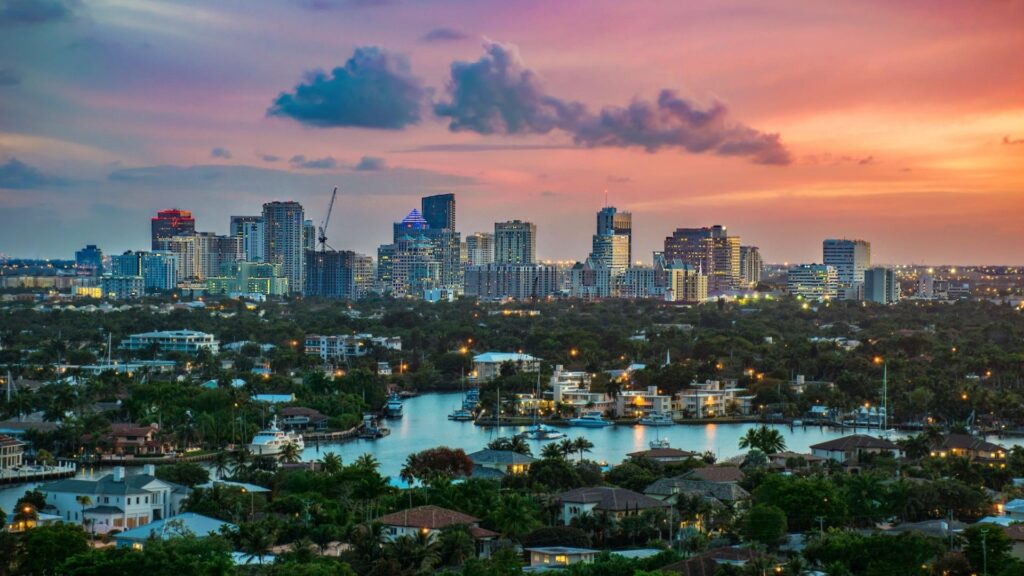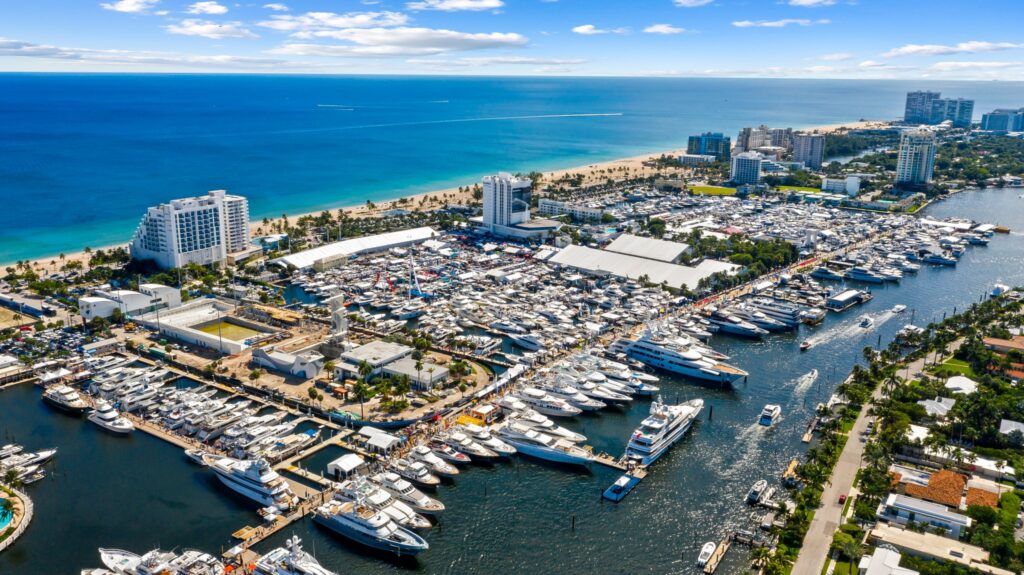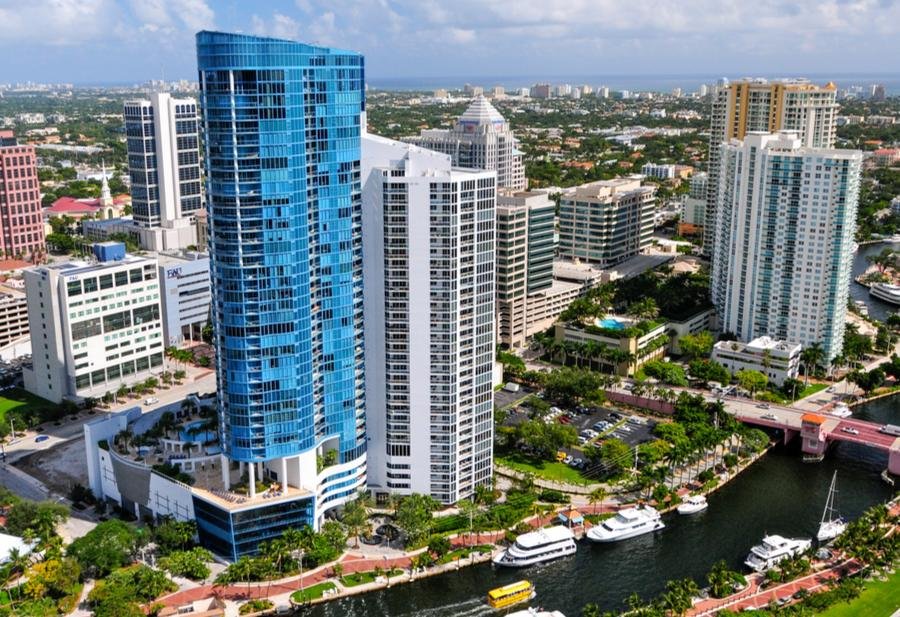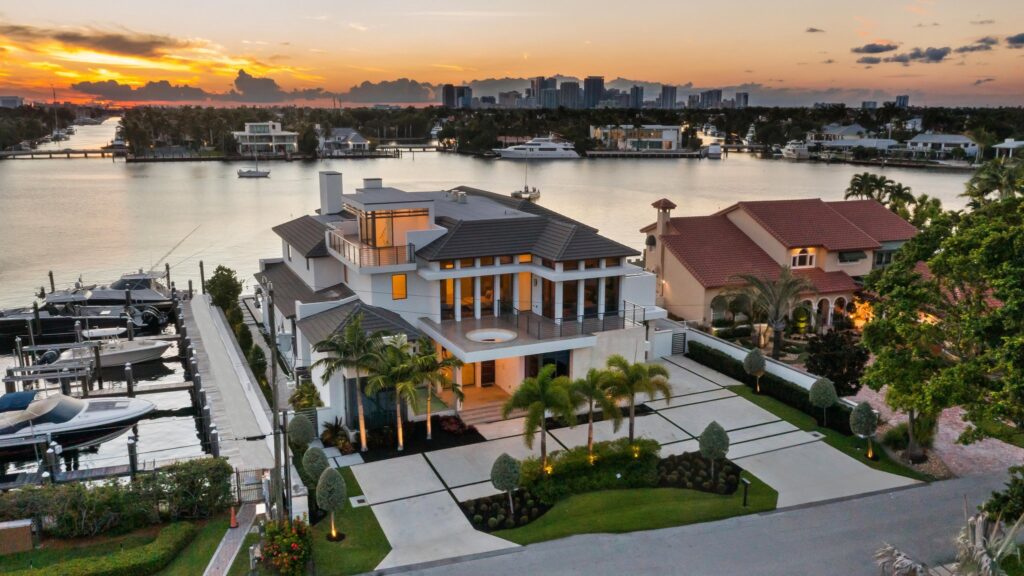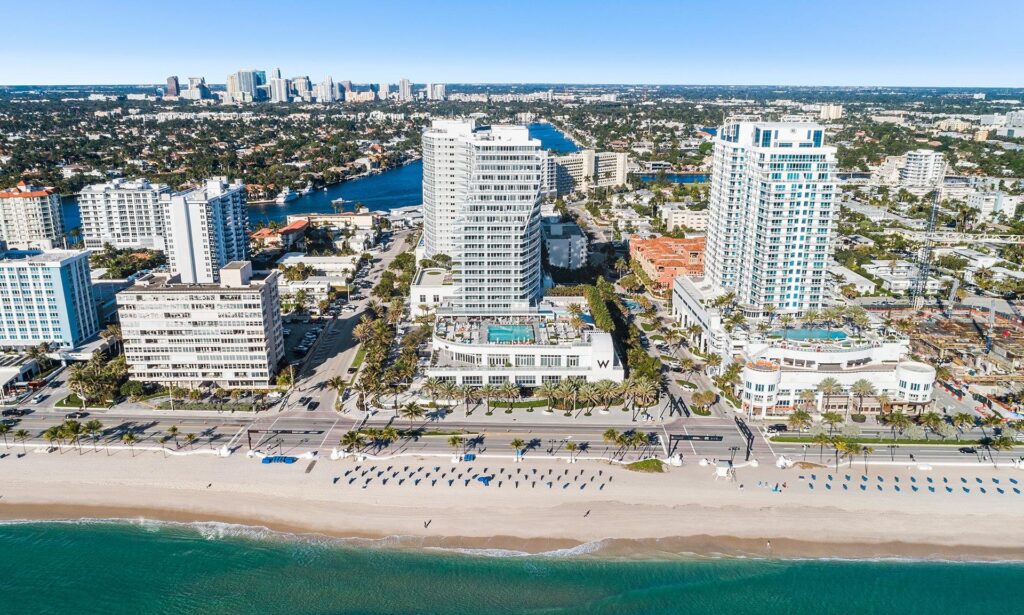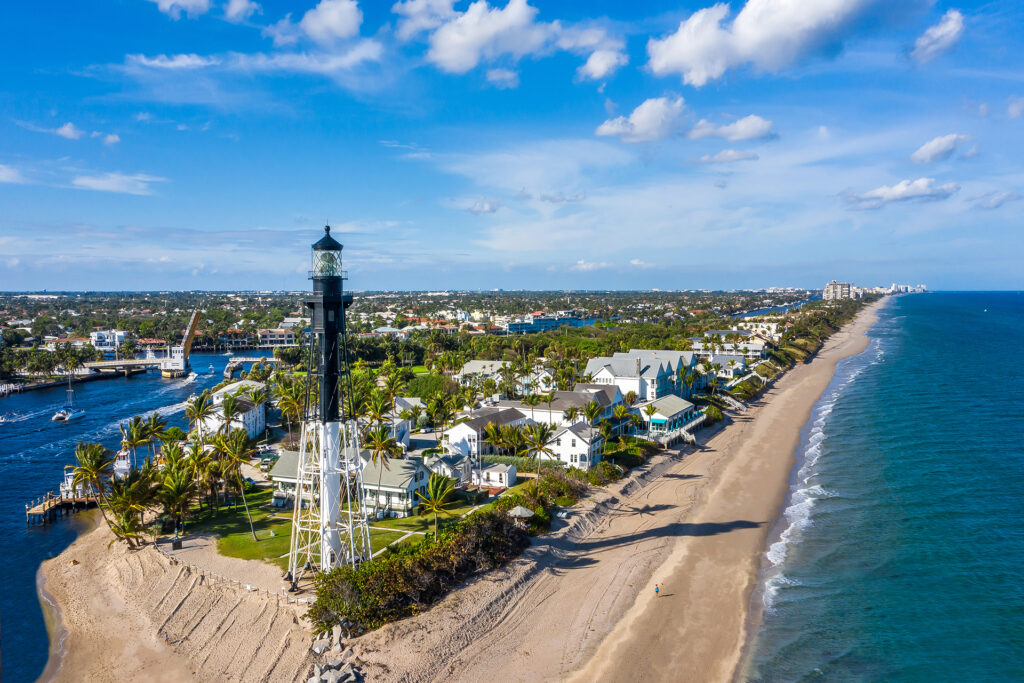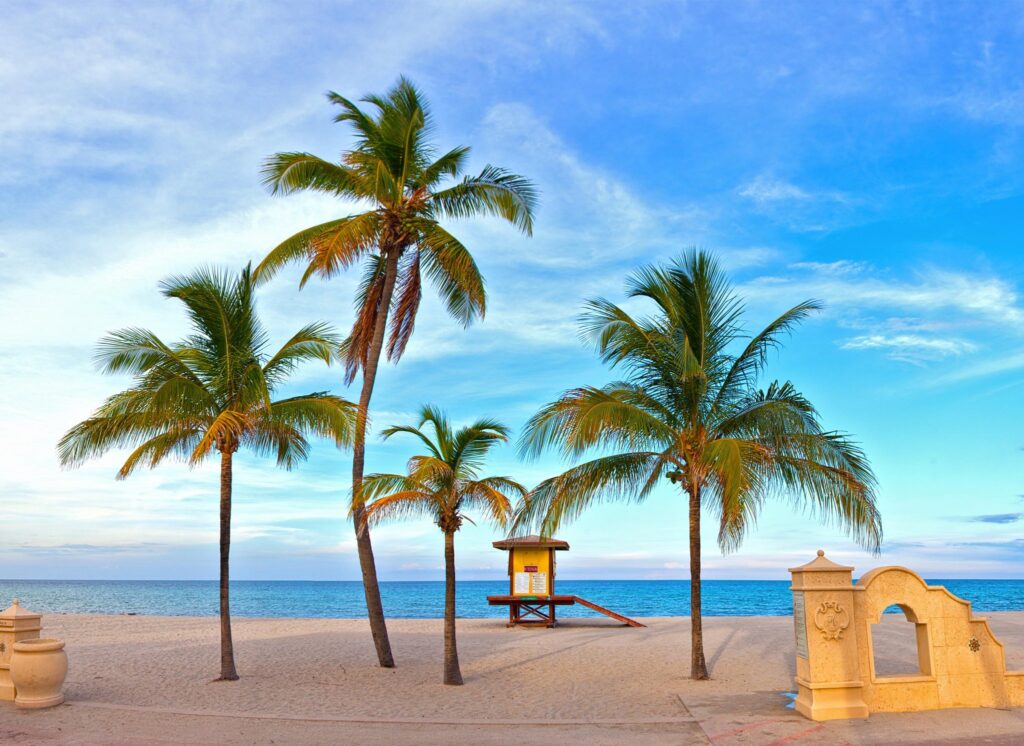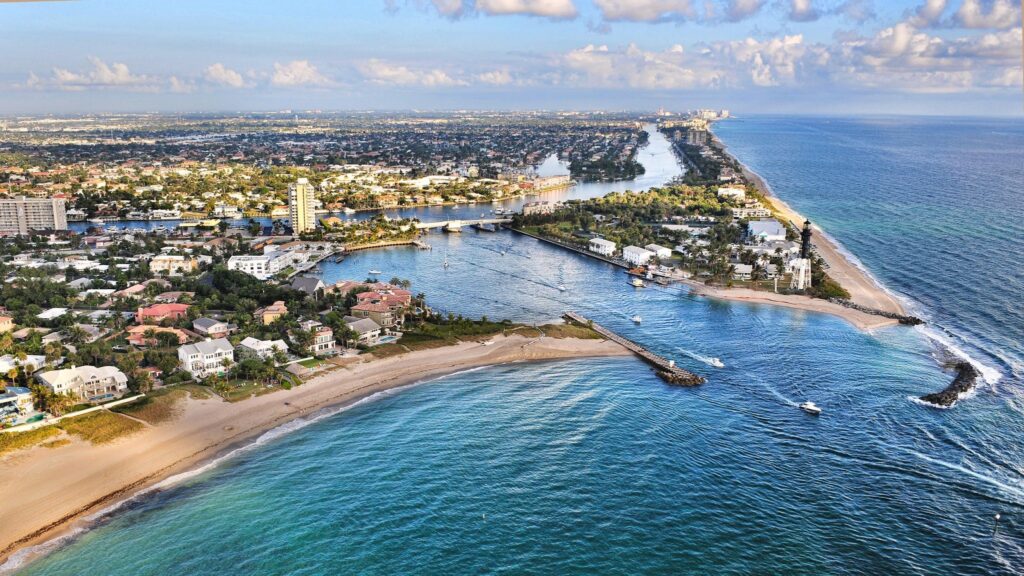
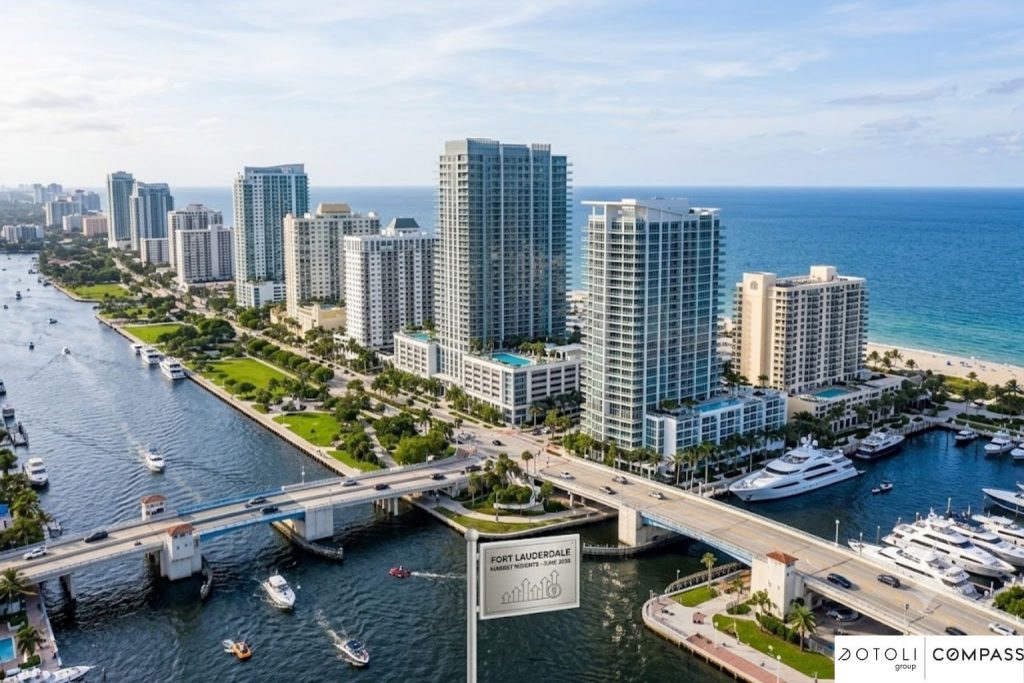

Fort Lauderdale is one of the fastest-growing relocation destinations in South Florida. The city sits between Miami and Palm Beach, gives residents direct access to 165 miles of navigable waterways, and has seen residential property values appreciate 63.45% over the last five years, according to NeighborhoodScout Q4 2025 data. People move here for the waterfront lifestyle, the warm climate, and the absence of a state income tax.
This guide covers what you actually need to know before you commit: costs, neighborhoods, housing market, schools, job market, and what the weather reality looks like beyond the marketing version.
Fort Lauderdale at a Glance (2026)
| Population | Approximately 190,168 residents |
| Distance to Miami | 25 miles |
| Median home price | $564,100 (Steadily/Zillow) |
| 5-year appreciation | 63.45% (NeighborhoodScout) |
| Average homeowners insurance | $8,292/yr (Insurify 2025) |
| State income tax | None |
| Navigable waterways | 165+ miles |
| Beach access | 23 miles of coastline |
| Nearest major airport | Fort Lauderdale-Hollywood International (FLL) |
| Hurricane season | June through November |
| Luxury waterfront starting price | $1.5 million |
| Average rent: Studio | $2,015 – $2,155/mo |
| Average rent: 1 Bedroom | $2,288 – $2,451/mo |
| Average rent: 2 Bedrooms | $2,937 – $3,068/mo |
| Average rent: 3 Bedrooms | $4,135 – $4,535/mo |
Why Are So Many People Moving to Fort Lauderdale Right Now?
What Makes Fort Lauderdale Attractive to Relocating Buyers?
Fort Lauderdale has absorbed significant relocation demand from the Northeast and Midwest over the last several years. Florida’s lack of a state income tax is a primary driver for high earners and retirees.
The city itself offers direct beach access, a walkable downtown core along Las Olas Boulevard, and a boating culture that few metro areas in the country can match.
How Does Fort Lauderdale Compare to Other South Florida Cities?
Fort Lauderdale-Hollywood International Airport (FLL) serves over 100 nonstop destinations and is generally faster to navigate than Miami International.
For buyers considering South Florida broadly, Fort Lauderdale offers similar lifestyle benefits to Miami at a different price point and with less traffic congestion in most neighborhoods.
Residents who have made the move share firsthand perspectives on what daily life in Fort Lauderdale actually looks like, which is worth reading before you commit.
What Does It Cost to Live in Fort Lauderdale?
Fort Lauderdale’s cost of living runs above the national average, driven primarily by housing. The Broward County median sale price reached $564,100 as of October 2025, per Steadily citing Zillow data. That figure covers all property types.
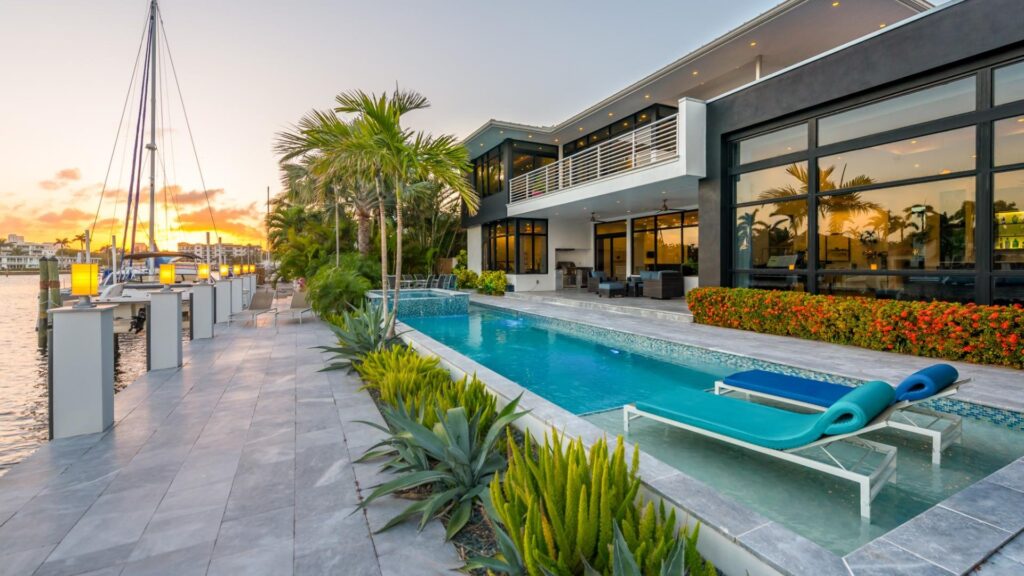
Single-family homes in desirable neighborhoods trade meaningfully above the median, and waterfront properties start around $1.5 million.
What Are Typical Housing Costs?
Rental prices in Fort Lauderdale for a one-bedroom apartment range from approximately $1,800 to $2,800 per month depending on neighborhood and proximity to the water or downtown.
Two-bedroom units in well-located areas run $2,400 to $3,800. These figures shift based on building age, amenities, and how recently the unit was renovated.
Homeowners insurance in Florida averages $8,292 per year statewide, according to Insurify’s 2025 data. Waterfront properties carry higher premiums and typically require a separate flood insurance policy in addition to the standard homeowners policy.
What Are Non-Housing Costs?
Groceries, dining, and transportation in Fort Lauderdale run close to the national average. The most significant non-housing cost difference for most newcomers is utilities. Air conditioning runs year-round, and summer electric bills can run $200 to $400 per month for a mid-size home depending on construction efficiency.
Florida charges no state income tax, which represents a meaningful savings for residents relocating from states like New York, California, New Jersey, or Illinois.
Which Fort Lauderdale Neighborhoods Are Best for Newcomers?
Fort Lauderdale’s neighborhoods vary considerably in character, price, and access to water. Choosing the right one depends on whether you prioritize walkability, waterfront access, school district, or price point.
Las Olas Isles
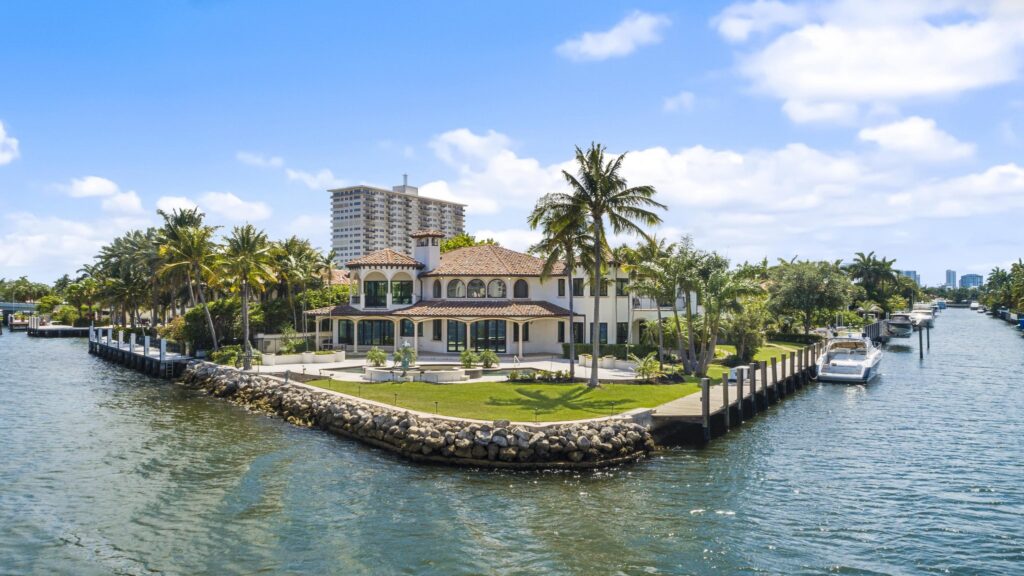
Las Olas Isles sits east of downtown along the Intracoastal Waterway and is one of the most sought-after addresses in the city. The neighborhood features deepwater canals, large lots, and direct boating access to the Atlantic.
Homes here range from $2 million to over $15 million. If waterfront living is your primary goal, Las Olas Isles homes for sale represent the top tier of what Fort Lauderdale offers.
Rio Vista
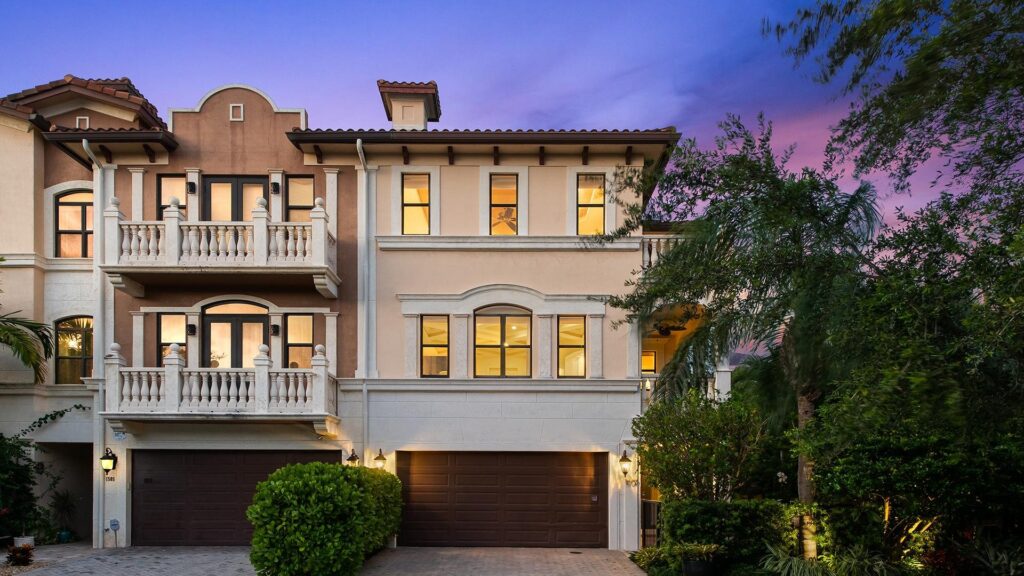
Rio Vista is a historic neighborhood south of downtown with wide streets, mature tree canopy, and a mix of original mid-century homes alongside newer construction. Many lots back onto canals.
The neighborhood is walkable to the South Side Village dining district. Price range runs from $800,000 to $4 million depending on lot type and condition.
Victoria Park
Victoria Park sits just north of downtown and appeals to buyers who want urban walkability without the waterfront premium.
The neighborhood has an active dining and cafe scene along NE 4th Avenue. Homes range from the upper $500,000s to $1.5 million.
Coral Ridge
Coral Ridge sits north of Las Olas Isles and offers large lots with canal or Intracoastal frontage in many cases.
The neighborhood is quieter than downtown-adjacent areas and draws families. Single family homes range from $1 million to $5 million depending on water access and lot size.
Wilton Manors
Wilton Manors is an incorporated city within the Fort Lauderdale metro with its own downtown corridor and strong community identity. It appeals to buyers who want a walkable neighborhood feel with proximity to Fort Lauderdale’s amenities.
Homes are generally more affordable than Las Olas-area properties, with most single-family homes priced between $500,000 and $1.2 million.
If you are still deciding between neighborhoods based on waterfront access, the guide on buying a waterfront home in Fort Lauderdale covers how canal type, water depth, and flood zone affect both lifestyle and value.
What Is the Fort Lauderdale Housing Market Like in 2026?
The Broward County market remains competitive. The median sale price of $564,100 reflects a market that has held its value after the post-pandemic run-up, supported by low inventory and continued relocation demand from higher-cost states.
| Metric | Current Value | 1Y Trend | 3Y Trend | Market Signal |
| Median Listing Price | $650,000 | 🟢 +4.18% | 🔴 -16.56% | Short-term bounce after long drop |
| Median Sold Price | $560,000 | 🔴 -3.78% | 🟢 +7.69% | Cooling off past 3-year highs |
| Price per Sq Ft | $467 | 🟢 +1.06% | 🔴 -6.29% | Stabilizing value per unit |
| Active Listings | 3,440 | 🔴 -12.63% | 🟢 +69.51% | Inventory down year-over-year, up massively vs 2023 |
| Days on Market | 88 days | ⚪ 0.00% | 🟢 +44.44% | Slower sales pace compared to 3 years ago |
| Rental Properties | 4,222 | 🔴 -11.10% | 🟢 +84.91% | Rental supply expanding over time |
| Median Rent | $2,714 / mo | 🟢 +1.84% | 🔴 -10.61% | Modest recent bump in a multi-year rent slide |
Buyers relocating from markets like New York, Boston, or San Francisco typically find Fort Lauderdale pricing reasonable relative to what they are selling. Buyers coming from lower-cost inland markets may experience sticker shock, particularly on waterfront or downtown-adjacent properties.
Inventory has improved from its 2022 lows but remains below historical norms in most desirable neighborhoods. Well-priced listings in Victoria Park, Rio Vista, and the Isles neighborhoods typically receive multiple offers within the first two weeks of listing.
If you are considering whether now is the right time to buy, the article on whether to sell or buy a home in Fort Lauderdale right now covers current market conditions in detail.
For first-time buyers unfamiliar with the Florida purchase process, the guide on buying a house in Florida for the first time walks through state-specific programs, closing costs, and the documentary stamp tax.
What Is the Weather Actually Like in Fort Lauderdale?
Fort Lauderdale has a tropical climate with two distinct seasons: a warm, dry season from November through April and a hot, humid, rainy season from May through October.
What Are Winters Like in Fort Lauderdale?
Winter runs from 65 to 78 degrees Fahrenheit from December through February. This is the season most newcomers cite as the primary reason they relocated. Rainfall is minimal, and the low humidity makes the temperatures feel comfortable.
This period is also peak season for real estate activity and tourism, which affects everything from restaurant wait times to rental pricing.
What Are Summers Like in Fort Lauderdale?
Summers are hot, humid, and rainy. Daily high temperatures run 88 to 93 degrees from June through September, with humidity that makes it feel warmer. Afternoon thunderstorms occur almost daily during the rainy season.
Most locals plan outdoor activities for mornings and evenings. The heat and humidity are manageable but should not be understated for people relocating from northern climates.
Hurricane Season
Atlantic hurricane season runs June 1 through November 30. Fort Lauderdale’s position on the southeast Florida coast means it can be in the track of storms forming in the Atlantic or Gulf.
The city has not taken a direct major hurricane hit in recent decades, but tropical storms do produce flooding, especially in low-lying neighborhoods near the water.
Understanding your property’s flood zone before buying is essential. The Fort Lauderdale flood zones guide explains how FEMA designations work and what they mean for insurance costs.
What Are the Best Schools in Fort Lauderdale?
Broward County Public Schools is one of the largest school districts in the country, with significant variation in school quality by zone. Families relocating with children should research specific school assignments for any property before committing.
Top Private Schools
- Pine Crest School (PreK-12): consistently ranked among the top private schools in Florida, with a strong academic and athletic program
- St. Thomas Aquinas High School: Catholic high school with strong college placement and athletic programs
- University School of Nova Southeastern University: college preparatory school affiliated with Nova Southeastern, strong STEM focus
Higher Education
Nova Southeastern University is the largest private research university in Florida and is headquartered in Davie, adjacent to Fort Lauderdale.
Broward College operates multiple campuses throughout the county. Florida Atlantic University’s Davie campus is within the metro area.
What Is the Job Market Like in Fort Lauderdale?
Marine industries, aviation, tourism, healthcare, and a growing technology sector anchor Fort Lauderdale’s economy.
The city is sometimes called the “Yachting Capital of the World,” and the marine industry supports thousands of jobs in boat building, repair, brokerage, and supply.
Fort Lauderdale-Hollywood International Airport and the aviation sector employ mechanics, logistics professionals, and aviation technology workers across a large employer base.
AutoNation, the country’s largest automotive retailer, is headquartered in Fort Lauderdale. Citrix Systems, now part of Cloud Software Group, maintains a significant presence in the market.
Remote work has also driven relocation to Fort Lauderdale from buyers who can work anywhere and want the Florida lifestyle without being tied to a local employer.
Frequently Asked Questions
Is Fort Lauderdale a good place to live long-term?
Fort Lauderdale works well for people who prioritize year-round warm weather, water access, and no state income tax. Trade-offs include high housing costs, summer heat and humidity, and hurricane season preparedness.
How much money do you need to move to Fort Lauderdale?
The Broward County median home price is $564,100 as of late 2025. Renters need $1,800 to $2,800 per month for a one-bedroom. Budget additional funds for homeowners insurance, flood insurance if near water, and year-round air conditioning costs.
Is Fort Lauderdale safe to live in?
Safety varies significantly by neighborhood. Las Olas, Victoria Park, Coral Ridge, Rio Vista, and the Isles neighborhoods are considered low-crime residential areas. Research specific neighborhoods rather than relying on citywide statistics.
What is the best neighborhood in Fort Lauderdale for families?
Coral Ridge and Rio Vista are popular with families for their lot sizes, canal access, and proximity to strong schools. Las Olas Isles appeals to families who want deepwater boating access and larger estate lots.
How does Fort Lauderdale compare to Miami for relocation?
Fort Lauderdale offers a similar waterfront lifestyle and South Florida climate at a generally lower price point with less traffic congestion.
Miami has a larger international business community, but Fort Lauderdale suits buyers who want a somewhat slower pace.
Do I need flood insurance in Fort Lauderdale?
It depends on the property’s FEMA flood zone designation. Properties in Zone AE require flood insurance with a federally backed mortgage.
Even in lower risk zones, flood insurance is worth considering given Fort Lauderdale’s low elevation and proximity to water.
Ready to Find Your Fort Lauderdale Home?
The Dotoli Group specializes in Fort Lauderdale residential real estate across all price points and neighborhoods.
Whether you are comparing neighborhoods, figuring out what your budget gets you in today’s market, or ready to start scheduling showings, the team provides local knowledge that removes the guesswork from your search.
Contact the Dotoli Group to start your Fort Lauderdale home search or to get a current market analysis for any neighborhood you are considering.