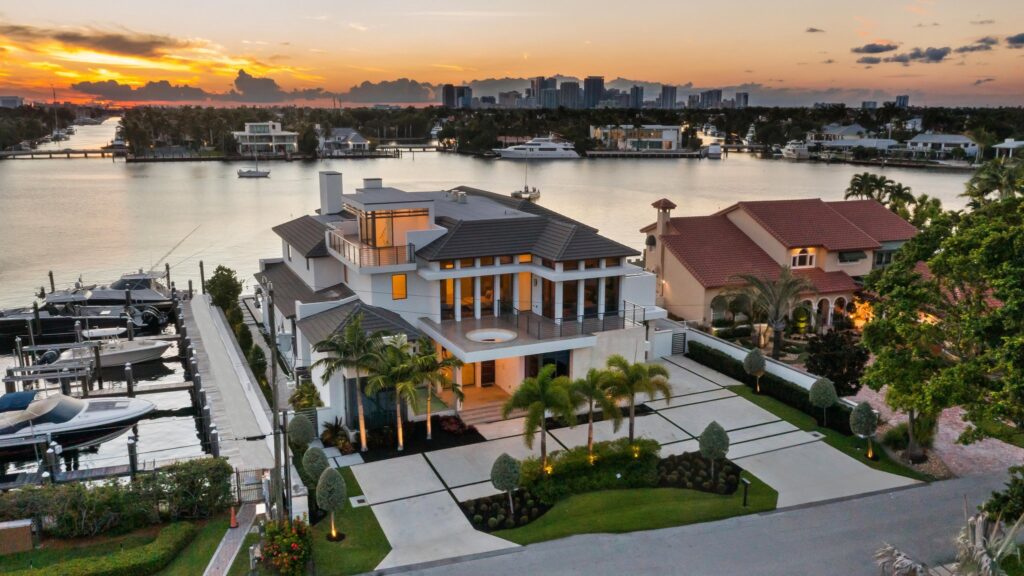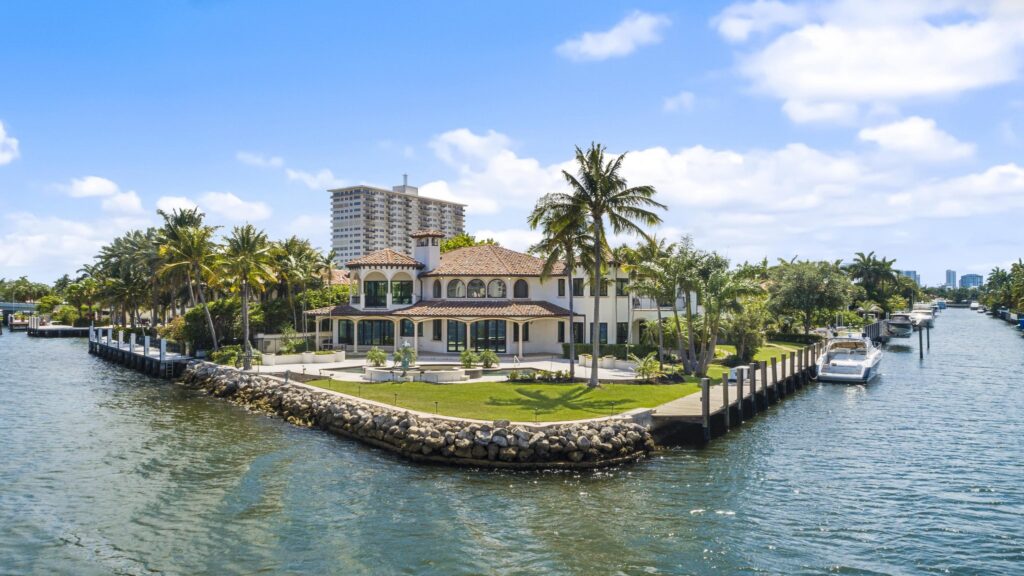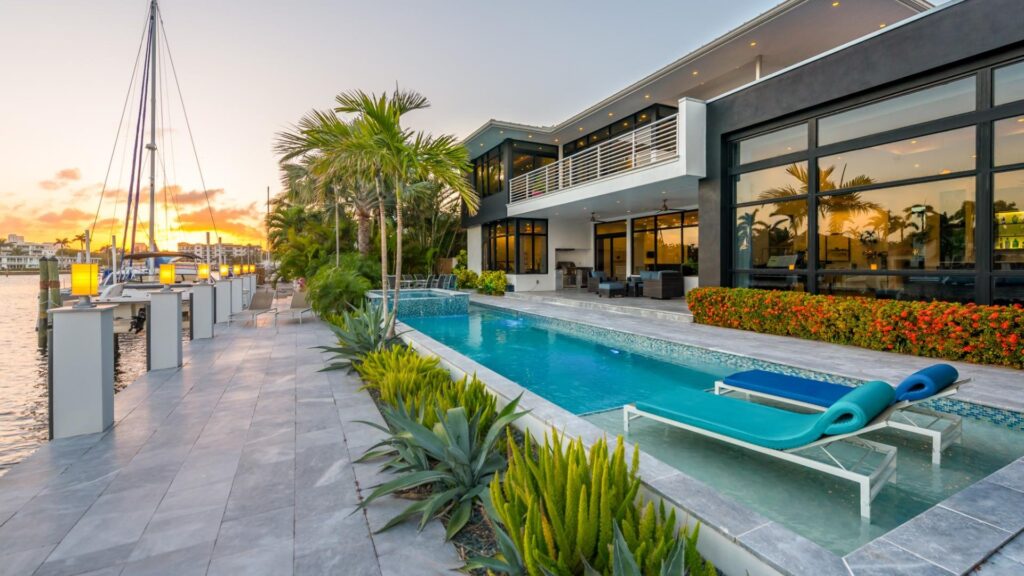
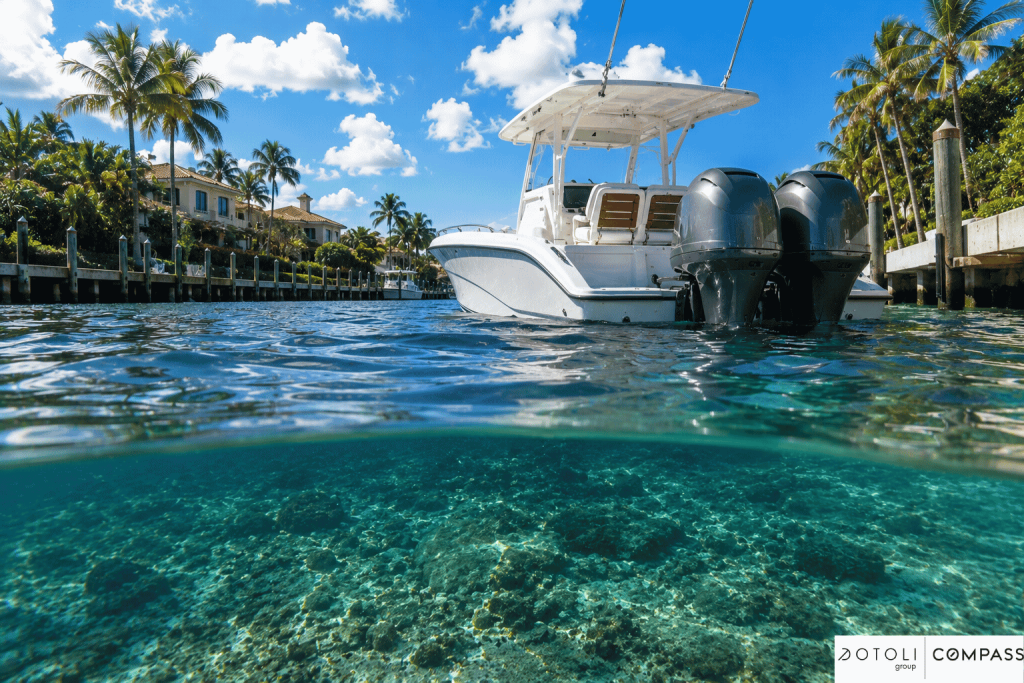

If you are planning to dock a boat at your next home, you need to verify water depth before buying a waterfront home in Fort Lauderdale, not after you’ve already signed a contract. Listing photos and the neighborhood’s general reputation will not tell you whether your specific dock has enough depth for your vessel at low tide.
Water depth varies by canal, by lot, and even by the exact spot along a single dock, which means that relying on assumptions rather than verified numbers is one of the most common and costly mistakes waterfront buyers make. This guide walks through exactly how to confirm depth before you commit.
Quick Answer
Verify water depth by commissioning a marine survey that measures depth at the dock at low tide, not high tide, since low tide depth is what actually determines whether your vessel can dock safely year-round. Combine this with your vessel’s draft requirement and a check of recent dredging history for the specific canal.
Why Does Water Depth Matter So Much for Fort Lauderdale Waterfront Buyers?
Water depth determines whether your boat can physically reach and stay at your dock, regardless of how attractive the property is otherwise.
A home with a beautiful dock and a deep-water reputation in the neighborhood can still leave your vessel grounded at low tide if the actual depth at that specific lot has never been verified.
This matters more in Fort Lauderdale than in many other waterfront markets because canal depths vary significantly from one finger canal to the next, and sediment buildup over time can reduce depths in canals that haven’t been dredged recently, even in historically deep-water neighborhoods.
What Is the Difference Between Low Tide and High Tide Depth?
Low tide depth is the true usable depth at your dock, while high tide depth is the best-case scenario that should never be relied on for planning. The difference between the two, the tidal range, can be substantial enough to ground a boat that fits comfortably at high tide.
For context on how this compares to the city’s main navigation channel, the Intracoastal Waterway itself was dredged to a target depth of 15 feet in its Broward County corridor. See our guide to Intracoastal Waterway homes for more on how that connects to residential canal depth.
At Fort Lauderdale’s NOAA tide station near Bahia Mar, the typical daily tidal range runs approximately 2 to 2.6 feet, according to NOAA Tides & Currents data for Station 8722939.
For a boat with even a moderate draft, a 2-foot swing between high and low tide can be the difference between safe dockage and running aground twice a day. Always ask for depth measured at mean low water, not at the tide level during your showing.
What Is a Marine Survey and Why Do You Need One?
A marine survey is a professional inspection of a property’s waterfrontage, dock, seawall, and water depth, conducted by a licensed marine surveyor rather than a general home inspector. It is the only reliable way to obtain accurate, documented depth measurements for your exact dock location.
A marine survey for water depth typically includes:
- Depth soundings at multiple points along the dock, not just one measurement, since depth can vary even within a single 40-foot dock.
- Measurements taken relative to a known tidal datum, usually mean low water, so the numbers are usable regardless of when the survey was conducted.
- Seawall and piling condition assessment, since a failing seawall can affect both safety and future dredging plans.
- Documentation of any recent dredging history for the canal, which affects how stable the current depth is likely to remain.
Request this survey before your offer becomes binding, or build it into your inspection contingency period so you have a clean exit if depth does not meet your vessel’s needs. This pairs directly with confirming bridge clearance, since a property can have perfect depth and still be unusable for your vessel if it can’t clear a bridge to reach open water.
See our guide to deep water vs. fixed bridge canal homes for that side of the due diligence process.
How Do You Calculate Your Vessel’s Dock Draft Requirements?
Your dock draft requirement is your vessel’s draft, the depth of water needed to float without touching bottom, plus a safety margin for tide fluctuation and seabed irregularity. Most marine professionals recommend a minimum clearance of 1 to 2 feet beyond your vessel’s stated draft at low tide.
To calculate what you need:
- Get your vessel’s exact draft from the manufacturer’s specifications, not an estimate, since draft can vary significantly between similar-looking boat models.
- Add your safety margin. A 1-foot margin is the minimum for calm, sheltered canals. A 2-foot margin is safer for larger vessels or canals with known sediment buildup.
- Compare that total against the property’s verified low-tide depth, not the high-tide depth shown in marketing materials.
- Account for seasonal variation. Some Fort Lauderdale canals experience measurable changes in depth after major storm events due to sediment redistribution, so a survey from several years ago may not reflect current conditions.
How Often Does Canal Depth Change in Fort Lauderdale?
Canal depth in Fort Lauderdale can change gradually due to sediment accumulation and more abruptly after major storm events that alter sediment patterns. This is why a deep reading from even two or three years ago should not be treated as current without verification.
Buyers should ask directly whether the specific canal has been dredged recently, and if so, when, since dredged canals maintain their depth more reliably than canals that have gone years without maintenance.
If no recent dredging has occurred, request a current survey rather than relying on the seller’s stated depth from their own purchase years earlier.
Depth verification should be part of the same due diligence process as checking seawall condition and dock permits, covered in full in our waterfront homes buying guide.
What Josh Dotoli Says About Water Depth Due Diligence
“I tell every boat-owning client the same thing: don’t trust the dock photos, and don’t trust what the seller tells you the depth is. Get your own marine survey at low tide before you’re locked into a contract. I’ve seen deals almost fall apart because a buyer assumed depth based on a neighbor’s boat, and their vessel had two more feet of draft than the neighbor’s.”
Josh Dotoli, Founder and CEO, Dotoli Group
FAQ
1. How do you verify water depth before buying a waterfront home in Fort Lauderdale?
Commission a marine survey that measures depth at the dock, specifically at low tide, then compare that figure against your vessel’s draft plus a safety margin of 1 to 2 feet.
2. What is the difference between low tide and high tide depth?
Low tide depth is the true usable depth you can rely on year-round. High tide depth is a best-case figure that should never be used for planning, since the gap between the two, the tidal range, can ground a boat that appeared to fit at high tide.
3. What does a marine survey check besides water depth?
A marine survey also assesses the condition of docks and seawalls, the integrity of piling, and the canal’s recent dredging history, providing a complete picture of the waterfront infrastructure, not just depth.
4. How much safety margin should I add to my boat’s draft?
Most marine professionals recommend 1 to 2 feet beyond your vessel’s stated draft at low tide, with the higher end of that range recommended for larger vessels or canals with known sediment buildup.
5. Does canal depth in Fort Lauderdale change over time?
Yes. Sediment can accumulate gradually, and major storm events can shift sediment more suddenly. A depth reading from several years ago should be re-verified rather than assumed accurate today.
6. Who should I hire to verify water depth, a home inspector or a marine surveyor?
A licensed marine surveyor, not a general home inspector. Marine surveyors specialize in water depth, dock, and seawall assessments and use appropriate tidal datums to ensure accurate, documented measurements.
Find a Waterfront Home That Actually Fits Your Boat
Dotoli Group works with waterfront buyers to verify water depth, dock specifications, and marine survey requirements before you ever make an offer, so there are no surprises after closing.
If you’re also weighing canal access against other waterfront options, see our canal home vs. bay view home investment comparison before you start touring.
Contact Dotoli Group to start your waterfront home search or browse current Fort Lauderdale waterfront listings to see what’s available now.