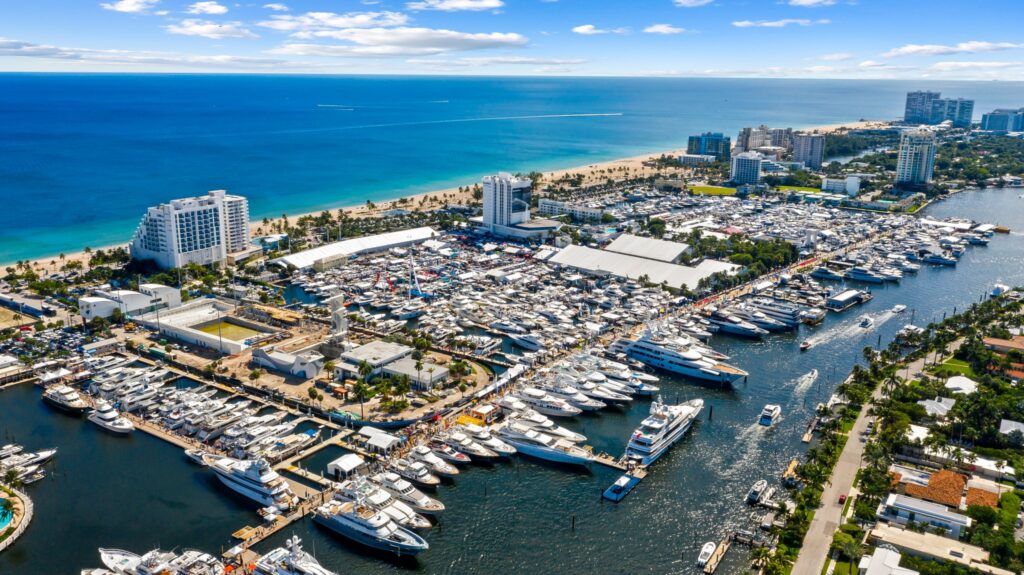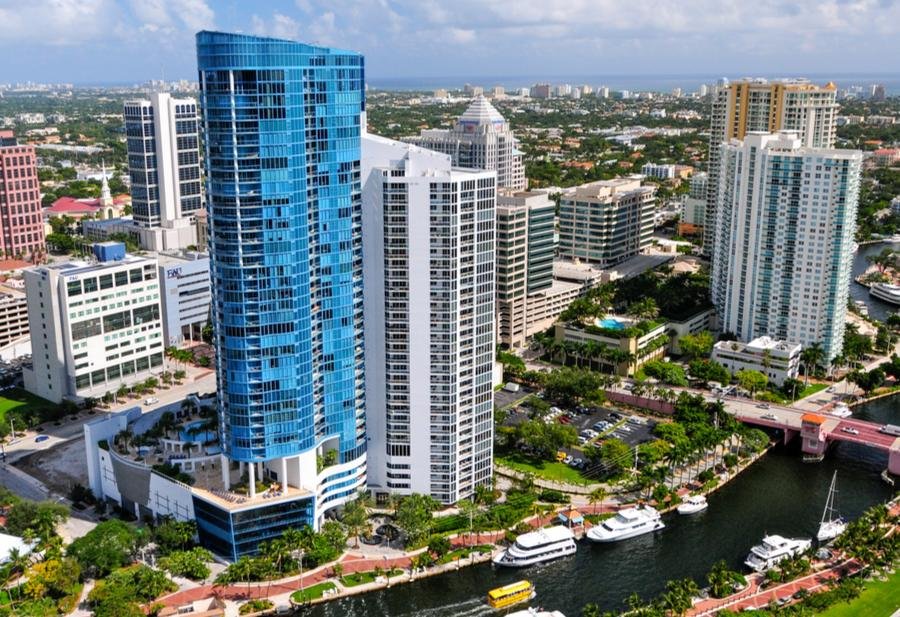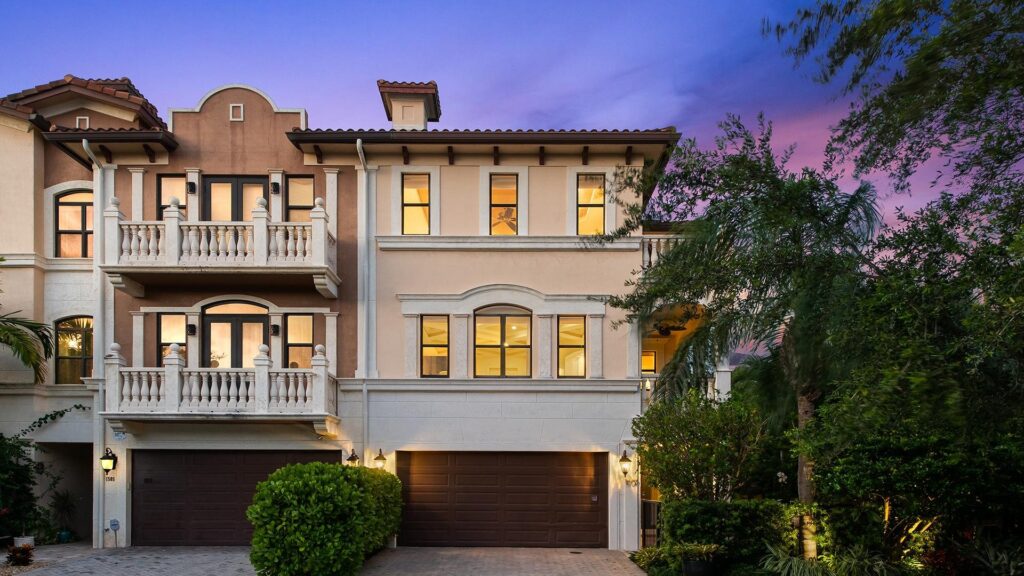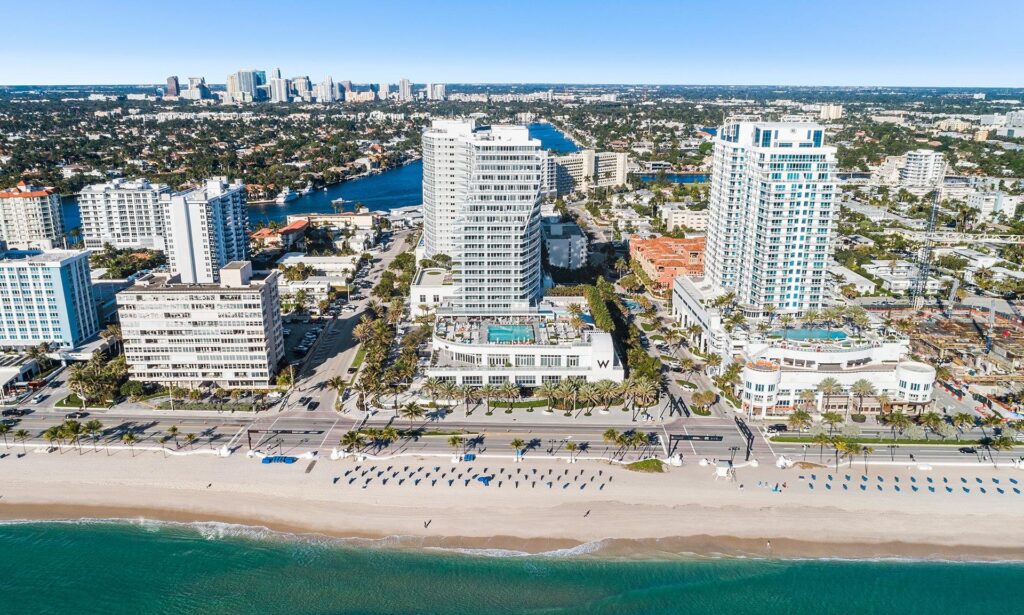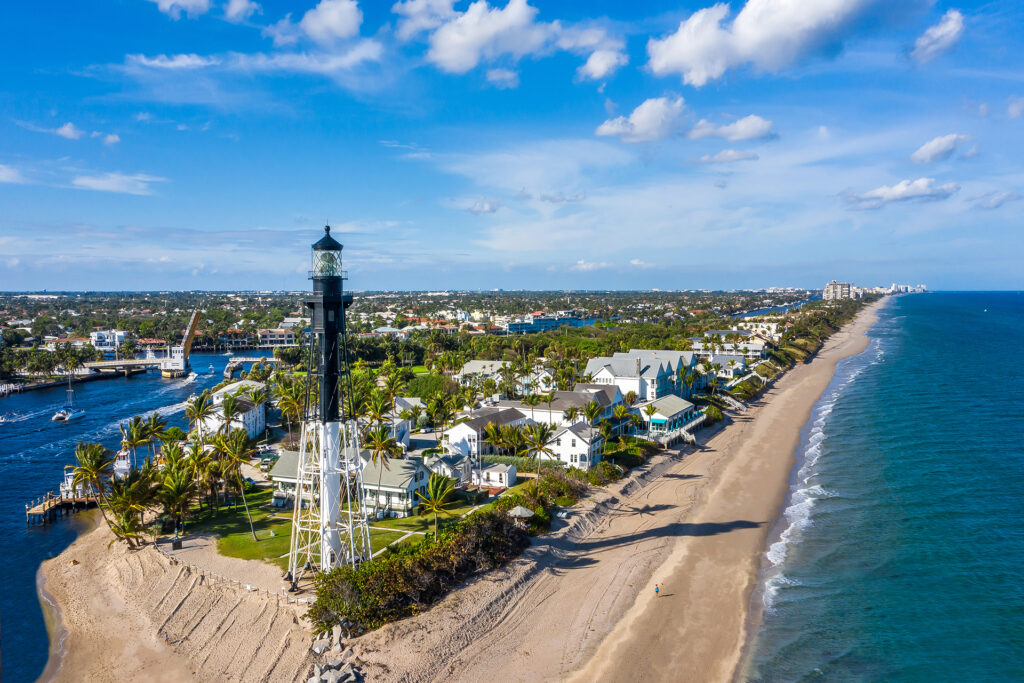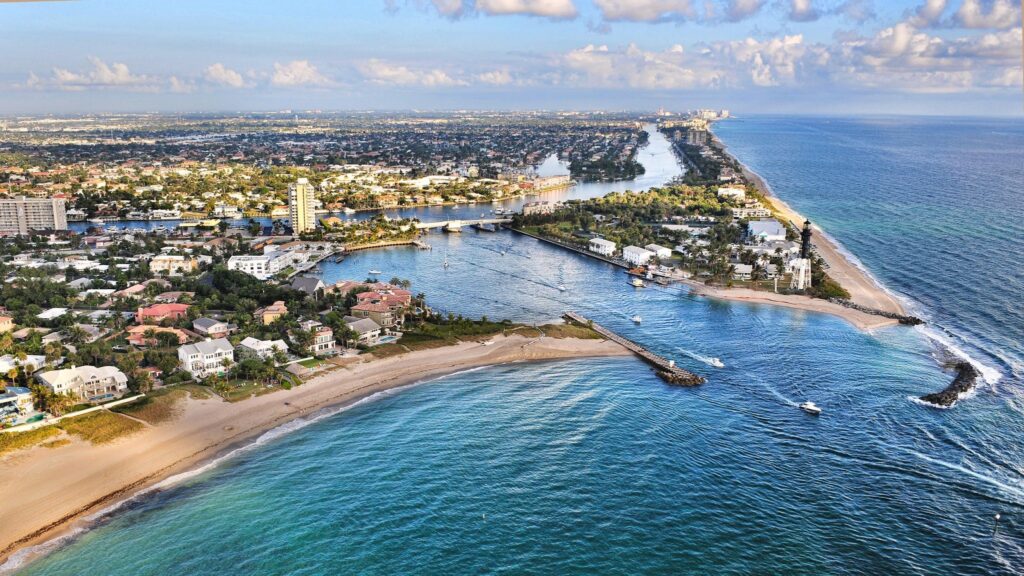


Fort Lauderdale’s investment case rests on three hard numbers: Florida charges 0% state income tax, Broward County properties have appreciated about 59% over five years, and the city has more than 165 miles of navigable waterways, creating a supply-constrained waterfront premium that most U.S. markets don’t have.
Those numbers attract capital. But the investors who perform in this market understand the tax treatment of investment properties here, the short-term rental regulations that affect Airbnb returns, and the neighborhood-level dynamics that separate a 6% yield from a 3% one.
This article covers both: why Fort Lauderdale works as an investment market and exactly how to execute.
Why Do Real Estate Investors Choose Fort Lauderdale?
Fort Lauderdale’s investment fundamentals are stronger than most comparable coastal markets. The combination of tax structure, appreciation rate, and rental demand makes a case that is difficult to replicate in other Sun Belt cities at the same price point.
Tax Advantages for Investors
Florida has no state income tax. An investor earning $200,000 in net rental income pays 0% to the state, compared to 13.3% in California ($26,600 saved annually) or 10.9% in New York ($21,800 saved annually).
For investors relocating capital or establishing Florida domicile, the compounding effect over a 10-year hold is significant (Florida Department of Revenue).
Florida also has no estate or inheritance tax for investors building multi-generational wealth through real estate, which matters at the time of disposition.
One important distinction: the Florida homestead exemption and Save Our Homes 3% assessed value cap apply only to primary residences. Investment properties are reassessed to market value at purchase.
Year-one property taxes on an investment property reflect full market value, not the prior owner’s capped assessed value. Investors should model year-one taxes at full Broward County millage rates of 19 to 21 mills, not from the seller’s tax bill.
Appreciation and Market Performance
Broward County’s median home price reached $620,000 in Q1 2026, up from $390,000 in 2021, approximately 59% appreciation over five years (Florida Realtors Q1 2026 Market Report).
Fort Lauderdale’s waterfront segments outpaced that figure, driven by constrained supply on canal-front lots and steady demand from domestic and international buyers.
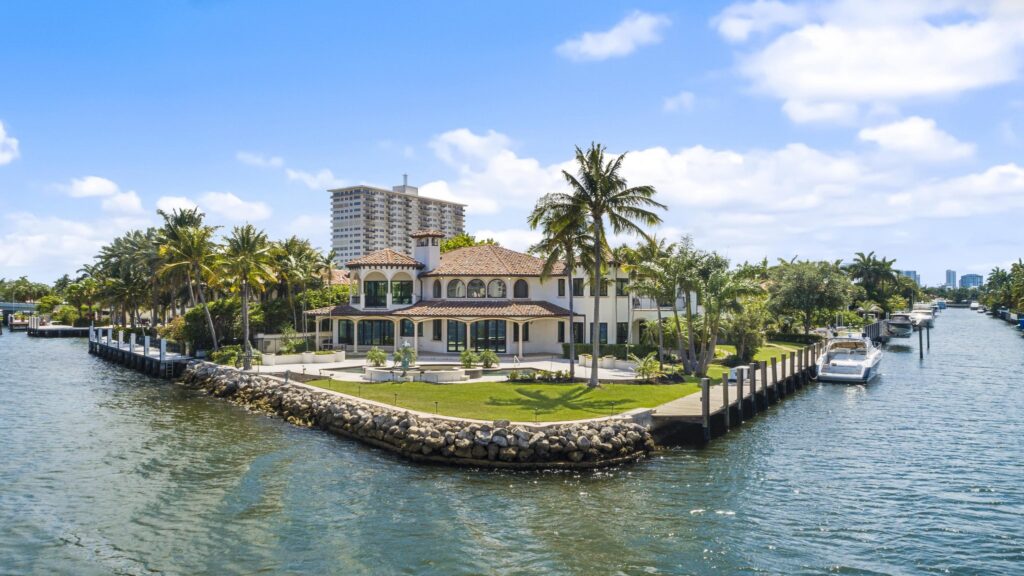
The structural supply constraint is real: the city’s canal network is built out. New waterfront inventory requires either teardown-rebuild or conversion. That limits downside in waterfront segments in ways that landlocked markets cannot replicate.
What Types of Properties Do Fort Lauderdale Investors Buy?
Fort Lauderdale’s investment market has three distinct strategies, each with different yield profiles, management intensity, and regulatory environments.
Long-Term Residential Rentals
Single-family homes and condos held as long-term rentals offer the most straightforward path in Fort Lauderdale. Gross rental yields in Broward County’s mid-market range from approximately 4% to 6% depending on neighborhood, property type, and financing. Management is less burdensome than short-term rentals, and the regulatory environment is stable.
The strongest long-term rental neighborhoods for investors offer access to employment centers and transit.
Coral Ridge, Flagler Village, and areas within 10 minutes of downtown Fort Lauderdale and FLL airport attract professional tenants who stay 12 to 24 months. Single-family homes in these areas carry lower vacancy rates than comparable condo inventory.
Short-Term Vacation Rentals
Fort Lauderdale’s tourism draw supports year-round short-term rental demand, with peak occupancy from November through April. Properties near the beach, Las Olas Boulevard, or the Intracoastal command strong nightly rates.
The regulatory environment matters here. Broward County requires short-term rental registration, and operators must comply with local municipality rules, which vary by city.
Fort Lauderdale city properties require a Certificate of Use and comply with specific occupancy and noise ordinances.
Properties in HOA communities may have additional restrictions that supersede county rules; always verify CC&Rs before buying a property with short-term rental income as the primary investment thesis (Broward County Short-Term Rental information: broward.org).
For a detailed breakdown of the Fort Lauderdale vacation rental market, see the Fort Lauderdale vacation rental market.
Waterfront Investment Properties
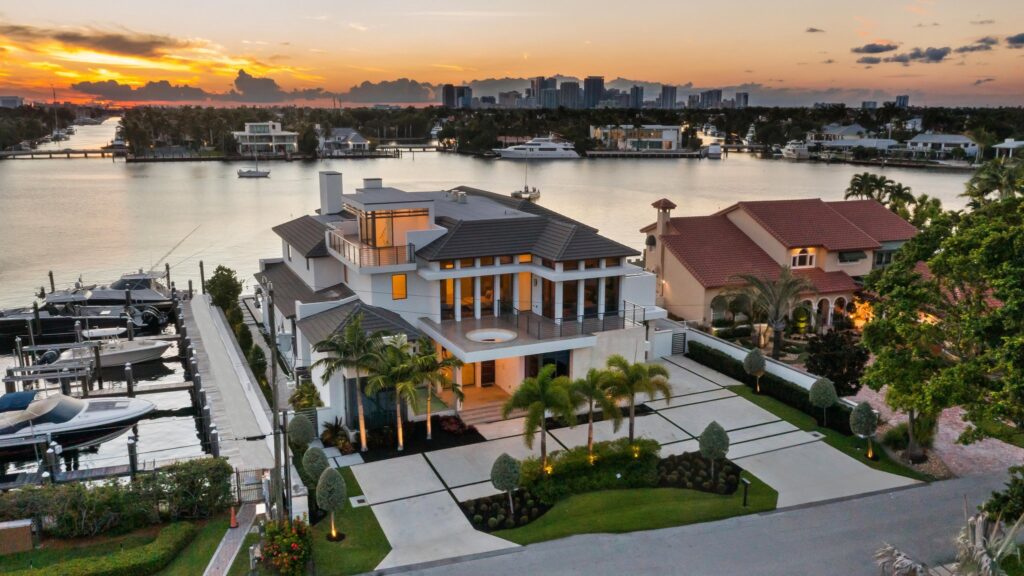
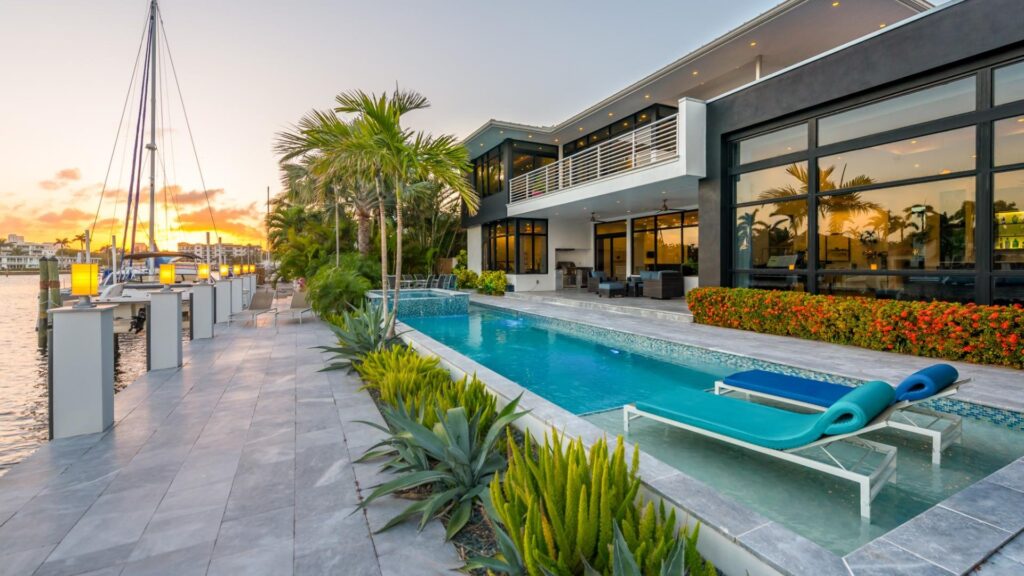
Waterfront single-family homes represent the highest-appreciation segment in Fort Lauderdale but require the most specialized due diligence. Seawall age and condition, canal depth, bridge clearance, dock permit status, and riparian rights all affect both the property’s value and its carrying costs.
A seawall replacement in Broward County runs $1,000 to $1,500 per linear foot. A 60-linear-foot lot costs $60,000 to $90,000 to replace.
Investors who don’t schedule a licensed marine contractor inspection during the contract period, separate from the general home inspection, often discover these costs after closing. Budget the seawall inspection on Day 1 of the 15-day Florida As-Is inspection period.
What Should You Evaluate Before Investing in Fort Lauderdale?
Neighborhood Investment Profiles
Fort Lauderdale’s neighborhoods have materially different investment profiles. Choosing the wrong one for your strategy is the most common avoidable mistake.
- Las Olas Isles: Deepwater canal access, boat-friendly bridge clearances, proximity to Las Olas Boulevard.
- Premium waterfront appreciation play. Entry point $1.5M to $5M+. Rental yields are lower due to purchase price, but capital appreciation is strongest.
- Coral Ridge: Mid-canal single-family inventory, good school access, consistent long-term tenant demand. Better yield profile than Las Olas Isles with lower entry point ($800K to $1.5M).
- Victoria Park: Walkable to Las Olas, strong professional renter demographic, mix of single-family and condo. Best for long-term rental investors who want urban proximity.
- Harbor Beach: Gated, deepwater access, ultra-luxury segment ($3M to $10M+). Long-term hold appreciation play, not a yield strategy.
Investment Property Tax Assessment
Unlike a primary residence, an investment property in Florida does not qualify for the homestead exemption or the Save Our Homes 3% cap.
The property is reassessed to market value at the time of purchase. An investor buying a property where the current owner has had the homestead exemption for 20 years will see a significant tax increase in year one.
Model taxes using the purchase price multiplied by the Broward County millage rate for the specific municipality, not from the seller’s current tax bill.
The Broward County Property Appraiser’s estimator at bcpa.net calculates the estimated tax bill at any purchase price.
How Do You Build a Real Estate Investment Strategy in Fort Lauderdale?
Step 1: Define your strategy before your property search
Long-term rental, short-term rental, and waterfront appreciation are three different businesses with different underwriting models, management requirements, and exit timelines.
Pick one before you start touring. Investors who search broadly across all three simultaneously typically overpay for a property that partially fits two strategies and excels at none.
Step 2: Underwrite to actual costs, not asking price
- Property taxes: Based on the full market value, without a homestead exemption.
- Homeowner’s insurance: Approximately $10,000–$25,000 annually for properties in the $1M–$2M range.
- Flood insurance: Approximately $3,000–$8,000 annually for properties in Zone AE, where coverage is required.
- HOA fees: Apply to properties in communities or buildings with an HOA.
- Maintenance: Ongoing costs for landscaping, repairs, pool care, seawalls, and other property upkeep can significantly affect net yield.
- Overall ownership costs: These expenses can substantially increase total ownership costs beyond the mortgage payment.
Step 3: Verify short-term rental eligibility before making an offer
If your strategy depends on short-term rental income, verify three things before you submit an offer: the municipality’s STR registration requirements, the HOA CC&Rs (if applicable), and whether the property’s flood zone designation affects short-term rental insurance availability. Discovering any of these restrictions after the inspection period closes is common and expensive.
Step 4: Use the Florida As-Is inspection period fully.
Florida’s standard purchase contract gives buyers a 15-day inspection period with the right to cancel for any reason.
For investment properties, use this period to complete a general home inspection, a wind mitigation inspection for insurance purposes, and a seawall inspection if it’s waterfront.
Renegotiate or cancel based on your findings; don’t close on a property with unresolved structural issues that affect the investment thesis.
Step 5: Build your local team before you need them
Property managers, licensed marine contractors, insurance brokers who write investment property flood policies, and a CPA familiar with Florida real estate taxation are all easier to vet before you are under contract than after.
The Dotoli Group can refer investors to professionals across all of these categories who have worked on Fort Lauderdale investment transactions.
For an overview of what a Fort Lauderdale investment looks like from underwriting through close, see investing in Fort Lauderdale real estate.
What Mistakes Do Fort Lauderdale Real Estate Investors Most Commonly Make?
Modeling taxes from the seller’s tax bill. Investment properties are reassessed at purchase. A seller with a 20-year homestead exemption pays a fraction of what the buyer will owe in year one. Always calculate taxes at full market value using the Broward County millage rate.
Buying in an HOA community without reading the CC&Rs first. Short-term rental income strategies can be blocked entirely by HOA restrictions that are buried in the CC&Rs. Verify this information before making an offer, not during the inspection period.
Skipping the seawall inspection on waterfront investment properties. A $500 to $1,000 marine contractor inspection can surface $60,000 to $90,000 in seawall repair costs. This isn’t a home inspector’s assessment; a licensed marine contractor must do it separately.
Underestimating short-term rental operating costs. Gross revenue from Airbnb listings doesn’t reflect management fees (20-30%), cleaning costs, platform fees, higher insurance premiums, or more frequent maintenance due to tenant turnover. Net yield after all operating costs matters.
Overweighting appreciation in the underwriting model. Fort Lauderdale has appreciated 59% over five years. That figure is real. Underwriting a deal that only pencils if appreciation continues at that rate is not an investment strategy; it is speculation. Every deal should cash flow or break even at current rents before you apply appreciation assumptions.
For a deeper look at the tax advantages of Fort Lauderdale ownership, see why wealthy buyers choose Fort Lauderdale for luxury living.
Is Fort Lauderdale a Good Market for Real Estate Investment Right Now?
Fort Lauderdale’s fundamentals remain strong in September 2026. The structural drivers supply-constrained waterfront inventory, Florida tax structure, and consistent domestic and international buyer demand have not changed.
The market has slowed from its 2021 to 2023 pace, which is a feature for investors: more negotiating room, longer days on market, and fewer all-cash offers above ask.
The current environment rewards buyers who can move quickly on well-priced inventory and who have done the underwriting work before they find the property.
Investors who are pre-approved, have a local team in place, and know their target neighborhoods are positioned better today than at any point in the past three years.
For an analysis of current buyer and seller market conditions, see whether Fort Lauderdale is a buyer’s or seller’s market.
Frequently Asked Questions
What type of property gives the best return on investment in Fort Lauderdale?
It depends on your strategy. Long-term single-family rentals in Coral Ridge and Victoria Park produce gross yields of approximately 4% to 6% with lower management intensity.
Short-term rentals near the beach or Las Olas can produce higher gross revenue but carry 20% to 30% management fees, higher insurance costs, and regulatory compliance requirements.
What is the average property price for an investment in Fort Lauderdale?
Broward County’s median home price was $620,000 in Q1 2026 (Florida Realtors). Fort Lauderdale’s non-waterfront single-family investment entry point starts around $650,000 to $900,000 in neighborhoods with good long-term rental demand. Waterfront investment properties start at $1.2 million and can exceed $5 million for deepwater lots with dock access.
What are the tax benefits of investing in Fort Lauderdale real estate?
Florida charges 0% state income tax, which directly increases net rental income compared to high-tax states. Investors can also deduct mortgage interest, property taxes, and depreciation at the federal level.
The Florida homestead exemption does not apply to investment properties; budget property taxes at full market value using Broward County’s 19- to 21-mill rate. Consult a CPA familiar with Florida real estate taxation before finalizing your investment model.
Which Fort Lauderdale neighborhoods are best for real estate investment?
It depends on strategy. For long-term rental yield: Coral Ridge and Victoria Park offer consistent demand from professional tenants at reasonable entry prices. For short-term vacation rental: properties within walking distance of Las Olas Boulevard and the Intracoastal perform best.
For appreciation and waterfront premium: Las Olas Isles and Harbor Beach have the strongest capital growth trajectory. For emerging urban rental demand: Flagler Village has the highest growth potential in the current cycle.
Do short-term rental regulations affect Fort Lauderdale investment properties?
Yes. Fort Lauderdale city requires a Certificate of Use for short-term rentals, and operators must comply with occupancy, noise, and parking ordinances. Broward County has a separate registration requirement. HOA communities may prohibit short-term rentals entirely regardless of local regulations.
Verify STR eligibility before making an offer on any property where the investment thesis depends on short-term rental income.
Fort Lauderdale’s Investment Market Rewards Preparation, Not Timing.
The investors who perform here know their target neighborhood before they find the property, have their financing structured before they make the offer, and have a team in place before the 15-day inspection period opens.
The Dotoli Group has closed over $1 billion in Fort Lauderdale residential sales since 2013 and ranks #1 as Fort Lauderdale’s largest team and #22 in Florida by volume (RealTrends Verified 2026).
Whether you are deploying capital for the first time in Fort Lauderdale or adding to an existing portfolio, the team provides transaction-level data from recent closed deals across every major neighborhood.