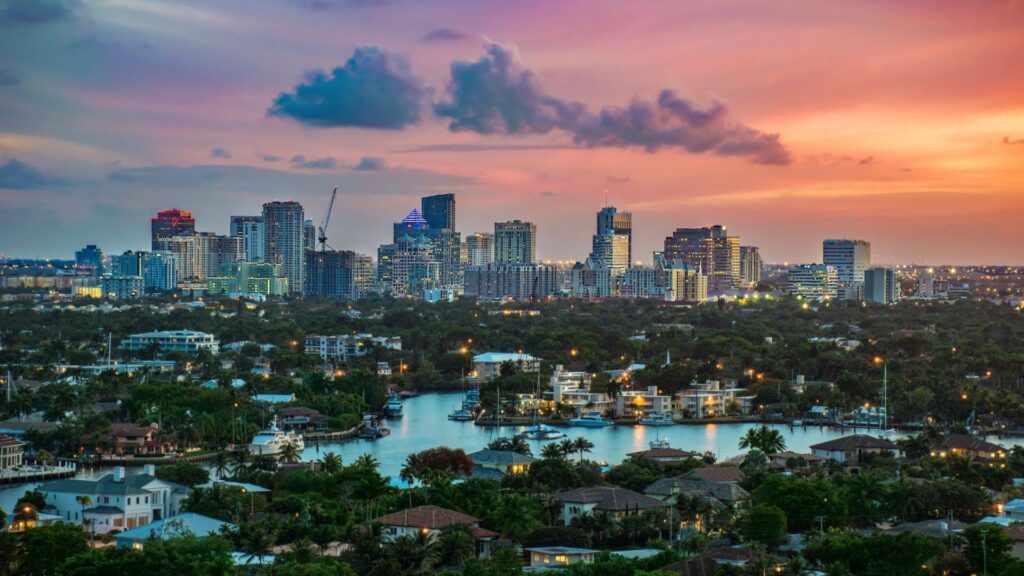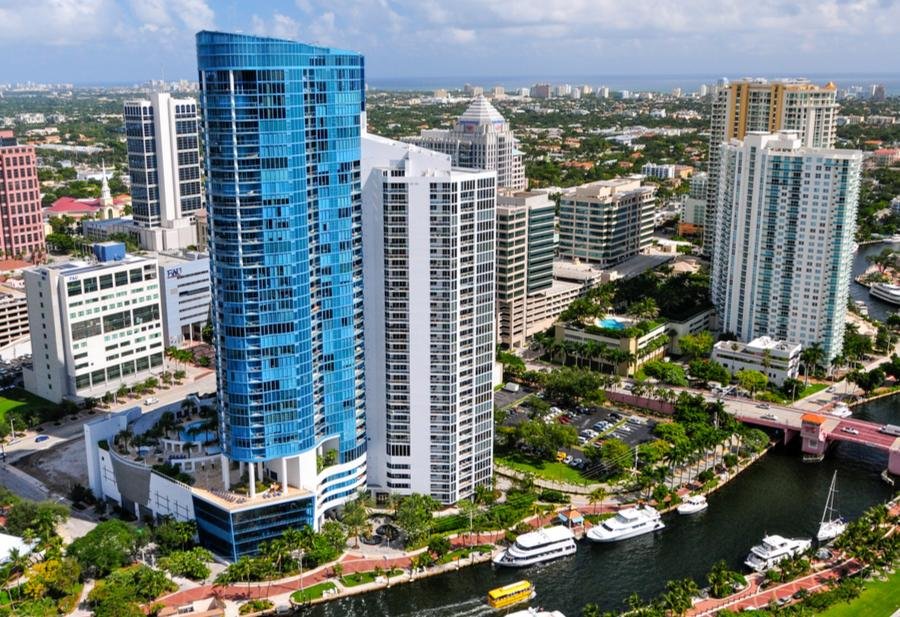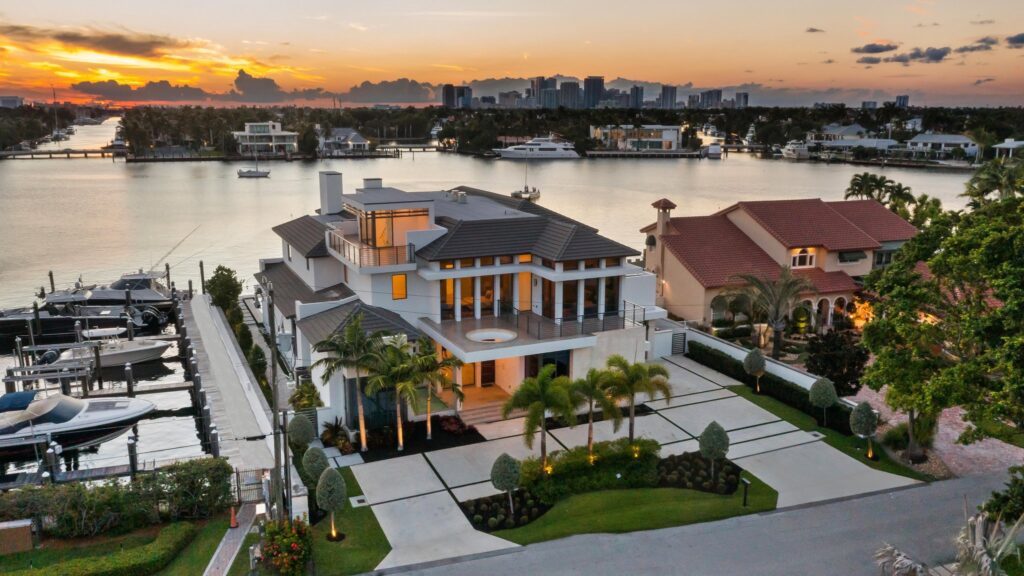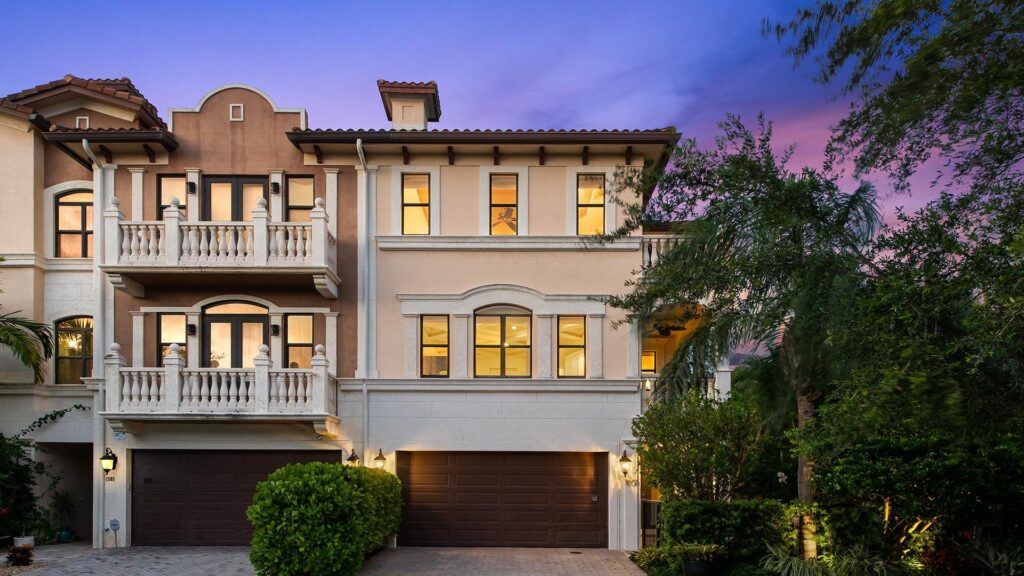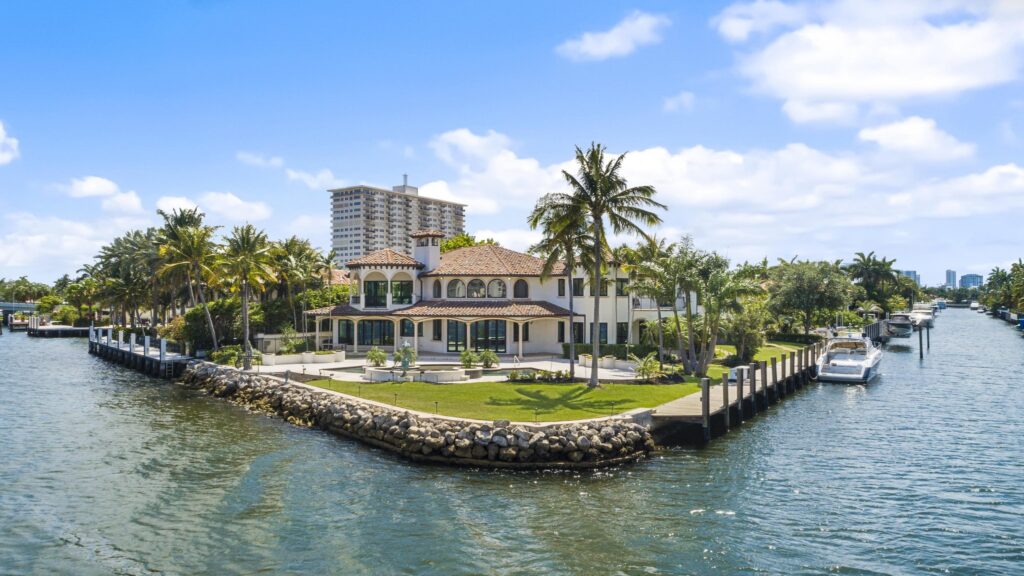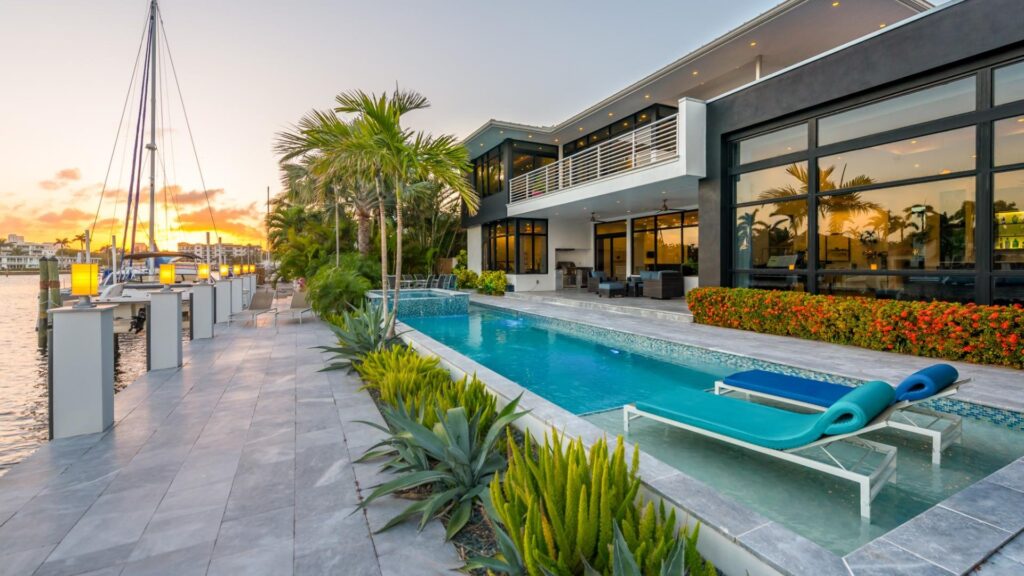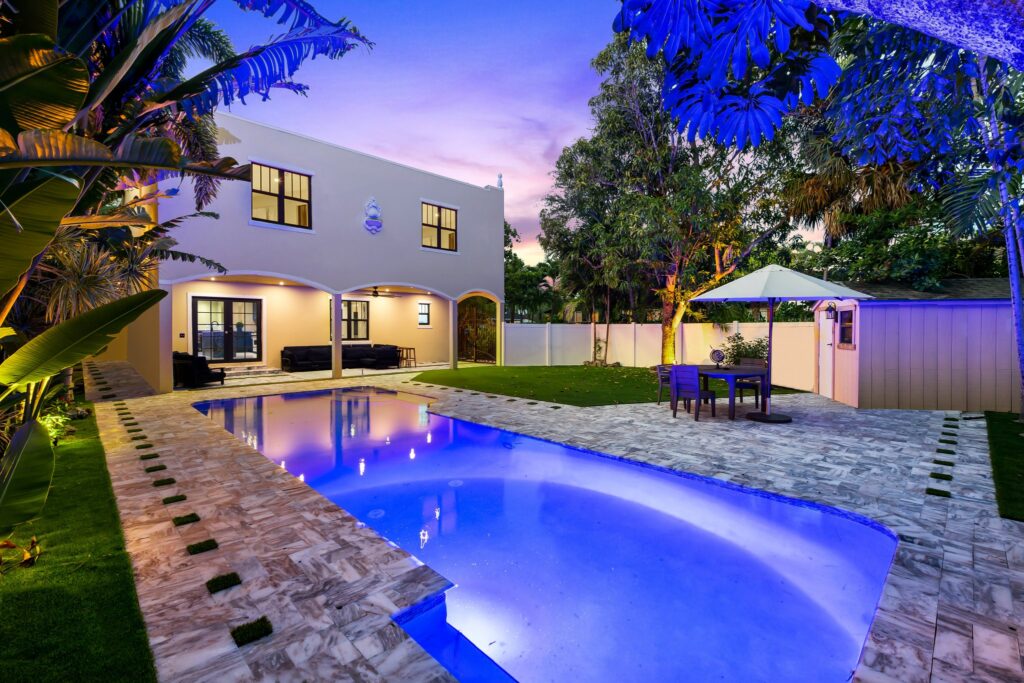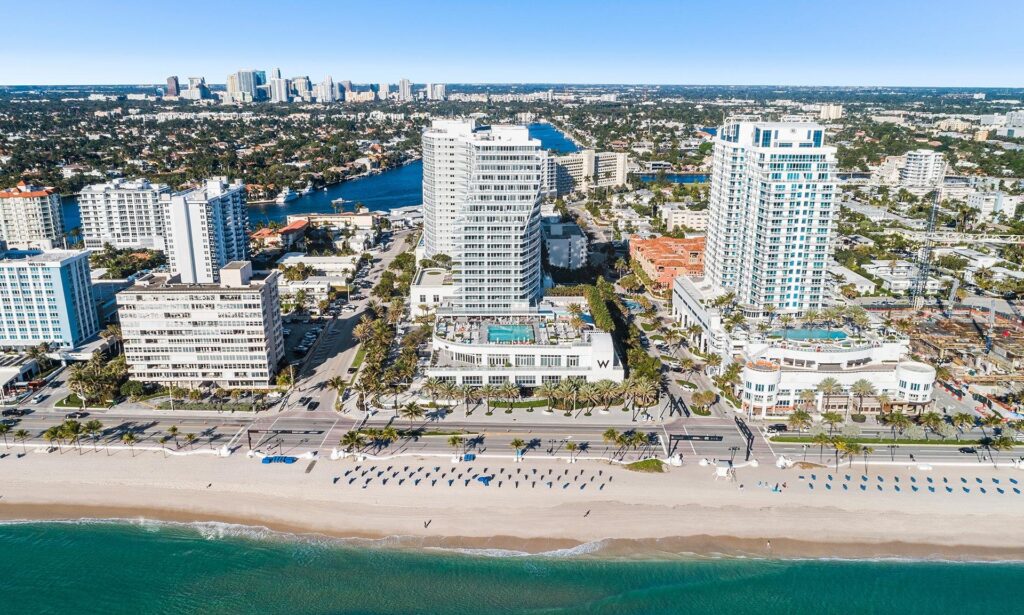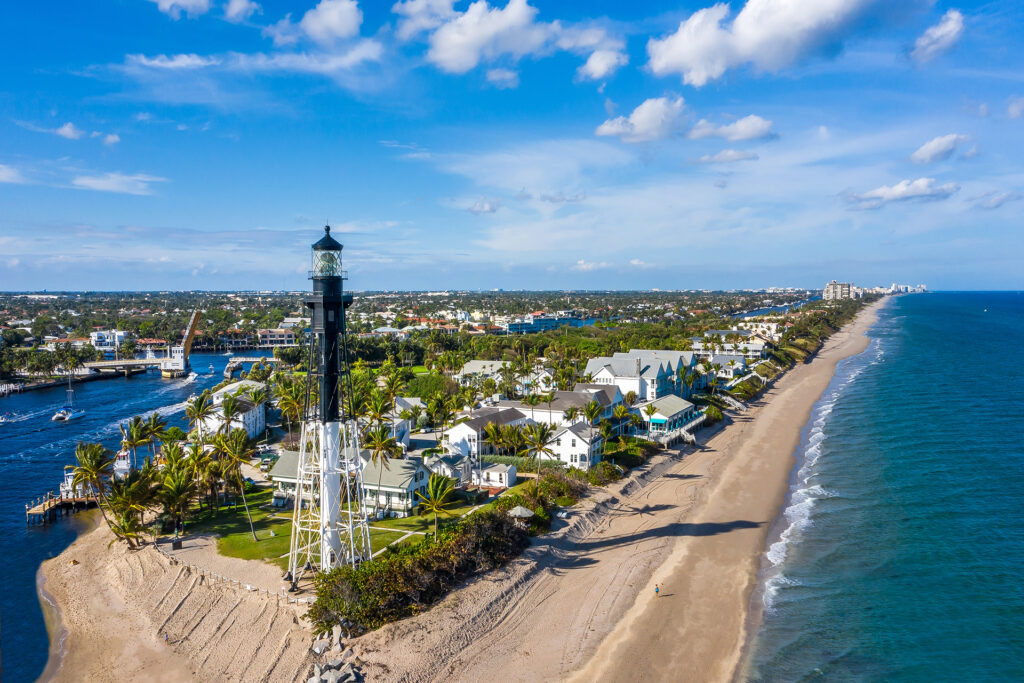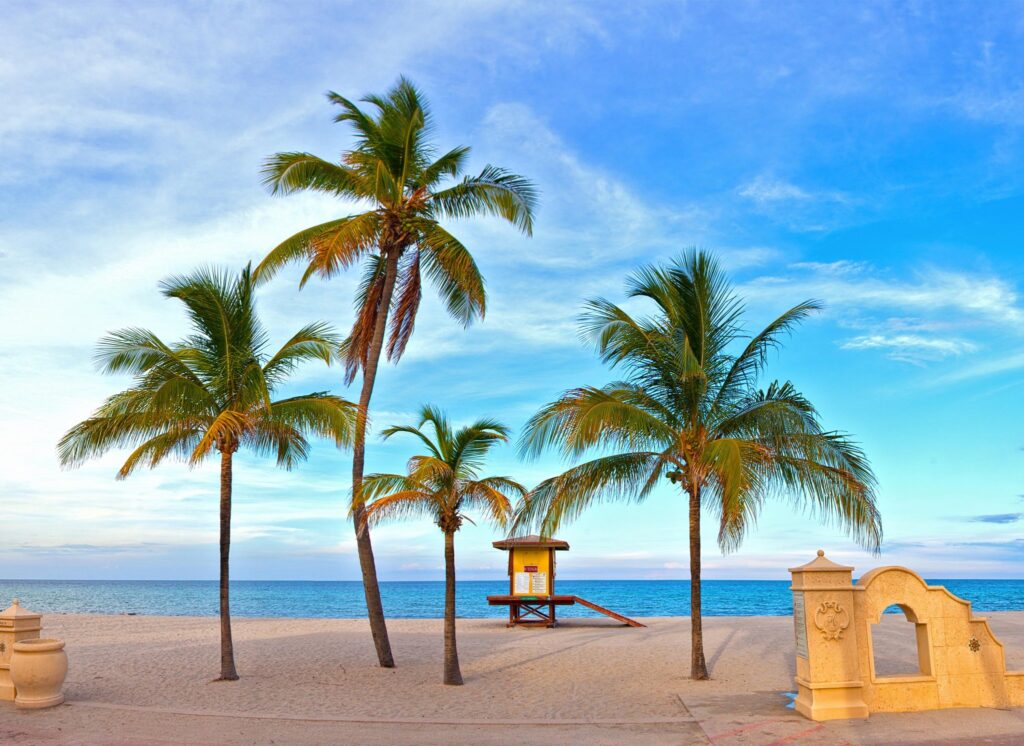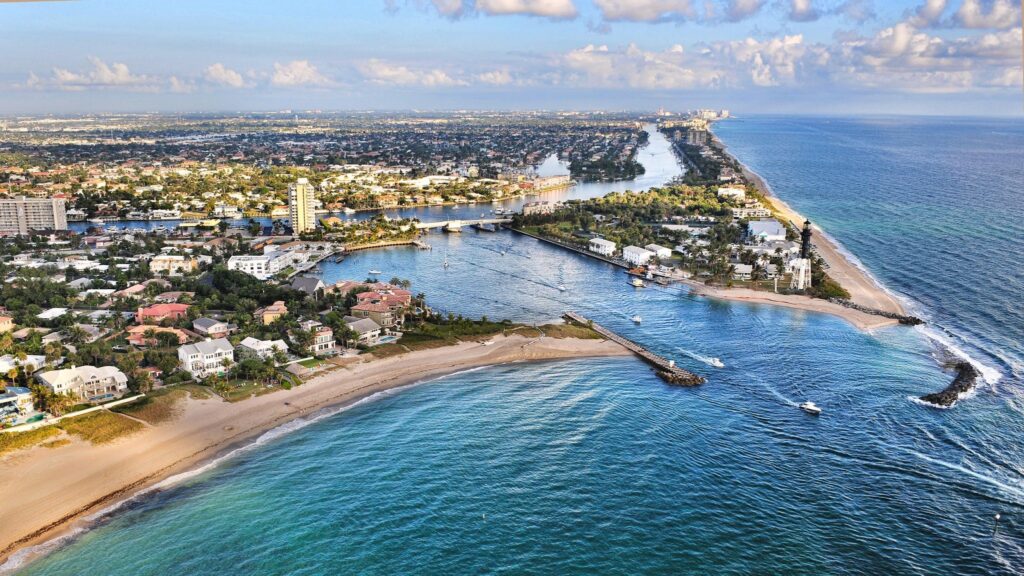


Fort Lauderdale is one of the few places in the United States where a home buyer can dock a boat behind the house, be on open water within 20 minutes, and reach the Bahamas the same day. The city’s canal network covers more than 300 miles of navigable inland waterways across the greater Fort Lauderdale area, earning it the nickname “Venice of America.” That infrastructure is not incidental to real estate here. It is the product.
For buyers evaluating Fort Lauderdale’s waterfront neighborhoods, boating access is one of the most direct determinants of property value, carrying cost, and lifestyle fit.
This article covers which neighborhoods have the best boating access, what private dock ownership actually involves, what the Bahamas run looks like in practice, and what the full cost structure of a boating-focused Fort Lauderdale home looks like before you close.
Why Do Fort Lauderdale Home Buyers Choose Waterfront Neighborhoods?
Fort Lauderdale’s appeal to boating buyers is geographic. The city sits between the Intracoastal Waterway and the Atlantic Ocean, with a canal network that connects most waterfront neighborhoods directly to navigable water without trailering or marina fees.
Buyers who prioritize boating access don’t have to choose between city living and waterfront living. In Las Olas Isles, Seven Isles, and Idlewyld, those are the same choice.
300+ Miles of Navigable Waterways
The canal and waterway network in the greater Fort Lauderdale area spans more than 300 miles, more than any other city in the continental United States. Most are navigable for vessels up to 50 feet, depending on bridge clearances and canal width.
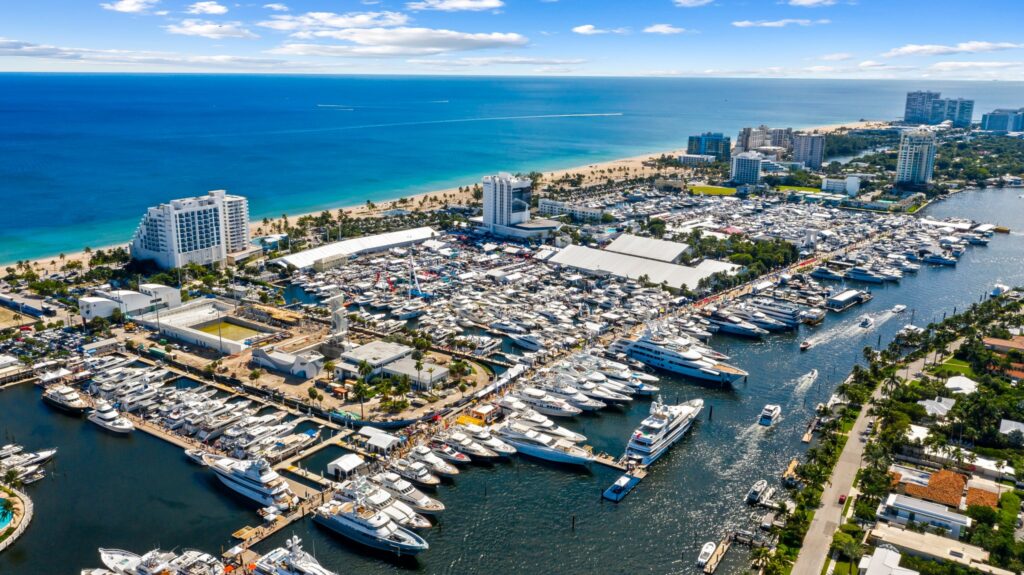
Properties on these canals have direct boat-to-water access from a private dock, which is the defining feature that separates Fort Lauderdale waterfront real estate from beachfront real estate in other Florida markets. The Fort Laud
erdale International Boat Show, the world’s largest in-water boat show, according to the National Marine Manufacturers Association, is held here each October or November, reflecting how central boating culture is to the city’s identity.
Year-Round Boating Season
Fort Lauderdale averages 246 sunny days per year according to NOAA, and ocean water temperatures range from 72°F in winter to 85°F in summer.
There is no off-season for boating here. Buyers relocating from seasonal markets where boats are trailered and stored for five or six months find the carrying cost and usage math changes significantly when a boat stays in the water 365 days a year.
Which Fort Lauderdale Neighborhoods Have the Best Boating Access?
Not all of Fort Lauderdale’s waterfront neighborhoods offer the same experience. Differences in canal width, bridge clearance, and distance to open water affect what size vessel a buyer can dock and how quickly they can get offshore.
Las Olas Isles
Las Olas Isles sits on finger canals connected directly to the Las Olas Inlet, which provides ocean access without navigating the full ICW. Most lots accommodate vessels up to 60 feet on the larger canals.
The inlet is a no-wake zone through the residential canal network, with open-water conditions beginning just past the inlet. This neighborhood is the first choice for buyers who want deepwater access minutes from the dock.
Seven Isles and Idlewyld
These two neighborhoods occupy wider Intracoastal-adjacent canals on Fort Lauderdale’s north side. Lots are larger, setbacks more generous, and canal widths accommodate vessels up to 80 feet and above in the most favorable positions.
Estate-scale deepwater docks are common here. Properties start around $3 million for non-waterfront and reach $10 million and above for the most desirable deepwater positions.
Rio Vista and Tarpon River
Both neighborhoods offer canal access on Fort Lauderdale’s south side with a more varied inventory of single-family homes and smaller lots. Rio Vista’s canals connect to the New River, providing Intracoastal access heading north and ocean access via Port Everglades heading south.
Bridge clearances on the New River are lower than in Las Olas Isles, which limits vessel height more than length. Buyers with sailboats or vessels with tall superstructures should verify bridge clearances on their specific route before purchasing in these corridors.
What Does It Actually Cost to Own a Boating-Friendly Home in Fort Lauderdale?
The purchase price is one line item. Buyers new to Fort Lauderdale’s waterfront market consistently underestimate the annual cost structure that comes with boating-access property.
Dock and Seawall Maintenance
Annual dock and seawall maintenance on a standard residential dock runs $3,000 to $8,000 depending on dock age, seawall condition, and whether the property has a boat lift or davit system.
Seawall replacement when required runs $500 to $1,200 per linear foot, meaning a 100-linear-foot seawall represents a $50,000 to $120,000 liability if left unassessed before closing.
A full breakdown of what to inspect and budget for is in the guide on Fort Lauderdale waterfront homes with private docks.
Insurance
Homeowner’s and flood insurance in Fort Lauderdale’s waterfront segment runs $18,000 to $50,000 annually at the luxury price point depending on replacement value, flood zone, and wind mitigation features.
Properties on navigable canals often sit in FEMA AE zones, which triggers mandatory flood insurance for financed buyers. Full cost breakdown is in the Fort Lauderdale waterfront home insurance guide.
Total Monthly Carrying Cost
For first-time buyers purchasing waterfront property in Fort Lauderdale, budgeting 15 to 20 percent above the mortgage payment to cover insurance, property taxes, dock maintenance, and HOA fees is a reasonable starting point.
Waterfront HOA fees in Fort Lauderdale’s gated communities run $400 to $2,500 per month depending on amenity level. Model these costs at current market rates before comparing properties across neighborhoods.
What Should Home Buyers Know About Private Docks in Fort Lauderdale?
A private dock is not automatically included with a waterfront property, and not every canal-front lot has a permitted dock. Buyers need to verify dock permitting status, seawall condition, and boat lift specifications before committing.
Permit Requirements
Broward County requires permits for dock construction, modifications, and boat lift installation. Buyers should request the permit history for any dock on a property and confirm all additions are fully permitted and closed.
An unpermitted dock addition creates a liability for the buyer after closing, not the seller. In some cases, the new owner must remove unpermitted structures at their expense.
HOA Dock Restrictions
Dock ownership in gated waterfront communities is subject to HOA approval for modifications. Some communities restrict dock lighting, vessel size, and the number of vessels per dock position.
Reviewing the HOA documents for dock-specific restrictions is standard due diligence for any Fort Lauderdale waterfront purchase.
How Do You Get from Fort Lauderdale to the Bahamas by Boat?
Bimini in the Bahamas is approximately 55 nautical miles from Port Everglades in Fort Lauderdale, making it one of the shortest offshore runs to international waters from any major U.S. city. (Source: NOAA Nautical Charts) On a vessel capable of 25 to 30 knots, the crossing takes approximately two hours in favorable conditions.
For Fort Lauderdale waterfront homeowners with an appropriately sized offshore vessel, the run to the Bahamas is a practical day trip, not an expedition.
Buyers purchasing with Bahamas access in mind should evaluate both the vessel’s offshore capability and the dock’s capacity for a boat sized for open-water crossings, typically 35 feet and above.
Las Olas Isles and Seven Isles properties with direct ocean access via the Las Olas or Port Everglades inlets are the most practical starting points for regular Bahamas runs.
What Boating Registrations and Permits Do Fort Lauderdale Homeowners Need?
Florida requires registration for all motorized vessels operated in state waters regardless of where the vessel is registered.
The Florida Fish and Wildlife Conservation Commission handles vessel registration, which renews annually for vessels under 16 feet and every two years for larger vessels. Registration fees vary by vessel length and range from approximately $30 to $150 for most recreational vessels.
Vessels documented with the U.S. Coast Guard, as an alternative to state titling, must still display a Florida registration number if primarily kept in Florida waters. Buyers bringing a vessel from another state have 90 days to obtain Florida registration after establishing Florida residency.
Fort Lauderdale’s residential canal network is subject to posted no-wake zones enforced by the Broward Sheriff’s Office Marine Unit, with fines for violations.
Looking for a Fort Lauderdale Home Where You Can Keep Your Boat?
Most of Fort Lauderdale’s waterfront inventory with private dock access and the right canal position for your vessel does not stay on the market long.
Dotoli Group works exclusively in Fort Lauderdale’s luxury and waterfront segments and can show you what is available right now, including what is not on Zillow or Realtor.com.
Tell us your vessel size and your neighborhood preferences. We will match the dock to the boat before you tour.