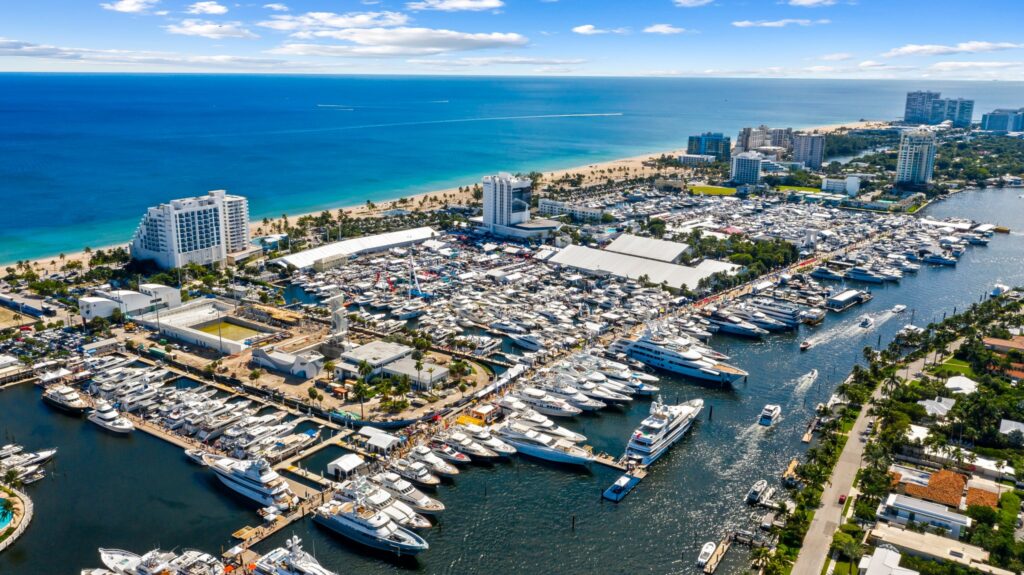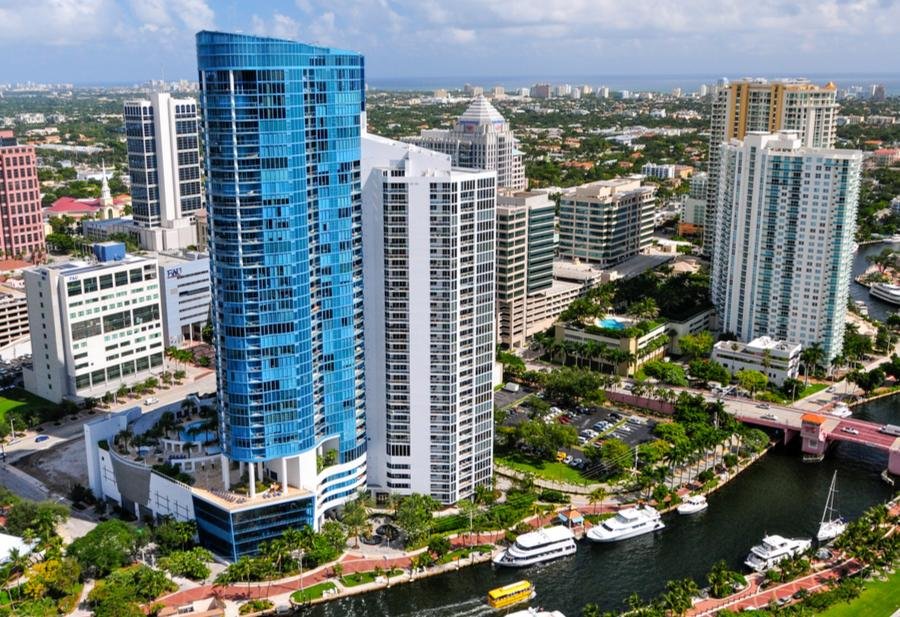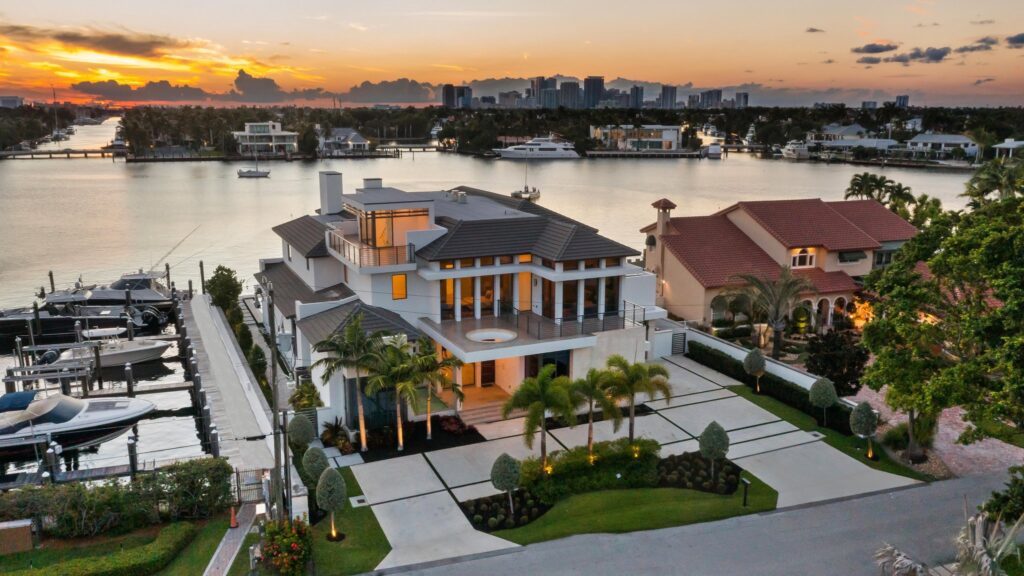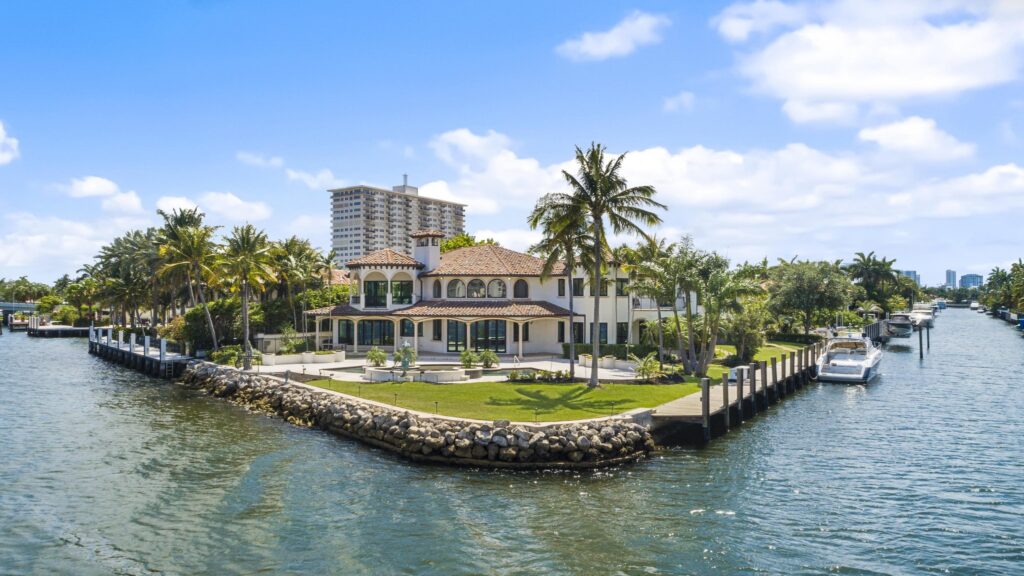
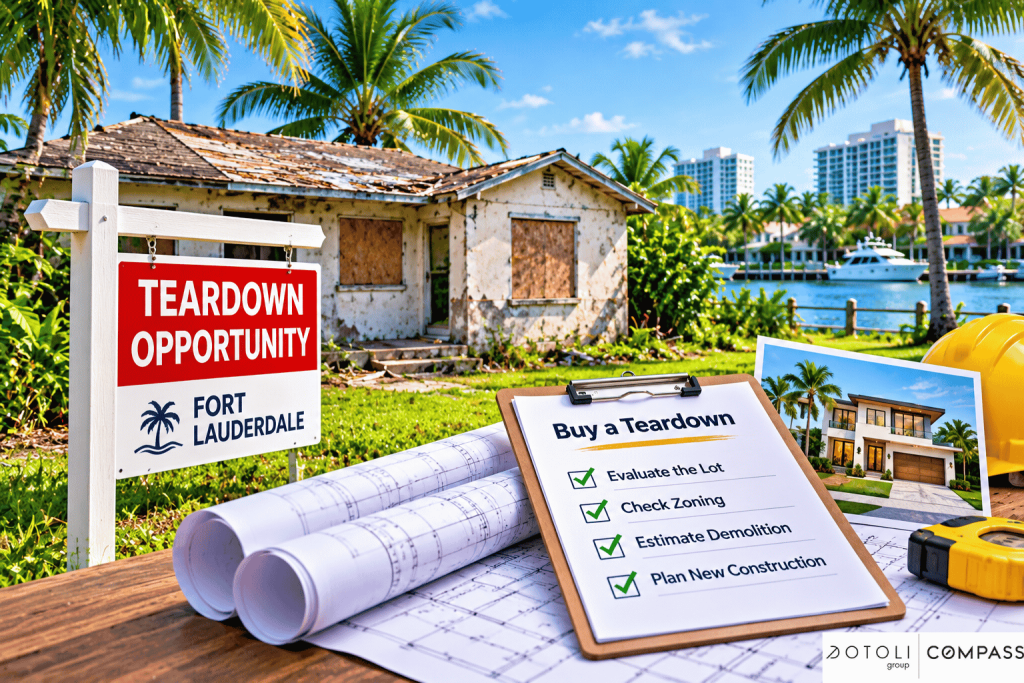

Buy an older waterfront home to tear down when the value is in the lot: its water frontage, its route to the ocean, its size, and its zoning. Before you make the offer, check four things a renovation buyer can skip: what the City lets you build there, the flood elevation the new house must meet, the seawall, and the permits and records on the old house.
How do you know if the lot is worth more than the house?
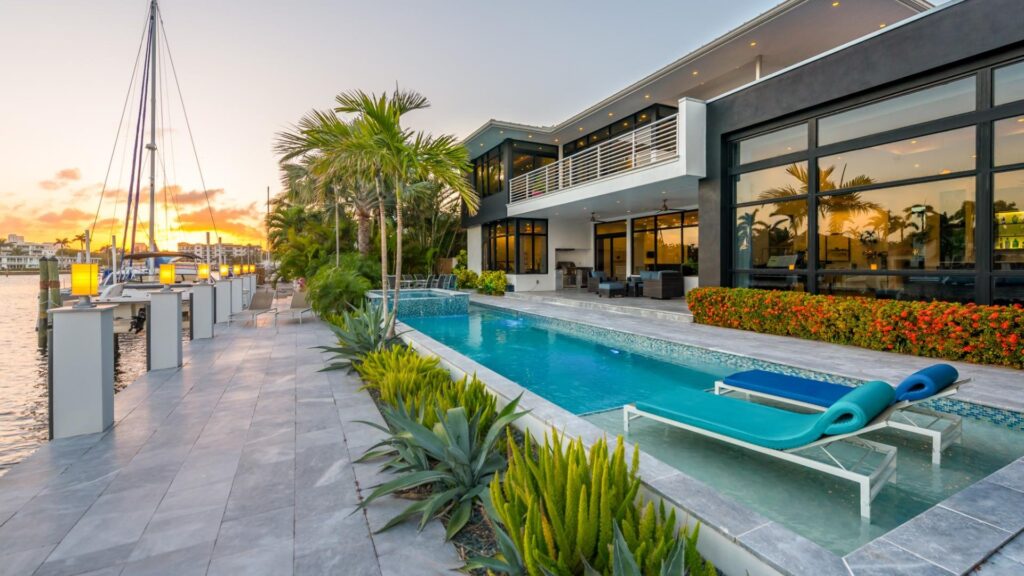
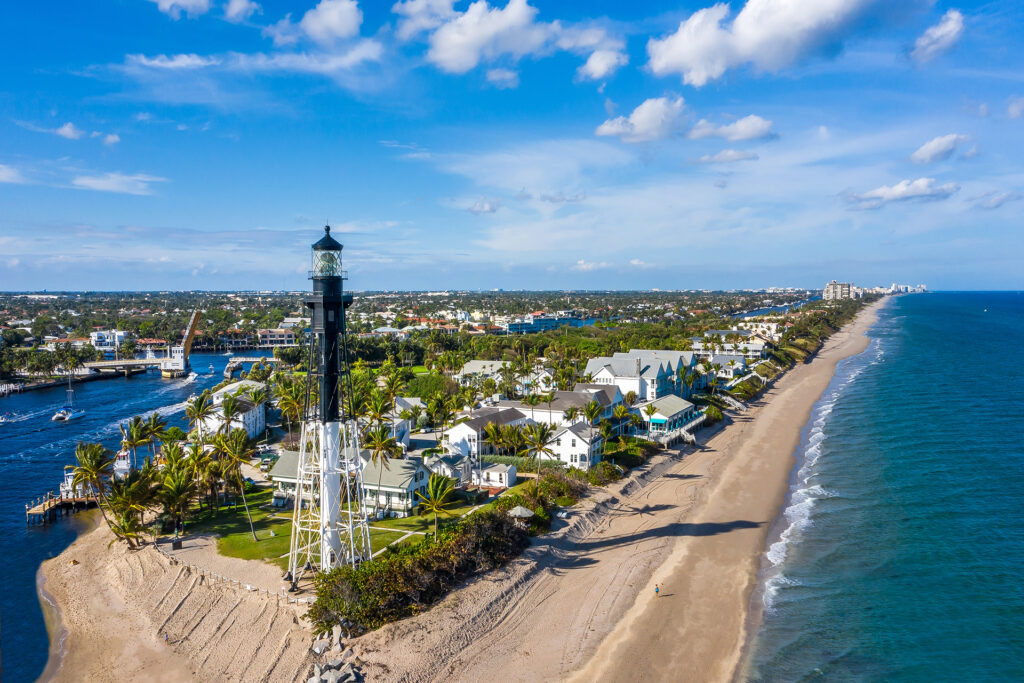
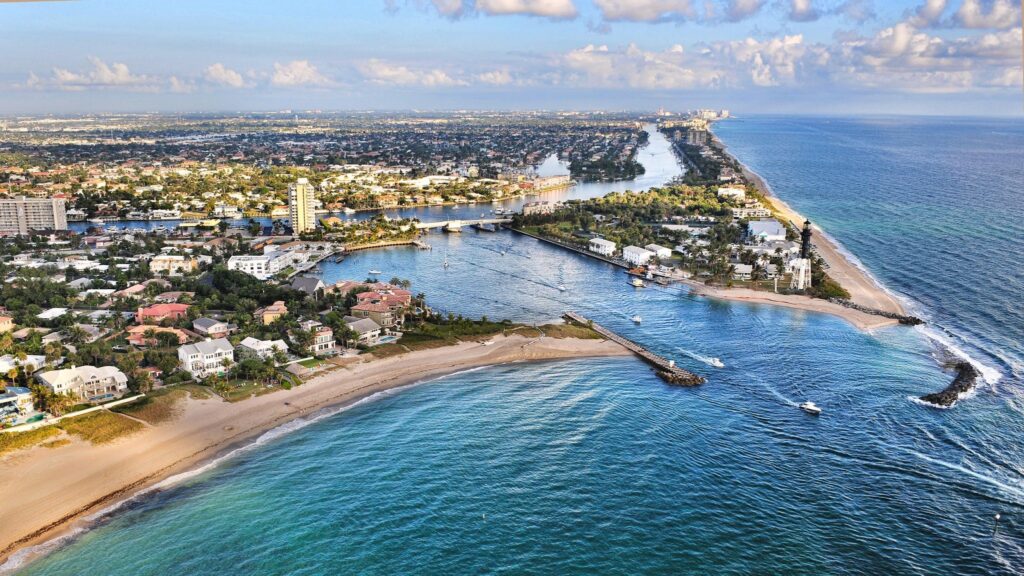
The house is a teardown when fixing it would cost close to a new house, or when a renovation would trigger rules that force the same result. The lot is the prize when it has what a buyer can’t add later: deep water, no fixed bridges on the way to the ocean, a wide canal, a point or long water frontage, and enough size to build what you want.
Start with the water, because it sets a waterfront lot’s value. Find the route to the ocean, the clearance of every bridge, the canal width, and the dock depth at low tide.
Our guides to point lots in Fort Lauderdale and the Las Olas Isles homes for sale page show how these features differ from one street to the next.
Can you renovate instead, or will the City make you rebuild?
In a flood zone, it depends on the 50 percent rule. If the cost of improving the house equals or exceeds 50 percent of the building’s market value, the City treats it as a substantial improvement, and the whole house must meet current flood rules, which usually means raising it. The City makes that determination, and a 2025 state law, SB 180, bars cities from adding past improvements to the look-back period.
Many older waterfront homes in Fort Lauderdale fail that test quickly, because the building’s market value is small next to the land value. Ask the City for its substantial improvement worksheet before you budget a renovation. If the numbers point to a rebuild, the house is a teardown whether you planned one or not.
What flood elevation will a new house need?
A new house in a flood zone must have its lowest floor at or above the base flood elevation on the FEMA flood map, plus at least 1 foot under the Florida Building Code, and the City can require more. Broward County’s current FEMA flood maps took effect on July 31, 2024, so check the lot on the new maps, not the old ones.
Raising the floor changes the whole design: the front steps, driveway slope, garage, and height limit all start from a higher point. An elevation certificate on the old house shows how far below today’s rules it sits. Read our guide to flood zones in Fort Lauderdale before you make the offer.
What should you check on the seawall?
Check the seawall’s height and condition, because it often needs replacing during a rebuild. Under Fort Lauderdale Ordinance C-23-05, adopted on March 23, 2023, new seawalls, and seawalls repaired past the 50 percent substantial repair threshold, must meet the City’s minimum top elevation, which steps up to 5 feet NAVD88. Many older walls sit well below that.
A seawall inspection during your inspection period tells you whether the wall can stay, needs a cap, or needs full replacement, and the cost belongs in your offer. Our seawall inspection guide explains what an inspector looks for.
What records should you pull on the old house?
Pull the permit history and the lien search before your inspection period ends. Open or expired permits, unpaid code fines, and an active unsafe structure case can all slow down a demolition permit or follow the property to you. Our guide to the Fort Lauderdale permit search walks through each record and where to find it.
Ask the seller for any asbestos survey, too. In Fort Lauderdale, the City’s demolition checklist, dated July 28, 2026, requires the Broward County asbestos statement, which must be filed at least 10 working days before demolition, along with letters from FPL, the gas provider and the City’s water department, a sewer cap or septic abandonment, and a Notice of Commencement when the job costs more than $5,000. None of that can start until you own the property, so it belongs in your timeline.
How do property taxes change on a teardown?
Expect the tax bill to change twice. When a property sells, the seller’s Save Our Homes cap ends, and the County reassesses the property at its full market value as of the next January 1 under Section 193.155 of the Florida Statutes. Then, under Section 192.042, a new house is added to the roll on January 1 once it is substantially complete. Ask the Broward County Property Appraiser for an estimate based on the purchase price, not the seller’s current bill.
How much time do you have to check all this?
Less than most buyers think. On the Florida Realtors and Florida Bar AS IS contract, the inspection period is 15 days if you leave the blank empty. That is enough for a survey, a seawall inspection, a permit and lien search, and a meeting with an architect, only if you start on day one. On a teardown, ask for a longer inspection period in the offer, and line up your surveyor, seawall inspector and architect before you sign.
What does a builder look for in a teardown lot?
Josh Dotoli is Principal of DOTOLI Development, a Fort Lauderdale waterfront home builder, so the team looks at a teardown lot the way a builder does. The first questions are not about the house. They focus on what can go on the lot: setbacks and height limits, flood elevation and how it affects the design, the seawall, the route to the ocean, and how long permits and demolition will delay the start of construction.
If you are comparing a teardown with a newer house, our guide to building vs buying in Fort Lauderdale sets out the trade-offs.
Should you sell your older waterfront home as a teardown?
If you own an older house on the water, many buyers will focus on the lot. Price and market it that way. Have the survey, elevation certificate, seawall inspection, and permit history ready, because teardown buyers ask for those first, and sellers with them can keep the inspection period short.
To talk about listing a waterfront home in the Isles, contact our team or see what we have sold.
Frequently asked questions
Is it worth buying a teardown in Fort Lauderdale?
It can be when the lot has strong water features, such as deep water and an easy route to the ocean, and the house would cost close to new construction to bring up to today’s flood rules. Check the City’s rules, the flood elevation, and the seawall before you make the offer.
Do you need a permit to tear down a house in Fort Lauderdale?
Yes. The City’s demolition permit needs the Broward County asbestos statement, utility letters, and a sewer cap or septic abandonment, among other items on its checklist.
Will I have to raise the seawall if I rebuild?
Not automatically, but new seawalls and seawalls repaired past the 50 percent threshold must meet the City’s minimum elevation under Ordinance C-23-05. Have the wall inspected during your inspection period.
Do property taxes go up after you buy a teardown?
Usually. The seller’s Save Our Homes cap ends at the sale, and the property is reassessed at market value as of the next January 1. A new house is added on January 1 once it is substantially complete.
How long is the inspection period on a teardown purchase?
On the Florida Realtors and Florida Bar AS IS contract, the inspection period is 15 days if the blank is left empty. Ask for more time on a teardown.