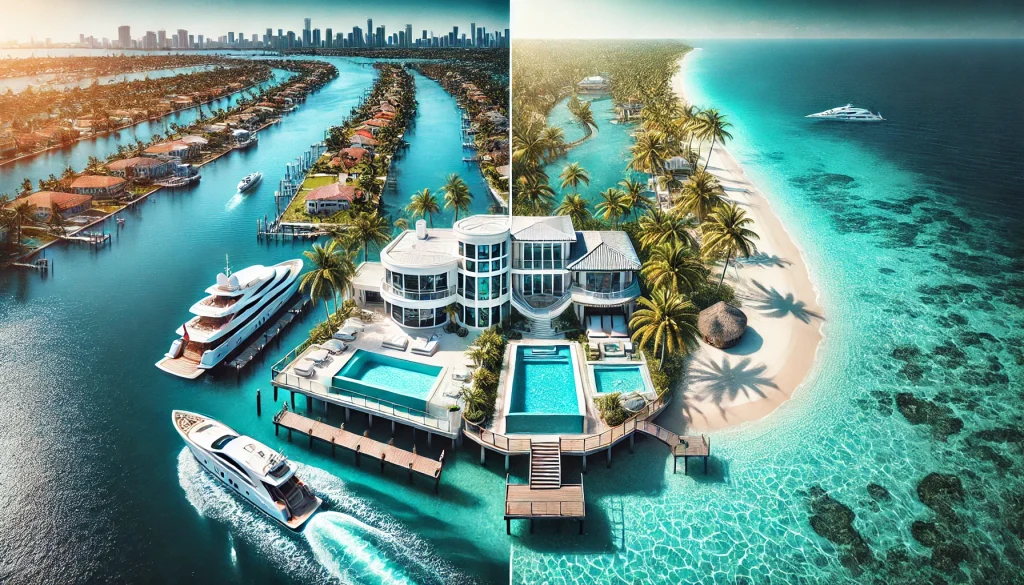

For buyers at the top end of the Fort Lauderdale market, the real decision often isn’t which neighborhood, it’s whether to buy a waterfront home at all or go further and buy a private island. Both offer direct water access and complete privacy, but they come with very different costs, maintenance demands, and lifestyles. Here’s how to think through the decision.
What Does Owning a Waterfront Home in Fort Lauderdale Actually Involve?
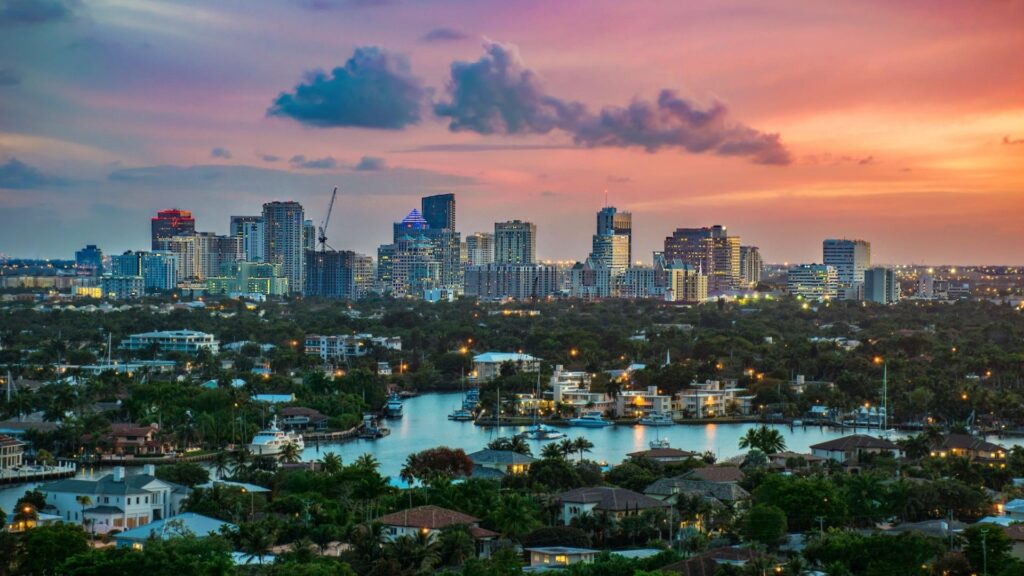
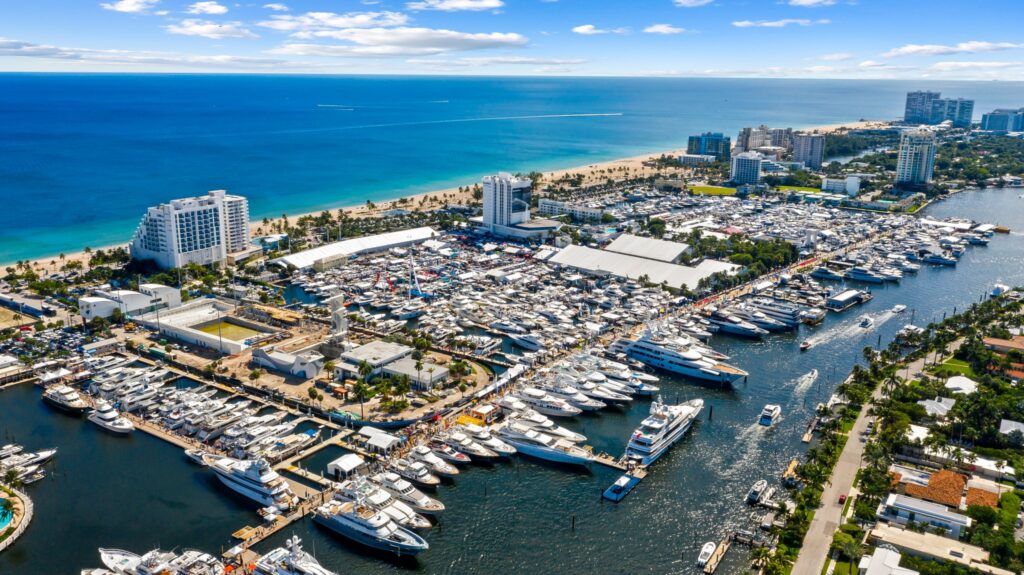
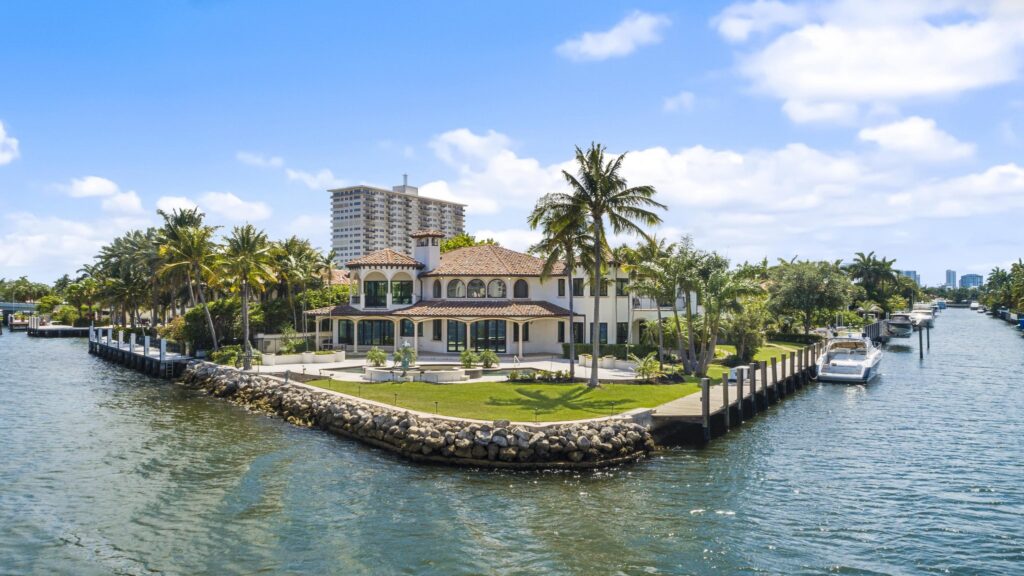
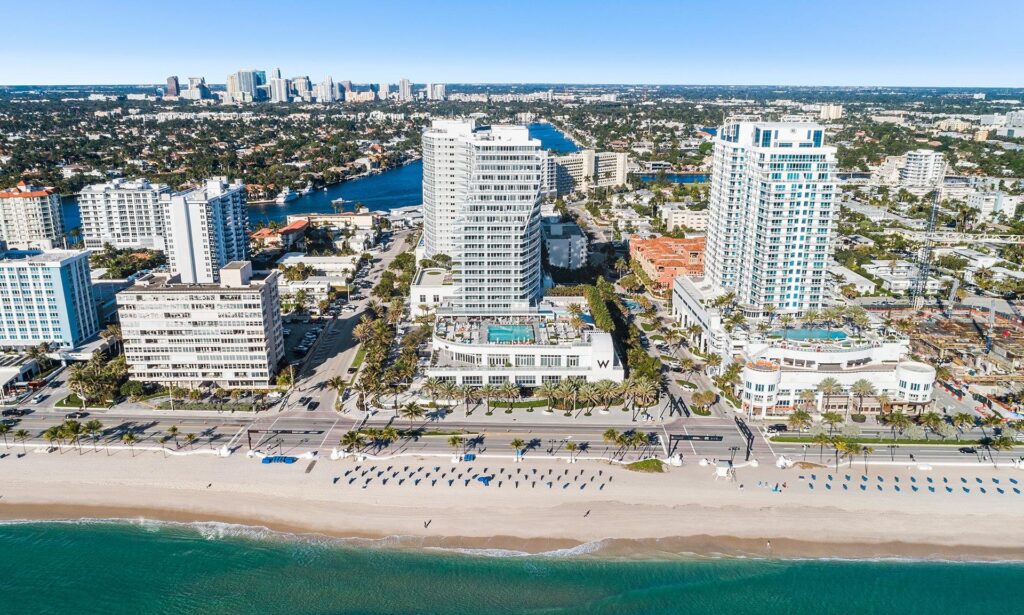
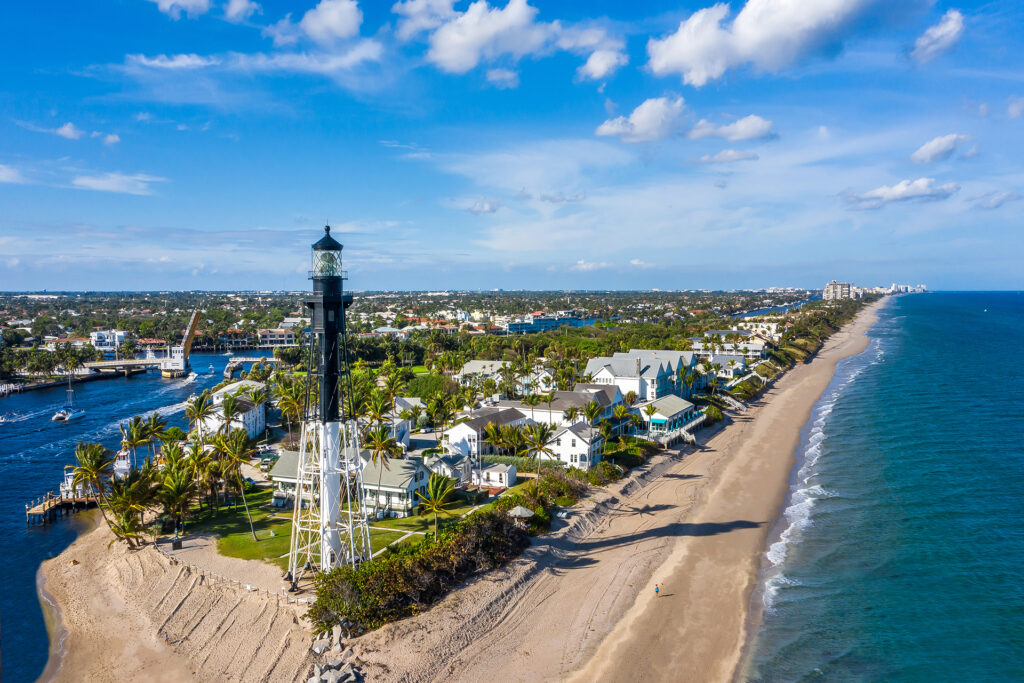
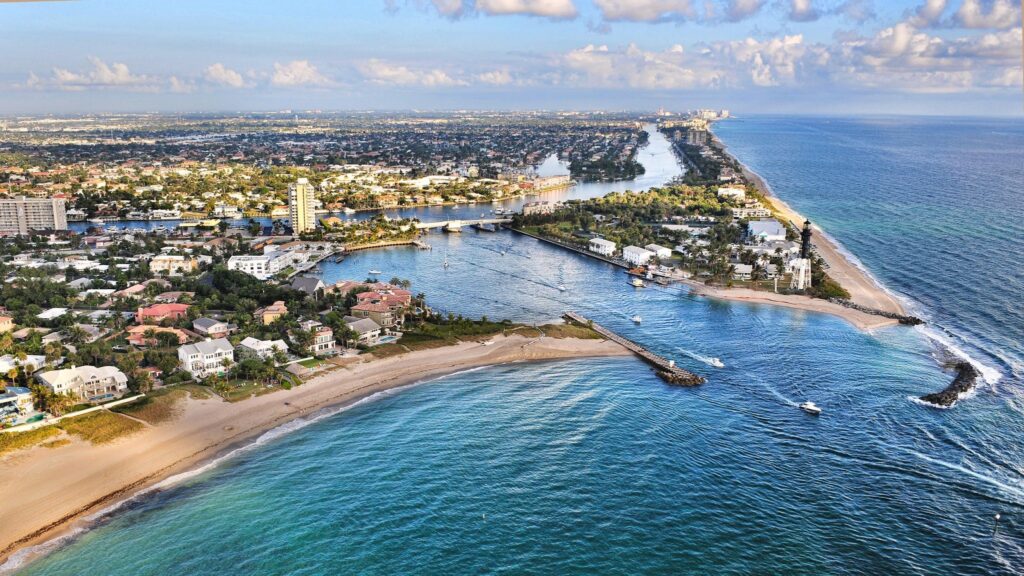
Fort Lauderdale’s waterfront homes sit along roughly 165 miles of canals within the city, part of a broader 300-mile inland waterway network across Greater Fort Lauderdale that earned the city its “Venice of America” nickname (Source: VisitLauderdale.com).
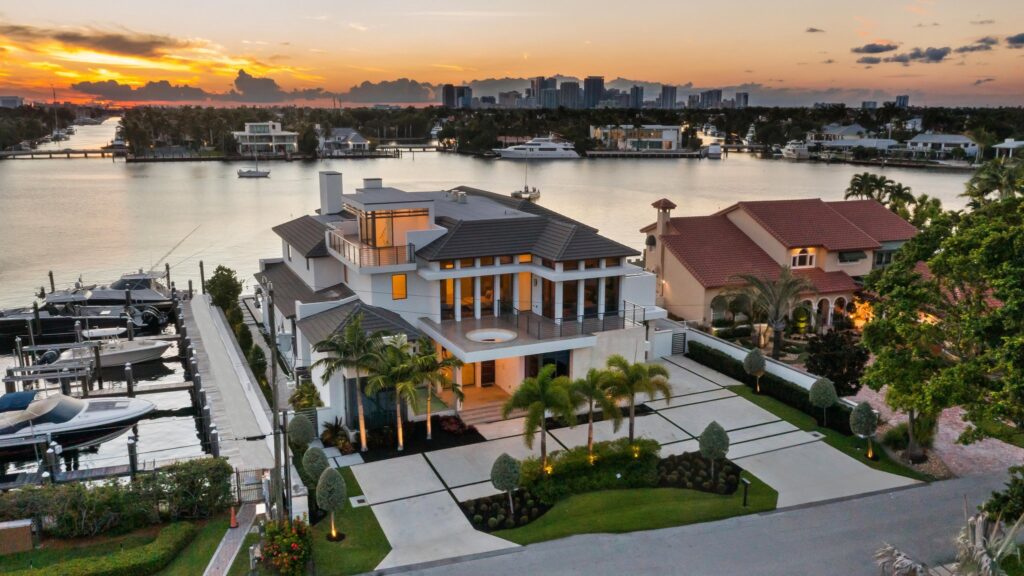
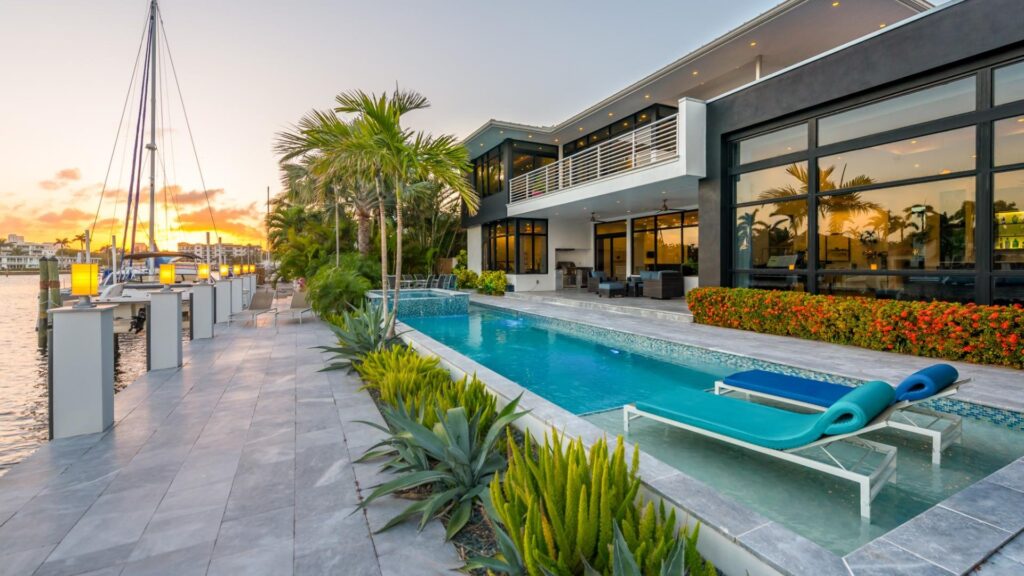
Most waterfront homes offer private dock access with direct routes to the Intracoastal and the ocean, full utility and service access, and established HOA or neighborhood infrastructure, all within minutes of downtown.
What Are the Advantages of a Waterfront Home Over a Private Island?
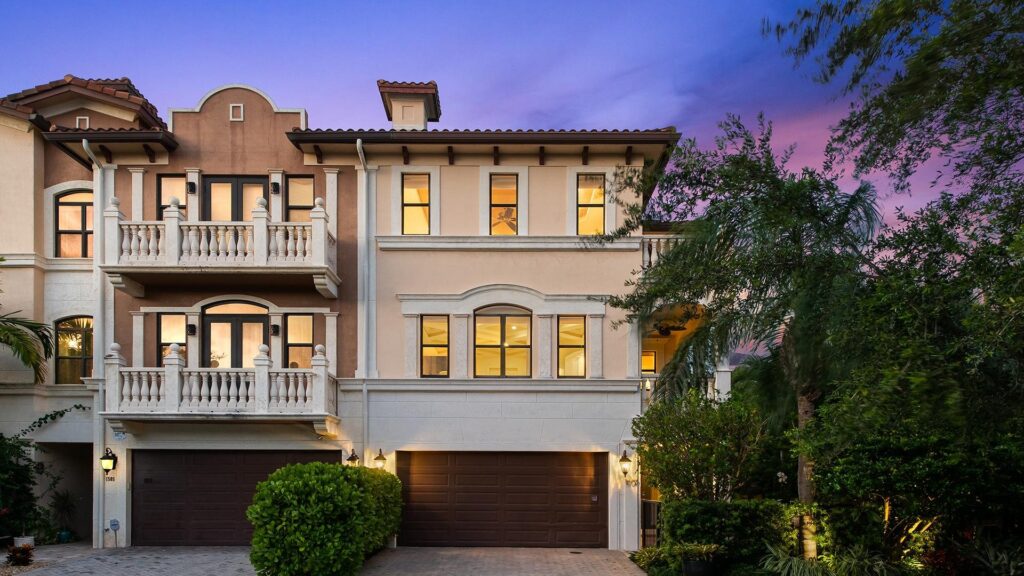
A waterfront home gives you water access without sacrificing convenience: you keep neighbors, city services, established roads, and proximity to dining, shopping, and the airport, while still having a private dock and boating access.
Maintenance is also more straightforward, since you’re working within an established neighborhood infrastructure rather than building and maintaining your own utilities, seawalls, and access from scratch.
What Are the Challenges of Waterfront Home Ownership?
The main challenges are cost and insurance. Ultra-luxury waterfront properties in Fort Lauderdale start at around $10 million in the top tier (Source: Premier Estate Properties, 2026), and flood and windstorm insurance is a mandatory additional cost added to the purchase price.
Seawall condition and dock maintenance also need ongoing attention, and HOA rules in gated waterfront communities can restrict renovations or rentals.
What Does Owning a Private Island Near Fort Lauderdale Involve?
A private island offers a level of privacy and exclusivity that no waterfront home, however secluded, can match. There is no road access and no neighbors, only the property and the water around it.
This comes with significant tradeoffs: you are typically responsible for your own utilities, water, and waste systems, as well as any structures or seawalls on the island, and access is entirely boat- or helicopter-dependent.
Private islands near Fort Lauderdale are rare, and pricing varies enormously based on size, location, and existing infrastructure, so working with a specialist who tracks this specific market is essential before assuming a number.
Which Is the Better Investment, a Waterfront Home or a Private Island?
Waterfront homes in established Fort Lauderdale neighborhoods have a deeper, more liquid resale market, with more comparable sales to benchmark value against and a broader pool of qualified buyers when it’s time to sell.
Private islands are a much thinner market: fewer comparable sales, a smaller buyer pool, and value that depends heavily on the specific island’s infrastructure and accessibility.
For most buyers, a waterfront home is the more reliably appreciating and more liquid asset, while a private island is closer to a trophy purchase than a conventional investment.
FAQ’s
1. How much does a waterfront home cost in Fort Lauderdale?
Prices vary widely by neighborhood and property, with the ultra-luxury tier starting around $10 million. More accessible canal-front homes can be found well below that figure, depending on the neighborhood and lot.
2. Can I buy a private island near Fort Lauderdale?
Private islands in the area are extremely rare and typically come to market infrequently. Working with a specialist who specializes in this niche is the only reliable way to find one.
3. Is it challenging to maintain a private island?
Yes. Owners are typically responsible for their own utilities, water, and waste systems, dock and seawall maintenance, and boat or helicopter access, none of which is handled by a neighborhood or HOA, as it would be on the mainland.
4. Do waterfront homes come with private docks?
Many do, particularly in neighborhoods like Las Olas Isles, Rio Vista, and Harbor Beach. However, dock size and depth vary, so always confirm a dock can accommodate your specific vessel before buying.
5. Are waterfront homes a good investment in Fort Lauderdale?
Waterfront homes in established neighborhoods tend to have strong resale liquidity due to consistent buyer demand and a deeper pool of comparable sales, which generally makes them a more conventional investment than a private island.
6. What’s the main tradeoff between a waterfront home and a private island?
A waterfront home offers water access while keeping the convenience of neighbors, city services, and proximity to downtown. A private island offers complete privacy and exclusivity but requires self-sufficient utilities and access, and is a far thinner resale market.
Trying to Decide Between a Waterfront Estate and Something Even More Exclusive?
Dotoli Group works with buyers across Fort Lauderdale’s most prestigious waterfront neighborhoods and can help you weigh the real tradeoffs before you commit. Contact us today to talk through your options.