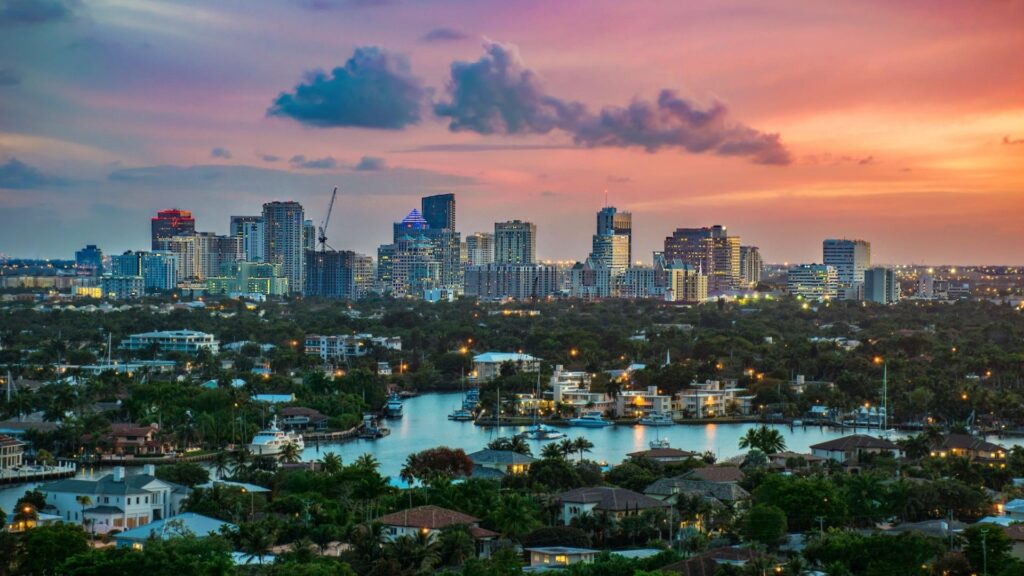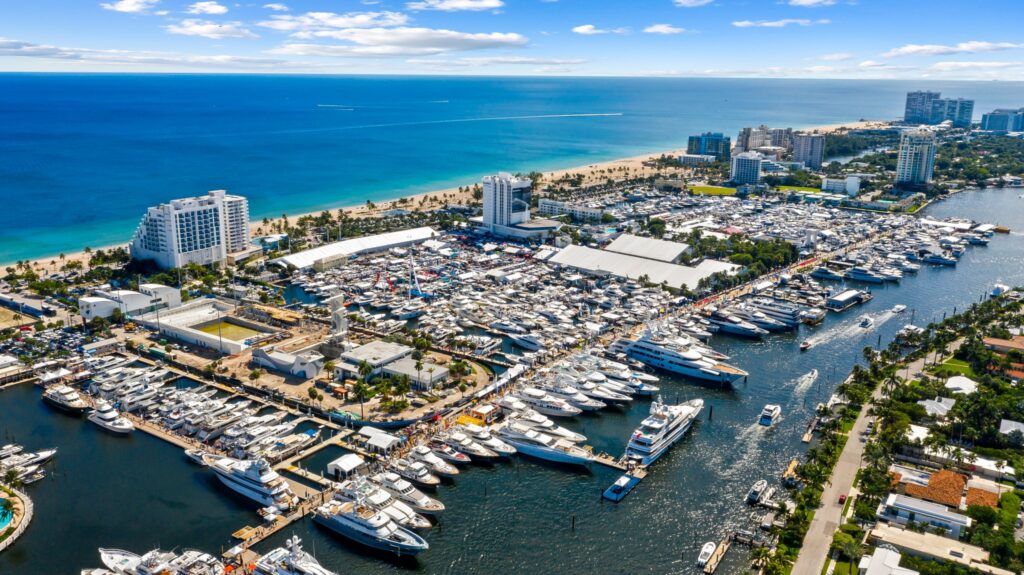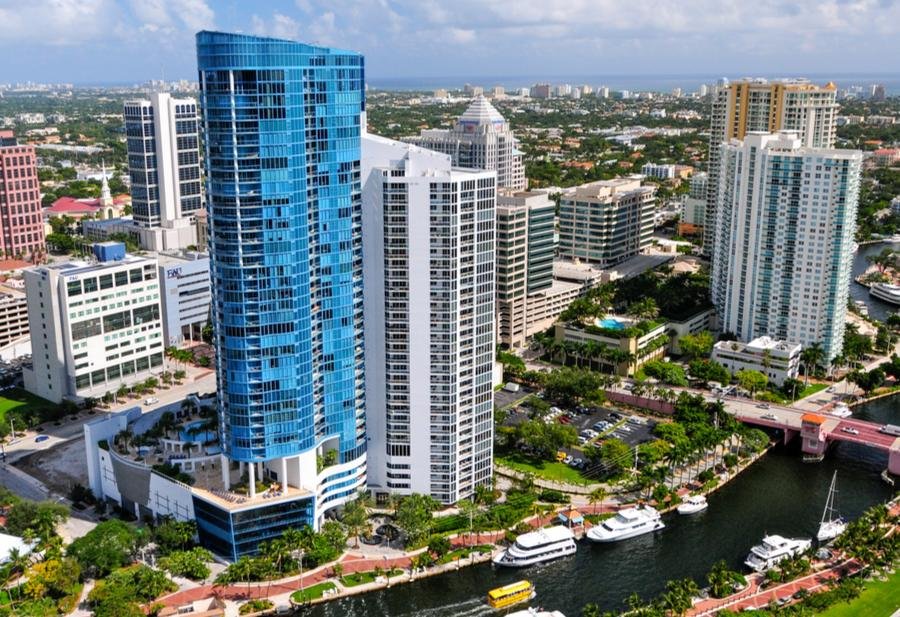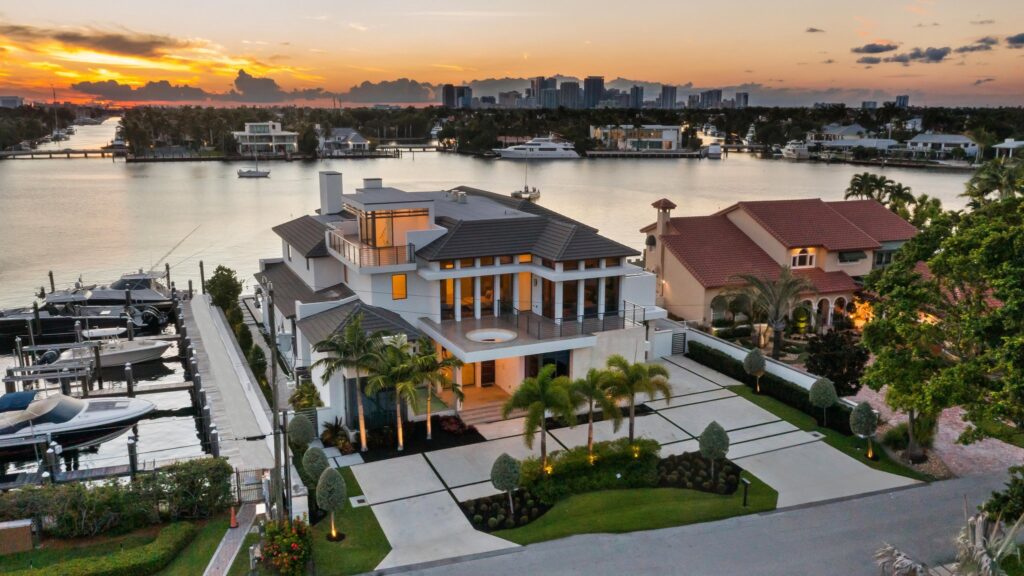

Choosing between a waterfront and non-waterfront home in Fort Lauderdale is one of the most consequential decisions a buyer can make, and it goes well beyond the view. Both property types offer distinct advantages depending on your lifestyle, budget, and long-term investment goals.
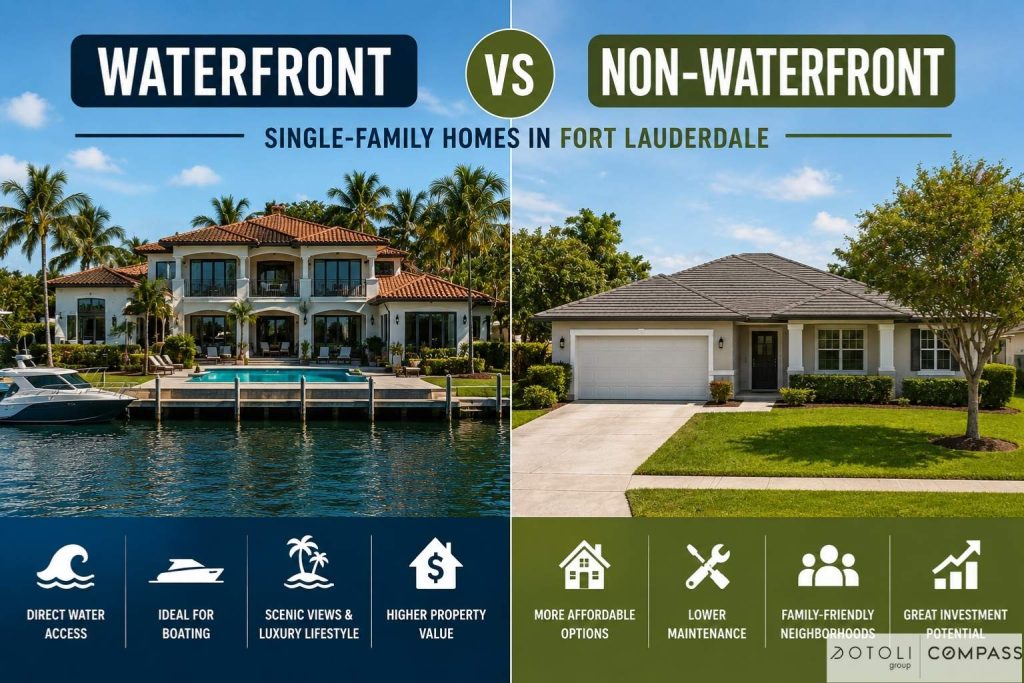
Waterfront single-family homes in Fort Lauderdale command premium prices, typically 30% to 60% more than comparable non-waterfront properties, but offer direct water access, strong appreciation history, and a lifestyle that defines South Florida living.
Non-waterfront homes offer lower entry costs, reduced insurance premiums, and often more square footage per dollar, making them a smarter fit for buyers prioritizing space and affordability.
What Counts as a Waterfront Home in Fort Lauderdale?
In Fort Lauderdale, “waterfront” covers a wide range of property types, and understanding the difference matters when you’re comparing listings.
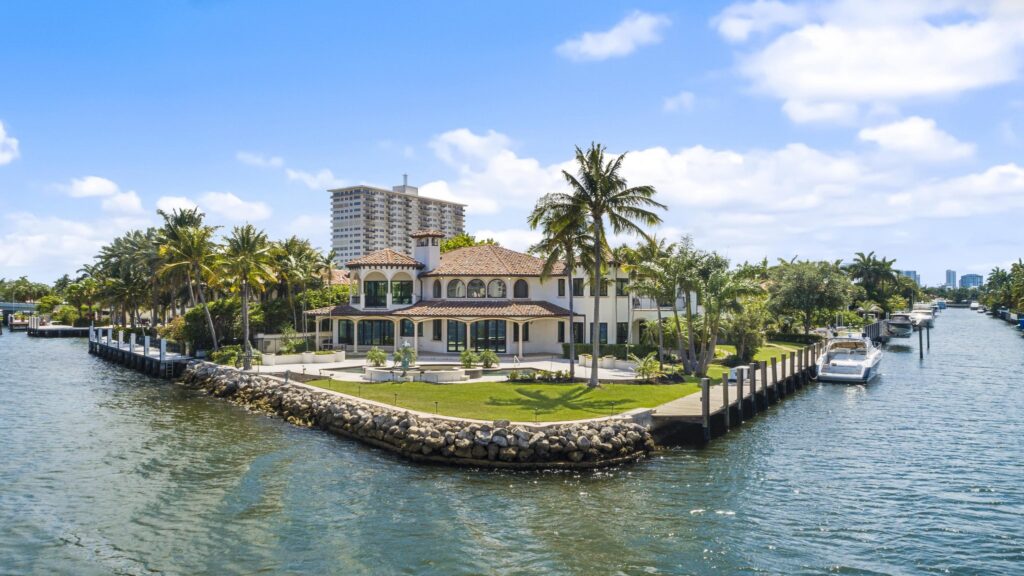
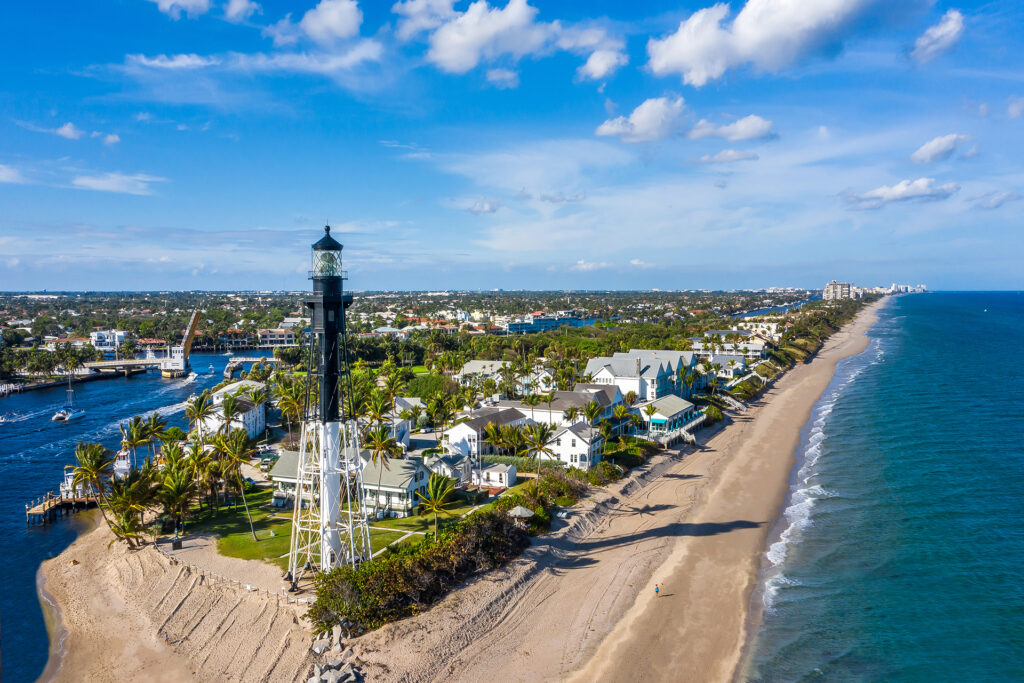
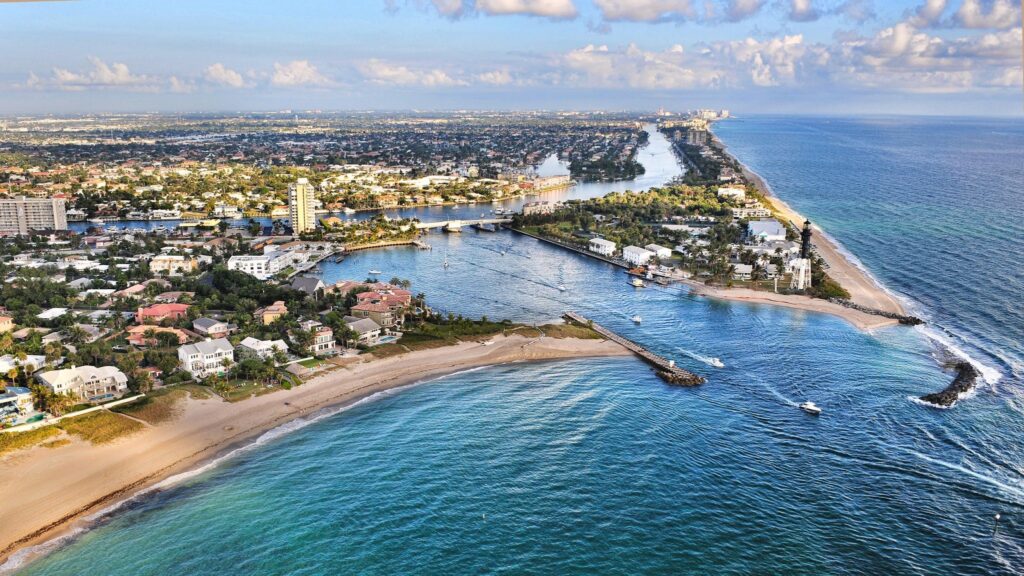
Intracoastal waterfront homes sit along the Intracoastal Waterway, offering wide water views and direct boat access. These are the most sought-after and highest-priced waterfront properties in the city. Neighborhoods like Victoria Park, Coral Ridge, Nurmi Isles, and Lauderdale Harbors are home to some of the best intracoastal lots in Broward County.
Canal-front homes line Fort Lauderdale’s 165+ miles of navigable canals and offer boating access at a lower price point than true intracoastal frontage. Many buyers enter the waterfront market here before moving up.
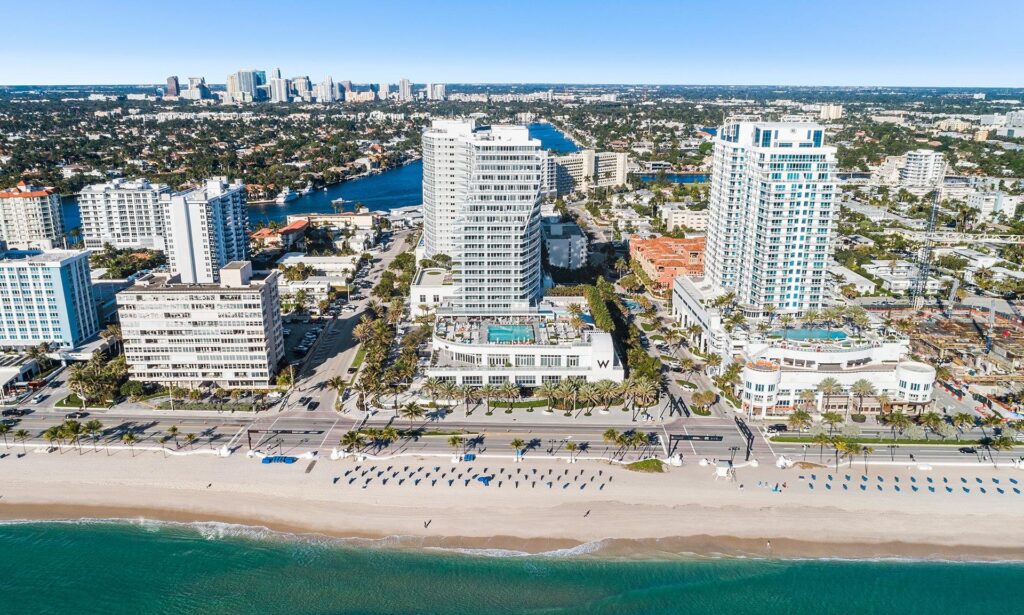
Ocean-adjacent or beach-area homes aren’t technically on the water but sit close to Fort Lauderdale Beach, often in Las Olas Isles or Harbor Beach. These carry waterfront prestige without always having dock access.
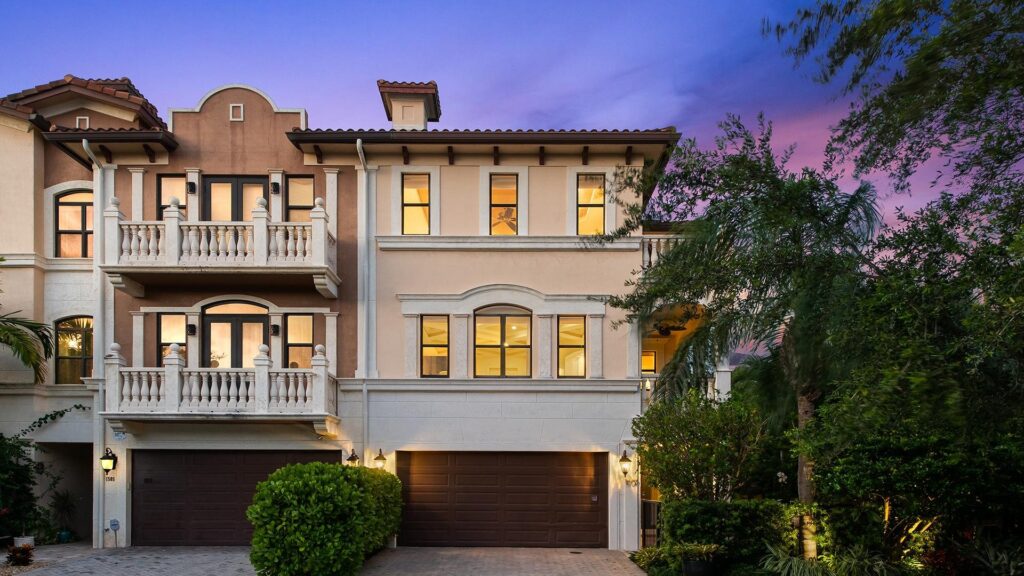
Non-waterfront homes, by contrast, are located in inland neighborhoods, such as Coral Ridge Country Club Estates, Wilton Manors, Plantation, or Sunrise, where prices are significantly lower, but amenities, schools, and proximity to downtown Fort Lauderdale remain strong.
Waterfront Homes in Fort Lauderdale: The Real Pros and Cons
The Advantages of Buying Waterfront
Direct water and boat access
Fort Lauderdale is the “Venice of America” for a reason. Owning a waterfront home means you can dock your boat steps from your back door and cruise the Intracoastal to restaurants, beaches, and open ocean without trailering. For boating-focused buyers, this convenience is non-negotiable.
Strong long-term appreciation
Waterfront inventory in Fort Lauderdale is finite. There are only so many canal-front and intracoastal lots, and that scarcity drives sustained appreciation. Historically, Fort Lauderdale waterfront properties have outperformed inland homes during strong market cycles, particularly luxury-tier intracoastal estates.
Lifestyle and rental value
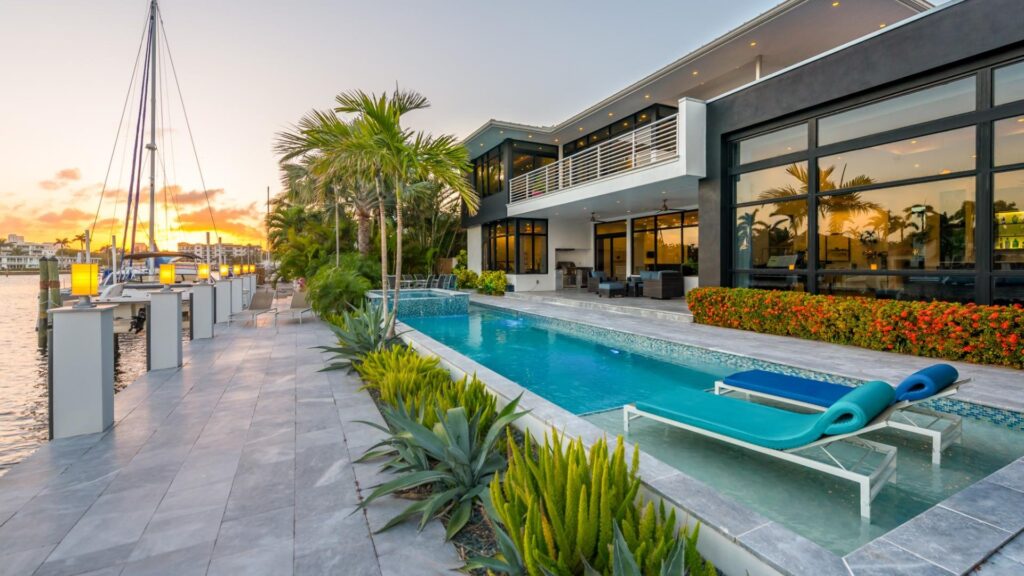
Waterfront homes attract premium short-term rental rates and offer an indoor-outdoor South Florida lifestyle, with sunrise over the water, evening boat rides, and outdoor entertaining that inland properties can’t replicate.
Prestige and resale demand
When you’re ready to sell, waterfront homes attract a global buyer pool. International buyers, retirees, and second-home purchasers actively seek Fort Lauderdale waterfront properties, which keeps demand resilient even in softer markets.
The Disadvantages of Buying Waterfront
Higher purchase price
Waterfront homes in Fort Lauderdale often start well above $1 million for move-in-ready intracoastal properties. Even entry-level canal-front homes in desirable areas routinely exceed $800,000–$1.2 million, depending on lot size and water width.
Significantly higher insurance costs
Flood insurance is not optional in Fort Lauderdale’s waterfront zones. Depending on FEMA flood zone classification and elevation certificate data, annual flood and windstorm premiums can range from $5,000 to $25,000+ per year, a real carrying cost buyers frequently underestimate.
Maintenance demands
Seawall maintenance, dock upkeep, saltwater corrosion on exterior surfaces, and the ongoing cost of protecting a home from humidity and marine exposure add up over time. Budget for these realities before closing.
Flood risk and climate considerations
Fort Lauderdale’s coastal elevation makes waterfront properties genuinely vulnerable to storm surge during hurricane season. Sea-level rise projections also introduce long-term uncertainty for low-lying canal-front lots.
Non-Waterfront Single-Family Homes in Fort Lauderdale: Who They’re Right For
Non-waterfront homes don’t get the headlines, but they represent the backbone of Fort Lauderdale’s residential market, and for many buyers, they’re the smarter financial move.
What Non-Waterfront Homes Offer
More homes per dollar
In established Fort Lauderdale neighborhoods like Coral Ridge, Lauderdale Lakes, or Tarpon River, a $700,000–$900,000 budget can buy a well-appointed 3–4 bedroom home with a pool, updated finishes, and solid lot size square footage and features that would cost $400,000–$600,000 more in a waterfront location.
Lower insurance costs
Homes in X flood zones, common in higher-elevation inland Fort Lauderdale neighborhoods, may not require flood insurance at all or qualify for significantly lower NFIP rates. This difference alone can save $5,000–$15,000 annually in carrying costs.
Stronger school-driven demand
Non-waterfront neighborhoods closer to top-rated Broward County schools often generate just as much buyer competition as waterfront areas, particularly from families with school-age children who prioritize walkability and zoning over water views.
Lower maintenance burden
Without a seawall, dock, or saltwater exposure, the ongoing maintenance of an inland home is considerably more predictable. For buyers who want to enjoy Fort Lauderdale without spending weekends managing marine infrastructure, this matters.
The Trade-Offs to Expect
Non-waterfront homes lack the lifestyle differentiation that waterfront properties offer. If boating, fishing, or having the water as your backyard is central to why you’re buying in Fort Lauderdale, inland homes won’t scratch that itch.
Appreciation, while solid in good markets, tends to be more moderate than true waterfront inventory over the long term.
What Fort Lauderdale Neighborhoods Should You Consider?
Top Waterfront Neighborhoods
Coral Ridge sits along the Intracoastal north of Las Olas. They offer some of Fort Lauderdale’s most established waterfront single-family homes, with wide lots, deep-water dockage, and easy ocean access. Properties here range from classic mid-century estates to newly built luxury construction.
Nurmi Isles and Seven Isles are among Fort Lauderdale’s most exclusive island communities, with grand intracoastal estates, deep-water docks, and 24-hour security. Buyers here are typically looking for trophy properties with full yacht-length dockage.
Rio Vista and Tarpon River offer a more affordable waterfront entry point, with canal-front homes on Fort Lauderdale’s historic south side close to downtown, Las Olas Boulevard, and the beaches.
Harbor Beach is a gated waterfront community directly on the Intracoastal and close to Fort Lauderdale Beach, ideal for buyers seeking security, prestige, and oceanfront proximity.
Top Non-Waterfront Neighborhoods
Coral Ridge Country Club Estates offers large lots, mature tree canopy, and a country club lifestyle without the waterfront premium popular with families and executives.
Wilton Manors offers a walkable, community-driven neighborhood with strong appreciation and lower entry prices, particularly attractive to buyers seeking character homes close to downtown Fort Lauderdale.
Plantation and Davie (adjacent to Fort Lauderdale) offer suburban-scale homes with strong schools, large lots, and significantly lower per-square-foot prices than Fort Lauderdale proper.
How to Decide: Waterfront or Non-Waterfront?
Choose waterfront if:
- Boating or water access is central to your lifestyle
- You’re buying as a long-term hold or luxury investment
- You can absorb higher insurance, maintenance, and purchase costs
- You want maximum resale appeal to a global buyer pool
Choose non-waterfront if:
- You want more home per dollar
- Schools, walkability, or neighborhood character matter more than water views
- You’re a first-time Fort Lauderdale buyer building equity before moving up
- Lower carrying costs are a priority for your budget
For many buyers, the right answer is a phased approach: start with a well-located, non-waterfront home in a high-appreciation Fort Lauderdale neighborhood, build equity, and move into a waterfront home when the timing and finances align.
FAQ’S
What is the price difference between waterfront and non-waterfront homes in Fort Lauderdale?
Waterfront homes in Fort Lauderdale typically cost 30%–60% more than comparable non-waterfront properties. Canal-front homes often start at $800K, while intracoastal estates regularly exceed $2M–$ 5 M.
Are waterfront homes in Fort Lauderdale a good investment?
Yes, waterfront inventory is finite, which supports long-term appreciation. However, higher insurance costs, flood risk, and maintenance expenses must be factored into your total investment picture before buying.
Do I need flood insurance for a waterfront home in Fort Lauderdale?
Yes. Most waterfront homes in Fort Lauderdale fall within FEMA high-risk flood zones requiring mandatory flood insurance. Annual premiums range from $5,000 to $25,000+, depending on elevation and coverage level.
What are the best waterfront neighborhoods in Fort Lauderdale for single-family homes?
Coral Ridge, Nurmi Isles, Seven Isles, Harbor Beach, and Rio Vista are among Fort Lauderdale’s top waterfront neighborhoods for single-family homes, each offering different price points and levels of water access.
Is it cheaper to buy a non-waterfront home in Fort Lauderdale?
Yes, non-waterfront single-family homes in Fort Lauderdale offer lower purchase prices, reduced insurance costs, and lower maintenance demands, making them a stronger fit for budget-conscious or first-time buyers.
Can I get boat access without buying a waterfront home in Fort Lauderdale?
Yes. Fort Lauderdale has several public marinas, boat ramps, and dry storage facilities, including Lauderdale Marine Center and Pier 66 Marin, that offer boating access without requiring a waterfront property purchase.
How does flood risk affect non-waterfront homes in Fort Lauderdale?
Many inland Fort Lauderdale neighborhoods sit in X flood zones with minimal risk, meaning flood insurance may not be required. Buyers should always review FEMA flood maps and get an elevation certificate before closing.
Explore the Waterfront or Non-Waterfront Single-Family Home Market
If you’re ready to explore Fort Lauderdale’s waterfront or non-waterfront single-family home market, the Dotoli Group specializes in both with deep knowledge of intracoastal listings, canal-front properties, and high-value inland neighborhoods across Broward County.
Browse current listings or connect with the team to find the home that fits your lifestyle and budget.