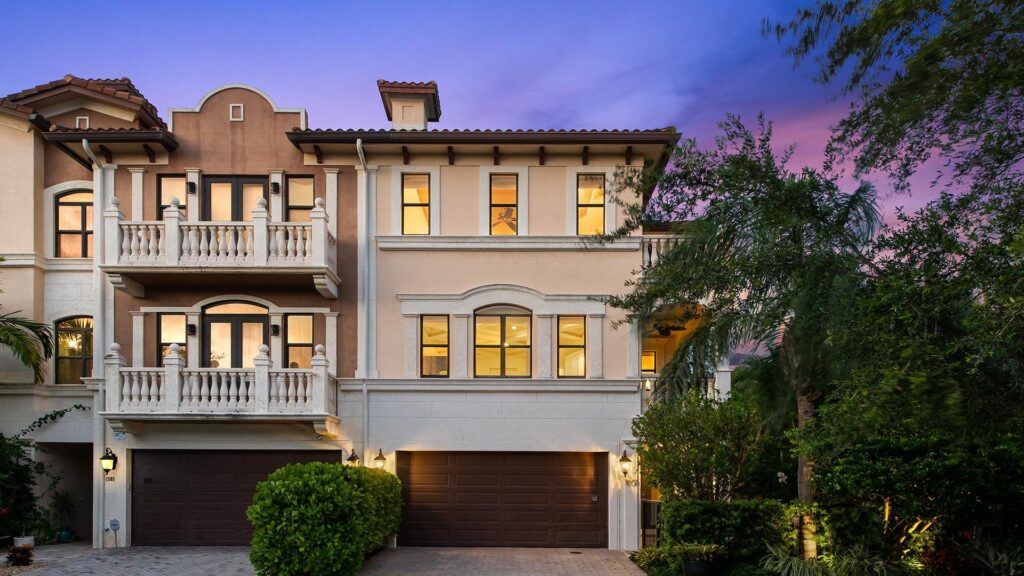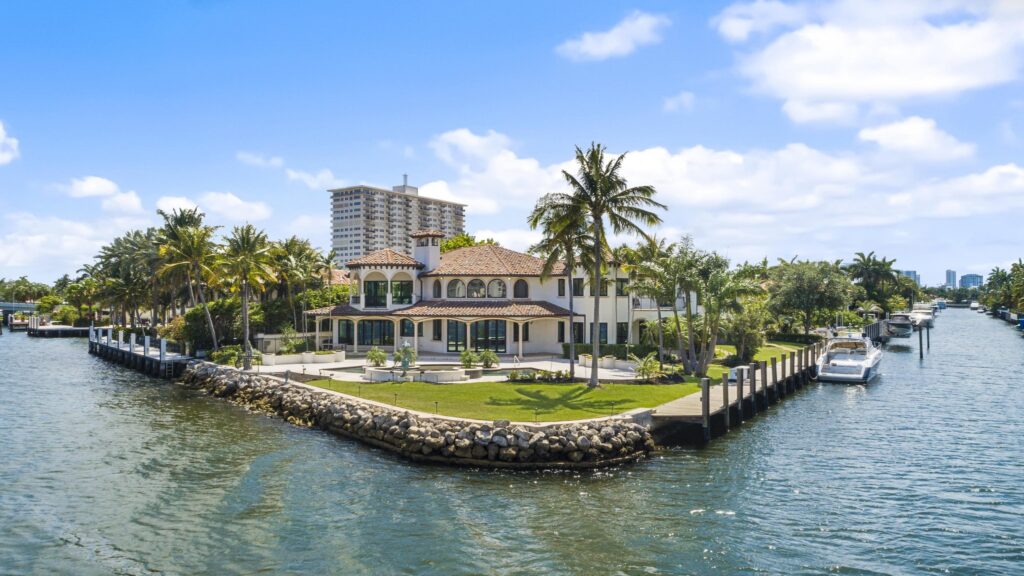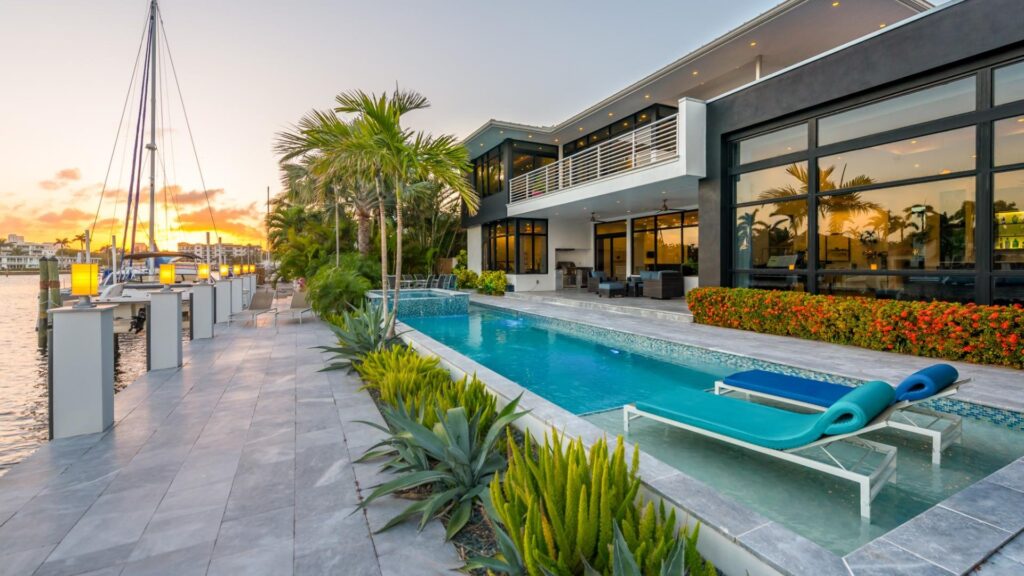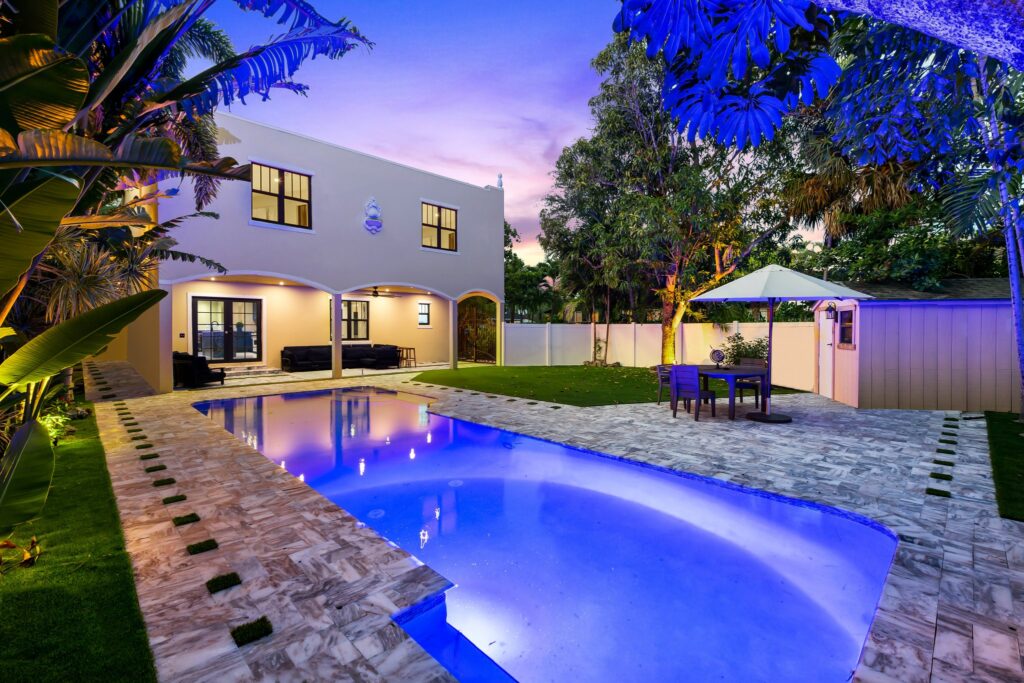
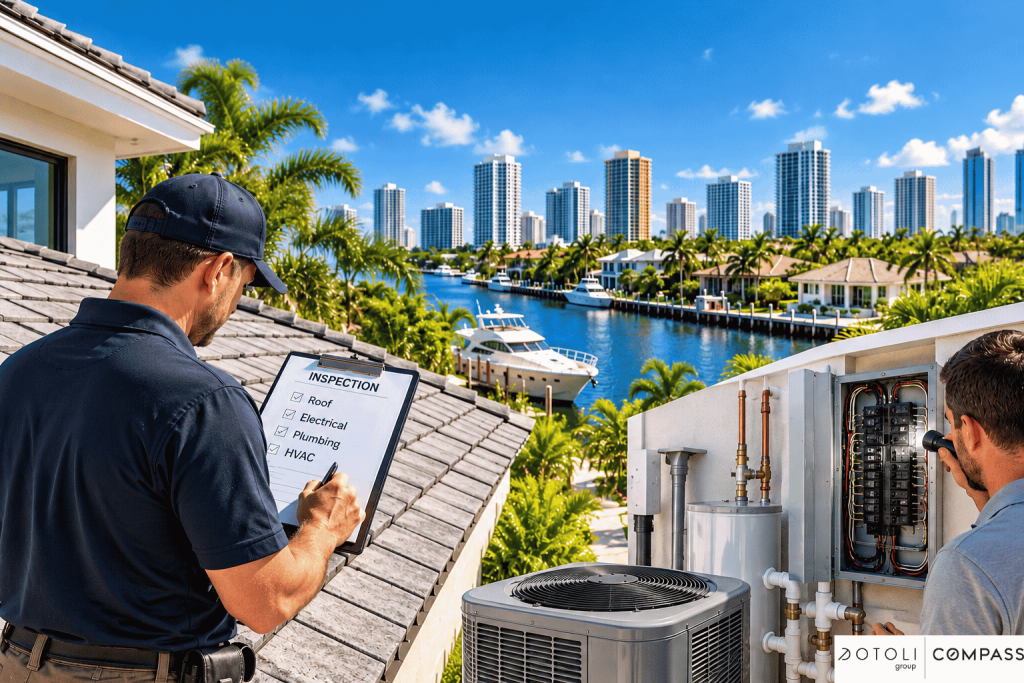

If you are buying a home in Fort Lauderdale, two inspections can influence your homeowners insurance options: a wind mitigation inspection and a 4-point inspection. A wind mitigation inspection documents hurricane-resistant construction features, while a 4-point inspection evaluates the roof, electrical, plumbing, and HVAC systems.
For buyers considering homes in Coral Ridge, Rio Vista, Las Olas Isles, and other Fort Lauderdale neighborhoods, understanding these inspections early can help identify documentation requirements and potential insurance issues before closing.
This guide explains what each inspection covers, how Florida’s 2026 wind mitigation form changed, and when to order both reports.
Quick Answer: What Is the Difference Between Wind Mitigation and a 4-Point Inspection?
A wind mitigation inspection documents a home’s qualifying hurricane-resistant features, including roof-to-wall connections, roof characteristics, and opening protection. Insurers use Florida’s approved inspection form to determine eligibility for applicable windstorm premium credits.
A 4-point inspection evaluates four major systems: the roof, electrical system, plumbing, and heating, ventilation, and air conditioning (HVAC). Insurers may require this report when assessing an older home’s eligibility for coverage.
The main difference is that wind mitigation focuses on documented storm-resistant features, while a 4-point inspection focuses on the condition of major systems. Depending on the property and insurer, buyers may need both reports. Neither replaces a comprehensive home inspection or guarantees insurance approval or savings.
What Does a Wind Mitigation Inspection Check?
A wind mitigation inspection documents features designed to help a home resist hurricane-force winds and related damage. An authorized inspector completes Florida’s Uniform Mitigation Verification Inspection Form, known as OIR-B1-1802.
The current form includes nine questions covering the home’s location, construction, roof features, and opening protection. Questions 2 through 9 require supporting photographs or documentation for features marked on the form.
The inspection evaluates the following areas:
- Building code: The applicable construction standards and supporting permit information.
- Region: The property’s location in relation to the applicable design wind speed.
- Roof slope: The roof’s slope and whether the property has multiple roof slopes.
- Roof covering: The roof material and relevant code-compliance documentation.
- Roof deck attachment: How the roof sheathing is secured to the framing.
- Roof-to-wall attachment: How the roof connects to the walls, including qualifying clips and straps.
- Roof geometry: The roof’s shape and configuration.
- Secondary water resistance: Qualifying features designed to help limit water intrusion if the roof covering is damaged.
- Opening protection: Documented protection for windows, doors, skylights, and garage doors.
The inspector records the applicable features and supporting evidence. The insurance company determines which credits, if any, apply under its rating rules.
The weakest-opening rule most buyers miss
Opening protection is graded on the weakest opening, not the best one. A home with impact glass on every window but an older, unrated garage door or skylight is scored on that garage door or skylight.
The form goes further: if any opening needs replacement, the home does not qualify for wind mitigation rate differentials at all, no matter what other features it has. This matters in Fort Lauderdale, where many homes have been renovated in stages.
Before you rely on a seller’s claim that a house is “fully impact,” walk every opening, including the garage, the skylights, and any side or pool doors, and ask for the product approvals.
Florida’s 2026 form update
Inspections done on or after April 1, 2026 must use the revised form, OIR-B1-1802 (Rev. 04/26). The update revised several existing features, added the region and roof slope questions, and now lets a FORTIFIED Home Roof, Silver or Gold certificate validate several roof and opening attributes.
Citizens Property Insurance says it will still accept the older 2012 version if the structure has not changed and the form was completed within the five years before April 1, 2026. When a seller hands you a report, check the revision number on the bottom of each page and the inspection date.
Who can perform a wind mitigation inspection
Under Florida Statute 627.711, the inspector must hold one of these credentials: a licensed home inspector who has completed the required hurricane mitigation training and proficiency exam, a certified building code inspector, a licensed general, building, or residential contractor, a licensed professional engineer, a licensed architect, or another professional the insurer recognizes as qualified.
Most buyers use their home inspector, who can complete the wind mitigation and 4-point reports during the same visit.
What Does a 4-Point Inspection Check?
The 4-point inspection is a focused report on the four systems behind the most insurance claims in older homes. The inspector records the type, age, condition, and any signs of leaks for the roof. For the electrical system, the report covers the panel, wiring type, and any visible hazards.
For plumbing, it notes pipe materials, the water heater and any active leaks. It records the age and working condition of the heating and cooling equipment for HVAC.
It is not a full home inspection and does not evaluate the foundation, appliances, pool, dock, or seawall, and it is written for the insurer, not for you.
When insurers require a 4-point inspection
The trigger is the home’s age, and it depends on the carrier. Citizens Property Insurance requires a 4-point inspection on homeowner and dwelling applications for properties more than 20 years old, and many private insurers use 30 years.
Many Fort Lauderdale canal and Intracoastal homes were built between the 1950s and the 1980s, so buyers in neighborhoods like Coral Ridge, Rio Vista, and the Las Olas Isles should plan for one unless the home is new construction or a full rebuild.
Ask your insurance agent at the start of your inspection period, not after you have relied on a premium estimate.
What happens if a 4-point inspection finds problems
There is no pass-or-fail grade, but the findings can lead an insurer to request repairs, ask for more documentation, or decline the home. The issues that most often cause trouble are an aging roof, older electrical panels, outdated wiring, polybutylene plumbing, active leaks, and water heaters or HVAC units near the end of their life.
For roofs, Citizens applies age limits by type: more than 25 years for shingle roofs and more than 50 years for tile, slate, clay, concrete, or metal. A roof past those limits needs to show at least five years of remaining useful life, or the owner must prove it was fully replaced.
Wind Mitigation vs 4-Point Inspection: Key Differences
The wind mitigation report answers how well the house will hold up in a hurricane, and it is used to price the wind portion of your premium. The 4-point report answers whether the home’s major systems are in safe, working condition, and insurers use it to decide whether to write the policy at all.
| Feature | Wind Mitigation | 4-Point Inspection |
|---|---|---|
| Main purpose | Documents qualifying hurricane-resistant features | Evaluates major home systems |
| Primary focus | Roof construction, connections, opening protection, and other applicable features | Roof, electrical, plumbing, and HVAC |
| Insurance relevance | Helps determine eligibility for applicable windstorm credits | Helps assess coverage eligibility |
| Typical use | Documents qualifying storm-resistant features | Meets an insurer’s requirements for an existing home |
| Guarantees a discount or coverage? | No | No |
| Replaces a full home inspection? | No | No |
How Wind Mitigation Affects Insurance on a Fort Lauderdale Home
In South Florida, the wind portion is often the largest piece of a homeowners premium, so documented features can make a real difference.
The strongest credits usually come from opening protection and roof-to-wall attachment, which is why a home with impact protection on every opening, a hip roof, and double-wrapped connections is priced very differently from an older ranch home with original windows and a gable roof, even on the same street. The exact credit depends on each insurer’s rating rules.
Documentation is what turns features into credits. Ask the seller for roof permits, the product approval numbers for impact windows, doors, and shutters, and any FORTIFIED certificate. Without proof, an inspector cannot mark the feature, and the insurer will not credit it.
For luxury waterfront homes, where rebuilding costs and premiums are high, this documentation is worth chasing.
Newer construction built to the current Florida Building Code usually qualifies for most credits, one reason buyers compare new construction and resale homes in Fort Lauderdale on insurance cost as well as price. For premium ranges on the water, see our guide to Fort Lauderdale waterfront home insurance costs.
What Buyers Should Know About Older Roofs
Florida Statute 627.7011 gives homeowners two protections. An insurer may not refuse to issue or renew a homeowner’s policy solely because the roof is less than 15 years old.
For a roof 15 years or older, the homeowner can have an authorized inspector inspect it before the insurer can require replacement, and if the inspection shows at least five years of useful life remaining, the insurer cannot refuse the policy on roof age alone.
Other underwriting issues can still affect coverage, so collect the roof’s permit and installation date early in the deal.
How Much Do These Inspections Cost in Fort Lauderdale?
Both reports are short and specialized, so they cost much less than a full home inspection. The price depends on the home’s size, roof type, and how easy the attic is to access.
Many local inspectors bundle the wind mitigation and 4-point reports with a full home inspection at a combined rate, which is usually the most efficient option during a purchase.
When you request quotes, confirm the price of each report, whether photos are included, and that the reports are in the forms your insurer accepts.
Florida’s My Safe Florida Home program has offered free wind mitigation inspections and grants for hurricane upgrades to eligible homestead owners. Funding and application windows change, so check the program site before you count on it.
How Long Are the Reports Valid?
The wind mitigation form states on every page that it is valid for up to five years, provided no material changes have been made to the structure, and no inaccuracies are found on the form.
If the home gets a new roof, new windows, new doors, or shutters, order a new report right away, because the upgrade will not lower your premium until the insurer sees it documented.
For 4-point inspections, Citizens expects a report completed within the 12 months before a new application, and other insurers set their own rules.
If any of the four systems has been replaced since the report, ask the insurer whether it needs a new one. See the Citizens inspection requirements for current details.
When to Order Both Inspections When Buying
Start at the beginning of your contract inspection period, so there is time to review findings, get quotes, and resolve problems before your deadlines:
1. Request the seller’s records. Ask for any existing wind mitigation and 4-point reports, roof permits, product approvals, and improvement records. Check the form revision and date.
2. Call your insurance agent. Confirm which reports and forms the insurer needs for this specific home.
3. Book the inspections together. Have one qualified inspector complete the full home inspection, wind mitigation, and 4-point reports on the same visit, with attic and garage access arranged.
4. Get a property-specific quote. Send the reports to your agent and ask for a real quote, including any conditions the insurer attaches.
5. Resolve findings before your deadline. Get repair estimates where needed, then decide with your agent or attorney whether to request repairs, credits, or a price change.
For waterfront homes, add a seawall inspection and a check of the property’s flood zone and elevation certificate. Our high net worth homebuyer’s checklist covers the rest of the due diligence list.
Frequently Asked Questions
Does a new construction home need a 4-point inspection?
Usually not, because insurers mainly request 4-point inspections on older homes. A wind mitigation report is still worth ordering on new construction, since homes built to the current Florida Building Code often qualify for strong credits. The insurer only applies those credits once the features are documented on the OIR-B1-1802 form.
Do impact windows alone earn the full opening protection credit?
No. Opening protection is graded on the weakest opening, including doors, sliders, skylights, and garage doors. One unrated garage door can lower the credit for the whole home, and any opening that needs replacement disqualifies the home from wind mitigation credits entirely. Check every opening and its product approval before you buy.
Why does the inspector need attic access?
Two of the most valuable features, roof deck attachment and roof-to-wall attachment, can only be verified from inside the attic, where the inspector photographs the nailing and the clips or straps. If the attic is blocked or sealed, those features may be marked unknown and earn no credit, so ask the seller to provide clear access.
What happens if the inspector cannot verify a feature?
The form requires at least one photo or document for each marked feature. If a feature cannot be seen or proven, it is recorded as unknown or not present, and the insurer will not credit it. Permits, product approval numbers, and FORTIFIED certificates are the usual proof, so gather them before the inspection.
Who pays for repairs a 4-point inspection uncovers?
It depends on your contract and your negotiation. During the inspection period, buyers commonly ask the seller to make repairs, give a credit at closing, or lower the price. Because an insurer may require repairs before writing the policy, raise the issues early and confirm your options with your agent or attorney.
Buy a Fort Lauderdale Home With the Insurance Picture in View
A home’s purchase price is only one part of the buying decision. Roof condition, documented hurricane-resistant features, major system deficiencies, and insurance requirements can also affect the cost and feasibility of ownership.
Before closing on a Fort Lauderdale home, ask your insurance agent which inspections and documents are needed, review the findings during your contract inspection period, and obtain a property-specific insurance quote.
For waterfront properties, include flood exposure, seawall condition, and other property-specific considerations in your due diligence.
The Dotoli Group helps buyers evaluate Fort Lauderdale properties and navigate the questions that arise during the homebuying process.
Contact us o discuss your Fort Lauderdale home search.