
If you are buying a waterfront home in Fort Lauderdale or already own one, understanding the Fort Lauderdale no-wake zone rules before you put your boat in the water is not optional. Violating a no-wake zone carries fines, and in manatee protection areas, the penalties are steeper. Knowing where these zones are and why they exist makes you a safer boater and a more informed buyer.
A no-wake zone in Fort Lauderdale is a designated waterway where vessels must operate at idle speed, producing minimal or no wake. These zones exist on the Intracoastal Waterway, in residential canals, near marinas, and in state-designated manatee protection areas. Speed is typically limited to idle speed only, which for most vessels means under 5 mph.
Why Do No-Wake Zones Exist in Fort Lauderdale?
No-wake zones serve three purposes: protecting people, protecting property, and protecting wildlife.
On the property side, wakes from speeding vessels cause erosion along canal banks, accelerate seawall deterioration, and damage docked boats. In a city where most waterfront homes sit on residential finger canals with seawalls already under constant tidal stress, additional wake damage is a real and measurable cost.
Buyers purchasing waterfront homes near high-traffic channels should factor in that wake damage compounds over decades. Our seawall inspection schedule guide explains exactly what to look for and how often to check.
On the wildlife side, manatees are slow-moving and surface frequently to breathe. They cannot avoid a fast-moving vessel. Fort Lauderdale sits within Broward County, which falls under the Florida Fish and Wildlife Conservation Commission’s manatee protection zone regulations. These rules carry their own enforcement and penalty structure separate from general boating speed laws.
Where Are the No-Wake Zones on Fort Lauderdale’s Intracoastal?
The intracoastal no-wake zone network in Fort Lauderdale encompasses several specific areas that every boater who regularly uses the waterway should know.
The Intracoastal Waterway through downtown Fort Lauderdale includes idle speed and slow speed zones, particularly near drawbridges, marinas, and the Las Olas Boulevard bridge area.
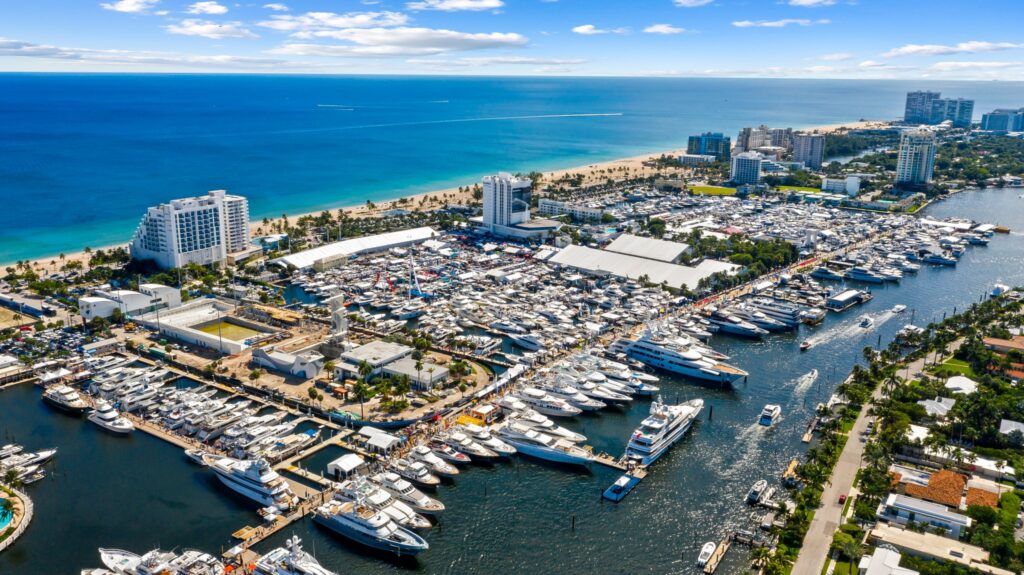
When a drawbridge is opening or closing, vessels in the approach area must idle. Near marinas like Bahia Mar and Pier 66, slow-speed zones are in effect to reduce wake in congested docking areas.
Residential canals throughout the city are generally considered no-wake zones by default under Florida law. Florida Statute 327.33 prohibits operating a vessel at a speed that creates a wake or hazard when passing within 100 feet of a vessel that is moored, anchored, or docked. In the narrow finger canals that make up most of Fort Lauderdale’s residential waterway network, that standard effectively means idle speed throughout.
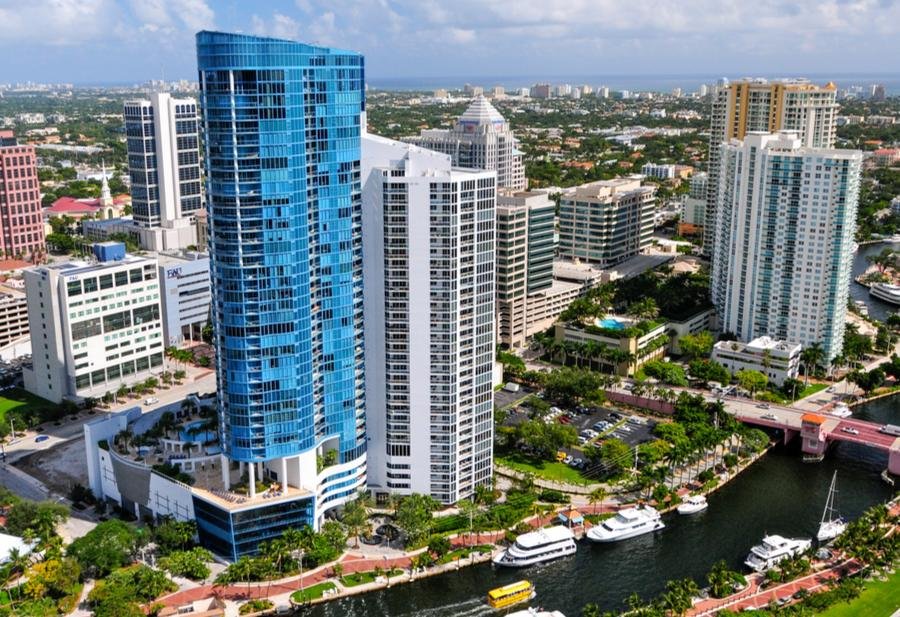
The New River, which runs through downtown Fort Lauderdale, is another high-enforcement corridor. River traffic is heavy with tour boats, water taxis, and private vessels, and speed enforcement on the New River is active year-round.
If your primary concern is whether a canal has enough depth to use year-round regardless of speed restrictions, read our guide on deepwater canal access in Fort Lauderdale before you narrow down your search.
What Are the Manatee Protection Zones in Fort Lauderdale?
Manatee protection zones in Fort Lauderdale are designated by the Florida Fish and Wildlife Conservation Commission and marked with regulatory buoys on the water. These are not the same as general no-wake zones, and the distinctions matter.
Manatee protection zones in Broward County fall into several categories: idle-speed-only, slow-speed minimum-wake, and 25-mph-or-less zones, depending on the specific waterway and season. Seasonal variations apply in some areas, with stricter speed limits in effect during the winter months when manatees move into warmer inland waters in larger numbers.
According to the Florida Fish and Wildlife Conservation Commission, watercraft strikes are consistently among the top causes of manatee mortality in Florida, accounting for hundreds of deaths in recent years.
For buyers purchasing on canals that fall within seasonal manatee zones, this context explains why speed enforcement in those areas is stricter and more actively pursued than on standard no-wake corridors.
Penalties for violating manatee protection zone rules are handled under Florida Statute 379.2431, the Florida Manatee Sanctuary Act. Fines start at $100 for a first offense and can reach $500 or more for repeat violations. Criminal penalties apply in cases involving actual harm to a manatee.
For buyers considering a waterfront home near the New River, the Middle River, or along the western sections of the Intracoastal, checking the FWC’s current manatee zone maps before buying is a practical step. The zones are updated periodically and are not always reflected in listing descriptions.
What Are Fort Lauderdale’s Boating Speed Limits Outside No-Wake Zones?
Fort Lauderdale boating speed limits outside designated slow-speed and no-wake zones are governed by a combination of state law, county regulations, and the specific waterway type.
On the open Intracoastal Waterway, where no speed zone signage applies, the operative standard under Florida law is that operators must travel at a speed that is reasonable and prudent given conditions: traffic, visibility, and waterway width.
There is no single posted speed limit on the open Intracoastal, as there is on a road, but enforcement officers use the wake-and-hazard standard to issue citations regardless of posted signs.
In Broward County’s inland canals, the practical standard is to operate at idle speed throughout residential areas due to the proximity of docked vessels and narrow channel widths.
Running at planning speed through a residential finger canal is both legally risky and a guaranteed source of complaints from neighbors.
On offshore waters beyond the Intracoastal and Port Everglades inlet, federal and state rules apply based on vessel size and traffic separation schemes.
For buyers whose primary use case is offshore fishing or cruising, the no-wake and slow-speed rules apply from the dock to the inlet, and that distance varies significantly by neighborhood.
Fixed bridge clearances on that route are a separate constraint worth confirming early. Our bridge clearance guide for Fort Lauderdale boaters covers every major bridge on the primary routes to the inlet.
How Do No-Wake Zones Affect Waterfront Property Values?
No-wake zones have a measurable effect on the quality of waterfront living, and that translates into property value in ways buyers often overlook.
Homes on canals with active no-wake enforcement experience less wake-driven seawall erosion, quieter water, and safer conditions for swimming, paddleboarding, and small-vessel use near the dock. These are genuine quality-of-life factors that buyers with families or non-motorized watercraft consistently value.
Conversely, a home on a high-traffic channel near a marina approach or a drawbridge corridor may technically fall within a slow-speed zone yet still experience significant wake from noncompliant vessels. Wake enforcement on Fort Lauderdale’s residential canals is complaint-driven rather than proactively patrolled, so the experience on any given canal depends in part on the surrounding neighborhood’s boating culture.
If you are evaluating a home on a residential finger canal, understanding the channel configuration matters as much as the no-wake designation. Our finger canal guide explains how width and depth interact with wake exposure on narrower channels.
What Should Buyers Check About No-Wake Zones Before Purchasing?
If you are buying a waterfront home in Fort Lauderdale, there are four specific things to check related to no-wake zones before you close.
First, confirm whether the canal the property fronts is designated as a manatee protection zone and what speed classification applies. FWC publishes current zone maps at myfwc.com. This affects how you can use the waterway seasonally.
Second, check the proximity to high-traffic corridors. A home two canals off the Intracoastal in a quiet finger canal network will have a completely different wake environment than a home directly on the Intracoastal near a marina or drawbridge approach zone.
Third, ask about local enforcement patterns. Florida Fish and Wildlife officers and the Broward Sheriff’s Office marine unit both patrol Fort Lauderdale waterways. Some corridors see active enforcement; others are effectively self-policed by the boating community.
Fourth, connect the no-wake zone context to the seawall condition. A property on an unprotected channel with an aging seawall is a different risk than the same property on a quiet, enforcement-active residential canal. These factors compound.
For a complete waterfront due diligence checklist, our guide on what to consider before buying a luxury waterfront home in Fort Lauderdale pulls everything together in one place.
Frequently Asked Questions
What is a no-wake zone in Fort Lauderdale?
A no-wake zone requires vessels to travel at idle speed, producing minimal or no wake. In Fort Lauderdale, these zones apply to the Intracoastal, residential canals, near marinas, and in designated manatee protection areas. Speed is typically under 5 mph.
Where are the no-wake zones on Fort Lauderdale’s Intracoastal Waterway?
No-wake and slow-speed zones apply near drawbridges, marina approaches, including Bahia Mar and Pier 66, and the Las Olas Boulevard bridge corridor. Residential canals throughout the city are required to operate at idle speed under Florida Statute 327.33.
What are the manatee protection zones in Fort Lauderdale?
The FWC designates manatee protection zones in Broward County, with speed limits ranging from idle speed only to 25 mph, depending on location and season. Winter months bring stricter limits. The Florida Manatee Sanctuary Act governs violations with fines starting at $100.
What is the fine for violating a no-wake zone in Fort Lauderdale?
General no-wake zone violations carry fines under Florida boating law. Manatee zone violations start at $100 for a first offense and increase with repeat violations. Criminal penalties apply if a manatee is harmed.
Do no-wake zones affect property value in Fort Lauderdale?
Yes. Homes on canals with active no-wake enforcement experience less seawall erosion, quieter water, and safer conditions near the dock. These factors improve quality of life and reduce long-term maintenance costs compared to high-traffic, high-wake corridors.
How do I find out if a property is near a manatee protection zone?
Check the FWC’s current manatee zone maps at myfwc.com before making an offer. Zones are updated periodically and are not always referenced in listing descriptions. Your agent should confirm the zone classification for the specific waterway the property fronts.
Talk to Dotoli Group Before You Buy on the Water
No-wake zones, manatee protection designations, and wake enforcement patterns are part of what makes one waterfront address different from another in Fort Lauderdale. They are not details you find in a listing description.
Dotoli Group knows the specific corridors, enforcement patterns, and canal-level differences that affect what owning and boating from a particular property actually feels like day-to-day.
If you are evaluating waterfront properties in Fort Lauderdale and want canal-level guidance before making an offer, contact Dotoli Group or explore our neighborhood guide to find the right area for your boat and lifestyle.