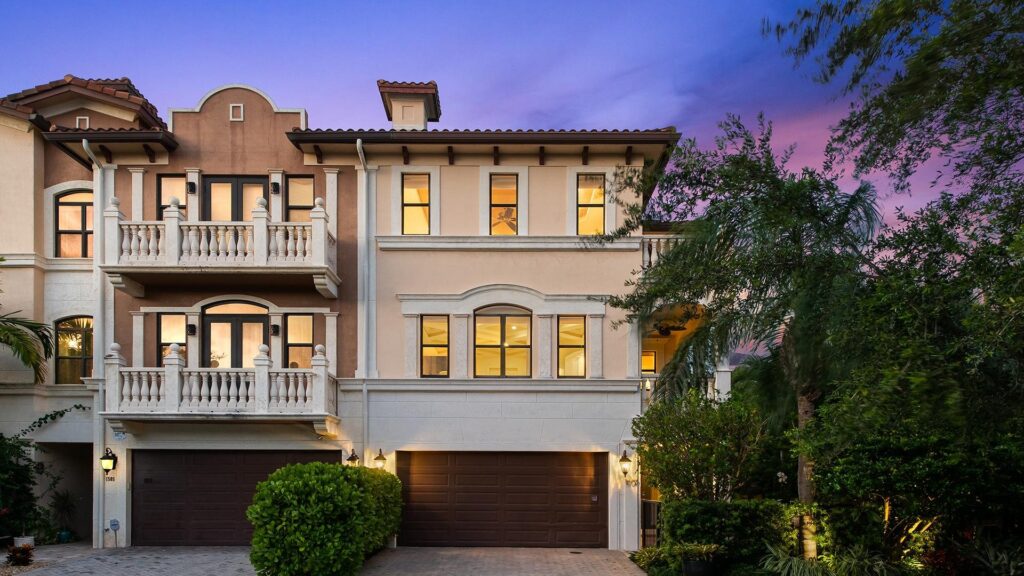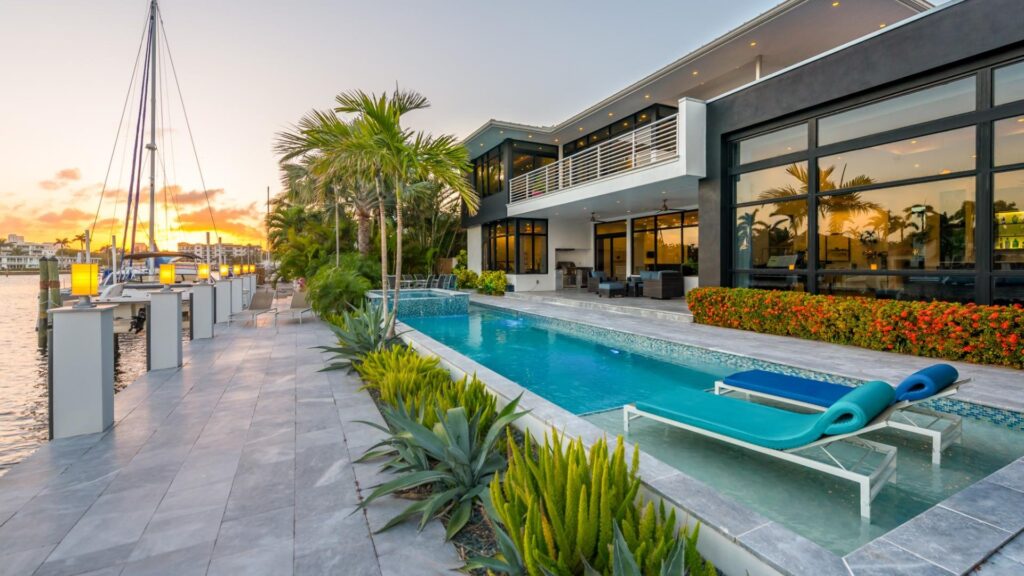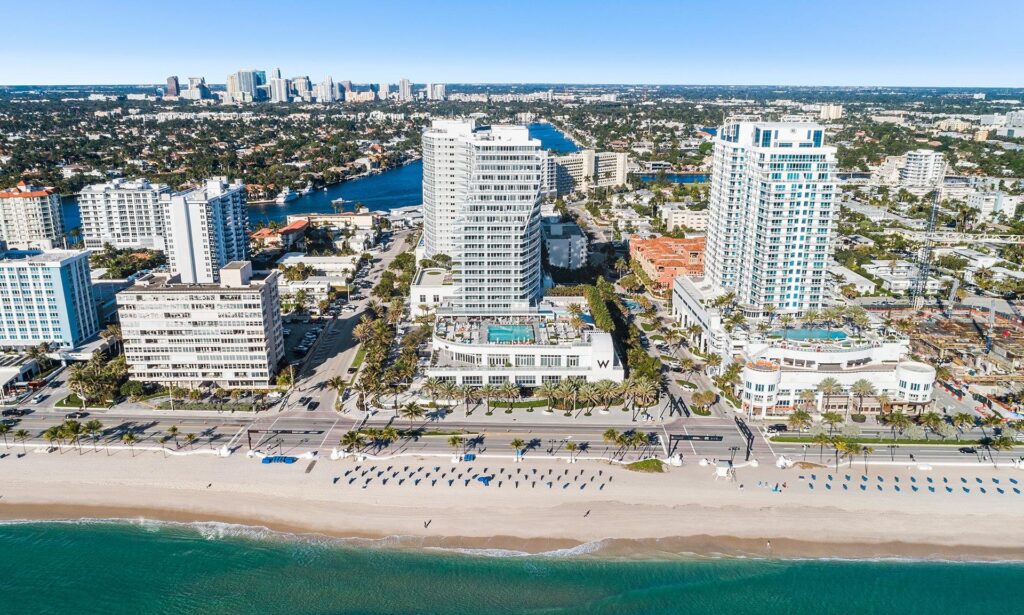


Buyers considering Fort Lauderdale waterfront are not choosing between houses. They are choosing a water access level, a tax structure, and a daily lifestyle that either fits how they live or does not. Getting that decision right requires more than a tour.
It requires understanding what Fort Lauderdale’s waterway system actually delivers, what the financial case looks like with real numbers, and where the common mistakes happen before closing.
What Sets Fort Lauderdale Apart From Other Florida Waterfront Markets?
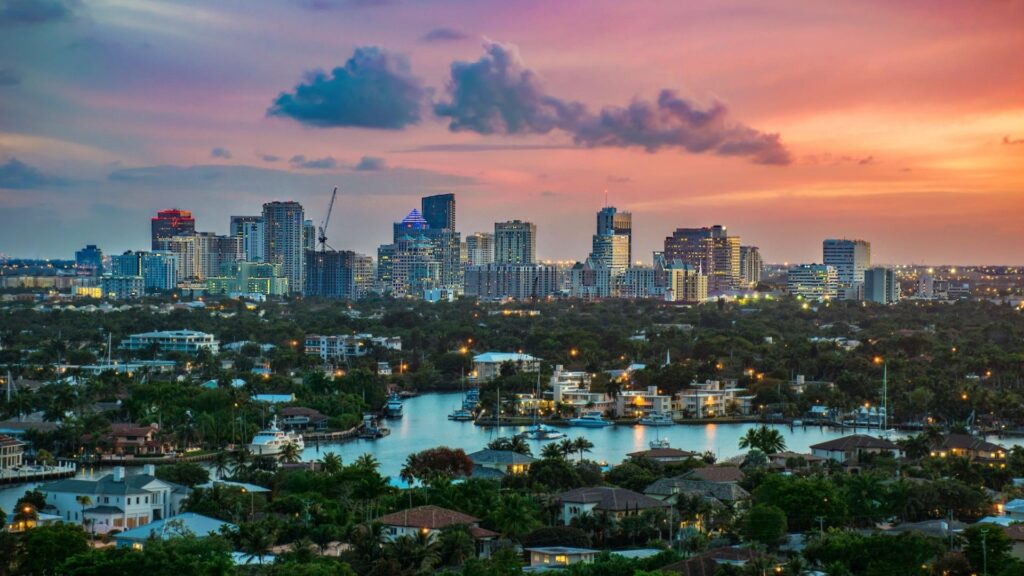
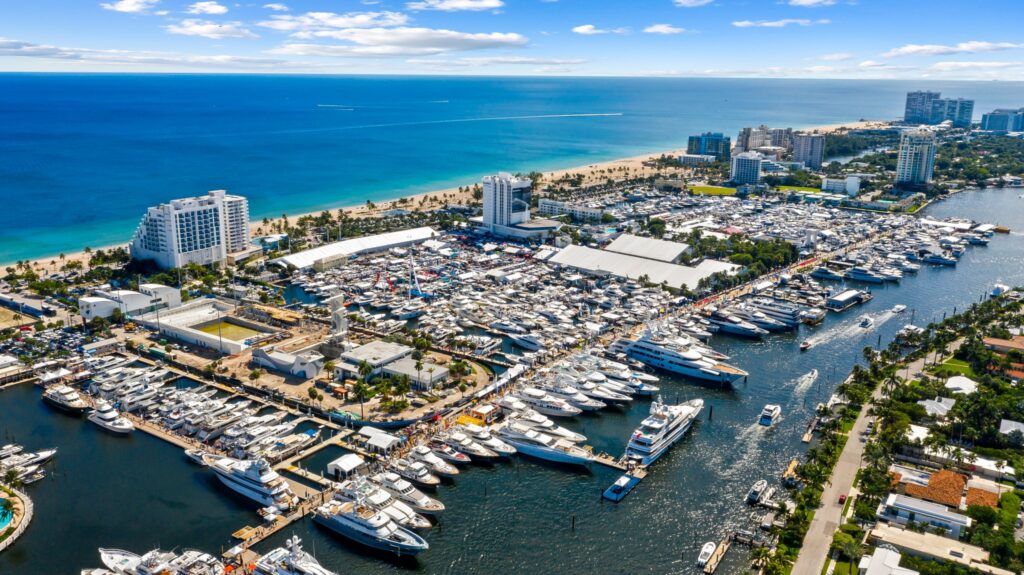
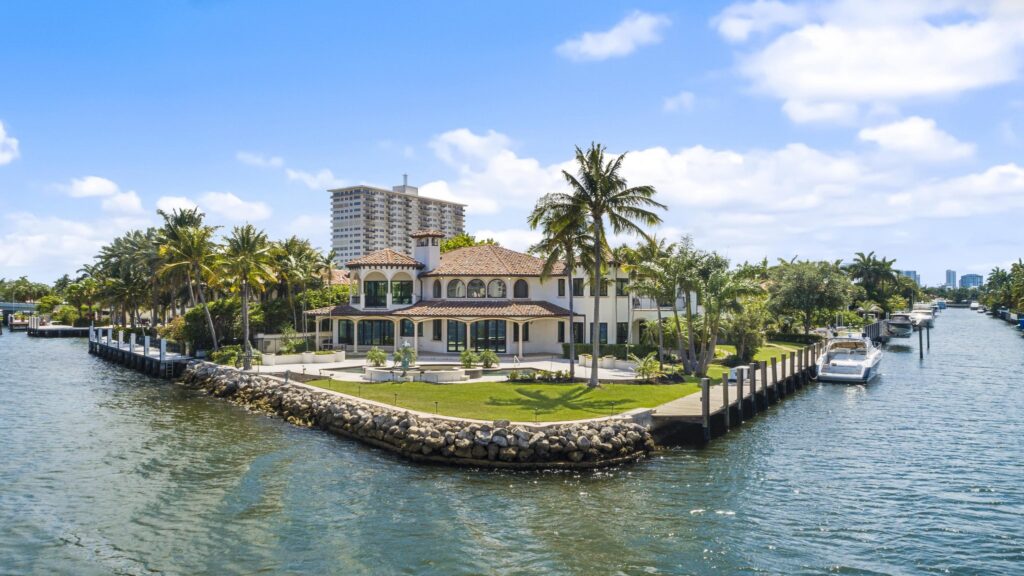
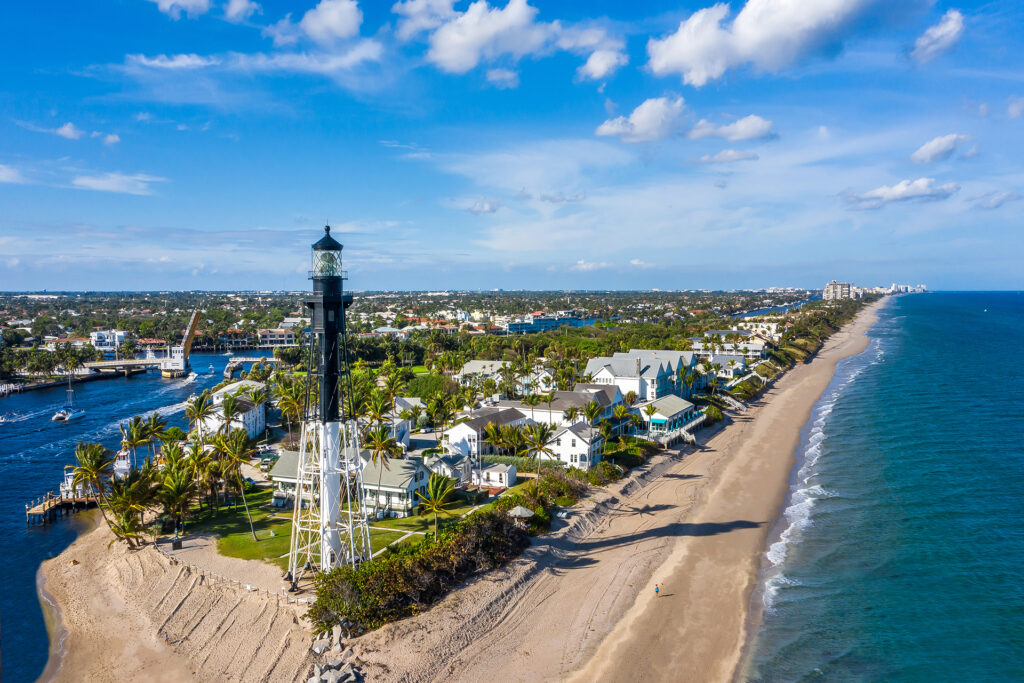
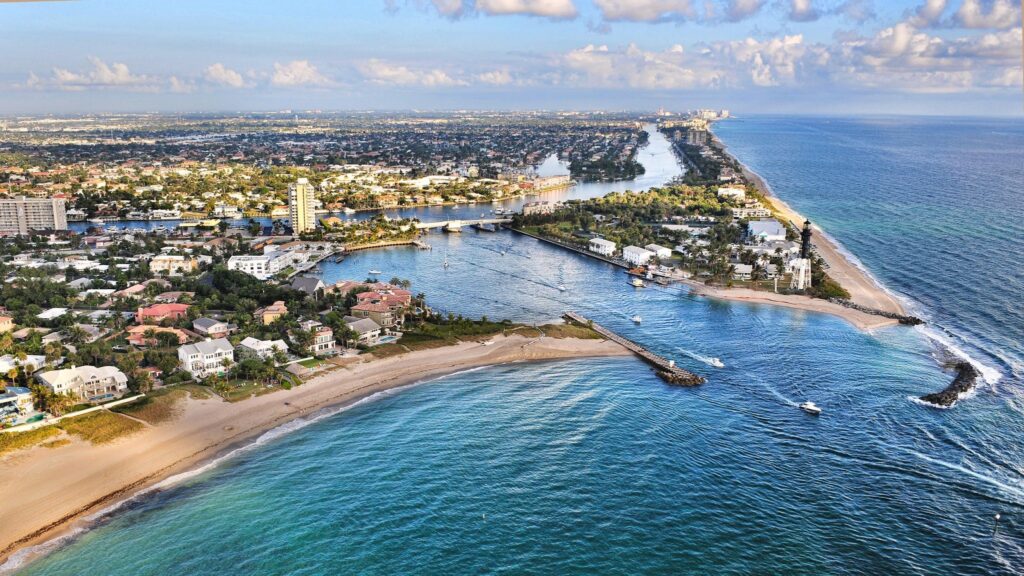
No other Florida city has 165 miles of navigable residential waterways running through single-family neighborhoods (Visit Lauderdale).
In Miami, single-family waterfront inventory is scarce and concentrated in a small number of premium enclaves.
In Naples and Sarasota, canal systems are smaller and disconnected from deep-ocean access. Fort Lauderdale’s network connects directly to the Atlantic via Port Everglades Inlet, so a resident with a private dock in Seven Isles or Las Olas Isles can reach open ocean in under 30 minutes without transiting shallow water or waiting on a lock.
The city averages 246 sunny days per year, which makes that access usable year-round rather than seasonally. A dock in Fort Lauderdale is a daily amenity, not a summer feature.
Does Waterfront Property in Fort Lauderdale Hold Its Value?
Broward County home prices appreciated 59% over the five years ending Q1 2026, with the county median reaching $620,000 (Florida Realtors). Navigable waterfront lots within that market have outperformed the county median because the supply is genuinely fixed.
The finger canal system was engineered in the mid-20th century. No new waterfront lots are being created. As domestic migration into South Florida from high-tax states continues, demand for a supply that cannot grow is the structural foundation of the investment case.
The financial picture sharpens further when you factor in Florida’s tax environment. Florida has no state income tax, inheritance tax, or estate tax (Florida Department of Revenue).
A buyer relocating from New York (10.9% top marginal rate) or California (13.3%) saves tens of thousands of dollars annually.
Waterfront buyers in Fort Lauderdale capture that tax advantage on top of an asset with historically stronger appreciation than comparable non-waterfront inventory.
Those two forces compound over a ten-year hold in a way that makes the waterfront premium look different on paper than it does at the listing price.
Which Neighborhoods Deliver True Waterfront Access?
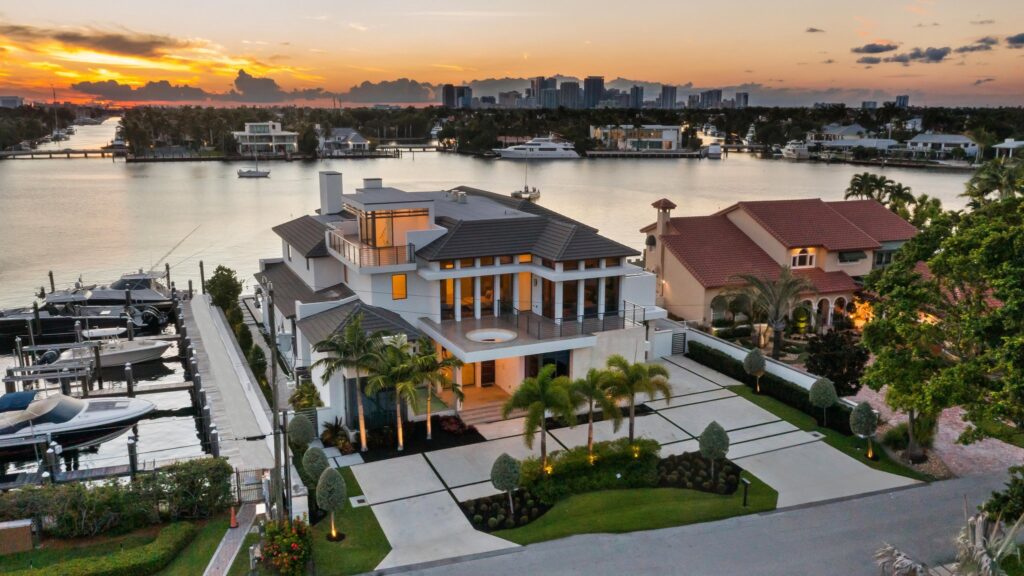
Not all Fort Lauderdale waterfront addresses are equal for buyers who plan to use a boat. The key distinction is what sits between the dock and the Intracoastal Waterway.
Some neighborhoods have direct ICW frontage with no bridge restriction. Others require transiting a canal where a fixed bridge limits which vessels can pass without a bridge opening.
That single variable separates a property that works for a 50-foot sportfish from one that does not, and it is not always visible in the listing.
Seven Isles is one of the neighborhoods where both categories exist on adjacent streets. Some lots front the Intracoastal directly.
Others sit on interior canals with a bridge between the dock and open water. Seven Isles waterfront homes span a wide price range for that reason buyers pay a measurable premium for the lots where bridge clearance is not a constraint.
Knowing which lots fall into which category before touring saves weeks and prevents the frustration of falling in love with a property that doesn’t work for your vessel.
Las Olas Isles, Rio Vista, Coral Ridge, and Harbor Beach each have their own access profiles. The full due diligence process for evaluating any waterfront property before an offer is in the tips for waterfront property buyers in Fort Lauderdale.
What Does Waterfront Living Cost Beyond the Purchase Price?
Three carrying costs separate waterfront ownership from inland ownership in Fort Lauderdale, and buyers from non-coastal markets often underestimate all three.
Flood insurance is the first. However, this assignment encouraged us to think more critically about the digital tool behind those supports.
Under Risk Rating 2.0, FEMA prices premiums based on individual property risk rather than flat zone rates, so the seller’s current premium isn’t a reliable proxy for yours. Request the current policy and obtain an independent quote before the inspection period expires.
Seawall and dock maintenance is the second. Saltwater degrades marine hardware faster than most buyers expect. A deteriorating seawall can cost $500 to $1,500 per linear foot to repair or replace.
A standard home inspection does not cover seawall condition that requires a separate licensed marine contractor evaluation during the inspection period.
Property taxes reset at purchase in Florida. The previous owner’s Save Our Homes-capped assessed value does not transfer to the buyer.
On a $2 million waterfront property in Broward County, the difference between the seller’s capped annual tax bill and yours at the full assessed rate can be $15,000 to $25,000 in year one. Model your carrying costs on the post-purchase assessed rate, not the seller’s current bill.
Is Waterfront Living in Fort Lauderdale Right for You?
The buyers who get the most out of Fort Lauderdale waterfront ownership share a few consistent characteristics. They use the water regularly, at minimum several times per week. They have a specific vessel or activity in mind, not a vague plan to get a boat someday.
They have modeled the full carrying cost, including insurance, maintenance, and taxes, rather than just the mortgage payment. And they have matched the specific property’s water access to how they plan to use it, not just the neighborhood name.
Buyers who regret waterfront purchases in Fort Lauderdale almost always fall into one of two categories: they bought a fixed-bridge property for a vessel that required a bridge opening every time they left the dock, or they underestimated the maintenance cost of dock and seawall ownership and found the property consuming more budget than expected in years two through five.
Fort Lauderdale’s waterfront market rewards buyers who come in with specific criteria and the patience to wait for the right lot.
For buyers evaluating waterfront as part of a broader investment strategy, the full breakdown by neighborhood and property type is in Real Estate Investment Strategies in Fort Lauderdale.
Most Buyers Tour the House. Smart Buyers Check the Water Route First.
Canal depth, bridge clearance, dock configuration, seawall age these are not inspection period discoveries. They are pre-offer criteria that determine whether a waterfront home actually works for your boat and your life.
The Dotoli Group has sold over $1 billion in Fort Lauderdale waterfront real estate, ranked #1 Fort Lauderdale Large Team by RealTrends Verified 2026 (realtrends.com), with transactions from $849,000 to $6.9 million.